



Best Street Food in Chandni Chowk – What and Where to Eat
Discover Chandni Chowk's famous street food, from traditional parathas and chaat to sweets and savoury snacks, with guidance on food lanes, local specialities and hygiene.
+91 9910402252
admin@chalbanjare.com


Plan your Delhi trip with guidance on major attractions, local food, public transport, accommodation areas, sightseeing routes and practical tips for exploring the city.
Delhi has an impressive collection of historical monuments, religious sites, museums, gardens and architectural landmarks. Many of the best places to visit in Delhi reflect the city's history under the Delhi Sultanate, Mughal rulers and British administration. Tourists can explore centuries-old forts and tombs alongside modern attractions, but it is important to group nearby places together because travelling across Delhi can take considerable time.
Red Fort, also called Lal Qila, is one of Delhi's most recognisable historical landmarks. Built during the reign of Mughal emperor Shah Jahan, this UNESCO World Heritage Site is known for its massive red sandstone walls, ceremonial gateways, palace structures and historic courtyards.
Visitors can explore the fort complex and learn about Mughal architecture and India's history. The fort is also associated with the Prime Minister's Independence Day address. Allow approximately two hours for a comfortable visit, and check the latest entry arrangements before travelling.
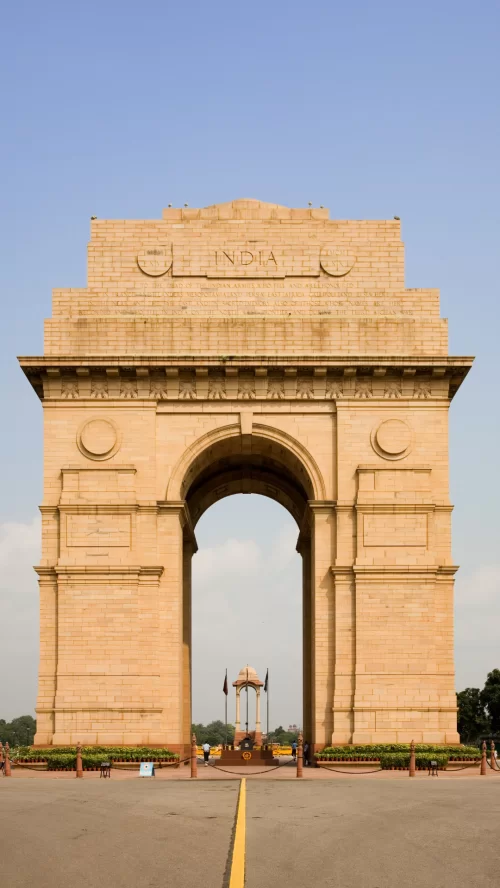
India Gate is a prominent war memorial on Kartavya Path, commemorating Indian soldiers who died during the First World War and related campaigns. Its imposing stone arch and surrounding landscaped avenues make it a popular stop for sightseeing and photography.
Late afternoon and evening are generally pleasant times to visit during cooler weather. Visitors can also explore the nearby National War Memorial, where respectful behaviour is expected. Access to particular lawns or sections may change because of security arrangements and public events.
Qutub Minar in Mehrauli is a major example of early Delhi Sultanate architecture. The tall minaret stands within a historical complex containing the Quwwat-ul-Islam Mosque, Iron Pillar, Alai Darwaza and other important structures.
Its intricate carvings, inscriptions and architectural details make it particularly interesting for history enthusiasts and photographers. Visitors should allow around one to two hours to explore the complex. Climbing inside the minaret is not permitted.
Humayun's Tomb is a UNESCO World Heritage Site and an important example of Mughal garden-tomb architecture. The complex features a large central mausoleum, symmetrical pathways, gardens and several smaller historical structures.
Its spacious layout provides a relatively peaceful sightseeing experience compared with Delhi's busy markets. The monument is especially appealing to visitors interested in architecture, heritage photography and Mughal history. Allow approximately one to two hours.
Lotus Temple is known for its distinctive flower-shaped architecture and peaceful atmosphere. Located in the Kalkaji area, this Bahá'í House of Worship welcomes visitors of different religious backgrounds for silent prayer and reflection.
The main attraction is its striking white structure and quiet prayer hall. Visitors are expected to maintain silence inside. Photography and access restrictions may apply, and the temple has designated visiting days and hours that should be checked beforehand.
Swaminarayan Akshardham is a large cultural and spiritual complex known for its detailed stone carvings, landscaped surroundings and exhibitions presenting aspects of Indian heritage and spirituality.
Tourists can admire the main monument and choose from available exhibitions and cultural experiences. Security arrangements are strict, and mobile phones, cameras and various personal belongings are restricted inside. Allow several hours if planning to explore the exhibitions. The complex normally remains closed to visitors on Mondays, but current arrangements should be confirmed.
Jama Masjid is among Delhi's most significant Mughal-era mosques. Its large courtyard, red sandstone and marble architecture, and location near Chandni Chowk make it an important stop on an Old Delhi heritage tour.
Visitors should dress modestly and respect prayer times. Access to certain sections may be restricted during religious activities. The surrounding streets are crowded, so walking or using the metro is usually more practical than taking a private car directly to the mosque.
Located near Connaught Place, Gurudwara Bangla Sahib is an important Sikh place of worship known for its golden dome, sacred sarovar and community kitchen, where langar is served.
Visitors from different backgrounds are welcome. Shoes must be removed, heads must be covered and appropriate conduct should be maintained. The gurudwara offers an opportunity to understand Sikh traditions and the importance of community service.
Lodhi Garden combines landscaped walking paths with tombs and architectural structures associated with the Sayyid and Lodhi periods. It is popular with walkers, families and tourists looking for a break from crowded sightseeing areas.
The garden is especially enjoyable during winter mornings and cooler evenings. It can be combined with nearby attractions such as Safdarjung's Tomb or Khan Market.
Purana Qila, or Old Fort, is another important historical attraction in Delhi. Its imposing gateways, surviving structures and archaeological significance make it worthwhile for visitors interested in the city's older settlements and Mughal-era history.
Tourists can explore the accessible sections of the fort and its surroundings. Archaeological work, restoration and visitor facilities may affect access to particular areas, so check the latest information before visiting.
Travel planning tip: For a two-day sightseeing trip, explore Old Delhi and Central Delhi on one day, followed by South Delhi attractions such as Qutub Minar, Lotus Temple and Humayun's Tomb on another. Check monument opening days and avoid scheduling too many distant attractions together.
The best things to do in Delhi go beyond visiting monuments. The city offers heritage walks, traditional bazaars, street food experiences, museums, cultural performances and modern shopping areas. Travellers can choose activities based on their interests, available time and the part of Delhi they are exploring.
Walking through Old Delhi is one of the most memorable ways to understand the city's trading traditions and everyday life. Chandni Chowk is surrounded by narrow lanes containing textile shops, jewellery stores, spice traders, traditional eateries and religious landmarks.
Khari Baoli is particularly interesting for its wholesale spice market, while Dariba Kalan is associated with jewellery and traditional ornaments. The area can become extremely crowded, especially before festivals and during wedding shopping periods.
Visit during the morning or early afternoon when shops are active, and wear comfortable footwear. Walking is generally easier than travelling through the narrow lanes by car.
Delhi has shopping areas for almost every budget, from affordable street markets to established shopping centres and designer boutiques.
Some markets have weekly closure days, and individual shops may follow different schedules. Carry small amounts of cash for street purchases, although digital payments are widely accepted.
Heritage walks are particularly rewarding around Mehrauli, Old Delhi and the historic areas near Humayun's Tomb. These neighbourhoods contain monuments, old residential streets, religious buildings and architectural details that are easy to overlook during a conventional sightseeing tour.
Travellers interested in history may prefer a guided walk that explains the development of Delhi under different ruling dynasties. Choose a recognised guide or established walking tour operator, especially when exploring unfamiliar lanes.
Delhi has several museums that help visitors understand India's history, transport, arts and scientific achievements. The National Rail Museum is especially suitable for families with children, while the National Crafts Museum near Pragati Maidan introduces visitors to traditional Indian crafts and regional artistic practices.
Art enthusiasts can explore the National Gallery of Modern Art, subject to its current exhibitions and visiting arrangements. Museums are also useful alternatives during extremely hot afternoons or rainy weather.
The India Gate area is popular for evening walks, photography and relaxed sightseeing. The surrounding avenues provide views of some of New Delhi's important civic landmarks.
Security restrictions, public gatherings and government events can affect access. Visitors should use designated pedestrian areas and avoid stopping vehicles in restricted zones.
Delhi offers everything from traditional breakfast shops in Old Delhi to modern cafés in Hauz Khas, Greater Kailash, Connaught Place and Khan Market. Exploring these neighbourhoods is a good way to experience different sides of the city's food culture.
Travellers can plan a breakfast food walk, enjoy a relaxed café lunch or try regional Indian cuisines at established restaurants. During summer, indoor dining is often more comfortable than long outdoor food walks.
Lodhi Garden, Sunder Nursery and the Garden of Five Senses offer opportunities for walking, photography and relaxing away from traffic-heavy streets. Sunder Nursery is particularly appealing for its restored heritage structures, gardens and landscaped water features.
Morning visits are usually preferable in summer, while winter afternoons can be pleasant when visibility and air quality are suitable.
Delhi regularly hosts theatre, classical music, dance performances, exhibitions and seasonal cultural programmes. Venues such as Kamani Auditorium, India Habitat Centre and other cultural institutions may have performances during your visit.
Event schedules, ticket prices and availability vary. Check the official programme before making travel arrangements.
Practical recommendation: Combine activities within the same neighbourhood. For example, a visit to Connaught Place can include Janpath shopping, Jantar Mantar and Gurudwara Bangla Sahib, while an Old Delhi outing can combine heritage sightseeing, traditional markets and local food.
Delhi is one of India's most varied food destinations, with influences from Mughlai, Punjabi, North Indian and many regional cuisines. The famous foods of Delhi range from spicy chaat and stuffed parathas to kebabs, chole bhature, rich curries and traditional sweets. Food is an important part of the Delhi travel experience, but choosing clean and busy establishments is particularly important for visitors unfamiliar with local street food.
Chole bhature is a filling combination of spicy chickpea curry and deep-fried bread. It is widely available across Delhi and is especially popular as a late breakfast or lunch.
Well-known food destinations include Sita Ram Diwan Chand in Paharganj and Chache Di Hatti in Kamla Nagar. These are established names, but opening arrangements and queues should be checked before visiting. The dish is quite heavy, so it is best enjoyed when you have time for a relaxed meal.
Paranthe Wali Gali in Chandni Chowk is associated with traditional stuffed parathas. Visitors can find different fillings served with accompaniments such as chutney, pickles and vegetable preparations.
The narrow street is usually busy, and seating at older establishments can be limited. Travellers should expect a simple, traditional dining experience rather than a modern restaurant setting.
Chaat is an essential part of Delhi's street food culture. Common varieties include golgappe, aloo tikki, papdi chaat, dahi bhalla and raj kachori. These dishes combine sweet, tangy, spicy and crunchy flavours.
Chandni Chowk, Bengali Market and several established neighbourhood markets are popular places to try chaat. Visitors with sensitive stomachs should choose vendors using safe drinking water and hygienic preparation methods.
The lanes around Jama Masjid and Matia Mahal are well known for Mughlai food, including seekh kebabs, grilled chicken, biryani and rich meat curries. Karim's is one of the established restaurant names associated with this area.
Evening food walks can be lively, particularly during festive periods. The streets become crowded, and many restaurants have limited space. Visitors should also confirm whether dishes suit their dietary preferences, as some traditional establishments specialise in non-vegetarian food.
Butter chicken is closely associated with Delhi's restaurant culture. The dish typically consists of cooked chicken served in a tomato-based gravy enriched with butter and cream. It is commonly paired with naan or other Indian breads.
Delhi has numerous North Indian restaurants serving butter chicken, dal makhani, paneer dishes and tandoori preparations. Daryaganj and other established dining areas offer different versions of these dishes.
Despite its name, Daulat ki Chaat is a delicate sweet rather than a spicy snack. It is traditionally prepared using a light milk-based foam and served with sweet toppings.
It is associated with the cooler winter months and can be found around parts of Old Delhi when seasonal vendors are operating. Availability is not guaranteed, particularly during hot weather.
Fresh jalebi is a popular Delhi sweet, especially when served warm. Old Delhi also has shops offering rabri, halwa, kulfi and other traditional desserts.
Old Famous Jalebi Wala near Chandni Chowk is one of the longstanding names associated with jalebi. For a more comfortable food experience, travellers can also explore established sweet shops in Central Delhi and other commercial areas.
Momos have become a common street food across Delhi. Steamed and fried varieties are available with vegetable, paneer and meat fillings, usually accompanied by spicy chutney.
Markets around Lajpat Nagar, Amar Colony, Kamla Nagar and other student or shopping districts have numerous snack stalls. Choose vendors where food is freshly cooked and served hot.
Suggested food experience: Visit Old Delhi in the morning for traditional snacks and heritage sightseeing. Explore Chandni Chowk on foot, then head towards the Jama Masjid area if you want to try Mughlai food. Allow enough time for queues and crowded market lanes.
The best time to visit Delhi is generally from October to March, when temperatures are more suitable for exploring historical monuments, markets and outdoor attractions. However, weather conditions vary considerably during these months. October and November offer milder temperatures but can experience severe air pollution, while December and January bring colder mornings, fog and occasional travel disruptions. February and early March are often comfortable for sightseeing.
Winter is a popular season for Delhi tourism because daytime temperatures are generally more comfortable than during summer. December and January can be quite cold, especially during early mornings and late evenings. Minimum temperatures sometimes fall to around 5°C or lower during cold spells, while daytime conditions vary with sunshine and fog.
Winter is suitable for exploring Red Fort, Qutub Minar, Humayun's Tomb, Lodhi Garden and other outdoor attractions. However, dense fog may affect visibility and disrupt flights, trains and road journeys. Air pollution can also become severe, making extended outdoor activities unsuitable on certain days.
February and early March are often among the most comfortable periods for visiting Delhi. The weather generally becomes milder, with pleasant afternoons and relatively cool mornings. Gardens and outdoor heritage sites are particularly enjoyable during this period.
Travellers can comfortably combine walking tours, sightseeing and shopping, although temperatures begin rising as March progresses. Light clothing with an additional layer for cooler evenings is usually sufficient.
Delhi experiences intense summer heat, particularly during May and June. Afternoon temperatures frequently exceed 40°C during hot periods, and heatwaves can make outdoor sightseeing exhausting or unsafe.
Visitors travelling during summer should plan monument visits early in the morning and reserve the hottest afternoon hours for museums, restaurants, shopping centres or hotel breaks.
The monsoon brings rainfall, humidity and occasional relief from extreme summer temperatures. July and August are generally associated with significant seasonal rainfall, although the timing and intensity of showers vary.
Heavy rain can cause waterlogging and traffic delays, especially around low-lying roads and busy intersections. Visitors should keep flexible sightseeing schedules and avoid depending on tight road-transfer timings.
Carry a compact umbrella, waterproof footwear and a protective cover for electronic devices. Indoor attractions can be useful when heavy rainfall interrupts outdoor plans.
October and November usually bring a transition from monsoon humidity towards cooler weather. October can offer pleasant sightseeing conditions, while November often has cooler mornings and evenings.
However, Delhi's air quality can deteriorate considerably during this period. Travellers should not assume that comfortable temperatures mean healthy outdoor conditions. Check current air-quality reports before planning long walks, particularly when travelling with children or people with respiratory concerns.
Travel recommendation: For first-time visitors who want to explore Delhi mainly on foot, February and early March are often practical choices. Regardless of the season, check the latest weather forecast, air-quality conditions and transport advisories before travelling.
Delhi is one of India's major transport hubs and is well connected to other cities by domestic and international flights, long-distance trains, national highways and interstate buses. The best way to reach Delhi depends on your starting city, travel budget, luggage and available time. Visitors should also consider the location of their hotel because the airport, railway stations and bus terminals are spread across different parts of the city.
Indira Gandhi International Airport, commonly identified by the airport code DEL, is Delhi's principal airport. It handles domestic and international flights and connects the capital with major Indian cities such as Mumbai, Bengaluru, Hyderabad, Chennai, Kolkata, Jaipur and Lucknow, along with numerous overseas destinations.
The airport has multiple passenger terminals. Travellers should confirm their airline, terminal and departure details because terminal assignments and operational arrangements can change.
After arriving at the airport, passengers can travel towards the city using airport taxis, app-based cabs and metro services. The Airport Express metro connection is particularly useful for travellers heading towards New Delhi Railway Station and Central Delhi.
Delhi is an important railway junction with train connections to destinations across India. Several railway stations serve the National Capital Region, and visitors should carefully check the station name printed on their ticket.
Railway stations in Delhi are not interchangeable. Booking a hotel near New Delhi Railway Station may be inconvenient if your train actually arrives at Anand Vihar or Hazrat Nizamuddin. Confirm the correct station and arrange onward transport accordingly.
Delhi has extensive road connections with neighbouring states and major North Indian destinations. Travellers can reach the city by private car, taxi, government-operated bus or private coach.
Common road approaches include routes from Jaipur through the Gurugram side, Agra through the Yamuna Expressway corridor, Chandigarh through the northern highway network and Meerut through the Delhi–Meerut Expressway.
Travel time depends heavily on traffic, highway conditions, toll plazas, weather and the final destination within Delhi. Peak-hour congestion can add considerable time even after entering the city.
Bus boarding points may differ from the main interstate terminals, especially for privately operated services. Always check the exact boarding location on your ticket.
Practical advice: If you are visiting Delhi for only one or two days, choosing accommodation near your arrival point or a well-connected metro station can save valuable sightseeing time.
Getting around Delhi is relatively convenient because the city has an extensive metro network, public buses, taxis, auto-rickshaws and app-based cab services. However, traffic congestion and long distances between attractions can make sightseeing slower than expected. For most tourists, combining the Delhi Metro with short cab or auto-rickshaw journeys is an efficient way to explore the city.
The Delhi Metro connects many important residential, commercial and tourist areas across Delhi and neighbouring parts of the National Capital Region. It is especially useful for avoiding road traffic during busy commuting hours.
Metro stations generally have route information, ticketing facilities, security checks and directional signs. Tourists can use available ticketing options such as journey tickets, QR-based tickets or eligible travel cards, depending on current Delhi Metro arrangements.
Some attractions are not directly beside their nearest metro station. Check the walking distance and available last-mile transport before starting your journey.
The Airport Express service provides a fast rail connection between the airport area and important transport points, including New Delhi Railway Station. It can be particularly useful for travellers with limited time or those trying to avoid heavy road traffic.
Check the airport terminal connection and operating schedule before relying on the service, as reaching the correct terminal may require an additional transfer.
App-based cabs and private taxis are convenient for families, travellers carrying luggage and visitors planning several stops across different parts of Delhi. They provide door-to-door transport and can be especially useful during hot weather or after a long journey.
However, cab journeys may take considerably longer during peak traffic hours. Fares can also change because of demand, vehicle category, tolls and waiting time.
For a full-day sightseeing trip, a pre-arranged private cab may be practical when travelling with children or older family members. Confirm the number of hours, distance allowance, parking charges and additional costs before booking.
Auto-rickshaws are useful for short journeys between metro stations, hotels, markets and nearby attractions. They are widely available across Delhi, although availability and local access restrictions vary.
Ask for the meter to be used where applicable or agree on a reasonable fare before starting if a metered journey is not available. App-based auto bookings may also be an option in supported areas.
Cycle rickshaws are commonly seen in parts of Old Delhi and can be useful for short distances through busy market streets. Confirm the fare before boarding.
Delhi's public bus network serves many areas not directly connected by metro. Buses can be economical for local travel, although they may be slower during traffic congestion.
First-time tourists may find bus routes more difficult to navigate than the metro. Check the route number, destination and current service information before boarding.
Walking is often the best way to explore compact areas such as Chandni Chowk, Connaught Place, Lodhi Garden and certain heritage complexes. However, Delhi is not uniformly pedestrian-friendly, and road crossings can be challenging in some locations.
Use designated crossings and footpaths where available. Avoid long walks during summer afternoons or when air quality is poor.
Suggested approach: For independent sightseeing, travel between major neighbourhoods by metro and use short auto-rickshaw or cab journeys to reach individual monuments. Families with young children or visitors with mobility limitations may prefer a private vehicle for selected sightseeing days.
Choosing where to stay in Delhi can make a significant difference to your travel experience. The city is spread across a large area, and accommodation options range from economical guesthouses to business hotels and luxury properties. The best location depends on whether you are visiting for sightseeing, shopping, business, airport transit or a family holiday.
Connaught Place is one of the most convenient areas for first-time tourists who want access to restaurants, shopping and public transport. It is connected through Rajiv Chowk Metro Station and is reasonably placed for visiting attractions in Central Delhi and Old Delhi.
The surrounding area has established hotels, restaurants, cafés and shopping facilities. Accommodation can be relatively expensive compared with budget hotel districts.
Suitable for: First-time visitors, couples, business travellers and tourists seeking a central location.
Paharganj is known for budget hotels, guesthouses and affordable restaurants. Its location near New Delhi Railway Station makes it convenient for travellers arriving by train or planning onward railway journeys.
However, the area can be crowded, noisy and congested. Hotel quality varies considerably, so visitors should examine recent reviews, room photographs, cleanliness standards and the exact property location before booking.
Suitable for: Budget-conscious travellers and visitors prioritising proximity to New Delhi Railway Station.
Karol Bagh offers a mixture of budget and mid-range hotels, shopping streets and local restaurants. Its metro connectivity makes it useful for travellers who want a commercial neighbourhood without staying directly beside a major railway station.
Shopping areas can be busy, particularly during festive and wedding seasons. Choose a hotel within a manageable distance of the metro if you plan to explore independently.
Suitable for: Families, shopping enthusiasts and travellers looking for mid-range accommodation.
Aerocity is a modern hospitality district near Indira Gandhi International Airport. It has several established hotels, restaurants and business-oriented facilities.
It is particularly convenient for travellers with early morning flights, late-night arrivals or short airport stopovers. However, staying here may involve longer journeys to Old Delhi and several major sightseeing attractions.
Suitable for: Airport transit passengers, business travellers and visitors prioritising convenient airport access.
South Delhi has a variety of residential neighbourhoods, restaurants, shopping areas and hotels. Greater Kailash is popular for its markets and dining options, while Saket offers access to shopping centres and attractions such as Qutub Minar.
Hauz Khas is known for cafés, restaurants and its historic village area. Accommodation availability and neighbourhood atmosphere vary considerably between these locations.
Suitable for: Couples, families, longer stays and travellers interested in cafés, shopping and South Delhi sightseeing.
Chanakyapuri is associated with embassies, diplomatic establishments, landscaped roads and several upscale hotels. It can appeal to visitors looking for a comparatively quieter environment.
Accommodation is often more expensive, and some destinations require cab journeys or metro connections from nearby stations.
Suitable for: Luxury travellers, business visitors and families prioritising a quieter hotel location.
Accommodation around Nizamuddin and nearby neighbourhoods can be convenient for travellers arriving at Hazrat Nizamuddin Railway Station. The location also provides access to Humayun's Tomb, Sunder Nursery and several South and Central Delhi attractions.
Conditions differ between individual streets and properties, so check the exact location and surrounding transport options.
Suitable for: Railway travellers and visitors interested in heritage attractions around Nizamuddin.
Accommodation recommendation: Connaught Place is a practical starting point for many first-time tourists, while Karol Bagh can be useful for mid-range stays. Aerocity is better suited to airport-focused visits, and South Delhi may be more convenient for travellers planning to explore its markets, restaurants and monuments.
A well-planned Delhi itinerary should account for sightseeing time, traffic congestion, monument opening days and seasonal weather. Although tourists can visit several major landmarks in one day, two or three days provide a more comfortable experience. Travel costs vary depending on accommodation, food preferences, transport choices and the number of paid attractions included.
A one-day Delhi sightseeing itinerary works best when attractions are grouped within nearby areas rather than attempting to cover the entire city.
This itinerary is suitable for visitors interested in a combination of historical monuments, markets and important city landmarks. Start early and allow sufficient time for lunch, traffic and walking through Old Delhi.
Two days are generally sufficient to cover several of Delhi's principal attractions without spending the entire trip travelling between distant locations.
Travellers should expect considerable walking around Old Delhi. Using the metro can help avoid some of the area's road congestion.
These attractions are spread across South and South-East Delhi, so travel time should not be underestimated. Visitors relying entirely on public transport may need to reduce the number of stops.
A three-day Delhi trip provides more flexibility for exploring historical attractions, markets and local experiences.
Travellers particularly interested in Akshardham should consider allocating a separate half-day and reducing other sightseeing stops. Its exhibitions and security arrangements can require considerable time.
Delhi can accommodate different travel budgets, but actual expenses depend on hotel standards, travel season, food choices, transport and paid attractions. The following figures are broad planning estimates in Indian rupees rather than confirmed live prices.
For a budget-conscious traveller sharing accommodation, a rough daily allowance of ₹1,500–₹3,000 per person may be workable for basic lodging, economical meals and public transport. A more comfortable mid-range trip may require approximately ₹3,500–₹7,000 or more per person per day, depending on room sharing and transport choices.
These estimates exclude travel to Delhi, substantial shopping, premium experiences and unusual seasonal price increases. Families should calculate accommodation on a per-room basis rather than simply multiplying a solo traveller's estimated expenses.
Delhi receives large numbers of domestic and international visitors, and many popular tourist areas are well connected by public transport. Nevertheless, travellers should follow normal precautions appropriate for a large, crowded metropolitan city.
Families with children and older travellers should avoid overly packed itineraries. Delhi's monuments can involve extensive walking, uneven surfaces, stairs and outdoor exposure.
Choose accommodation with convenient transport access, allow regular breaks and consider a private cab when visiting attractions that are far apart. Confirm wheelchair access, lifts and other facilities directly with individual attractions or hotels where necessary.
Final travel recommendation: For most first-time tourists, a two or three-day Delhi itinerary offers a practical balance of historical sightseeing, local food, shopping and cultural experiences. Stay near reliable transport connections, group attractions geographically and keep your schedule flexible enough to account for traffic, weather and individual sightseeing preferences.


Get customized Delhi tour planning designed around traffic flow, seasonal weather comfort, heritage site exploration time, and realistic city pacing. Whether you are visiting for historical monuments, cultural experiences, food walks, shopping districts,
⚡ Quick Response | 💰 Free consultation | 🕒 24×7 expert support

