


Best Street Food in Chandni Chowk – What and Where to Eat
Discover Chandni Chowk's famous street food, from traditional parathas and chaat to sweets and savoury snacks, with guidance on food lanes, local specialities and hygiene.
+91 9910402252
admin@chalbanjare.com


Plan your Delhi sightseeing with information on major tourist attractions, entry fees, opening hours, transport options and practical tips for organising visits efficiently.
Delhi has tourist attractions representing several centuries of Indian history, architecture and cultural development. The best places for Delhi sightseeing include Red Fort, Qutub Minar, Humayun's Tomb, India Gate, Jama Masjid, Lotus Temple, Akshardham Temple and Gurudwara Bangla Sahib. Visitors can also explore traditional markets, museums and landscaped heritage gardens.
Because Delhi's attractions are spread across different neighbourhoods, tourists should group nearby places rather than attempting to cover the entire city in one day. Old Delhi is ideal for Mughal heritage and traditional markets, Central Delhi for important landmarks and museums, and South Delhi for historical monuments and gardens.
Red Fort, also known as Lal Qila, is a UNESCO World Heritage Site built during the reign of Mughal emperor Shah Jahan. The complex is recognised for its imposing red sandstone walls, monumental gateways and surviving palace structures.
Visitors can explore the accessible sections and learn about Mughal architecture and India's history. Allow approximately 90 minutes to two hours, including entry procedures and walking within the complex.
Qutub Minar in Mehrauli is among Delhi's most significant historical landmarks. The UNESCO-listed complex contains the tall minaret, Quwwat-ul-Islam Mosque, Iron Pillar, Alai Darwaza and other important structures.
The monument is particularly interesting for architecture enthusiasts and photographers. Climbing inside the minaret is not permitted. Allow approximately one to two hours for sightseeing.
Humayun's Tomb is a UNESCO World Heritage Site known for its symmetrical gardens, monumental architecture and historical importance. The complex contains the main mausoleum and several smaller historical structures.
Visitors should allow approximately 90 minutes to two hours to explore the gardens and accessible monuments comfortably.
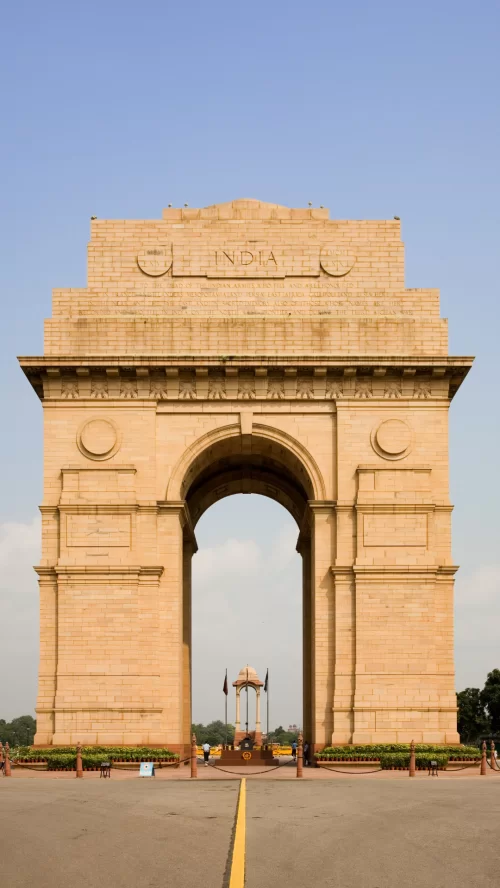
India Gate is a major war memorial located along Kartavya Path. It commemorates Indian soldiers who died during the First World War and related military campaigns.
The surrounding avenues are popular for walking and photography. Visitors can also explore the nearby National War Memorial, subject to security arrangements and designated access areas.
Jama Masjid is one of Delhi's important Mughal-era mosques. Its large courtyard, red sandstone construction and marble details make it a prominent historical and religious landmark.
The mosque is close to Chandni Chowk and Red Fort. Visitors should dress modestly and follow restrictions during prayer times.
Lotus Temple in the Kalkaji area is known for its distinctive flower-shaped architecture and peaceful prayer hall. It welcomes visitors from different religious backgrounds.
Silence is expected inside, and photography restrictions may apply. The temple normally remains closed on Mondays.
Swaminarayan Akshardham is a large cultural and spiritual complex known for detailed stone architecture, exhibitions and landscaped surroundings.
Visitors can admire the main monument and choose from available cultural experiences. Security arrangements are strict, and mobile phones, cameras and several electronic items are restricted inside. Allow several hours if planning to explore the exhibitions.
Gurudwara Bangla Sahib is an important Sikh place of worship near Connaught Place. It is known for its golden dome, sacred sarovar and community kitchen, where langar is served.
Visitors should cover their heads, remove their shoes and maintain respectful behaviour. Allow approximately 30 to 45 minutes for a short visit.
Lodhi Garden combines landscaped walking paths with historical structures associated with the Sayyid and Lodhi periods. It is popular with walkers, families and tourists interested in architecture.
Morning and late-afternoon visits are generally comfortable during cooler weather, provided air quality is suitable.
Chandni Chowk is one of Delhi's oldest commercial districts, known for jewellery, textiles, spices, traditional sweets and narrow market streets.
Walking is generally the best way to explore the area. Visitors can combine Chandni Chowk with Red Fort and Jama Masjid for a practical Old Delhi sightseeing route.
Sightseeing recommendation: First-time visitors should prioritise Red Fort, Qutub Minar, Humayun's Tomb, India Gate and one or two religious landmarks. Add museums, gardens and markets according to available time and personal interests.
Delhi's historical monuments are among its most popular sightseeing attractions. Several are protected by the Archaeological Survey of India, while others are maintained by different authorities. Entry fees often depend on nationality, age and ticketing method, and opening hours can change because of conservation work, security arrangements or special events.
Red Fort in Old Delhi is a UNESCO World Heritage Site known for its Mughal architecture and historical significance.
Visitors should allow additional time for security checks. Access can be restricted around Independence Day and other major events.
Qutub Minar is a UNESCO World Heritage Site in Mehrauli, containing important monuments associated with the Delhi Sultanate.
Visitors from eligible SAARC and BIMSTEC countries may qualify for the Indian-category ticket rate. Confirm the latest official tariff and entry cutoff before visiting.
Humayun's Tomb is a UNESCO World Heritage Site known for its monumental Mughal architecture and landscaped garden setting.
Allow sufficient time to explore the gardens and smaller historical structures. Entry fees and visitor arrangements should be checked before travelling.
Jantar Mantar is an eighteenth-century astronomical observatory near Connaught Place. Its large masonry instruments were constructed for astronomical observations and calculations.
Jantar Mantar is convenient to combine with Connaught Place and Gurudwara Bangla Sahib.
Safdarjung's Tomb is an eighteenth-century garden tomb known for its Mughal-style architecture, central mausoleum and landscaped surroundings.
The tomb can be combined with Lodhi Garden or other nearby South Delhi attractions.
Purana Qila, also called Old Fort, is an important historical complex associated with Delhi's medieval history. It contains imposing gateways and surviving structures of archaeological significance.
Conservation work and archaeological activity can affect access to individual sections.
Practical recommendation: Visit Red Fort and nearby Old Delhi attractions on the same day. Keep Qutub Minar, Humayun's Tomb and Safdarjung's Tomb for a separate South Delhi heritage route. This reduces unnecessary travel and allows more time to explore each monument.
Delhi has important Hindu temples, Sikh gurudwaras, mosques, churches and other religious landmarks. Many welcome visitors without charging a general entry fee, but each place has its own visiting hours, dress requirements, photography rules and restrictions during religious ceremonies. Travellers should distinguish between free access to a place of worship and separately ticketed cultural exhibitions or activities.
Swaminarayan Akshardham is a major cultural and spiritual attraction in East Delhi. The complex is known for its intricately carved mandir, exhibitions and evening water show.
Children below four years are admitted free to the listed ticketed experiences. The water show takes place after sunset, with its exact schedule subject to change. Mobile phones, cameras and various electronic items are prohibited inside the complex. Check current security instructions before arriving.
Lotus Temple is a Bahá'í House of Worship in Kalkaji, known for its flower-shaped architecture and peaceful prayer hall.
Visitors should wear modest clothing and maintain silence inside the prayer hall. Shoes must be removed before entering the hall. Photography is not permitted inside the prayer hall or Information Centre. The hall may close temporarily because of overcrowding or heavy rainfall.
Gurudwara Bangla Sahib is an important Sikh religious landmark near Connaught Place. It is recognised for its golden dome, sacred sarovar and community kitchen.
Visitors must cover their heads and remove their shoes before entering. Modest clothing and respectful behaviour are expected. Langar is served as part of the gurudwara's community service tradition.
Jama Masjid is one of Delhi's most important Mughal-era mosques, located close to Chandni Chowk.
Tourist access can be restricted during prayers, particularly Friday congregational worship. Visitors should dress modestly, follow footwear instructions and respect photography restrictions. Separate charges may apply to certain visitor services.
ISKCON Temple in East of Kailash is a prominent Hindu temple dedicated to Lord Krishna. The complex is known for devotional activities, religious programmes and temple architecture.
Visitors should confirm current darshan and aarti timings before travelling. Special festivals can attract large crowds and change normal visitor arrangements.
Kalkaji Temple is an important Hindu temple dedicated to Goddess Kali. It is located near Lotus Temple and attracts devotees throughout the year.
The temple can become extremely crowded during Navratri and other religious occasions. Visitors should follow queue arrangements and instructions from temple authorities.
Lakshmi Narayan Temple, commonly called Birla Mandir, is a well-known Hindu temple near Mandir Marg in Central Delhi.
Visitors should dress modestly and check current photography and personal-belonging restrictions before entering.
Travel recommendation: Combine Gurudwara Bangla Sahib with Connaught Place sightseeing, Lotus Temple with Kalkaji or South Delhi attractions, and Jama Masjid with Red Fort and Chandni Chowk. Akshardham is better planned as a separate extended visit when exhibitions are included.
Delhi offers several museums, gardens and family-friendly attractions that provide alternatives to historical monuments. Museums are especially useful during extreme summer heat or rainy weather, while gardens and outdoor spaces are enjoyable during cooler months. Families should consider walking distances, accessibility, available facilities and children's interests before selecting attractions.
The National Rail Museum in Chanakyapuri is one of Delhi's most popular family-friendly attractions. It displays historic locomotives, railway carriages, royal saloons and exhibits explaining the development of Indian Railways.
Selected train rides and interactive experiences require additional tickets and may be unavailable because of maintenance. Check the current operating status before promising a particular activity to children.
The National Museum in New Delhi houses collections relating to Indian history, archaeology, sculpture, decorative arts and cultural heritage.
Its published visitor information lists Tuesday to Friday opening hours of 10:00 AM to 6:00 PM and extended weekend hours of 10:00 AM to 8:00 PM, with Monday and gazetted holiday closures.
Published admission information lists ₹20 for adult Indian visitors and ₹500 for foreign visitors, with free entry for eligible school students carrying identification. However, visitors should confirm current museum operations, gallery access and ticket arrangements before travelling.
The National Crafts Museum near Pragati Maidan introduces visitors to India's craft traditions, textiles, folk art and regional artistic practices.
It is suitable for families, students and travellers interested in cultural heritage. Exhibitions, demonstrations and gallery access can change, so check current opening hours and admission arrangements before visiting.
The National Gallery of Modern Art near India Gate is an important destination for visitors interested in Indian modern and contemporary art.
The museum hosts permanent collections and changing exhibitions. Allow approximately one to two hours depending on your interest in art. Check current gallery access, opening days and ticket prices before travelling.
Gandhi Smriti is associated with Mahatma Gandhi's final days and contains exhibitions about his life, principles and historical significance.
The memorial is suitable for visitors interested in India's independence movement and modern history. Confirm current opening arrangements and available exhibits before visiting.
Lodhi Garden is a landscaped public garden containing tombs and architectural structures associated with the Sayyid and Lodhi periods.
The garden is suitable for relaxed walking and photography. Morning and late-afternoon visits are generally preferable during warmer months.
Sunder Nursery near Humayun's Tomb combines landscaped gardens, restored historical structures, walking paths and water features.
It is a good option for families and travellers who want a quieter outdoor experience. Entry charges and seasonal visiting hours apply, so confirm current arrangements before travelling.
Allow approximately one to two hours, depending on whether you want a short walk or a more relaxed visit.
The Garden of Five Senses near Said-ul-Ajaib is a landscaped attraction featuring garden areas, sculptures and outdoor spaces.
It is suitable for visitors who enjoy gardens and photography. Entry charges and designated visiting hours apply. Summer afternoons can be uncomfortable because much of the attraction is outdoors.
The National Zoological Park near Purana Qila is a popular family attraction. It has extensive grounds and designated areas for viewing animals.
Visitor access, operating hours and ticketing arrangements can change because of maintenance, animal-health precautions or administrative decisions. Confirm that the zoo is open before travelling.
Visitors should follow animal welfare rules, avoid feeding animals and use designated pathways.
Family sightseeing tip: Choose one museum and one nearby outdoor attraction rather than attempting to visit several large complexes in a single day. Confirm washrooms, accessibility and available visitor facilities when travelling with young children or senior citizens.
Delhi sightseeing entry fees and opening hours differ between historical monuments, religious places, museums and public landmarks. Some attractions offer free general entry, while others charge separate rates for Indian and foreign visitors. Ticket prices, last-entry times and weekly closures can also change, so the following information should be treated as a practical planning reference rather than a guarantee of admission.
A monument's closing time is not necessarily its final admission time. Some attractions stop selling tickets or admitting visitors before the premises close. Others have separate schedules for prayer halls, exhibitions, museums or cultural shows.
For example, the National Rail Museum closes at 5:00 PM but lists its final admission at 4:30 PM. Akshardham has different schedules for entering the complex, mandir darshan, exhibitions and the water show.
Visitor recommendation: Confirm the details of your first and last paid attraction each day before leaving the hotel. This is particularly important for travellers with limited sightseeing time or those planning visits around weekly closures.
A practical Delhi sightseeing itinerary should group nearby attractions and allow enough time for transport, security checks, meals and walking. The number of places you can comfortably visit depends on your starting location, travel season and interests. One day is suitable for selected highlights, while two or three days provide more opportunities to explore Delhi's historical monuments, museums, markets and cultural attractions.
This route is suitable for first-time visitors who want to experience Delhi's Mughal heritage, traditional markets and important Central Delhi landmarks.
This is a full sightseeing day. Travellers who prefer a relaxed schedule should skip one attraction rather than rushing through every stop.
Two days are generally sufficient to explore several of Delhi's principal attractions without spending the entire trip travelling between distant neighbourhoods.
Day 2 involves longer road transfers. A private cab or a combination of metro and local transport may be useful.
Three days allow travellers to include museums, gardens and shopping without making every sightseeing day overly crowded.
Travellers interested in Akshardham should dedicate a separate half-day to the complex and replace other attractions rather than adding it to an already full schedule.
Families may prefer a combination of the National Rail Museum, India Gate and a garden or cultural attraction. Choose fewer stops and allow regular rest breaks.
When visiting historical monuments, consider walking distances, uneven surfaces and the availability of washrooms or accessible facilities.
Visitors primarily interested in architecture can focus on Red Fort and Old Delhi on one day, followed by Qutub Minar, Humayun's Tomb and Safdarjung's Tomb on another.
Allow enough time to explore the monuments rather than treating them as brief photography stops.
Itinerary recommendation: A two-day Delhi trip is suitable for major highlights, while three days provide a more comfortable experience for travellers interested in museums, gardens, shopping and local culture.
Delhi's major tourist attractions can be reached using the Delhi Metro, app-based cabs, auto-rickshaws and private sightseeing vehicles. The metro is useful for avoiding traffic on well-connected routes, although some monuments require additional walking or a short road transfer from the nearest station. Choosing transport according to the attraction's location helps reduce travel time and expenses.
Lal Qila Metro Station on the Violet Line is convenient for Red Fort. Visitors can walk towards the monument entrance using designated pedestrian routes.
Red Fort can be combined with Jama Masjid and Chandni Chowk, making walking and metro travel more practical than repeatedly using a private vehicle through crowded Old Delhi streets.
Jama Masjid Metro Station on the Violet Line provides convenient access to the mosque and surrounding Old Delhi streets.
The area can become crowded, especially during religious occasions and market hours. Walking is often easier than travelling through nearby lanes by car.
Chandni Chowk Metro Station on the Yellow Line is useful for exploring traditional shopping streets and reaching Old Delhi Railway Station.
Visitors can also use Lal Qila or Jama Masjid Metro Station depending on the market lanes they want to explore.
Qutab Minar Metro Station on the Yellow Line is a convenient option for reaching the Qutub complex. However, the monument is not directly beside the station.
Visitors generally need an additional auto-rickshaw, cab or other local transport connection to reach the entrance.
Humayun's Tomb is located in the Nizamuddin area. Travellers can use a suitable metro connection towards the surrounding neighbourhoods and complete the remaining distance by cab or auto-rickshaw.
The nearest practical station depends on the metro line used and the available onward route. A direct cab may be more convenient for families or visitors with limited mobility.
India Gate can be approached from Central Secretariat, Khan Market and other Central Delhi metro stations, although additional walking or a road transfer is generally required.
For the nearby National War Memorial, official visitor information identifies Khan Market and Janpath among the metro access options.
Vehicle drop-off points and pedestrian routes may change because of security arrangements or public events.
Kalkaji Mandir and Okhla NSIC Metro Stations provide convenient access to Lotus Temple. Both are served by metro routes connecting different parts of South Delhi.
Visitors can complete the final section on foot using designated routes. Allow extra time for security checks and walking through the temple grounds.
Akshardham Metro Station on the Blue Line is convenient for Swaminarayan Akshardham.
Visitors should follow designated pedestrian access routes and allow additional time for security procedures. Large bags and restricted electronic items can complicate entry arrangements.
Shivaji Stadium on the Airport Express Line and Patel Chowk on the Yellow Line are useful access points for Gurudwara Bangla Sahib.
Visitors can walk or use a short local transport connection depending on their starting station and mobility requirements.
The National Rail Museum is located in Chanakyapuri. It is not directly beside a metro station, so visitors generally need a cab, auto-rickshaw or another road connection for the final journey.
A private vehicle may be more convenient for families with children, particularly when combining the museum with other attractions.
Rajiv Chowk Metro Station is convenient for Connaught Place, while Patel Chowk is useful for Jantar Mantar and nearby Central Delhi attractions.
Visitors can explore selected areas on foot, although road crossings and traffic conditions should be considered.
Recommended approach: Explore Old Delhi using metro and walking routes, Central Delhi using a combination of metro and short transfers, and South Delhi using metro connections or a private cab depending on the number of attractions planned.
The best time for Delhi sightseeing depends on seasonal weather, air quality, monument opening hours and personal travel preferences. February and early March are often comfortable for outdoor sightseeing, while summer heat, monsoon rainfall and winter pollution can affect the experience. Travellers should also consider ticket availability, transport expenses and weekly closures before planning their visit.
Morning is generally preferable for outdoor monuments such as Red Fort, Qutub Minar and Humayun's Tomb, especially during warmer months.
Late afternoon can also be pleasant when the weather is suitable, but visitors must consider the monument's last-entry time. Avoid arriving shortly before closing if you want to explore a large complex.
Protected monuments generally have official ticketing arrangements that may include online booking and ticket counters. Online and counter rates can differ, and some attractions offer separate categories for Indian visitors, foreign visitors and eligible children.
Transport expenses depend on the number of attractions visited, distance between neighbourhoods and whether you use public transport or private vehicles.
For a rough planning allowance, a tourist relying mainly on metro services might set aside ₹100–₹250 per day for multiple journeys, with additional funds for last-mile transport. Actual fares should be checked before travelling.
These are broad estimates rather than fixed prices. Dining costs depend on the establishment, portion size and individual preferences.
For a budget-conscious domestic traveller using public transport, economical meals and selected paid attractions, approximately ₹800–₹1,800 per person per sightseeing day may be a useful planning range, excluding accommodation and travel to Delhi.
Visitors using private cabs, guided tours and premium restaurants should expect higher expenses. Families and groups may be able to share transport costs.
Final travel recommendation: Delhi offers a rewarding combination of historical monuments, religious landmarks, museums, gardens and cultural experiences. By checking current entry fees and timings, organising attractions geographically and allowing enough time for transport, visitors can enjoy a more comfortable and well-planned sightseeing trip.


Get customized Delhi tour planning designed around traffic flow, seasonal weather comfort, heritage site exploration time, and realistic city pacing. Whether you are visiting for historical monuments, cultural experiences, food walks, shopping districts,
⚡ Quick Response | 💰 Free consultation | 🕒 24×7 expert support

