



Best Street Food in Chandni Chowk – What and Where to Eat
Discover Chandni Chowk's famous street food, from traditional parathas and chaat to sweets and savoury snacks, with guidance on food lanes, local specialities and hygiene.
+91 9910402252
admin@chalbanjare.com


Plan your winter trip to Delhi with information on seasonal temperatures, fog, air quality, popular sightseeing attractions, outdoor activities and essential travel preparations.
Winter in Delhi generally extends from November to February, bringing cooler days, chilly mornings, occasional cold waves and seasonal fog. This is a popular period for tourism because temperatures are much more comfortable than during Delhi's extremely hot summer months. However, winter also brings important challenges, particularly poor air quality and reduced visibility.
For travellers planning a Delhi winter trip, February is often one of the most comfortable months for outdoor sightseeing. December and January offer a stronger winter atmosphere, while November can have pleasant temperatures but significant air pollution.
Delhi's winter temperatures vary considerably between November and February. November generally has comfortable afternoons, while December and January are noticeably colder.
These figures are rounded long-term monthly averages. Actual temperatures can be considerably lower during cold waves or higher during unusually warm periods.
November marks the transition from autumn to winter. Days are usually mild to warm, while mornings and evenings gradually become cooler.
Rainfall is generally limited, making outdoor travel convenient from a temperature perspective. However, air pollution can become a serious concern.
Travel advice: Carry a light jacket and check the daily Air Quality Index before planning extended outdoor sightseeing.
December brings cooler daytime weather and colder nights. Sunny afternoons can be pleasant for exploring monuments, but early mornings may feel chilly.
Fog becomes more likely as the month progresses, particularly during overnight and early-morning hours.
Travel advice: Carry warm layers and allow flexibility for fog-related transport delays.
January is generally Delhi's coldest month. Cold waves can bring minimum temperatures significantly below the monthly average, and dense fog may affect roads, trains and flights.
Even when afternoons are comfortable, mornings and evenings can remain cold.
Travel advice: Plan outdoor sightseeing for suitable daylight hours and check transport status before departure.
February usually brings gradually warmer days and less frequent fog than January. Mornings and evenings can remain cool, but daytime weather is often comfortable for heritage walks, gardens and markets.
Travel advice: Carry a light jacket and monitor air quality, particularly before long outdoor activities.
Delhi does not normally receive snowfall. Winter weather consists of cold temperatures, fog, occasional rain and cold waves rather than snow.
Travellers interested in snowfall need to plan a separate trip to suitable Himalayan destinations, where snow conditions depend on elevation, location and current weather.
Fog is most common during December and January, particularly overnight and in the early morning. Dense fog can significantly reduce visibility and disrupt transport.
Delhi can experience serious air pollution during late autumn and winter. Weather conditions such as low wind speeds and atmospheric stability can allow pollutants to accumulate near the ground.
Smog may reduce visibility and make prolonged outdoor activity unsuitable, particularly for children, older adults and people with respiratory or cardiovascular conditions.
Winter is generally more comfortable than summer for sightseeing because daytime temperatures are lower. However, comfortable temperatures do not guarantee good visibility or healthy air quality.
February is often the most convenient winter month for outdoor activities, while December and January require additional planning for fog and cold weather.
Late morning to afternoon is generally more comfortable than early morning or late evening during the coldest months.
However, pollution can remain high throughout the day, so visitors should check actual air quality rather than assuming warmer afternoon weather means cleaner air.
Delhi can experience occasional winter rainfall associated with western disturbances. These weather systems may bring cloud cover, light to moderate rain and changes in temperature.
Travel advice: Carry a compact umbrella when rain is forecast and check outdoor attraction conditions.
Delhi's winter weather can be pleasant for sightseeing, especially in February, but visitors should prepare for cold mornings, fog and air pollution. Flexible travel plans and daily weather checks are essential for a comfortable winter trip.
The best winter month to visit Delhi depends on your preference for cool weather, outdoor sightseeing, festivals and local experiences. November offers mild afternoons, December and January bring colder conditions, and February is generally more comfortable for longer sightseeing days.
Winter temperatures alone should not determine your travel dates. Delhi can experience significant air pollution from November through January, while dense fog may affect transport during December and January. February is often a more practical choice for travellers who want to explore the city on foot.
November brings cooler mornings and evenings, with average daytime maximum temperatures around 28°C. Rainfall is generally limited.
Best for: Shopping, cultural attractions and outdoor sightseeing when air quality permits.
Main concern: Air pollution can be very poor or severe.
Clothing: Comfortable daytime clothes and a light jacket.
December is noticeably colder, with average temperatures around 8°C to 23°C. Early mornings and evenings can feel chilly, and fog becomes increasingly common.
Best for: Afternoon heritage sightseeing, winter food, museums and shopping.
Main concerns: Fog, cold mornings and poor air quality.
Clothing: Warm jacket, sweater and closed footwear.
January generally has the lowest average temperatures of the year, with daytime maximums near 20°C and nighttime minimums around 8°C.
Cold waves may bring much lower temperatures, and dense fog can disrupt flights, trains and road travel.
Best for: Winter cultural experiences, indoor attractions and selected afternoon sightseeing.
Main concerns: Dense fog, cold waves and air pollution.
Clothing: Warm layers, coat, scarf and comfortable winter shoes.
February generally has milder afternoons, with average temperatures around 10°C to 24°C. Fog becomes less frequent as the season progresses, although occasional fog and pollution episodes remain possible.
Best for: Historical monuments, gardens, heritage walks, shopping and outdoor photography.
Main concern: Variable air quality and occasional cool mornings.
Clothing: Light jacket and comfortable walking clothes.
February is generally the most convenient winter month for first-time visitors because daytime temperatures are comfortable for exploring major attractions.
Travellers who want a stronger winter atmosphere may prefer December or January, provided they are prepared for fog and pollution.
February is usually a good choice for families because outdoor sightseeing is more manageable than during the coldest winter mornings.
However, parents should still monitor air quality and choose indoor alternatives during unhealthy conditions.
February is particularly suitable for couples interested in gardens, heritage walks and outdoor photography.
December and January can also offer enjoyable winter dining and cultural experiences, although outdoor plans should remain flexible.
February is often preferable for senior citizens because temperatures are generally milder and fog is less frequent than during January.
Travellers with respiratory or cardiovascular conditions should consider air quality carefully and follow individual medical advice.
February generally provides more comfortable conditions for outdoor photography, while December and January may bring foggy scenes and reduced visibility.
Travel tip: Check both visibility and AQI before scheduling sunrise or sunset photography.
For most travellers, February is the best month to visit Delhi during winter. December and January remain popular for winter experiences, but require greater flexibility for fog, cold weather and air quality.
Delhi has numerous historical monuments, gardens, religious sites, museums and markets that can be explored during winter. Cooler daytime temperatures often make outdoor attractions more comfortable than in summer, although fog and air pollution may affect the experience.
The best approach is to combine outdoor sightseeing with indoor attractions. This allows visitors to adjust their plans according to daily weather and air quality conditions.
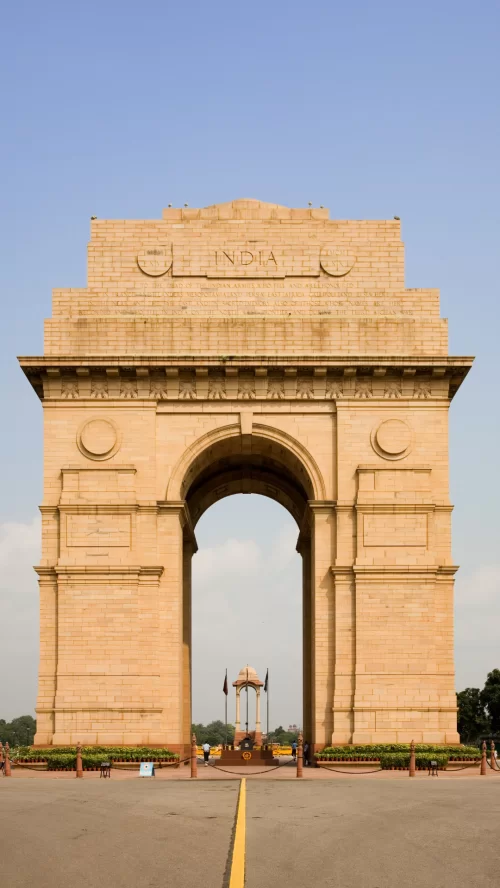
India Gate is one of Delhi's most recognisable landmarks. The surrounding Kartavya Path area offers broad avenues and views of important national buildings.
Why visit in winter: Comfortable daytime temperatures can make walking more pleasant.
Best time: Late morning or afternoon when weather and air quality permit.
Travel tip: Access restrictions may apply around Republic Day preparations and official events.
The Red Fort is a UNESCO World Heritage Site and one of Old Delhi's most important Mughal monuments.
Why visit in winter: Cooler temperatures make walking through the fort complex more manageable.
Nearby attractions: Chandni Chowk and Jama Masjid.
Nearest Metro: Lal Qila on the Violet Line.
Travel tip: Check current opening days, entry arrangements and security restrictions before visiting.
Qutub Minar is a UNESCO World Heritage Site in Mehrauli, known for its historic minaret and surrounding archaeological complex.
Why visit in winter: Mild afternoons are suitable for exploring the outdoor complex.
Nearest Metro: Qutab Minar on the Yellow Line, followed by a local journey.
Travel tip: Allow approximately 1 to 2 hours for a comfortable visit.
Humayun's Tomb is a major Mughal garden-tomb complex and UNESCO World Heritage Site.
Why visit in winter: Comfortable weather makes exploring the pathways and gardens more enjoyable.
Nearby attraction: Sunder Nursery.
Travel tip: Visit during daylight hours with suitable visibility and air quality.
Lodhi Garden combines landscaped green spaces with historic tombs and monuments.
Why visit in winter: Mild daytime weather can be suitable for walking, photography and relaxing outdoors.
Best for: Couples, families and nature lovers.
Travel tip: Avoid extended outdoor exercise during high pollution levels.
Sunder Nursery is a landscaped heritage park near Humayun's Tomb, featuring gardens, restored monuments and walking paths.
Why visit in winter: Pleasant afternoons are suitable for exploring its green spaces.
Best for: Families, couples and photography enthusiasts.
Travel tip: Check current entry charges and operating hours.
Swaminarayan Akshardham is a major cultural and religious complex known for its architecture and exhibitions.
Why visit in winter: Cooler weather can make exploring the grounds more comfortable.
Nearest Metro: Akshardham on the Blue Line.
Travel tip: Check current entry rules, permitted belongings and exhibition schedules before visiting.
The Lotus Temple is a Bahá'í House of Worship recognised for its distinctive lotus-shaped architecture and peaceful surroundings.
Why visit in winter: Comfortable daytime weather is suitable for exploring the grounds.
Nearest Metro: Kalkaji Mandir on the Violet and Magenta Lines.
Travel tip: Check the current visiting schedule and weekly closure.
Jama Masjid is one of Delhi's most important historic mosques, located in Old Delhi.
Why visit in winter: Cooler temperatures can make exploring the surrounding historic neighbourhood more comfortable.
Nearby attractions: Matia Mahal and Chandni Chowk.
Nearest Metro: Jama Masjid on the Violet Line.
Travel tip: Dress respectfully and follow visitor arrangements around prayer times.
Chandni Chowk is a historic market area famous for traditional shopping, food and Old Delhi's bustling atmosphere.
Why visit in winter: Cooler weather makes walking through market lanes more manageable.
Must-try foods: Dahi bhalla, kachori, stuffed parathas and jalebi.
Nearest Metro: Chandni Chowk on the Yellow Line.
Connaught Place is a central Delhi commercial district known for restaurants, cafes, shops and historic architecture.
Why visit in winter: Suitable for shopping, dining and relaxed evening outings.
Nearest Metro: Rajiv Chowk on the Blue and Yellow Lines.
Travel tip: Indoor cafes and restaurants provide alternatives when outdoor conditions are poor.
Dilli Haat near INA is a cultural shopping complex featuring handicrafts and regional Indian food stalls.
Why visit in winter: Cooler daytime weather can make browsing outdoor stalls more comfortable.
Nearest Metro: Dilli Haat–INA on the Yellow and Pink Lines.
Travel tip: Check current entry charges and event schedules.
Gurudwara Bangla Sahib is an important Sikh place of worship in central Delhi, known for its religious significance and community kitchen.
Why visit in winter: Suitable for a peaceful cultural and spiritual experience.
Travel tip: Cover your head, remove footwear where required and follow religious customs.
The National War Memorial near India Gate honours members of India's armed forces who lost their lives in service.
Why visit in winter: Comfortable daytime temperatures can make the outdoor memorial easier to explore.
Travel tip: Check current access arrangements, particularly around Republic Day.
Museums are particularly useful during cold mornings, foggy conditions or episodes of severe air pollution.
Travel tip: Confirm current opening hours and exhibition availability before travelling.
Delhi's winter attractions offer a mixture of heritage, gardens, shopping and cultural experiences. For the most comfortable visit, prioritise outdoor monuments on days with acceptable air quality and keep museums or indoor attractions available as alternatives.
Winter is a popular season for exploring Delhi's historic neighbourhoods, gardens, shopping markets and food streets. The cooler weather can make walking tours more enjoyable, especially during February and on clear winter afternoons.
However, Delhi's winter air quality can be poor or severe, and dense fog may affect visibility. Outdoor experiences should be planned according to current conditions rather than temperature alone.
Explore the historic streets around Chandni Chowk, the Red Fort and Jama Masjid to experience traditional architecture, markets and local culture.
Best for: History enthusiasts, photographers and first-time visitors.
Suggested duration: 2 to 4 hours, depending on the route.
Travel tip: Choose a shorter route during crowded or heavily polluted conditions.
Visit major Mughal-era attractions such as Humayun's Tomb and the Red Fort to understand Delhi's architectural heritage.
Best for: Heritage tourism and cultural photography.
Travel tip: Plan visits during comfortable daylight hours.
Lodhi Garden offers landscaped lawns, historic tombs and walking paths.
Best for: Couples, families and travellers interested in outdoor relaxation.
Travel tip: Avoid strenuous outdoor activity when AQI levels are unhealthy.
Sunder Nursery is a popular destination for heritage gardens, nature walks and photography.
Best for: Families, couples and garden enthusiasts.
Travel tip: Check entry charges and current visiting hours.
Chandni Chowk is known for textiles, jewellery, wedding shopping, spices and traditional street food.
Best for: Shopping, local culture and food exploration.
Travel tip: Wear comfortable shoes and keep belongings secure in crowded lanes.
Winter is a popular time for sampling hot kachori, parathas, jalebi and other traditional snacks.
Suggested area: Chandni Chowk and nearby food lanes.
Best for: Vegetarian street food and traditional sweets.
Travel tip: Choose hygienic establishments and share small portions.
Explore Matia Mahal and Gali Kababian for kebabs, meat curries, traditional breads and desserts.
Best for: Non-vegetarian food lovers.
Travel tip: Check individual restaurant timings and choose freshly cooked food.
Dilli Haat near INA combines regional handicrafts with food stalls representing different Indian cuisines.
Best for: Souvenirs, regional food and cultural shopping.
Travel tip: Check the current entry fee and event programme.
Connaught Place offers cafes, restaurants, shops and a lively central Delhi atmosphere.
Best for: Couples, families and casual evening outings.
Travel tip: Indoor restaurants are useful alternatives during cold or polluted evenings.
India Gate and Kartavya Path are major central Delhi landmarks associated with the country's national history.
Best for: Short heritage visits and photography.
Travel tip: Check for security restrictions during Republic Day preparations.
Winter is a good time to explore museums, particularly on days when fog or pollution makes outdoor sightseeing uncomfortable.
Suggested attractions: National Gallery of Modern Art, National Crafts Museum and National Rail Museum.
Travel tip: Confirm current operations and weekly closures.
Delhi has important religious sites representing different faiths and architectural traditions.
Suggested attractions: Gurudwara Bangla Sahib, Lotus Temple, Akshardham and Jama Masjid.
Travel tip: Respect dress codes, prayer times and visitor restrictions.
Outdoor market visits are most comfortable when temperatures are mild and air quality is acceptable.
Delhi's monuments and gardens provide excellent photography opportunities on clear winter days.
Suggested locations: Humayun's Tomb, Qutub Minar, Sunder Nursery and Lodhi Garden.
Travel tip: Fog and smog can reduce visibility, so check conditions before planning early-morning photography.
Delhi hosts cultural programmes, exhibitions, theatre performances and seasonal events at different venues.
Best for: Travellers interested in art, music, theatre and local culture.
Travel tip: Confirm event dates, ticket arrangements and venue schedules.
Winter is associated with seasonal sweets, hot snacks and rich traditional meals.
Foods to try: Gajar ka halwa, sarson ka saag, makki ki roti, jalebi, kachori and seasonal daulat ki chaat.
Travel tip: Choose freshly prepared food and check dairy storage conditions.
Delhi offers a wide range of winter activities, from historic walks and food trails to cultural events and shopping. February is often particularly convenient for outdoor experiences, while December and January require greater attention to fog, cold weather and air pollution.
Winter is one of the most popular seasons for enjoying Delhi's traditional food. Hot snacks, rich North Indian meals, Mughlai dishes and seasonal sweets are particularly appealing during cooler weather. Historic food markets such as Chandni Chowk and Jama Masjid offer some of the city's most recognisable culinary experiences.
Delhi's winter food culture includes dishes available throughout the year as well as seasonal specialities such as gajar ka halwa and daulat ki chaat. Availability varies between vendors, and travellers should check food hygiene and air quality before planning long outdoor food walks.
Daulat ki chaat is a delicate milk-based dessert traditionally associated with Old Delhi's colder months. It has a light, airy texture and is often served with sweet toppings.
Where to try: Seasonal vendors in Chandni Chowk and nearby Old Delhi lanes.
Best season: Winter, depending on weather and vendor availability.
Food tip: Choose vendors who handle dairy ingredients hygienically.
Gajar ka halwa is a traditional dessert prepared using carrots, milk, sugar and ghee, often garnished with nuts.
Where to try: Traditional sweet shops and North Indian restaurants.
Best for: Travellers interested in seasonal Indian desserts.
Food tip: Ask about nuts and dairy if you have allergies.
Sarson ka saag and makki ki roti are traditional Punjabi winter dishes. The meal commonly includes mustard greens, maize flour flatbread and accompaniments such as butter or jaggery.
Where to try: Punjabi and North Indian restaurants offering seasonal menus.
Best for: A filling winter lunch or dinner.
Freshly fried jalebi is one of Old Delhi's best-known sweets. It is available throughout much of the year but is particularly enjoyable during cool weather.
Famous food spot: Old Famous Jalebi Wala near Dariba Kalan.
Food tip: Eat jalebi soon after preparation for the best texture.
Kachori served with spicy potato curry is a popular North Indian breakfast and snack.
Where to try: Chandni Chowk and established traditional snack shops.
Food tip: Ask about spice levels before ordering.
Bedmi puri with potato curry is a traditional breakfast associated with Old Delhi.
Where to try: Established breakfast shops around Chawri Bazar and Old Delhi.
Best time: Morning, depending on the establishment.
Food tip: Some breakfast specialities sell out early.
Paranthe Wali Gali is famous for traditional vegetarian stuffed parathas served with chutneys, pickles and other accompaniments.
Popular varieties: Aloo, gobhi, paneer and available speciality fillings.
Best for: A filling vegetarian meal during a winter food walk.
Dahi bhalla and aloo tikki are among Delhi's most recognisable chaat dishes.
Famous food spot: Natraj Dahi Bhalle Wala in Chandni Chowk.
Food tip: Choose freshly prepared servings and check the hygiene of chutneys and dairy ingredients.
Nihari is a richly spiced meat stew traditionally associated with breakfast in Old Delhi.
Where to try: Established nihari specialists around Old Delhi and the Jama Masjid area.
Best paired with: Khameeri roti.
Food tip: Some outlets prepare limited batches that may sell out early.
The Jama Masjid and Matia Mahal food district is famous for kebabs, rich meat curries and traditional breads.
Popular dishes: Seekh kebabs, mutton korma, chicken Changezi and roomali roti.
Famous food spots: Karim's, Al Jawahar and established kebab counters.
Food tip: Choose freshly cooked meat dishes.
Rabri falooda combines a rich milk-based preparation with falooda ingredients and sweet accompaniments.
Where to try: Traditional dessert establishments around Fatehpuri and Chandni Chowk.
Food tip: Choose outlets maintaining appropriate dairy storage.
Moong dal halwa is a rich dessert made with lentils, ghee and sugar, often served at celebrations and traditional sweet shops.
Where to try: Established mithai shops and North Indian restaurants.
Best for: Visitors who enjoy warm traditional desserts.
Roasted peanuts and shakarkandi, or sweet potato chaat, are familiar winter snacks sold by seasonal vendors in parts of Delhi.
Where to try: Seasonal snack sellers around markets and public areas where vending is permitted.
Food tip: Choose freshly prepared food and avoid uncovered ingredients exposed to contamination.
Suggested duration: Approximately 3 to 4 hours, depending on queues and walking pace.
Delhi's winter food experience is particularly memorable because of its hot snacks, traditional breakfasts, Mughlai meals and seasonal desserts. Chandni Chowk and Jama Masjid are excellent starting points, while Connaught Place and other markets offer additional dining options.
Winter in Delhi is associated with national celebrations, cultural programmes, seasonal exhibitions, handicraft fairs and public events. November to February can be an interesting period for travellers who want to combine sightseeing with cultural experiences.
However, event schedules vary each year. Some festivals follow lunar calendars, while exhibitions and public programmes depend on announcements from organisers. Visitors should confirm current dates, ticket arrangements and venue access before travelling.
Republic Day is celebrated across India on 26 January. Delhi hosts the national Republic Day parade along Kartavya Path, featuring ceremonial performances, military contingents and cultural tableaux.
Best for: Visitors interested in national celebrations and cultural traditions.
Travel considerations: Security restrictions, traffic diversions and limited access may affect parts of central Delhi.
Visitor tip: Check official ticket arrangements and security instructions in advance.
Preparations for the Republic Day parade take place during January and can affect access to central Delhi roads and attractions.
Travel advice: Check traffic advisories and allow extra time for travel around Kartavya Path and nearby areas.
Bharat Parv is a cultural event that has been organised in Delhi around the Republic Day period, featuring regional food, handicrafts, performances and other activities.
Best for: Regional Indian food, handicrafts and cultural experiences.
Travel tip: Confirm whether the event is scheduled for your travel year and check the announced venue and dates.
Lohri is celebrated in January, particularly among Punjabi communities. The festival is associated with traditional songs, gatherings, bonfires and seasonal foods.
Best for: Travellers interested in North Indian winter traditions.
Travel tip: Public celebrations are not guaranteed at every location. Attend organised events where appropriate.
Makar Sankranti is celebrated in January and marks an important seasonal transition in the Hindu calendar.
Traditional foods and community celebrations vary between regions and households.
Best for: Cultural interest and seasonal food traditions.
Christmas is celebrated on 25 December, with church services, decorations and festive activities at selected venues.
Best for: Families and travellers interested in seasonal celebrations.
Travel tip: Respect religious services and confirm visitor access arrangements.
Restaurants, hotels and entertainment venues may organise New Year celebrations on 31 December.
Best for: Couples, groups of friends and visitors interested in festive dining.
Travel considerations: Popular venues may require advance reservations, and traffic or security restrictions can affect travel.
Delhi hosts theatre performances, music programmes, art exhibitions and cultural events throughout winter.
Suggested areas: Mandi House, cultural centres, galleries and established performance venues.
Best for: Art, music and theatre enthusiasts.
Travel tip: Check the current programme and ticket availability.
Handicraft exhibitions and shopping events may take place at cultural venues and exhibition grounds during winter.
Best for: Traditional crafts, textiles, regional products and souvenirs.
Travel tip: Verify event dates and whether admission is ticketed.
Dilli Haat near INA offers regional handicrafts and food throughout the year, with additional cultural programmes or special events on selected dates.
Best for: Regional cuisine, handicrafts and cultural shopping.
Travel tip: Check the current event calendar and entry arrangements.
February is a popular period for garden visits because temperatures are generally mild and seasonal flowers may be in bloom.
Suggested attractions: Lodhi Garden, Sunder Nursery and other public green spaces.
Travel tip: Check air quality before planning long outdoor visits.
Amrit Udyan at Rashtrapati Bhavan has opened for public visits during announced seasonal periods, often including late winter or spring.
Best for: Garden enthusiasts and families.
Travel tip: Public opening dates, entry arrangements and security rules must be checked for the relevant year.
Winter is a popular season for exploring Delhi's shopping districts because daytime temperatures are generally lower than in summer.
Winter is associated with dishes such as gajar ka halwa, daulat ki chaat, sarson ka saag and makki ki roti.
Best for: Travellers interested in seasonal North Indian food.
Travel tip: Check whether specific dishes are available before visiting a restaurant.
Delhi's winter cultural calendar offers opportunities to experience national celebrations, regional food, handicrafts and seasonal events. Republic Day is a major January highlight, while December and February offer different festive and cultural experiences. Always confirm event arrangements before finalising travel plans.
A winter sightseeing itinerary in Delhi should account for shorter daylight hours, cold mornings, possible fog and changing air quality. The most practical approach is to group nearby attractions together and avoid spending unnecessary time travelling across the city.
For first-time visitors, a one-day itinerary can cover selected highlights of Old Delhi and central Delhi. A two-day trip allows more time for South Delhi's monuments, gardens and cultural attractions.
Suggested route: Red Fort – Chandni Chowk – Jama Masjid – India Gate – Connaught Place.
Recommended duration: Approximately 8 to 10 hours, including travel and breaks.
Best for: First-time visitors with limited time.
Travel advice: Start after dense morning fog has cleared when possible, and adjust outdoor activities according to AQI.
Begin the day with a visit to the Red Fort, one of Delhi's most important historical monuments.
Suggested duration: 1.5 to 2 hours.
Travel tip: Check opening days, entry arrangements and current visiting hours. The Red Fort is generally closed on Mondays.
Continue towards Chandni Chowk to experience Old Delhi's traditional markets and historic streets.
Things to do: Explore market lanes, traditional sweet shops and local food establishments.
Suggested duration: 1 to 1.5 hours.
Travel tip: Wear comfortable walking shoes and keep belongings secure.
Visit the Jama Masjid area and explore traditional food options around Matia Mahal.
Food options: Mughlai curries, kebabs, traditional breads and vegetarian alternatives in the wider Old Delhi area.
Suggested duration: Approximately 1 hour.
Travel tip: Respect prayer times and religious customs.
Travel to central Delhi for a short visit to India Gate and Kartavya Path.
Suggested duration: 45 minutes to 1 hour.
Travel tip: Check for security restrictions, particularly during Republic Day preparations.
Finish the day with shopping, coffee or dinner in Connaught Place.
Things to do: Explore the Inner Circle, visit cafes and enjoy a relaxed meal.
Nearest Metro: Rajiv Chowk on the Blue and Yellow Lines.
Day 1: Old Delhi and central Delhi.
Day 2: South Delhi heritage, gardens and cultural attractions.
Best for: Families, couples and first-time visitors who want a more comfortable pace.
Travel advice: Allow additional time for crowds and local transport.
Travel advice: Avoid overloading the day with distant attractions.
Suggested route: Humayun's Tomb – Sunder Nursery – Museum or Indoor Attraction – Connaught Place.
Best for: Families with children and travellers who prefer fewer stops.
Suggested route: Lodhi Garden – Humayun's Tomb – Sunder Nursery – Connaught Place.
Travel advice: Avoid long outdoor walks during unhealthy air quality conditions.
Suggested route: Red Fort – Jama Masjid – Humayun's Tomb – Qutub Minar.
This route covers major historical attractions but involves travel across different parts of Delhi.
Travel advice: It is more comfortable to divide these attractions across two days rather than attempting a rushed one-day visit.
When AQI levels are unhealthy, visitors should reduce outdoor exposure and focus on suitable indoor attractions.
Travel advice: Minimise unnecessary outdoor travel and follow public health advisories.
Late morning is generally more comfortable during December and January because temperatures are higher than in the early morning.
However, fog may persist on some days, and air pollution can remain unhealthy throughout the day.
Travel tip: Adjust departure time according to actual weather and visibility.
Costs depend on transport, accommodation, attraction tickets, dining choices and the number of travellers.
Check current entry charges and transport fares before calculating the final budget.
A one-day Delhi winter itinerary is suitable for exploring selected highlights of Old Delhi and central Delhi. A two-day itinerary allows a more comfortable combination of historical monuments, gardens, shopping and cultural attractions. February generally offers the most convenient winter conditions for following these routes.
Packing for Delhi in winter requires preparation for chilly mornings, cool evenings, occasional cold waves, fog and air pollution. Although afternoons can be pleasant, temperatures may change significantly throughout the day, particularly during December and January.
Visitors should carry suitable winter clothing, comfortable walking shoes and essential travel items. It is equally important to check weather forecasts, Air Quality Index readings and transport updates before beginning each sightseeing day.
Travel tip: Dress in layers so clothing can be adjusted as temperatures change.
November generally has mild afternoons and cooler mornings.
December brings colder mornings and evenings, with increasing fog risk.
January is generally the coldest month, so warmer clothing is useful.
February usually has milder afternoons and cooler mornings.
Delhi can experience unhealthy air pollution during winter, particularly from November to January. Low wind speeds and atmospheric conditions may allow pollutants to accumulate near the ground.
Visitors should check current AQI readings before planning outdoor sightseeing.
Important: Comfortable temperatures do not necessarily mean the air is safe for prolonged outdoor activity.
Ordinary cloth masks do not provide the same level of fine-particle protection as properly fitted particulate respirators.
Children may be more sensitive to cold weather and air pollution.
Senior citizens may prefer mild daytime temperatures and shorter sightseeing routes.
Dense fog can affect visibility at Delhi's airport during winter, particularly in December and January.
Fog can cause delays to trains travelling through Delhi and surrounding regions.
The Delhi Metro is a convenient way to reach many tourist attractions and shopping districts.
Dense fog can reduce visibility on roads, making driving more difficult.
Cool weather can reduce the feeling of thirst, but hydration remains important during sightseeing.
Delhi in winter offers comfortable daytime sightseeing opportunities, traditional food experiences, cultural events and historic attractions. However, winter travel requires preparation for cold mornings, fog and air pollution.
February is generally the most convenient winter month for outdoor sightseeing, while December and January offer a colder winter atmosphere with a greater possibility of transport disruption.
For a comfortable trip, pack warm layers, monitor weather and air quality, choose practical sightseeing routes and keep indoor alternatives available. A flexible itinerary is the best way to enjoy Delhi's winter attractions while responding to changing conditions.


Get customized Delhi tour planning designed around traffic flow, seasonal weather comfort, heritage site exploration time, and realistic city pacing. Whether you are visiting for historical monuments, cultural experiences, food walks, shopping districts,
⚡ Quick Response | 💰 Free consultation | 🕒 24×7 expert support

