
Best Street Food in Chandni Chowk – What and Where to Eat
Discover Chandni Chowk's famous street food, from traditional parathas and chaat to sweets and savoury snacks, with guidance on food lanes, local specialities and hygiene.
+91 9910402252
admin@chalbanjare.com


Compare Delhi's summer and winter seasons, including temperatures, sightseeing comfort, air quality, outdoor activities and travel considerations, to choose suitable dates for your visit.
Delhi has a continental climate with substantial seasonal differences. Summers are generally very hot, while winters can be cold, particularly during early mornings and nights. These conditions influence when tourists can comfortably explore monuments, walk through markets and spend time outdoors.
For most visitors, winter offers more comfortable daytime temperatures for sightseeing than peak summer. However, winter also brings challenges such as fog, reduced visibility and periods of poor air quality. Summer provides longer daylight hours and opportunities for indoor activities, but extreme heat can make outdoor sightseeing difficult.
Winter is generally more comfortable for exploring Delhi's historical monuments because visitors can spend longer periods outdoors without facing peak summer heat.
Attractions such as Red Fort, Qutub Minar, Humayun's Tomb and Lodhi Garden involve walking through open areas. These visits can be physically demanding during hot summer afternoons.
However, winter sightseeing should be planned around weather conditions, particularly on days with dense fog or unhealthy air quality.
Both seasons are suitable for shopping, but the preferred locations may differ.
During summer, air-conditioned shopping centres and indoor markets are more comfortable during the afternoon. During winter, tourists may find it easier to explore outdoor markets such as Janpath, Chandni Chowk and Sarojini Nagar during suitable daytime conditions.
Delhi offers food experiences throughout the year. Winter is particularly popular for hot street food, traditional sweets and outdoor dining when weather and air quality permit.
Summer visitors may prefer indoor restaurants, cafés and lighter meals, especially during the hottest part of the day.
Summer may provide opportunities for lower hotel rates at selected properties because extreme heat discourages some leisure travellers. However, additional spending on taxis, air-conditioned transport and indoor activities can reduce potential savings.
Winter hotel prices may increase during holidays and busy travel periods. Budget travellers should compare the total trip cost rather than assuming that one season is always cheaper.
Season recommendation: Winter is generally better than peak summer for traditional sightseeing in Delhi, but February and early March can be more comfortable choices than the coldest and foggiest part of winter. Travellers should check both weather forecasts and air-quality conditions before finalising outdoor plans.
Delhi's weather changes substantially between summer and winter. Temperature is the most noticeable difference, but humidity, dust, fog and air quality also influence travel comfort. Tourists should consider these factors together rather than selecting a season based only on average temperatures.
Delhi's summer is typically very hot, with daytime temperatures frequently reaching the upper 30s or low 40s Celsius during April, May and June.
During severe heatwaves, maximum temperatures can exceed 45°C in parts of the city. Actual conditions vary by year, location and weather system.
Delhi's winter brings cooler daytime weather and cold mornings and nights. Typical daytime temperatures often range from the upper teens to the low 20s Celsius, although conditions vary.
Night-time temperatures can fall into single digits, and occasional cold waves may bring even lower readings.
Early summer in Delhi is often dominated by hot and relatively dry conditions, particularly during heatwaves. Dusty winds can also occur.
As the monsoon approaches, humidity may increase. High humidity can make hot weather feel more uncomfortable because sweating becomes less effective at cooling the body.
Tourists should avoid assuming that dry heat is harmless. Both dry and humid heat can cause serious heat-related illness.
Dense fog is a significant winter travel concern, particularly during December and January.
Fog can reduce visibility on roads and affect flight and railway operations. Early morning journeys are often more vulnerable, although disruptions can occur at other times.
Travellers with connecting flights or fixed onward travel plans should allow sufficient time for possible delays.
Summer air quality can be affected by road dust, construction activity, dust storms, traffic emissions and other pollution sources.
Dust storms may temporarily reduce visibility and worsen breathing conditions, particularly for people with respiratory sensitivities.
Air quality varies from day to day, so summer should not automatically be considered pollution-free.
Delhi frequently experiences more severe air-pollution episodes during late autumn and winter. Cooler temperatures, low wind speeds and atmospheric conditions can trap pollutants near the ground.
Emissions from traffic, industry, dust and other regional sources contribute to pollution levels. Seasonal burning activities can also influence air quality during certain periods.
On days with poor air quality, outdoor sightseeing may be uncomfortable or unsuitable for sensitive travellers, even when temperatures are pleasant.
Fog consists of suspended water droplets that reduce visibility. Smog refers to polluted air that can include particulate matter and other contaminants, sometimes mixed with fog or haze.
Both may make the skyline appear unclear, but their health implications differ. Tourists should consult air-quality readings rather than judging conditions only by visibility.
Weather recommendation: Tourists who want comfortable outdoor temperatures may prefer winter, but they should monitor air quality and fog. Travellers visiting in summer should plan around heatwave warnings and minimise exposure during the hottest hours.
Delhi's major tourist attractions remain popular throughout the year, but the most comfortable time to visit them depends on seasonal conditions. Open-air monuments and gardens are generally easier to explore during cooler weather, while museums and indoor cultural attractions are useful during extreme summer heat.
Summer sightseeing is best planned around early morning visits to outdoor landmarks and indoor activities during the afternoon.
Winter often provides more comfortable daytime temperatures for exploring monuments and gardens. However, visibility and air quality should be checked before prolonged outdoor visits.
Red Fort involves walking through open courtyards and pathways. During summer, visitors should aim for an early visit, carry drinking water and avoid prolonged exposure to direct sunlight.
During winter, daytime sightseeing is generally more comfortable, but fog and poor air quality can affect the experience.
Red Fort is normally closed on Mondays, so visitors should check the current schedule before planning.
Qutub Minar is an outdoor monument complex with exposed pathways and historical structures.
Early morning visits are preferable during summer, while winter afternoons may provide comfortable temperatures when visibility and air quality are suitable.
Humayun's Tomb is surrounded by landscaped gardens and open walking areas. The monument can be tiring to explore during extreme summer heat.
Winter is generally more comfortable for walking around the complex, although visitors should consider cold mornings, haze and air pollution.
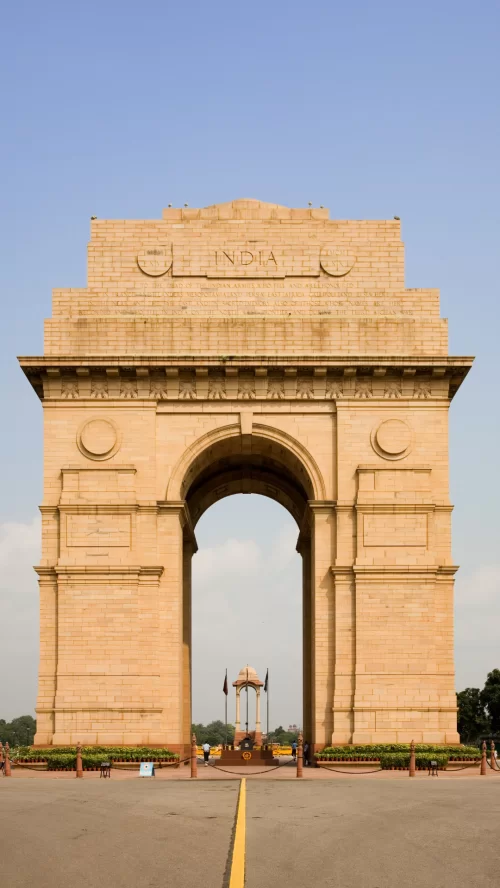
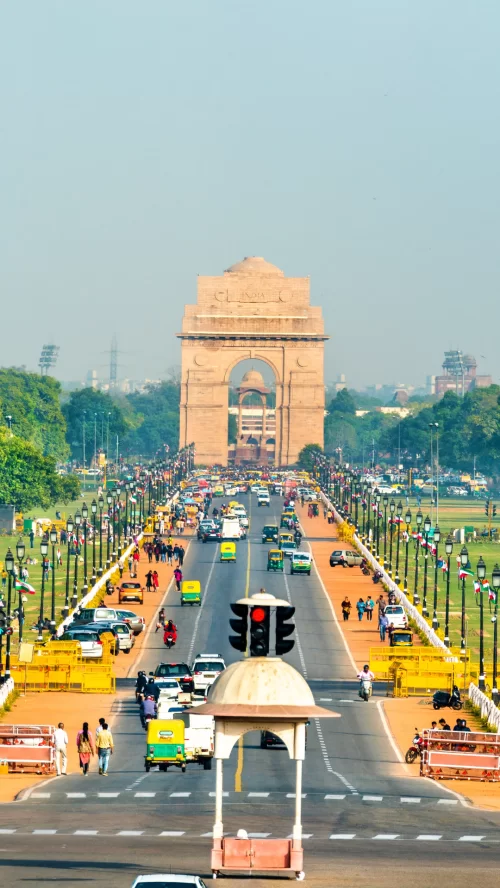
India Gate is a prominent outdoor landmark. Summer afternoons can be extremely hot, so early morning or evening visits are generally preferable.
Winter visits can be pleasant during suitable daytime conditions, but dense fog and poor air quality may reduce visibility and outdoor comfort.
Lodhi Garden is popular for walking, relaxation and exploring historical tombs.
During summer, early mornings are generally the most comfortable time for a visit. During winter, late morning or afternoon may provide more pleasant temperatures.
Visitors should avoid prolonged outdoor activity when air quality is unhealthy.
Attraction recommendation: Summer visitors should combine early outdoor sightseeing with indoor afternoon activities. Winter visitors can plan more outdoor monuments and markets, provided air quality, visibility and weather conditions are suitable.
Delhi offers shopping, food, cultural experiences and sightseeing throughout the year, but seasonal conditions influence how tourists should plan their activities. Summer is more suitable for short outdoor visits and indoor experiences, while winter often allows longer daytime exploration of markets and historical areas.
Old Delhi offers traditional snacks, sweets and Mughlai cuisine throughout the year. However, crowded food streets can feel particularly uncomfortable during summer afternoons.
Visitors should consider shorter food walks during cooler hours, choose establishments with appropriate hygiene standards and stay hydrated.
Winter is popular for enjoying hot snacks, parathas, kebabs, jalebi and other traditional foods.
Cooler temperatures can make market exploration more comfortable, but visitors should still consider crowding and air quality before spending long periods outdoors.
Indoor shopping centres are particularly useful during peak summer heat.
Outdoor markets such as Janpath, Sarojini Nagar and Chandni Chowk remain accessible, but tourists should plan visits during comparatively cooler hours and allow rest breaks.
Winter often provides more comfortable daytime conditions for exploring outdoor shopping areas.
Travellers can visit Janpath, Karol Bagh, Lajpat Nagar and Chandni Chowk, depending on their interests.
Evening visits may require warm clothing, especially during December and January.
Summer offers longer daylight hours, but strong sunlight and heat can make photography uncomfortable during the afternoon.
Winter may provide softer daylight during suitable conditions, although fog, haze and air pollution can reduce visibility.
Photographers should check the forecast and monument photography rules before visiting.
Parks such as Lodhi Garden and other public green spaces can be visited during summer, but early mornings are generally preferable.
Visitors should avoid strenuous activity during heatwaves and carry sufficient drinking water.
Winter can be suitable for garden visits during late morning and afternoon when temperatures are comfortable.
However, outdoor exercise and prolonged walks should be reduced or postponed during unhealthy air-quality conditions.
Summer evenings may be more comfortable than afternoons, but temperatures can remain high after sunset.
Winter evenings are generally cooler and may require jackets or additional layers. Restaurants, indoor entertainment and cultural venues remain useful options in both seasons.
Winter is generally preferable for tourists who want to explore outdoor markets, heritage streets and historical landmarks at a relaxed pace.
Summer is manageable for visitors who prefer museums, shopping centres, restaurants and shorter sightseeing sessions.
Activity recommendation: Plan summer days around early sightseeing and indoor afternoon activities. In winter, use comfortable daylight hours for outdoor experiences, but change plans when fog or poor air quality makes extended outdoor visits unsuitable.
The cost of visiting Delhi in summer or winter depends on accommodation, transport, food, sightseeing tickets and travel dates. Seasonal weather can influence hotel demand and transport choices, but there is no fixed rule that summer is always cheaper or winter is always more expensive.
The following amounts are broad planning estimates in Indian rupees, not live quotations. Hotel prices refer to a standard room for two adults, while other costs are generally per person unless specified.
Some properties may offer competitive summer rates, particularly when leisure demand is lower. However, business travel, conferences and local events can keep prices high at certain hotels.
Winter prices may rise during popular holiday periods, weddings, conferences and other high-demand dates. These ranges are illustrative and do not mean that every hotel charges more in winter.
Food prices generally depend more on the restaurant and meal choice than on the season.
Summer visitors may spend more on bottled beverages or indoor dining, while winter visitors may choose hot snacks and seasonal food experiences.
Delhi Metro remains a useful transport option during summer. Travellers may budget approximately ₹100–₹300 per person per day for several metro journeys and selected short local transfers.
However, extreme heat may encourage visitors to use more air-conditioned taxis, increasing daily transport expenses.
Metro fares do not normally change simply because of the season. However, fog, traffic congestion and weather-related delays can affect journey times.
Travellers may also choose taxis for comfort during cold mornings or evenings.
Major monument entry fees generally do not change solely because it is summer or winter.
Red Fort, Qutub Minar and Humayun's Tomb have paid admission arrangements, while attractions such as India Gate and Gurudwara Bangla Sahib generally have free public entry.
Visitor categories, ticketing arrangements and special exhibitions may affect costs. Confirm current prices before travelling.
A budget traveller sharing a hotel room may spend approximately ₹2,500–₹5,000 per person for two days, including one hotel night, economical meals, selected monument tickets and local transport.
Extra taxi journeys and premium indoor entertainment can increase the cost.
A similar two-day winter trip may cost approximately ₹3,000–₹6,000 per person, depending on accommodation demand and transport choices.
Travellers booking during holidays or busy weekends may pay more.
These estimates exclude travel to Delhi, extensive shopping, luxury accommodation and premium private sightseeing services.
Summer may provide lower hotel rates at selected properties, but savings can be reduced by increased spending on air-conditioned transport and indoor activities.
Winter can be more expensive during high-demand dates, although comfortable daytime temperatures may make economical walking and metro-based sightseeing more practical when air quality is acceptable.
Budget recommendation: Summer can offer better hotel value on some dates, but winter often provides greater outdoor sightseeing comfort. Compare the complete cost of accommodation, transport and activities rather than selecting a season based only on room prices.
Delhi's seasonal weather affects more than sightseeing comfort. Extreme summer heat, winter fog and air pollution can influence transport reliability, walking distances, outdoor accessibility and the amount of sightseeing possible in a day.
During summer, high temperatures can make outdoor monument visits physically demanding, particularly between late morning and late afternoon.
Attractions with large open courtyards, stone pathways and limited shade may become uncomfortable during heatwaves.
Tourists should schedule outdoor activities early, reduce unnecessary walking and include indoor rest periods.
Dense winter fog can reduce visibility at monuments, gardens and major landmarks.
Early morning sightseeing may be less rewarding when historical buildings are obscured by fog. Visitors can consider starting later when conditions improve, although fog may persist on some days.
Air pollution is a significant concern during parts of Delhi's winter. High concentrations of fine particulate matter can make prolonged outdoor exposure unhealthy.
Travellers with asthma, heart or lung conditions, children and older adults may be particularly vulnerable.
Check current air-quality information and public health advisories before planning outdoor activities. On severely polluted days, reduce outdoor exposure and consider suitable indoor alternatives.
Heatwaves can increase the risk of dehydration, heat exhaustion and heatstroke.
Warning signs of heat-related illness can include dizziness, weakness, headache, nausea and unusual fatigue. Confusion, collapse or altered consciousness may indicate a medical emergency.
Visitors should seek shade or a cool indoor environment when symptoms occur and obtain medical assistance when necessary.
Dense fog can affect flight operations at Indira Gandhi International Airport, particularly during periods of very low visibility.
Although airports use procedures designed for low-visibility operations, delays and cancellations can still occur.
Travellers should monitor airline updates and allow additional time for onward connections.
Some trains arriving in or departing from Delhi may experience delays during dense fog.
Visitors planning same-day connections should check train running information and avoid excessively tight schedules.
Summer road travel can be uncomfortable during extreme heat, particularly when vehicles are not adequately cooled.
Winter road travel may be affected by fog and reduced visibility, especially during early morning and late-night journeys.
Travellers should use suitable transport, allow extra time and follow weather-related travel advisories.
Delhi Metro provides a useful alternative to road transport in both seasons.
During summer, air-conditioned trains can reduce exposure to outdoor heat, although walking to stations and waiting in open areas may still be uncomfortable.
During winter, metro travel can help avoid some road congestion, but visitors should still check service updates and plan for cold or polluted outdoor conditions.
Senior citizens may find summer heat particularly tiring during extended outdoor sightseeing.
Winter can offer more comfortable daytime temperatures, but cold weather, fog and poor air quality may create different challenges.
Travellers should choose attractions with suitable access, minimise unnecessary walking and schedule regular rest breaks.
Families visiting during summer should avoid prolonged outdoor activities during the hottest hours and provide frequent hydration and rest breaks.
During winter, children may need additional clothing for cold mornings and evenings. Outdoor activities should be adjusted according to air-quality conditions.
Winter generally offers more comfortable daytime temperatures for walking through monuments and markets. However, fog and air pollution can limit outdoor activities and affect transport.
Summer requires more careful planning around heat, but indoor attractions and shorter sightseeing sessions can make a visit manageable.
Sightseeing recommendation: Winter is usually preferable for outdoor sightseeing when weather and air quality are suitable. During summer, prioritise early monument visits and indoor afternoon activities. In both seasons, maintain a flexible itinerary and respond to official weather and health advisories.
Packing appropriately for Delhi can make a substantial difference to travel comfort. Summer requires protection from intense heat and sunlight, while winter calls for layered clothing and preparation for cold mornings, fog and possible air pollution.
Lightweight, breathable clothing is generally more comfortable during Delhi's hot summer months. Loose-fitting garments can help reduce discomfort while walking outdoors.
Drink water regularly throughout the day, especially during outdoor sightseeing. Avoid waiting until you feel extremely thirsty.
Visitors who sweat heavily may need to replace both fluids and electrolytes. People with medical conditions requiring fluid restrictions should follow their clinician's advice.
Take frequent breaks in shaded or air-conditioned areas and reduce strenuous activity during extreme heat.
Heat exhaustion may cause heavy sweating, weakness, dizziness, headache or nausea. Move to a cooler place, loosen unnecessary clothing and seek assistance if symptoms persist or worsen.
Heatstroke is a medical emergency. Confusion, collapse, seizures or markedly altered behaviour during heat exposure require urgent medical help. Call emergency services and begin cooling the person while assistance is arranged.
Winter temperatures in Delhi can vary significantly between afternoons and early mornings. Layered clothing is useful because visitors may need to remove or add garments as conditions change.
Delhi can experience unhealthy air quality during winter. Visitors should monitor current air-quality readings and follow local health advisories.
When particulate pollution is elevated, a properly fitted certified particulate respirator, such as an N95 or equivalent, may help reduce exposure. Ordinary cloth masks and loose-fitting surgical masks do not provide the same level of protection against fine airborne particles.
People with respiratory or cardiovascular conditions should consult their healthcare professional about suitable precautions before travelling.
Senior citizens should carry their regular medicines, relevant prescriptions and any necessary medical supplies.
Summer travellers should prioritise hydration and heat protection, while winter travellers should prepare for cold conditions and possible pollution exposure.
Anyone with ongoing medical conditions should obtain personalised travel advice where appropriate.
Delhi has temples, mosques, gurudwaras and other religious landmarks with different visitor requirements.
Carry modest clothing and a scarf or head covering where necessary. Some places of worship require footwear to be removed.
Check individual site rules before visiting.
Packing recommendation: Summer visitors should prepare primarily for extreme heat and dehydration. Winter visitors should pack layers for cold mornings and evenings and be ready to modify outdoor plans when air quality is poor.
Summer and winter offer different experiences for visitors to Delhi. Winter is generally more comfortable for traditional sightseeing, while summer can still be suitable for travellers who prefer indoor attractions, have flexible schedules or are visiting for a specific purpose.
Winter is often more comfortable for families planning outdoor monument visits, gardens and market exploration.
However, air pollution can be a serious concern for children, particularly during periods of very poor air quality.
Summer visits can be managed by focusing on museums, indoor entertainment and short early morning sightseeing sessions.
Couples interested in monuments, gardens, heritage walks and outdoor photography may prefer cooler winter days.
Summer can suit couples planning restaurant visits, museums, shopping and shorter sightseeing sessions.
For outdoor activities, late February and early March can provide a useful balance between comfortable temperatures and longer daylight hours compared with midwinter.
First-time visitors often want to explore major attractions such as Red Fort, Qutub Minar, Humayun's Tomb, India Gate and Chandni Chowk.
Because these activities involve considerable outdoor walking, winter is generally preferable to peak summer.
However, travellers should remain aware of winter fog and air pollution, particularly during December and January.
Senior citizens may find prolonged outdoor sightseeing particularly tiring during extreme summer heat.
Winter can provide more comfortable daytime temperatures, but cold mornings and poor air quality may also create health concerns.
A relaxed itinerary with limited walking, suitable transport and regular rest breaks is important in either season.
Summer may offer competitive hotel prices on selected dates, but visitors may spend more on air-conditioned transport and indoor activities.
Winter accommodation can cost more during popular travel periods, although comfortable temperatures may make walking and metro-based sightseeing easier when air quality permits.
Compare complete trip expenses rather than focusing only on hotel rates.
Solo travellers can explore Delhi in either season with appropriate planning.
Winter is generally more comfortable for heritage sightseeing and market exploration, while summer requires careful scheduling around heat.
Choose accommodation near useful metro stations, carry drinking water and plan safe transport for late evening journeys.
Summer provides longer daylight hours but can bring harsh afternoon sunlight, dust and extreme heat.
Winter can offer pleasant temperatures and softer light on clear days, although fog, haze and pollution may reduce visibility.
Photographers should check current conditions before planning sunrise or long outdoor sessions.
A one-day summer itinerary should focus on one or two outdoor attractions early in the morning, followed by indoor activities during the afternoon.
A one-day winter itinerary can include more outdoor sightseeing when weather and air quality are suitable, although shorter daylight hours and fog should be considered.
Winter is generally more suitable for a two-day or three-day sightseeing holiday because visitors can explore monuments and markets without facing peak summer heat.
Summer visitors should avoid overcrowded itineraries and plan a mixture of early outdoor visits and indoor activities.
In both seasons, leave flexibility for weather-related changes.
February and early March are often good choices for travellers seeking comfortable daytime temperatures without the extreme heat of late spring and summer.
October and November can also offer pleasant temperatures, but air pollution may become a significant concern during this period.
December and January are cooler but can bring fog, cold waves and severe pollution episodes.
May and June are generally less comfortable for extensive outdoor sightseeing because of the risk of extreme heat.
Final recommendation: Winter is generally better than peak summer for tourists visiting Delhi because cooler daytime temperatures make monuments, markets and outdoor sightseeing more comfortable. However, December and January can bring dense fog, cold weather and serious air-pollution episodes. February and early March are often more balanced choices for first-time visitors, families and couples. Summer remains suitable for travellers who plan early morning sightseeing and indoor afternoon activities, but May and June can be particularly challenging during heatwaves. The best travel period ultimately depends on weather forecasts, air-quality conditions, personal health needs and the activities included in your itinerary.


Get customized Delhi tour planning designed around traffic flow, seasonal weather comfort, heritage site exploration time, and realistic city pacing. Whether you are visiting for historical monuments, cultural experiences, food walks, shopping districts,
⚡ Quick Response | 💰 Free consultation | 🕒 24×7 expert support

