
Best Street Food in Chandni Chowk – What and Where to Eat
Discover Chandni Chowk's famous street food, from traditional parathas and chaat to sweets and savoury snacks, with guidance on food lanes, local specialities and hygiene.
+91 9910402252
admin@chalbanjare.com


Understand Delhi's summer weather, rising temperatures and heat-related travel challenges, with suggestions for indoor attractions, suitable sightseeing hours and essential precautions for visitors.
Summer in Delhi generally begins in March and continues until June, with temperatures rising sharply during April and reaching extreme levels in May and June. The season is known for intense sunshine, hot winds, occasional dust storms and heatwaves that can make outdoor sightseeing difficult.
Although Delhi remains open to tourists throughout summer, the weather requires careful planning. Visitors should prioritise early-morning sightseeing, air-conditioned attractions, regular hydration and sufficient rest. During severe heatwaves, even morning and evening outdoor activities may be unsafe.
Delhi's average daytime maximum temperatures rise from approximately 30°C in March to nearly 40°C in May and June. Actual temperatures can exceed these averages during heatwaves.
These are rounded long-term averages rather than forecasts for a particular day. Extreme heat can occur even when the monthly average appears manageable.
Delhi begins transitioning from winter to summer during March. Early March can still offer comfortable weather for sightseeing, but afternoons become increasingly warm as the month progresses.
By April, hot weather is well established. May and June are generally the most challenging months for outdoor tourism.
May is generally Delhi's hottest month by average daytime maximum temperature, although June can experience similarly extreme conditions.
During severe heatwaves, temperatures can climb well above 40°C, increasing the risk of dehydration, heat exhaustion and heatstroke.
A heatwave is a period of unusually high temperatures identified using meteorological criteria. Delhi can experience heatwaves during April, May and June, particularly when hot and dry conditions persist.
Heatwave warnings should be taken seriously because prolonged exposure can cause dangerous heat-related illness.
The loo is a hot, dry wind associated with the summer season across parts of northern India. It can make outdoor conditions especially uncomfortable during the afternoon.
Travel advice: Avoid prolonged exposure to hot winds and strong sunshine, particularly during peak afternoon hours.
March, April and May often experience relatively dry daytime conditions, although humidity varies. As the monsoon approaches in June, moisture levels can increase.
Higher humidity makes it harder for the body to cool itself through sweating, so warm conditions can feel even more uncomfortable.
Delhi can experience dust storms, strong winds and thunderstorms during late spring and early summer.
These events may temporarily reduce temperatures but can also affect visibility, road travel and outdoor activities.
Travel advice: Check weather alerts and avoid exposed outdoor locations during thunderstorms.
Delhi receives occasional rainfall during March, April and May, often associated with thunderstorms or changing weather systems.
Rainfall generally increases during June as the southwest monsoon approaches, although the actual onset varies from year to year.
Early morning is generally more suitable for outdoor sightseeing than the afternoon, provided temperatures and official heat warnings allow it.
During severe heatwaves, outdoor activity may need to be postponed regardless of the time of day.
Heat exhaustion can cause heavy sweating, dizziness, weakness, headache, nausea and faintness.
Heatstroke is a medical emergency and may involve confusion, altered consciousness or dangerously high body temperature.
Safety advice: Move to a cooler place if heat illness is suspected. For possible heatstroke, call emergency services immediately and begin cooling the person while waiting for assistance.
Summer is less suitable than February or early March for travellers planning extensive outdoor sightseeing. However, a comfortable trip is possible when the itinerary focuses on indoor attractions, suitable transport and shorter outdoor visits.
March is generally the most manageable summer month, while May and June require the strongest heat precautions.
Delhi's summer weather is manageable only with appropriate planning, particularly during April, May and June. Travellers should treat heat warnings seriously and avoid attempting long outdoor sightseeing itineraries during extreme temperatures.
Delhi's summer weather changes significantly between March and June. March is generally the most comfortable month for sightseeing, April becomes increasingly hot, and May and June can bring extreme heatwaves. Understanding these monthly differences helps travellers choose suitable activities, clothing and sightseeing hours.
The temperature and rainfall figures below are based on long-term climatological averages for New Delhi's Safdarjung weather station during 1991–2020. Actual daily conditions can differ substantially from these averages.
Average minimum temperature: 15.6°C.
Average maximum temperature: 29.9°C.
Average monthly rainfall: 19.1 mm.
March marks the transition from winter to summer. Early March usually offers pleasant mornings and manageable afternoons, making it one of the better periods for exploring Delhi's historical monuments and gardens.
As the month progresses, afternoon temperatures increase and stronger sunshine becomes more noticeable.
Best activities: Qutub Minar, Humayun's Tomb, Lodhi Garden, Old Delhi heritage walks and shopping.
Travel advice: Carry breathable clothing and sun protection, especially towards late March.
March is generally the most suitable summer month for outdoor sightseeing, particularly during the first half. Visitors can explore a combination of monuments, gardens, markets and museums without the extreme heat commonly experienced later in the season.
Recommended approach: Schedule outdoor attractions in the morning and keep the afternoon flexible.
Average minimum temperature: 21.3°C.
Average maximum temperature: 36.5°C.
Average monthly rainfall: 12.5 mm.
April is significantly hotter than March. Sunny afternoons can be uncomfortable for extended walks, particularly around large monuments with limited shade.
Occasional thunderstorms and dust storms may occur, but the month is generally relatively dry.
Best activities: Early-morning sightseeing, science museums, art galleries and indoor shopping.
Travel advice: Avoid planning several outdoor monuments during the same afternoon.
April can be manageable for short family trips when the itinerary includes indoor attractions and sufficient rest.
Families with young children should avoid prolonged afternoon exposure and choose accommodation with reliable air-conditioning.
Recommended approach: One outdoor attraction early in the day, followed by indoor activities.
Average minimum temperature: 25.8°C.
Average maximum temperature: 39.9°C.
Average monthly rainfall: 29.4 mm.
May is generally Delhi's hottest month by average daytime maximum temperature. Heatwaves can push temperatures considerably above 40°C, while hot winds and strong sunshine make outdoor sightseeing difficult.
Even nighttime temperatures can remain high, reducing relief from the daytime heat.
Best activities: Air-conditioned museums, interactive indoor attractions, shopping centres and supervised swimming.
Travel advice: Follow heat alerts and avoid unnecessary outdoor exposure.
May is not ideal for travellers who want to spend long hours visiting outdoor monuments and markets. However, a short city visit can still be planned around indoor attractions and comfortable transport.
Recommended approach: Choose a limited number of attractions and prioritise heat safety rather than attempting a full sightseeing schedule.
Average minimum temperature: 27.7°C.
Average maximum temperature: 39.0°C.
Average monthly rainfall: 80.6 mm.
June often begins with intense heat and hot winds. Thunderstorms, dust storms and increasing humidity may develop as the southwest monsoon approaches.
The monsoon sometimes reaches Delhi towards the end of June, although the onset date varies between years.
Best activities: Indoor cultural attractions, shopping and short outdoor visits only when weather conditions are safe.
Travel advice: Monitor heat, thunderstorm and rainfall warnings.
Thunderstorms and rainfall can temporarily lower temperatures, but hot conditions may return quickly. Humidity may also increase, making the weather feel uncomfortable even when the temperature decreases.
Travellers should not assume that June becomes consistently pleasant once the first rain arrives.
Children, older adults and travellers with certain medical conditions may be more vulnerable to extreme heat.
March is generally the most comfortable month for a Delhi summer trip. April requires greater attention to heat, while May and June are best approached with indoor-focused itineraries and strict precautions against heat-related illness.
Delhi has many historical monuments, cultural attractions and religious landmarks that remain popular during summer. However, not every tourist place is equally comfortable in hot weather. Large outdoor complexes can involve long walks with limited shade, while indoor attractions offer a more practical alternative during peak afternoon temperatures.
The best summer sightseeing plan combines a small number of outdoor landmarks with museums, galleries and comfortable indoor stops. During heatwaves, outdoor visits should be postponed if conditions are unsafe.
Qutub Minar is a UNESCO World Heritage Site in Mehrauli, famous for its historic minaret and surrounding archaeological remains.
Why visit: Important Delhi heritage, architecture and photography.
Summer suitability: Better during mild mornings in March or early April. Peak summer heat makes the exposed complex less comfortable.
Travel tip: Carry water, use sun protection and avoid long walks during extreme heat.
Humayun's Tomb is a UNESCO World Heritage Site known for its Mughal architecture, landscaped gardens and historic significance.
Why visit: Heritage sightseeing and architectural photography.
Summer suitability: Best visited early in the day when temperatures permit.
Travel tip: The complex involves outdoor walking, so allow sufficient time for rest and hydration.
The Red Fort is one of Delhi's most important historical monuments and a major attraction for first-time visitors.
Why visit: Mughal history, architecture and cultural heritage.
Summer suitability: Short morning visits during manageable weather.
Travel tip: Check the current opening schedule and avoid combining the fort with several other exposed attractions during peak heat.
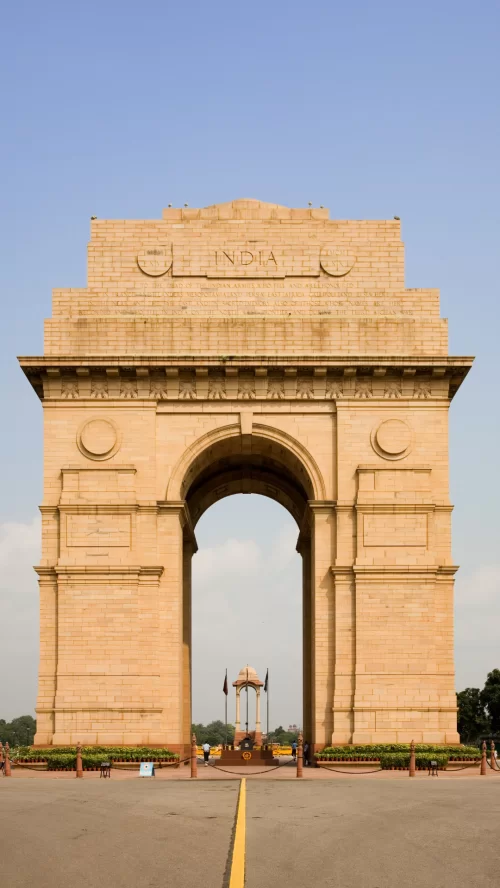
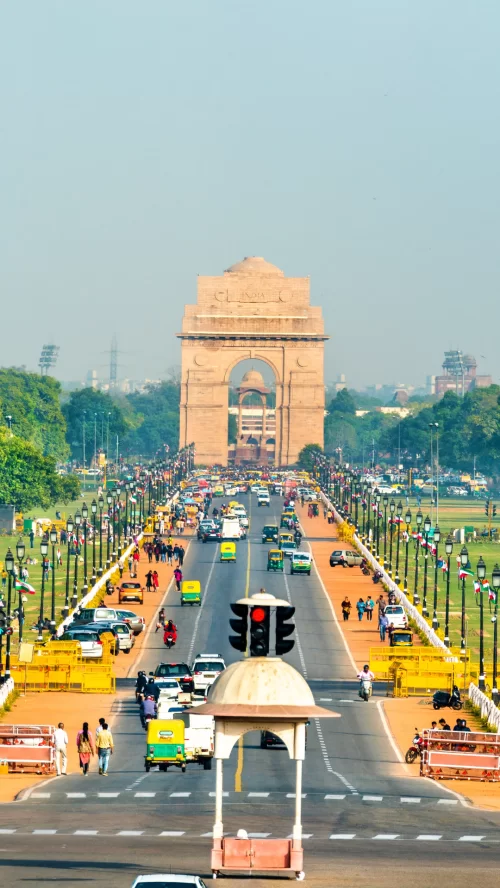
India Gate is a prominent national memorial in central Delhi, surrounded by broad avenues and public spaces.
Why visit: National history and landmark photography.
Summer suitability: Brief visits during cooler hours, subject to actual temperature.
Travel tip: Shade can be limited, and the surrounding paved areas may remain hot into the evening.
The Lotus Temple is a Bahá'í House of Worship recognised for its distinctive lotus-shaped design.
Why visit: Architecture, cultural interest and a peaceful environment.
Summer suitability: A shorter visit can be considered during suitable hours, but reaching the prayer hall involves outdoor walking.
Travel tip: Confirm the visiting schedule and follow rules for silence and respectful conduct.
Swaminarayan Akshardham is a major cultural complex featuring traditional architecture and exhibitions.
Why visit: Architecture, cultural exhibits and spiritual experiences.
Summer suitability: Indoor exhibition areas may be more comfortable than the exposed outdoor sections.
Travel tip: Check current entry restrictions, permitted belongings and exhibition arrangements before visiting.
Gurudwara Bangla Sahib is an important Sikh place of worship in central Delhi, known for its religious significance and community kitchen.
Why visit: Spiritual experience, architecture and Sikh traditions.
Summer suitability: A relatively short cultural visit, although outdoor courtyards and footwear-free areas may become hot.
Travel tip: Cover your head, follow religious customs and use designated walking routes.
Jama Masjid is a historic mosque surrounded by Old Delhi's traditional markets and food streets.
Why visit: Mughal architecture and local cultural experiences.
Summer suitability: Best explored in short visits during cooler hours.
Travel tip: Stone surfaces can become very hot. Dress respectfully and follow visitor arrangements around prayer times.
Connaught Place is a central commercial district known for its colonial-era architecture, restaurants, shops and cafes.
Why visit: Shopping, food and relaxed city exploration.
Summer suitability: Convenient because visitors can move between shops and air-conditioned restaurants.
Nearest Metro: Rajiv Chowk.
Dilli Haat near INA is known for handicraft stalls and regional Indian cuisine.
Why visit: Souvenirs, traditional crafts and food.
Summer suitability: Better during cooler weather because much of the market is outdoors.
Travel tip: Avoid extended afternoon visits during extreme heat.
These landscaped heritage spaces are popular for walking, photography and relaxation.
Why visit: Gardens, historic monuments and green surroundings.
Summer suitability: Suitable for short early-morning visits during mild conditions, especially in March.
Travel tip: Do not plan long walks during heatwaves, even in shaded areas.
Delhi's outdoor monuments are generally easier to explore in March than in May or June. During peak summer, visitors should reduce the number of outdoor stops and give greater priority to indoor attractions and heat safety.
Indoor attractions are among the most practical places to visit in Delhi during summer. Museums, science centres, art galleries, interactive experiences and shopping centres provide opportunities to explore the city without spending long periods under intense sunshine.
However, not every museum or heritage building is fully air-conditioned. Cooling arrangements, opening hours and gallery access can change, so travellers should confirm current facilities before visiting.
The National Science Centre near Pragati Maidan is a popular educational attraction featuring science exhibitions and interactive displays.
Best for: Families, school-age children and science enthusiasts.
Why visit in summer: Many exhibitions are indoors, making it a practical alternative to outdoor monuments.
Suggested duration: 2 to 3 hours.
Travel tip: Check the current exhibition schedule and ticket arrangements.
The National Museum on Janpath houses collections associated with Indian art, archaeology and cultural history.
Best for: History enthusiasts, students and first-time visitors.
Why visit in summer: Indoor galleries offer an alternative to exposed outdoor heritage sites.
Travel tip: Confirm current public access, gallery availability and operating arrangements before travelling.
The National Gallery of Modern Art near India Gate features modern and contemporary art collections.
Best for: Art lovers, couples and cultural travellers.
Why visit in summer: Indoor galleries allow visitors to spend time exploring artwork away from the afternoon heat.
Travel tip: Check current exhibitions and gallery opening hours.
Pradhanmantri Sangrahalaya at the Teen Murti complex presents India's post-Independence political history through exhibitions and multimedia displays.
Best for: Families with older children, students and history enthusiasts.
Why visit in summer: Indoor galleries and multimedia experiences provide a substantial cultural activity.
Travel tip: Allow enough time for exhibitions rather than treating the museum as a brief stop.
The Rashtrapati Bhavan Museum presents aspects of India's presidential history and the heritage of the President's Estate.
Best for: History lovers and travellers interested in national institutions.
Why visit in summer: Indoor exhibitions can be incorporated into a central Delhi sightseeing day.
Travel tip: Check current booking requirements, security procedures and access rules.
The National Crafts Museum near Pragati Maidan showcases Indian handicrafts, textiles and regional artistic traditions.
Best for: Craft enthusiasts, cultural travellers and families.
Why visit in summer: Indoor galleries provide opportunities to explore traditional Indian crafts.
Travel tip: Parts of the complex are outdoors, so avoid exposed sections during extreme heat.
Gandhi Smriti is associated with the final period of Mahatma Gandhi's life and contains exhibitions about his work and legacy.
Best for: History enthusiasts, students and cultural visitors.
Why visit in summer: Indoor museum areas provide an educational sightseeing option.
Travel tip: Some memorial spaces are outdoors, so plan the visit according to temperature.
The Museum of Illusions in Connaught Place features visual illusions and interactive installations.
Best for: Families, couples, teenagers and groups of friends.
Why visit in summer: It provides an indoor activity that can be combined with shopping and dining.
Travel tip: Check current admission charges and booking arrangements.
The National Rail Museum in Chanakyapuri displays railway history through exhibits, locomotives and related collections.
Best for: Families, children and railway enthusiasts.
Summer limitation: Significant parts of the museum are outdoors, so it should not be treated as a completely air-conditioned attraction.
Travel tip: Consider a short morning visit during manageable weather and avoid extended outdoor exploration during heatwaves.
Shopping centres offer dining, retail stores and entertainment facilities in a generally climate-controlled environment.
Popular shopping areas: Saket, Vasant Kunj, Rajouri Garden and other major commercial districts.
Best for: Families, couples and travellers who want a comfortable afternoon activity.
Travel tip: Entertainment facilities and individual store availability vary between centres.
Cinemas, indoor gaming venues and family entertainment centres can be useful during Delhi's hottest afternoon hours.
Best for: Families with children, teenagers and groups of friends.
Travel tip: Confirm age restrictions, activity availability and ticket prices.
Delhi's museums and indoor attractions are particularly valuable during April, May and June. They allow visitors to explore history, art and culture while reducing exposure to extreme outdoor temperatures.
Summer sightseeing in Delhi requires a different approach from winter travel. Rather than planning long outdoor days, visitors should divide activities between suitable early-morning hours, indoor afternoon experiences and shorter evening outings.
During severe heatwaves, temperatures may remain dangerously high even after sunset. Travellers should check actual weather conditions and official alerts before deciding whether outdoor activities are appropriate.
Historical attractions such as Qutub Minar, Humayun's Tomb and the Red Fort are best considered during cooler morning hours when temperatures permit.
Best for: History lovers and first-time visitors.
Travel tip: Check opening hours and avoid lengthy walks during extreme heat.
Lodhi Garden combines greenery with historic monuments and is popular for walking and photography.
Best for: Couples, nature lovers and local sightseeing.
Travel tip: Choose a short walk during mild conditions and avoid strenuous exercise during heat alerts.
Sunder Nursery offers landscaped gardens, restored monuments and walking paths.
Best for: Families, couples and photography enthusiasts.
Travel tip: March mornings are generally more comfortable than those in May or June.
Old Delhi is known for traditional breakfast dishes such as bedmi puri, kachori sabzi and other local specialities.
Suggested areas: Chandni Chowk and Chawri Bazar.
Travel tip: Choose freshly prepared food, drink safe water and avoid lengthy market walks during extreme heat.
Afternoons are generally the most uncomfortable part of the summer day, making indoor museums a practical choice.
Suggested attractions: National Science Centre, National Gallery of Modern Art and other operating indoor museums.
Travel tip: Confirm cooling facilities and current opening hours.
Major shopping centres in Saket and Vasant Kunj offer retail stores, restaurants and entertainment facilities.
Best for: Families, couples and shopping enthusiasts.
Travel tip: Plan shopping during the hottest afternoon hours to reduce outdoor exposure.
Connaught Place is a popular area for shopping, dining and cafes.
Best for: Couples, friends and families.
Travel tip: Choose indoor dining during heatwaves because outdoor temperatures can remain high after sunset.
Delhi has numerous cafes and restaurants suitable for relaxed summer outings.
Popular areas: Connaught Place, Khan Market, Hauz Khas and Greater Kailash.
Travel tip: Check current opening hours and indoor seating availability.
India Gate is a prominent Delhi landmark and a popular destination for short evening visits.
Best for: Landmark photography and a brief city outing.
Travel tip: Avoid prolonged outdoor exposure when temperatures remain high, and check access restrictions.
Art galleries offer opportunities to explore Indian art and cultural exhibitions without spending long periods outdoors.
Suggested attraction: National Gallery of Modern Art.
Travel tip: Check exhibition schedules and current visitor facilities.
Cinemas and indoor entertainment centres are convenient for summer afternoons and evenings.
Best for: Families, teenagers and groups of friends.
Travel tip: Confirm ticket prices and age suitability before booking.
Summer is associated with refreshing drinks, fruit-based preparations and lighter meals.
Food safety tip: Choose safe drinking water, hygienically prepared ice and properly stored dairy products.
Budget travellers can choose selected museums, affordable dining areas and Metro-connected attractions.
However, saving money should not come at the expense of heat safety. Travellers should budget for drinking water, suitable transport and cooling breaks.
Delhi's summer mornings and evenings can provide opportunities for selected outdoor experiences, but the safest approach is to adapt activities to actual temperatures. Indoor attractions remain the most reliable option during severe heat.
Water parks, swimming pools and indoor entertainment centres are popular options for families visiting Delhi during summer. However, Delhi's extreme heat can still create health risks at outdoor water parks, particularly while waiting for rides, walking on exposed surfaces or spending long periods in direct sunshine.
Delhi and the wider National Capital Region have several aquatic and amusement attractions. Visitors should distinguish between water parks located within Delhi and those in nearby cities such as Gurugram, Ghaziabad and Murthal. Seasonal opening schedules, operating status, entry fees and ride availability should always be confirmed before departure.
Fun N Food Village is a water and amusement park located near the Delhi–Gurugram border at Kapashera.
Main attractions: Water slides, pools and family amusement activities, depending on current operations.
Best for: Families, groups of friends and visitors interested in a summer day outing.
Travel tip: Check the current water park schedule, ride restrictions, ticket prices and changing facilities before visiting.
Drizzling Land is a water and amusement park located along the Delhi–Meerut Road in the Ghaziabad area.
Main attractions: Water slides, pools, amusement rides and family activities, subject to current availability.
Best for: Families and groups travelling from Delhi or nearby NCR cities.
Travel tip: Allow sufficient time for the journey and check age, height and swimming requirements for individual rides.
AapnoGhar is a family-oriented leisure complex in Gurugram offering amusement and water-based activities.
Main attractions: Water park facilities, amusement rides and family recreation, depending on the package and operating schedule.
Best for: Family outings and group day trips.
Travel tip: Confirm whether meals, changing facilities and individual attractions are included in the admission package.
Mojoland is an entertainment destination in Murthal, Haryana, offering water park, amusement and other recreational experiences.
Main attractions: Water slides, pools and other activities, subject to seasonal operation.
Best for: Families and groups planning a longer outing from Delhi.
Travel tip: Murthal is outside Delhi, so account for road travel time and summer heat during transfers.
Adventure Island is an amusement park near Rithala Metro Station in Rohini.
Main attractions: Amusement rides and selected water-based activities, depending on current operations.
Best for: Families with older children, teenagers and groups of friends.
Important distinction: Adventure Island is primarily an amusement park rather than a dedicated water park.
Travel tip: Check which rides are operating and whether water-based attractions are included in the ticket.
Atlantic Water World is a known water park destination near Kalindi Kunj in South Delhi.
Important availability note: Its operating status may be restricted or temporarily closed. Do not plan a visit without directly confirming that the park has reopened and is accepting visitors.
Travel tip: Check the current status before purchasing tickets or arranging transport.
The Dr Syama Prasad Mookerjee Swimming Pool Complex near Talkatora Garden is a major aquatic sports facility.
Best for: Swimming enthusiasts and individuals interested in organised aquatic activities.
Important distinction: This is a sports swimming facility rather than a family water park.
Travel tip: Public swimming access, coaching programmes, eligibility and booking arrangements must be confirmed directly.
Some Delhi hotels, sports clubs and private swimming facilities offer pool access through memberships, day-use packages or other arrangements.
Best for: Travellers who prefer a controlled swimming environment instead of a crowded water park.
Travel tip: Confirm whether non-guests can enter, whether a lifeguard is present and whether the pool is suitable for children.
Young children should use age-appropriate shallow pools or splash areas under constant adult supervision.
Teenagers may enjoy water slides, wave pools and amusement rides, provided they meet the facility's safety requirements.
Travel advice: Check height restrictions, swimming ability requirements and ride-specific medical warnings.
These activities may be more suitable than outdoor water parks during severe heat warnings.
Swimming does not eliminate the risk of heat illness. Visitors can still become dehydrated or overheated while standing in queues or spending time on exposed pool decks.
Water parks and swimming facilities can add variety to a Delhi summer trip, but their suitability depends on weather, supervision and current operating conditions. During extreme heat, indoor family attractions are often the more practical choice.
A summer sightseeing itinerary in Delhi should prioritise comfort and heat safety rather than the number of attractions covered. The best approach is to visit a limited number of outdoor landmarks during suitable morning weather, spend the hottest hours indoors and keep evening activities flexible.
March is generally more suitable for a traditional sightseeing itinerary than May or June. During severe heatwaves, outdoor attractions should be removed from the plan if conditions are unsafe.
Suggested route: Humayun's Tomb – National Gallery of Modern Art – Indoor Lunch – Connaught Place.
Best for: First-time visitors, couples and small families.
Recommended approach: One outdoor attraction followed by indoor sightseeing and dining.
Begin with a visit to Humayun's Tomb during suitable morning weather.
Suggested duration: 1 to 1.5 hours.
Travel advice: Check opening hours and avoid the outdoor visit if extreme heat warnings make conditions unsafe.
Continue to the National Gallery of Modern Art near India Gate for indoor cultural sightseeing.
Suggested duration: 1.5 to 2 hours.
Travel advice: Confirm gallery operations and cooling arrangements.
Take a comfortable lunch break in an air-conditioned restaurant.
Suggested duration: 1 to 1.5 hours.
Travel advice: Use this time to rest and avoid exposure to the hottest afternoon conditions.
Choose an indoor shopping centre, museum or interactive attraction based on your interests.
Best for: Families, couples and travellers who prefer a relaxed afternoon.
Travel advice: Avoid unnecessary transfers across the city.
Finish the day in Connaught Place with shopping, a cafe visit or dinner.
Travel advice: Choose indoor dining if evening temperatures remain high.
Day 1: South Delhi heritage and indoor cultural attractions.
Day 2: Old Delhi heritage and family-friendly indoor sightseeing.
Best for: Travellers who want to explore more attractions without spending entire days outdoors.
Travel advice: Avoid adding several distant outdoor monuments during peak summer.
Travel advice: Use comfortable transport and keep walking distances limited.
Suggested route: National Science Centre – Indoor Lunch – Interactive Museum – Shopping Centre.
Best for: Families with children during April, May and June.
Suggested route: Short Morning Heritage Visit – Art Gallery – Cafe – Connaught Place.
Travel advice: Avoid prolonged outdoor walks during heatwaves.
When extreme heat warnings are in effect, an entirely indoor itinerary may be more suitable.
Travel advice: Keep transfers short and follow official heat safety guidance.
Senior citizens may prefer a slower itinerary with accessible indoor attractions and reliable transport.
Early morning is generally preferable for outdoor attractions, but the exact starting time should depend on temperature, opening hours and official heat warnings.
During severe heatwaves, visitors may need to avoid outdoor sightseeing entirely.
Two or three well-selected attractions are often more practical than attempting a long itinerary involving multiple distant locations.
The ideal number depends on weather, travel distance, attraction size and individual comfort.
A successful Delhi summer itinerary focuses on a comfortable pace, indoor sightseeing and minimal heat exposure. March allows more flexibility for outdoor attractions, while May and June generally require an indoor-focused approach.
Delhi's summer weather requires careful preparation, particularly during April, May and June when temperatures can become extremely high. Packing lightweight clothing, carrying safe drinking water and planning comfortable transport can make a significant difference to the travel experience.
However, appropriate clothing and hydration alone cannot make prolonged outdoor activity safe during a severe heatwave. Travellers should monitor official weather warnings and adjust their itinerary when necessary.
Travel tip: Choose comfortable clothing that provides sun protection without trapping excessive heat.
March is generally warmer than winter but more comfortable than peak summer.
April brings hot afternoons and strong sunshine.
May is generally the hottest month, with significant heatwave risk.
Travel tip: Avoid unnecessary outdoor activity during severe heat alerts.
June often combines extreme heat with possible dust storms, thunderstorms and increasing humidity.
High temperatures increase fluid loss through sweating. Visitors should drink safe water regularly and avoid waiting until they feel extremely thirsty.
Alcohol and excessive caffeine may be poor substitutes for adequate hydration during extreme heat.
Food safety tip: Choose drinks prepared with safe water and hygienically handled ice.
Heat exhaustion can occur when the body struggles to manage heat exposure and fluid loss.
Possible symptoms: Heavy sweating, dizziness, weakness, headache, nausea and faintness.
Immediate response: Move to a cooler place, loosen unnecessary clothing, begin cooling and seek medical advice if symptoms are significant or do not improve.
Heatstroke is a medical emergency caused by dangerous overheating.
Possible symptoms: Confusion, altered consciousness, collapse or dangerously high body temperature.
Emergency response: Call emergency services immediately and begin rapid cooling while waiting for assistance. Do not give drinks to someone who is unconscious or unable to swallow safely.
The Delhi Metro is useful for travelling between many tourist attractions and commercial areas. However, walking to and from stations can still involve substantial heat exposure.
Reliable air-conditioned transport can reduce heat exposure during city travel.
High temperatures can increase food spoilage risks when storage and handling are inadequate.
Although winter is more strongly associated with Delhi's severe pollution episodes, summer can also bring dust and poor air quality.
Thunderstorms can occur during late spring and early summer, particularly as weather conditions change towards the monsoon.
Delhi in summer offers opportunities to explore museums, galleries, shopping centres, cultural attractions and selected historical landmarks. However, the weather becomes increasingly challenging from March through June, with May and June particularly associated with extreme heat.
March is generally the most suitable summer month for outdoor sightseeing, while April requires more careful scheduling. During May and June, indoor attractions and reliable cooling should be prioritised.
For a comfortable and safer Delhi summer trip, carry breathable clothing, drink safe water regularly, minimise heat exposure and monitor official weather warnings. Flexible sightseeing plans are essential when temperatures become extreme.


Get customized Delhi tour planning designed around traffic flow, seasonal weather comfort, heritage site exploration time, and realistic city pacing. Whether you are visiting for historical monuments, cultural experiences, food walks, shopping districts,
⚡ Quick Response | 💰 Free consultation | 🕒 24×7 expert support

