
Best Street Food in Chandni Chowk – What and Where to Eat
Discover Chandni Chowk's famous street food, from traditional parathas and chaat to sweets and savoury snacks, with guidance on food lanes, local specialities and hygiene.
+91 9910402252
admin@chalbanjare.com


Understand Delhi's monsoon weather, rainfall patterns and humidity, with suggestions for seasonal sightseeing, indoor attractions and practical precautions for travelling during rainy months.
Monsoon in Delhi generally extends from late June or early July to September, bringing seasonal rainfall, greener landscapes and relief from the extreme heat of May and June. However, the rainy season also brings high humidity, occasional thunderstorms, waterlogging and traffic disruptions that can affect sightseeing plans.
Delhi remains a year-round tourist destination, but monsoon travel requires more flexibility than winter sightseeing. Historical monuments, gardens, markets and cultural attractions can still be explored during suitable weather, while indoor museums and galleries provide practical alternatives during heavy rainfall.
The southwest monsoon typically reaches Delhi towards the end of June, although its arrival can be earlier or later depending on annual weather conditions.
July and August are usually the main rainy months, while rainfall generally decreases during September as the monsoon gradually withdraws.
Travel advice: Check current forecasts rather than relying on a fixed monsoon arrival date.
Delhi receives most of its annual rainfall during the southwest monsoon. According to long-term climatological averages for New Delhi's Safdarjung weather station, July, August and September together receive approximately 551 mm of rainfall.
This represents roughly 72 percent of the station's average annual rainfall of 762 mm.
Rainfall varies significantly between years, and intense showers can occur even during otherwise relatively dry weeks.
These figures represent long-term monthly averages, not actual temperatures for a particular travel date.
Monsoon winds bring moisture into the region, increasing humidity. High humidity slows the evaporation of sweat, making the weather feel hotter than the temperature alone suggests.
Visitors may experience sticky conditions even when rainfall temporarily lowers the air temperature.
Travel advice: Wear breathable clothing, drink safe water regularly and take breaks in comfortable indoor environments.
No. Delhi's monsoon does not produce continuous rainfall throughout every day. Some days remain sunny or mostly dry, while others experience sudden heavy showers.
Rainfall can also vary substantially between different parts of the city.
Travel advice: Keep sightseeing schedules flexible and check short-term rainfall forecasts before leaving your accommodation.
August is generally the wettest month according to the 1991–2020 Safdarjung climatological averages, with approximately 227 mm of rainfall.
July is also very rainy, averaging approximately 196 mm, while September receives around 128 mm.
Individual years may follow a different pattern, and exceptionally heavy rainfall can occur in any monsoon month.
Delhi can experience thunderstorms, lightning, strong winds and intense rainfall during the monsoon season.
Heavy showers can cause waterlogging on roads, underpasses and low-lying areas. This may disrupt vehicle movement, pedestrian access and public transport connections.
Waterlogging conditions can develop quickly and vary between neighbourhoods.
Travel advice: Avoid flooded roads and underpasses. Never attempt to walk or drive through water when its depth or current is uncertain.
Rainfall can temporarily reduce airborne dust and some pollutants, sometimes improving air quality compared with dry conditions.
However, rainfall does not guarantee clean air, and pollution levels can change according to weather and local emissions.
Travel advice: Check current Air Quality Index readings when planning extended outdoor activities.
Delhi can be visited during the monsoon, but travellers should take precautions against heavy rain, waterlogging, lightning, slippery surfaces and transport delays.
Most tourist activities remain possible when conditions are suitable, although outdoor attractions may become uncomfortable or temporarily inaccessible during intense rainfall.
There is no consistently rain-free time of day during the monsoon. Morning, afternoon and evening showers are all possible.
Visitors should use current weather forecasts and plan indoor alternatives rather than assuming that rain will occur only during a particular period.
Monsoon can be suitable for travellers who enjoy rainy weather, green surroundings and cultural sightseeing. However, it is less predictable than the cooler, drier periods of the year.
September is often more manageable than July or August because average rainfall decreases, although humidity and occasional heavy showers can continue.
Delhi's monsoon season offers a different experience from winter or summer travel. Visitors who prepare for rain, humidity and transport disruptions can explore many of the city's attractions while maintaining a flexible itinerary.
July, August and September are the main monsoon months in Delhi, but each offers slightly different weather conditions. July marks the establishment of the rainy season, August generally receives the highest average rainfall, and September brings a gradual reduction in rain as the monsoon withdraws.
The following temperature and rainfall figures are based on the India Meteorological Department's 1991–2020 climatological averages for New Delhi's Safdarjung station. They describe typical monthly conditions rather than predicting the weather for any particular date.
Average minimum temperature: 27.5°C.
Average maximum temperature: 35.6°C.
Average monthly rainfall: 195.8 mm.
Average rainy days: Approximately 9.7 days.
July is one of Delhi's principal monsoon months. Rainfall becomes more frequent, and humidity remains high.
Although temperatures are generally lower than during May and June, the weather can still feel uncomfortable because of moisture in the air.
July can be suitable for visitors who prefer indoor cultural attractions and are comfortable adjusting their plans around rainfall.
Best activities: Museums, art galleries, indoor shopping and short heritage visits during dry periods.
Main challenges: Heavy showers, humidity, slippery surfaces and possible waterlogging.
Travel advice: Avoid scheduling several outdoor attractions without an indoor backup.
Average minimum temperature: 26.7°C.
Average maximum temperature: 34.2°C.
Average monthly rainfall: 226.8 mm.
Average rainy days: Approximately 10.2 days.
August is generally Delhi's wettest month based on long-term averages. Heavy rainfall can occur over short periods, creating waterlogging and travel delays.
However, August does not experience continuous rain every day. Dry and sunny intervals remain possible.
August is less predictable for outdoor sightseeing because of the higher average rainfall.
Travellers should prioritise indoor attractions and keep outdoor visits flexible.
Best activities: Museums, cultural exhibitions, indoor entertainment and shopping.
Main challenges: Intense rainfall, waterlogging, high humidity and traffic delays.
Travel advice: Check current rainfall warnings and avoid flooded areas.
Average minimum temperature: 25.0°C.
Average maximum temperature: 34.1°C.
Average monthly rainfall: 128.0 mm.
Average rainy days: Approximately 5.5 days.
September marks the gradual withdrawal of the monsoon. Rainfall generally decreases compared with July and August, although heavy showers remain possible.
Temperatures stay warm, and humidity can continue throughout the month.
September is often the most convenient of the three main monsoon months for sightseeing because average rainfall is lower.
However, it is not consistently dry, and travellers should still prepare for rain and humidity.
Best activities: Heritage sightseeing during dry periods, museums, shopping and cultural experiences.
Outdoor visits should depend on current weather and ground conditions.
September may offer more opportunities for outdoor photography because rainfall generally decreases. However, July and August can also produce dramatic skies and greener landscapes.
Travel advice: Avoid photography in exposed areas during thunderstorms or on slippery surfaces.
September is often more convenient for families who want to combine indoor attractions with selected outdoor sightseeing.
During July and August, an indoor-focused itinerary may be more practical.
Some accommodation providers may offer lower prices during selected monsoon dates, although discounts are not guaranteed.
Travel advice: Compare total trip costs, including transport and possible weather-related changes.
July is suitable for travellers comfortable with rainy conditions, August requires the most flexibility, and September is generally the most manageable month for combining outdoor and indoor sightseeing.
Regardless of the month, visitors should monitor rainfall forecasts, avoid flooded routes and maintain flexible travel plans.
Delhi's historical monuments, religious landmarks and cultural attractions take on a different appearance during the monsoon. Rain-washed buildings, cloudy skies and greener surroundings can make sightseeing memorable. However, outdoor attractions may become slippery, crowded or difficult to access during heavy rainfall.
The best places to visit in Delhi during monsoon are those that allow flexible sightseeing and have convenient indoor alternatives nearby. Visitors should check weather conditions, opening hours and road accessibility before travelling.
Humayun's Tomb is a UNESCO World Heritage Site known for its Mughal architecture, landscaped gardens and historic significance.
Why visit during monsoon: The surrounding greenery becomes more prominent after rainfall, creating attractive views of the historic monument.
Best for: History lovers, couples and architecture enthusiasts.
Suggested duration: 1.5 to 2 hours.
Travel tip: Avoid slippery pathways and exposed areas during thunderstorms.
Qutub Minar is one of Delhi's most recognisable historical landmarks, surrounded by an extensive archaeological complex.
Why visit during monsoon: Cloudy skies and greener surroundings can create interesting photographic conditions.
Best for: Heritage sightseeing and architectural photography.
Nearest Metro: Qutab Minar on the Yellow Line, followed by local transport.
Travel tip: The complex is largely outdoors, so postpone visits during heavy rain or lightning.
The Red Fort is a major Mughal monument and UNESCO World Heritage Site located near Chandni Chowk.
Why visit during monsoon: The fort's red sandstone architecture offers a striking contrast with cloudy skies.
Best for: First-time visitors and history enthusiasts.
Nearest Metro: Lal Qila on the Violet Line.
Travel tip: Check current opening arrangements. The Red Fort is generally closed on Mondays.
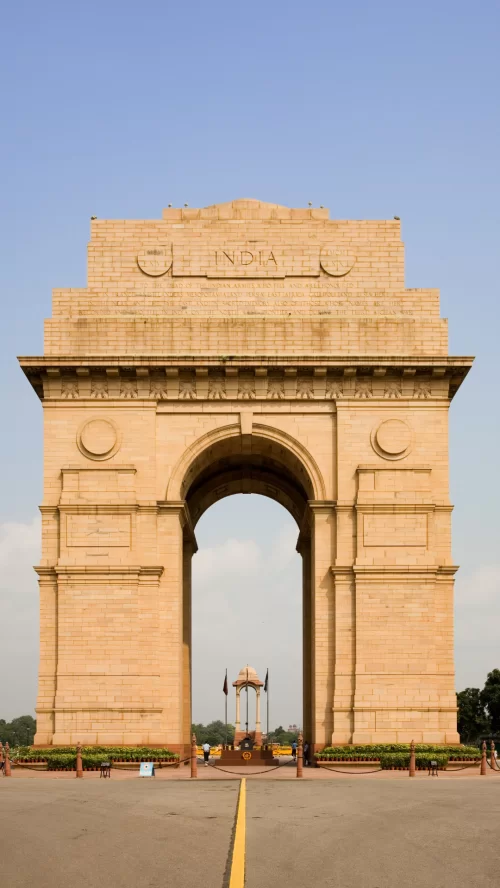
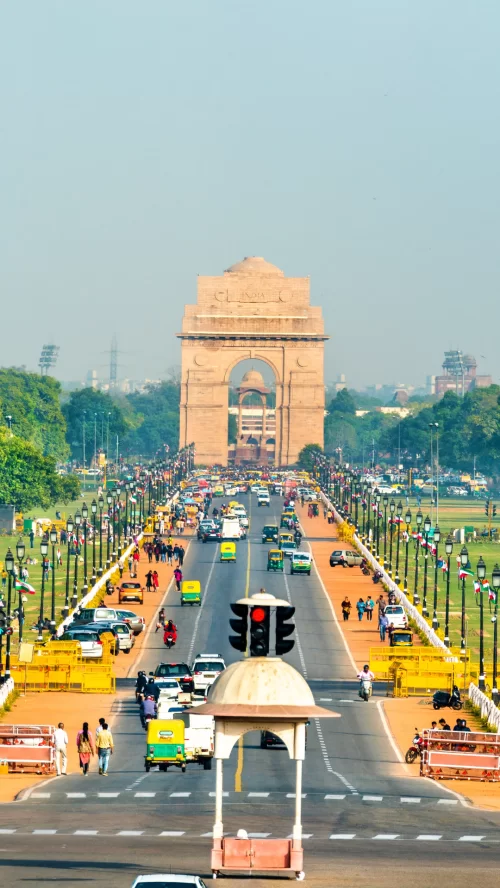
India Gate is a prominent national memorial in central Delhi, surrounded by landscaped public spaces.
Why visit during monsoon: Overcast weather can provide a different atmosphere from the hot summer months.
Best for: Short sightseeing stops and landmark photography.
Travel tip: Avoid the open area during thunderstorms, lightning and intense rainfall.
The Lotus Temple is a Bahá'í House of Worship recognised for its lotus-shaped architecture.
Why visit during monsoon: The landscaped surroundings can appear greener during the rainy season.
Best for: Architecture lovers, families and cultural visitors.
Nearest Metro: Kalkaji Mandir.
Travel tip: Check current visiting hours and use caution on wet walking surfaces.
Swaminarayan Akshardham is known for its traditional architecture, exhibitions and cultural experiences.
Why visit during monsoon: Selected indoor exhibitions provide alternatives when outdoor sightseeing is affected by rain.
Best for: Families, cultural travellers and architecture enthusiasts.
Nearest Metro: Akshardham on the Blue Line.
Travel tip: Check permitted belongings, security restrictions and exhibition availability.
Gurudwara Bangla Sahib is an important Sikh place of worship in central Delhi.
Why visit during monsoon: It provides a cultural and spiritual experience that can be incorporated into a central Delhi itinerary.
Best for: Spiritual travellers and visitors interested in Sikh traditions.
Travel tip: Cover your head, remove footwear where required and be careful on wet surfaces.
Jama Masjid is a significant Mughal-era mosque surrounded by traditional markets and food streets.
Why visit during monsoon: It offers opportunities to explore Delhi's religious architecture and Old Delhi culture.
Best for: History enthusiasts and cultural travellers.
Nearest Metro: Jama Masjid on the Violet Line.
Travel tip: Wet stone surfaces can be slippery. Follow religious customs and visiting arrangements.
Connaught Place is one of Delhi's main shopping and dining districts, featuring restaurants, cafes and retail stores.
Why visit during monsoon: Indoor dining and shopping provide convenient alternatives during rainfall.
Best for: Couples, families and groups of friends.
Nearest Metro: Rajiv Chowk.
Travel tip: Some walking areas remain exposed to rain, so carry an umbrella.
Dilli Haat near INA features handicrafts, textiles and regional Indian food stalls.
Why visit during monsoon: It offers cultural shopping and regional food experiences during suitable weather.
Best for: Shopping enthusiasts and food lovers.
Nearest Metro: Dilli Haat–INA.
Travel tip: Much of the market is outdoors, making heavy-rain days less suitable.
Agrasen Ki Baoli is a historic stepwell near Connaught Place, known for its distinctive stone architecture.
Why visit during monsoon: Cloudy weather can create atmospheric views of the historic structure.
Best for: Architecture enthusiasts and photographers.
Travel tip: Avoid descending wet steps when slippery, and follow all access restrictions.
Delhi's monuments and cultural attractions remain appealing during the monsoon, but visitors should avoid exposed locations during thunderstorms and keep indoor alternatives available for heavy-rain days.
Delhi's parks and gardens often look greener during the monsoon, making the rainy season attractive for nature lovers and photographers. Landscaped lawns, mature trees and historic monuments create scenic surroundings, particularly after rainfall.
However, gardens are not automatically safe during rainy weather. Wet pathways, waterlogged lawns, falling branches and lightning can create hazards. Visitors should explore parks only when conditions are suitable and follow any temporary closure notices.
Lodhi Garden is one of Delhi's best-known public gardens, combining historic tombs with lawns, trees and walking paths.
Monsoon attraction: Rain-washed greenery and historic architecture.
Best for: Couples, families, nature lovers and photographers.
Travel tip: Stay on safe pathways and avoid outdoor visits during lightning.
Sunder Nursery near Humayun's Tomb features restored monuments, landscaped gardens and biodiversity areas.
Monsoon attraction: Green surroundings, garden landscapes and heritage architecture.
Best for: Families, couples and photography enthusiasts.
Travel tip: Check current entry arrangements and avoid waterlogged or slippery sections.
The Garden of Five Senses is a landscaped recreational space near Saket, featuring pathways, planting areas and artistic installations.
Monsoon attraction: Seasonal greenery and landscaped surroundings.
Best for: Couples and garden enthusiasts.
Travel tip: Confirm current opening arrangements and use caution on wet stone surfaces.
Mehrauli Archaeological Park contains historic structures, tombs and archaeological remains in a landscape of walking paths and vegetation.
Monsoon attraction: Historic monuments surrounded by seasonal greenery.
Best for: History enthusiasts and photographers.
Travel tip: Uneven and muddy pathways can become hazardous after rainfall. Avoid isolated trails and unstable structures.
Deer Park near Hauz Khas is known for its green surroundings, walking areas and proximity to historic landmarks.
Monsoon attraction: Trees, green landscapes and a quieter natural environment.
Best for: Nature lovers and short walks.
Travel tip: Stay on permitted paths and avoid flooded or slippery sections.
The Hauz Khas Complex combines medieval ruins with views towards the historic reservoir and surrounding greenery.
Monsoon attraction: Historic architecture against a greener landscape.
Best for: Heritage enthusiasts and photography.
Travel tip: Avoid unsafe edges, slippery stairs and restricted areas.
Nehru Park is a large landscaped public park in Chanakyapuri, popular for walking and relaxation.
Monsoon attraction: Open lawns, mature trees and greener surroundings.
Best for: Families and visitors seeking a short nature break.
Travel tip: Avoid open lawns during lightning and stay away from damaged tree branches.
Central Park at Connaught Place provides a landscaped space within one of Delhi's busiest commercial districts.
Monsoon attraction: A short green-space stop combined with nearby shopping and dining.
Best for: Visitors exploring central Delhi.
Travel tip: Check current public access and move indoors when rain becomes heavy.
Swarn Jayanti Park, commonly called Japanese Park, is a large recreational green space in Rohini.
Monsoon attraction: Landscaped lawns and seasonal greenery.
Best for: Families and residents exploring North-West Delhi.
Travel tip: Avoid low-lying or waterlogged sections and check local access conditions.
Sanjay Van is a large wooded area in South Delhi known for its natural vegetation and walking trails.
Monsoon attraction: Dense greenery and seasonal vegetation.
Best for: Experienced nature enthusiasts.
Travel warning: Forest paths can become muddy, isolated and difficult to navigate. Avoid visits during heavy rain, thunderstorms or poor trail conditions.
Yamuna Biodiversity Park is an ecological conservation area associated with native vegetation, wetlands and biodiversity restoration.
Monsoon attraction: Seasonal plant growth and wetland ecology.
Best for: Nature education and biodiversity enthusiasts.
Travel tip: Public access may be regulated. Confirm current permission requirements and visitor arrangements before travelling.
Dry intervals after light rainfall may offer pleasant scenery, but wet pathways can remain slippery.
There is no guaranteed rain-free period, so visitors should check the current forecast and choose safe daylight hours.
Delhi's gardens and green spaces can be especially scenic during monsoon, but the safest visits are short, weather-dependent and limited to accessible pathways. Gardens should be removed from the itinerary during thunderstorms or heavy rainfall.
Indoor attractions are among the most reliable options for sightseeing in Delhi during the monsoon. Museums, art galleries, interactive exhibitions and cultural centres allow travellers to continue exploring the city when heavy rain makes outdoor monuments and gardens less practical.
Indoor sightseeing does not eliminate all weather-related disruption. Visitors may still encounter waterlogging, traffic delays or exposed walking routes between transport stops and attractions. It is therefore useful to select attractions close to one another.
The National Science Centre near Pragati Maidan features educational displays, scientific demonstrations and interactive exhibits.
Why visit during monsoon: Indoor exhibitions provide a practical alternative to outdoor sightseeing.
Best for: Families, school-age children and science enthusiasts.
Suggested duration: 2 to 3 hours.
Travel tip: Confirm current exhibition schedules and admission arrangements.
The National Gallery of Modern Art near India Gate houses important collections of modern and contemporary Indian art.
Why visit during monsoon: Indoor galleries allow visitors to explore artwork without depending on dry weather.
Best for: Art lovers, couples and cultural travellers.
Travel tip: Check gallery opening days and current exhibitions.
Pradhanmantri Sangrahalaya at the Teen Murti complex presents India's post-Independence history through exhibitions and multimedia experiences.
Why visit during monsoon: Substantial indoor exhibits make it suitable for a rainy afternoon.
Best for: History enthusiasts, students and families with older children.
Travel tip: Allow enough time to explore the exhibitions comfortably.
The National Museum on Janpath is associated with collections of Indian art, archaeology and cultural history.
Why visit during monsoon: Indoor galleries offer an educational alternative to outdoor monuments.
Travel tip: Confirm current public access and gallery operations before including it in your itinerary.
The National Crafts Museum near Pragati Maidan showcases Indian textiles, handicrafts and regional artistic traditions.
Why visit during monsoon: Indoor galleries offer opportunities to learn about traditional crafts.
Best for: Art enthusiasts, cultural travellers and families.
Travel tip: Parts of the complex are outdoors, so avoid exposed sections during heavy rain.
Gandhi Smriti is a memorial and museum associated with the life and legacy of Mahatma Gandhi.
Why visit during monsoon: Indoor exhibits provide an educational experience during rainy weather.
Best for: History lovers and students.
Travel tip: Check current opening arrangements and be cautious in outdoor memorial areas.
The Rashtrapati Bhavan Museum presents aspects of India's presidential history and the heritage of the President's Estate.
Why visit during monsoon: Indoor exhibitions can be incorporated into a cultural sightseeing day.
Travel tip: Confirm booking requirements, security procedures and visiting hours.
The Museum of Illusions in Connaught Place features optical illusions and interactive installations.
Why visit during monsoon: It provides an indoor activity that can be combined with nearby dining and shopping.
Best for: Families, teenagers, couples and groups of friends.
Travel tip: Check current ticket prices and visitor arrangements.
The National Rail Museum in Chanakyapuri displays historic locomotives and railway-related exhibits.
Why visit: It offers an interesting educational experience for families and railway enthusiasts.
Monsoon limitation: A substantial part of the museum is outdoors, so it is not an ideal fully indoor rainy-day attraction.
Travel tip: Visit during dry weather if you want to explore the outdoor exhibits.
Shopping centres offer retail stores, restaurants and entertainment facilities in sheltered environments.
Popular shopping areas: Saket, Vasant Kunj, Rajouri Garden and other commercial districts.
Best for: Families, couples and travellers seeking a relaxed rainy-day outing.
Travel tip: Check road conditions before travelling during heavy rain.
Cinemas, gaming centres and other indoor entertainment facilities are useful alternatives during prolonged rainfall.
Best for: Families, teenagers and groups of friends.
Travel tip: Confirm age restrictions, ticket availability and current operating hours.
Delhi has numerous cafes and restaurants suitable for relaxing during rainy weather.
Popular areas: Connaught Place, Khan Market, Hauz Khas and Greater Kailash.
Best for: Couples, food lovers and visitors who prefer a flexible itinerary.
Travel tip: Choose establishments with convenient access from your transport route.
Delhi's indoor attractions make monsoon sightseeing possible even when outdoor conditions are unsuitable. Museums, galleries and cultural centres are especially useful during July and August, when rainfall is generally highest.
Monsoon in Delhi offers opportunities to enjoy traditional food, explore shopping districts and experience the city's cultural attractions. Rainy weather can make hot snacks, indoor cafes and museum visits particularly appealing.
However, visitors should avoid long outdoor walks during heavy rainfall and take additional care with food hygiene, slippery streets and waterlogged market areas.
Pakoras and masala chai are popular rainy-season refreshments across northern India.
Where to try: Established tea shops, cafes and traditional snack establishments.
Best for: A relaxed break during rainy weather.
Food tip: Choose freshly prepared snacks and hygienic establishments.
Delhi is known for traditional chaat dishes such as aloo tikki, dahi bhalla, papdi chaat and golgappa.
Popular areas: Chandni Chowk, Bengali Market, Lajpat Nagar and Connaught Place.
Food tip: During monsoon, be especially cautious about untreated water, uncovered chutneys and poorly stored dairy products.
Chandni Chowk offers traditional food experiences including kachori, jalebi, parathas and chaat.
Best for: Food lovers and travellers interested in Old Delhi culture.
Travel tip: Visit during suitable dry periods and avoid waterlogged lanes.
The Matia Mahal and Jama Masjid areas are known for kebabs, meat curries, traditional breads and desserts.
Popular dishes: Seekh kebabs, chicken Changezi, nihari and roomali roti.
Food tip: Choose freshly cooked dishes and establishments with appropriate food storage.
Connaught Place offers a wide range of restaurants, cafes and shopping options.
Why visit during monsoon: Indoor dining provides a convenient alternative during rainfall.
Best for: Couples, friends and families.
Travel tip: Carry rain protection because movement between buildings may involve exposed areas.
Janpath is known for clothing, accessories, souvenirs and handicrafts.
Best for: Budget shopping and souvenir hunting.
Travel tip: Many stalls are exposed to rain, so avoid visits during heavy showers.
Lajpat Nagar Central Market is popular for clothing, footwear, accessories and traditional shopping.
Best for: Fashion shopping and casual food exploration.
Travel tip: Check local road conditions and avoid slippery market lanes.
Sarojini Nagar is a popular destination for budget fashion shopping.
Best for: Travellers interested in affordable clothing and accessories.
Travel tip: Outdoor shopping becomes uncomfortable during heavy rainfall, so choose a suitable dry period.
Dilli Haat near INA features regional food stalls and traditional handicrafts.
Best for: Cultural shopping and regional Indian cuisine.
Travel tip: Check current access conditions because much of the complex is outdoors.
Shopping centres in Saket, Vasant Kunj and other parts of Delhi offer retail stores, restaurants and indoor entertainment.
Best for: Families and travellers seeking shelter during heavy rainfall.
Travel tip: Allow additional journey time during monsoon traffic disruptions.
Rainy weather provides an opportunity to spend more time exploring Delhi's art galleries and museums.
Suggested attractions: National Gallery of Modern Art, National Science Centre and Pradhanmantri Sangrahalaya.
Best for: History enthusiasts, students and cultural travellers.
Delhi hosts theatre performances, art exhibitions, music programmes and cultural events at different venues throughout the year.
Suggested area: Mandi House and established cultural centres.
Travel tip: Confirm the event calendar, ticket arrangements and venue access.
Several Indian festivals may fall during the monsoon period, including Raksha Bandhan, Janmashtami and other celebrations depending on the annual calendar.
Best for: Travellers interested in religious traditions and local culture.
Travel tip: Festival dates vary, and some celebrations may affect traffic or access to religious sites.
Cloudy skies, wet streets and greener landscapes can create interesting photography opportunities around Delhi's monuments and gardens.
Suggested locations: Humayun's Tomb, Lodhi Garden, Sunder Nursery and Qutub Minar.
Travel tip: Protect equipment from rain and avoid exposed areas during thunderstorms.
Delhi's monsoon experiences extend beyond outdoor sightseeing. Food, shopping, museums and cultural activities offer practical ways to enjoy the city while adjusting plans around rainfall and humidity.
A Delhi monsoon itinerary should be designed around changing rainfall conditions rather than a rigid sightseeing schedule. Outdoor monuments can be explored during suitable dry periods, while museums, galleries and indoor shopping areas provide alternatives during heavy showers.
For most visitors, a one-day trip should focus on a small number of attractions in nearby areas. A two-day itinerary allows more flexibility for changing weather, transport delays and longer museum visits.
Suggested route: Humayun's Tomb – National Gallery of Modern Art – Connaught Place.
Best for: First-time visitors, couples and small families.
Recommended approach: One outdoor heritage attraction, followed by indoor cultural sightseeing and dining.
Travel advice: Reverse or replace the outdoor stop if rainfall is heavy.
Begin with a visit to Humayun's Tomb if the weather is suitable.
Suggested duration: 1.5 to 2 hours.
Things to explore: Mughal architecture, historic gardens and the main tomb complex.
Rainy-day alternative: Begin with an indoor museum if thunderstorms or heavy rainfall are forecast.
Take a comfortable lunch break at an indoor restaurant in a convenient area.
Suggested duration: Approximately 1 hour.
Travel tip: Choose a location that minimises unnecessary road transfers.
Spend the afternoon exploring art collections and exhibitions at the National Gallery of Modern Art.
Suggested duration: 1.5 to 2 hours.
Travel tip: Check current opening days and gallery access.
Continue to Connaught Place for shopping, cafes and a relaxed evening.
Things to do: Browse shops, visit a cafe or enjoy dinner.
Nearest Metro: Rajiv Chowk.
Travel tip: Remain indoors if heavy rain continues.
Day 1: Old Delhi heritage and indoor cultural attractions.
Day 2: South Delhi monuments, gardens and indoor alternatives.
Best for: Families, couples and first-time visitors who want a more relaxed schedule.
Travel advice: Avoid walking through flooded market lanes and allow extra time for traffic delays.
Travel advice: Replace outdoor stops with nearby indoor activities if rain becomes heavy.
Suggested route: National Science Centre – Indoor Lunch – Interactive Museum – Shopping Centre.
Best for: Families with children during heavy-rain periods.
Suggested route: National Gallery of Modern Art – Cafe – Connaught Place – Indoor Dinner.
Travel advice: Add an outdoor heritage attraction only if the weather is suitable.
Suggested attractions: Red Fort, Humayun's Tomb, Qutub Minar and selected indoor history museums.
These attractions are spread across different parts of Delhi, so a two-day plan is generally more practical.
Travel advice: Prioritise indoor museums during heavy rainfall and avoid slippery monument pathways.
During prolonged rainfall, visitors can choose an itinerary focused entirely on indoor attractions.
Travel advice: Even indoor plans should be postponed when severe flooding or dangerous road conditions affect access.
There is no guaranteed rain-free time of day during Delhi's monsoon. Travellers should check the daily forecast and adjust their departure time accordingly.
Travel tip: Avoid committing to a rigid schedule when heavy rainfall warnings are active.
Two or three well-selected attractions are generally more practical than a crowded itinerary involving several distant locations.
The number of suitable stops depends on rainfall, road conditions, attraction size and transport availability.
The Delhi Metro can be useful for travelling between many major tourist areas.
A one-day Delhi monsoon itinerary should combine one weather-dependent outdoor attraction with indoor sightseeing. A two-day trip provides greater flexibility, particularly during July and August when rainfall is generally highest.
Packing for Delhi during the monsoon requires preparation for heavy rainfall, warm temperatures, high humidity and possible waterlogging. Lightweight clothing, rain protection, suitable footwear and waterproof storage are particularly useful between July and September.
Monsoon safety involves more than carrying an umbrella. Travellers should monitor weather warnings, avoid flooded roads, protect important belongings and allow extra time for transport. A flexible itinerary is essential during periods of intense rainfall.
Travel tip: Avoid heavy clothing that remains wet for long periods.
July is generally rainy and humid, with substantial monsoon rainfall.
August is typically the wettest month, making rain protection particularly important.
September generally receives less rainfall than July and August, but showers and humidity continue.
Heavy rainfall can cause temporary flooding on roads, underpasses and low-lying areas. Waterlogging may affect vehicle movement, pedestrian access and transport services.
Conditions can change rapidly and vary significantly between neighbourhoods.
Travel advice: Check current road conditions before departure and avoid areas affected by flooding.
Floodwater may conceal open drains, damaged road surfaces, electrical hazards and contamination.
The Delhi Metro provides convenient access to many major attractions and commercial areas. However, station approaches and surrounding roads may be affected by rainfall.
Heavy rain and thunderstorms may disrupt flights and road access to Delhi's airport.
Heavy rainfall and waterlogging can occasionally affect railway operations and station access.
Monsoon rainfall can create traffic congestion, reduced visibility and slippery road surfaces.
Lightning can occur during monsoon thunderstorms, making open areas unsafe.
Standing water can create mosquito breeding conditions. Travellers should take precautions against mosquito bites, including those from mosquitoes that transmit dengue.
Monsoon conditions can increase the risk of food and water contamination where hygiene and storage are inadequate.
High humidity can make warm weather uncomfortable, and travellers may continue losing fluids through sweating.
Delhi during monsoon offers greener gardens, historic monuments, cultural attractions and traditional food experiences. July and August generally receive the heaviest rainfall, while September often provides more manageable conditions for sightseeing.
However, monsoon travel requires flexibility because heavy showers, humidity, thunderstorms and waterlogging can affect daily plans.
For a comfortable and safer trip, carry rain protection, choose non-slip footwear, monitor weather warnings and avoid flooded routes. Combine outdoor sightseeing during suitable weather with museums, galleries and indoor cultural experiences to make the most of Delhi's rainy season.


Get customized Delhi tour planning designed around traffic flow, seasonal weather comfort, heritage site exploration time, and realistic city pacing. Whether you are visiting for historical monuments, cultural experiences, food walks, shopping districts,
⚡ Quick Response | 💰 Free consultation | 🕒 24×7 expert support

