



Best Street Food in Chandni Chowk – What and Where to Eat
Discover Chandni Chowk's famous street food, from traditional parathas and chaat to sweets and savoury snacks, with guidance on food lanes, local specialities and hygiene.
+91 9910402252
admin@chalbanjare.com


Plan two days of sightseeing in Delhi with a practical itinerary covering major attractions, suggested routes, transport options and time management for a comfortable trip.
The best places to visit in Delhi in 2 days include Red Fort, Jama Masjid, Chandni Chowk, Humayun's Tomb, Qutub Minar, India Gate, Gurudwara Bangla Sahib and Lotus Temple. These attractions introduce visitors to Delhi's Mughal history, religious traditions, architectural heritage and modern city life. However, the monuments are spread across different parts of the city, so choosing a practical route is more important than trying to visit every attraction.
For a comfortable two-day Delhi sightseeing trip, divide the city into Old Delhi and Central Delhi on the first day, followed by South Delhi and selected New Delhi landmarks on the second. This arrangement reduces unnecessary travel and leaves time for meals, shopping and rest breaks.
Red Fort, also called Lal Qila, is a UNESCO World Heritage Site built during the reign of Mughal emperor Shah Jahan. Its imposing red sandstone walls, gateways, courtyards and surviving palace structures reflect the architectural traditions of the Mughal period.
Visitors can explore the accessible sections of the fort and learn about its historical importance. Allow approximately 90 minutes to two hours for sightseeing, including entry procedures and walking inside the complex.
Jama Masjid is one of Delhi's most important historical mosques. Its large courtyard, red sandstone architecture and marble details make it an interesting stop for visitors exploring Old Delhi.
The mosque is close to Chandni Chowk and Red Fort, making it convenient to include in the same sightseeing session. Allow around 30 to 45 minutes, subject to prayer arrangements and visitor access.
Chandni Chowk is one of Delhi's oldest shopping districts, known for textiles, jewellery, spices, traditional sweets and busy market lanes. Walking through the area gives visitors an opportunity to experience Old Delhi's trading culture.
Tourists can explore selected streets, shop for souvenirs and try local dishes such as chaat, parathas and jalebi. Allow at least one hour for a short visit, or longer if shopping and food are major interests.
Humayun's Tomb is a UNESCO World Heritage Site known for its symmetrical garden layout, monumental architecture and historical significance. The complex contains the main mausoleum and several other heritage structures.
Its spacious grounds make it suitable for architecture enthusiasts, photographers and families. Allow approximately 90 minutes to two hours to explore the complex comfortably.
Qutub Minar is one of Delhi's most significant historical monuments. The UNESCO-listed complex contains the tall minaret, Quwwat-ul-Islam Mosque, Iron Pillar, Alai Darwaza and other important structures associated with the Delhi Sultanate.
Visitors can explore the monument grounds and examine the architectural details, although climbing the minaret is not permitted. Allow approximately one to two hours.
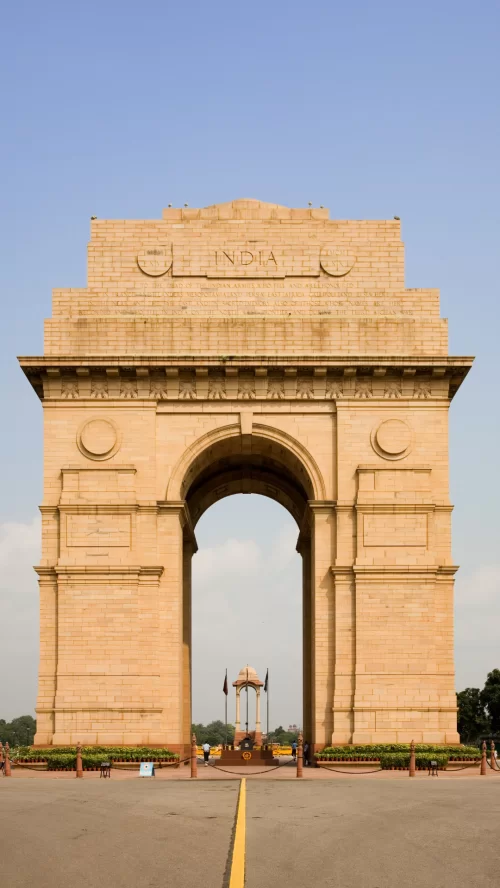
India Gate is a prominent war memorial located along Kartavya Path. It commemorates Indian soldiers who died during the First World War and related military campaigns.
The surrounding avenues are popular for photography and evening walks. Visitors can also explore the nearby National War Memorial, subject to security arrangements and current access conditions.
Gurudwara Bangla Sahib is an important Sikh place of worship near Connaught Place. It is known for its golden dome, sacred sarovar and community kitchen, where langar is served.
Visitors should cover their heads, remove their shoes and follow the customs of the gurudwara. Allow around 30 to 45 minutes for a short visit.
Lotus Temple is a Bahá'í House of Worship in the Kalkaji area. Its distinctive flower-shaped architecture and quiet prayer hall attract visitors interested in design, spirituality and peaceful surroundings.
Visitors are expected to maintain silence inside the prayer hall. The temple normally remains closed on Mondays, and seasonal visiting hours should be checked before travelling.
Planning recommendation: Choose six to eight major attractions across two days, with additional stops only when they are nearby and time permits. Visitors particularly interested in Akshardham or museums should replace other attractions rather than adding them to an already crowded itinerary.
Begin the first day of your Delhi 2 days itinerary in Old Delhi, where some of the capital's most important Mughal-era landmarks, traditional markets and food streets are located close together. A practical Day 1 route covers Red Fort, Jama Masjid and Chandni Chowk in the morning, followed by Raj Ghat, Gurudwara Bangla Sahib and Connaught Place later in the day. Starting early and using the metro for longer transfers will help reduce time spent in traffic.
Start your morning around Chandni Chowk, one of Delhi's oldest commercial districts. The surrounding streets contain traditional shops, religious landmarks, food establishments and historic trading lanes.
Enjoy breakfast at an established local eatery serving dishes such as chole bhature, stuffed parathas or traditional snacks. Some shops open later in the morning, so check the operating hours of any particular establishment you want to visit.
Explore selected streets on foot rather than attempting to cover the entire market. Comfortable footwear is essential because the area can become crowded and involves considerable walking.
Proceed to Red Fort, one of Delhi's most important UNESCO World Heritage Sites. Built during the reign of Shah Jahan, the fort features monumental gateways, red sandstone walls and surviving structures associated with the Mughal imperial court.
Allow approximately two hours for security checks, walking and exploring the accessible sections. Visitors interested in history can spend additional time examining the architectural details and learning about the fort's role in India's past.
Confirm current opening arrangements before travelling, particularly around major national events when access restrictions may apply.
Travel towards Jama Masjid, an important Mughal-era mosque near Chandni Chowk. Its large courtyard, minarets and red sandstone and marble architecture make it an interesting stop for visitors exploring Delhi's historical and religious heritage.
Dress modestly, remove footwear where required and follow the instructions of mosque authorities. Tourist access can be restricted during prayers, particularly around Friday congregational worship.
Allow around 30 to 45 minutes for a short visit, with additional flexibility for crowded conditions.
Enjoy lunch around Chandni Chowk or the Jama Masjid area. Visitors interested in traditional vegetarian food can try chaat, parathas and North Indian meals, while the streets around Matia Mahal are associated with kebabs, biryani and Mughlai dishes.
Choose a clean, established restaurant and allow time for queues. During summer, an indoor dining break is particularly useful before continuing with afternoon sightseeing.
After lunch, travel towards Raj Ghat, the memorial dedicated to Mahatma Gandhi. The memorial is set within landscaped grounds and provides a quieter experience than the crowded streets of Old Delhi.
Visitors can pay their respects and spend time exploring the peaceful surroundings. Allow approximately 30 to 45 minutes at the memorial, with additional time for the journey from Old Delhi.
Maintain respectful behaviour and follow any security or access instructions.
Continue towards Central Delhi and visit Gurudwara Bangla Sahib near Connaught Place. The gurudwara is known for its golden dome, sacred sarovar and community kitchen.
Visitors can observe the prayer hall and learn about Sikh traditions, including the importance of langar and community service. Heads must be covered and shoes removed before entering.
Allow approximately 30 to 45 minutes for the visit, with additional time for travel from Raj Ghat.
Spend the late afternoon exploring Connaught Place, one of Delhi's main shopping and dining districts. Its circular shopping arcades contain restaurants, cafés, bookshops and retail stores.
Visitors interested in street shopping can continue towards Janpath Market, known for clothing, accessories, handicrafts and souvenirs. Individual market stalls may have different closing times.
Enjoy refreshments or an early dinner before returning to your hotel. Travellers who prefer a relaxed schedule can finish the day here without adding more attractions.
Day 1 travel advice: This is a full sightseeing day involving considerable walking. If travelling with children or senior citizens, skip Raj Ghat or reduce shopping time to allow longer breaks. Keep the Old Delhi attractions together and avoid repeated journeys between Old Delhi and Central Delhi.
The second day of your Delhi sightseeing itinerary focuses on important landmarks in South Delhi and New Delhi. Qutub Minar, Lotus Temple, Humayun's Tomb and India Gate provide a combination of historical architecture, religious heritage and modern civic landmarks. These attractions are spread across different neighbourhoods, so a private cab or a combination of metro and short road transfers can make the journey more convenient.
Begin the day at Qutub Minar in Mehrauli. This UNESCO World Heritage Site is one of Delhi's most significant examples of early Delhi Sultanate architecture.
Explore the Qutub complex, which contains the minaret, Quwwat-ul-Islam Mosque, Iron Pillar, Alai Darwaza and other historical structures. The detailed stone carvings and inscriptions make the complex particularly interesting for architecture enthusiasts.
Allow approximately 90 minutes to two hours for sightseeing. Climbing inside Qutub Minar is not permitted.
After Qutub Minar, continue towards Lotus Temple in the Kalkaji area. The journey crosses busy parts of South Delhi, so allow sufficient time for road traffic or metro transfers.
A private cab is convenient for direct travel, while metro users can plan a connection towards Kalkaji Mandir Metro Station and complete the remaining distance on foot or by local transport.
Lotus Temple is a Bahá'í House of Worship known for its distinctive flower-shaped architecture. Visitors can admire the exterior and enter the prayer hall for silent reflection, subject to the temple's visiting arrangements.
The temple welcomes visitors from different religious backgrounds. Silence is expected inside, and photography restrictions may apply.
Allow approximately 45 minutes to one hour, including walking and waiting time. Lotus Temple is normally closed on Mondays, so visitors travelling on that day should choose an alternative attraction.
Enjoy lunch at a convenient restaurant around Kalkaji, Nehru Place or along the route towards Nizamuddin. Choose a location that does not require a significant detour.
After lunch, continue towards Humayun's Tomb. Allow sufficient time for traffic, especially during weekday afternoon hours.
Humayun's Tomb is a UNESCO World Heritage Site and an important example of Mughal garden-tomb architecture. The complex features a large central mausoleum, symmetrical pathways, landscaped gardens and several smaller historical structures.
Visitors can explore the gardens and appreciate the architectural features that influenced later Mughal monuments. The spacious complex is especially suitable for heritage photography and travellers interested in Indian history.
Allow approximately 90 minutes to two hours for a comfortable visit. Carry drinking water because much of the sightseeing takes place outdoors.
Sunder Nursery is a landscaped heritage park near Humayun's Tomb. It contains restored monuments, gardens, walking paths and water features.
The park is a pleasant option for travellers who want to spend additional time outdoors. However, visitors who are tired after exploring Qutub Minar and Humayun's Tomb can skip this stop and proceed towards India Gate.
Entry arrangements and opening hours should be checked before visiting.
Complete the main sightseeing programme around India Gate and Kartavya Path. India Gate commemorates Indian soldiers who died during the First World War and related campaigns.
Visitors can walk around the designated public areas and explore the nearby National War Memorial, subject to security and visitor access arrangements.
Late afternoon and early evening are often suitable for photography and walking, although weather, air pollution and public events can affect the experience.
After visiting India Gate, enjoy dinner around Connaught Place, Khan Market or another convenient location along your return route.
Travellers with a late-night train or flight should leave sufficient time for traffic, luggage collection and departure procedures. Avoid adding distant attractions after completing a full day of sightseeing.
Day 2 travel advice: The route involves several long transfers and considerable walking. If you prefer a relaxed experience, choose Qutub Minar, Humayun's Tomb and India Gate as the three principal attractions. Lotus Temple and Sunder Nursery can remain optional depending on available time and energy.
Evenings in Delhi offer opportunities to explore shopping districts, enjoy traditional food and visit important public landmarks. During a two-day trip, it is best to keep evening activities close to the final sightseeing location rather than travelling across the city again. Connaught Place, Janpath, India Gate and selected food markets are practical options depending on your interests.
Connaught Place is one of Delhi's most convenient areas for evening shopping and dining. Its circular shopping arcades contain established restaurants, cafés, retail stores and bookshops.
Visitors can walk through the commercial district, enjoy dinner or browse shops. Rajiv Chowk Metro Station provides convenient access to several parts of the city.
Connaught Place is particularly suitable after visiting Gurudwara Bangla Sahib or other Central Delhi attractions.
Janpath Market is popular for affordable clothing, fashion accessories, handicrafts and souvenirs. It is located near Connaught Place and can be included in the same evening outing.
Street shopping requires some patience because prices, product quality and bargaining practices vary between sellers. Many stalls begin closing during the evening, so visitors should arrive with enough time to browse.
Chandni Chowk is an interesting destination for visitors who enjoy traditional shopping streets. Its lanes are associated with textiles, jewellery, spices, sweets and local food.
Shopping is generally better during active market hours rather than late at night. Many wholesale and retail establishments have weekly closures, particularly on Sundays, although individual businesses follow different schedules.
For a two-day itinerary, Chandni Chowk is best explored during the first day's Old Delhi sightseeing rather than as a separate evening journey.
The streets around Jama Masjid and Matia Mahal are associated with Mughlai cuisine, including kebabs, biryani, grilled dishes and rich curries.
Visitors interested in traditional Delhi food can explore established restaurants in the area. Karim's is one of the longstanding names associated with Mughlai dining near Jama Masjid.
The area can become crowded during evenings and festive periods. Choose hygienic establishments and arrange reliable transport for your return journey.
Delhi offers a wide variety of vegetarian street food, including chole bhature, aloo tikki, papdi chaat, golgappe, dahi bhalla and stuffed parathas.
Chandni Chowk, Bengali Market and several established neighbourhood markets are popular places to try these dishes. Visitors with sensitive stomachs should choose freshly prepared food and safe drinking water.
Traditional sweets such as jalebi, rabri and kulfi are also popular, although individual specialities and seasonal availability vary.
India Gate and the surrounding Kartavya Path area are popular for evening walks and photography. The illuminated memorial can provide a different experience from daytime sightseeing.
Visitors should use designated pedestrian areas and follow security instructions. Access may be restricted during government events or public gatherings.
Winter visitors should also consider air-quality conditions before spending extended periods outdoors.
Dilli Haat INA is an organised cultural market featuring handicrafts, textiles and regional food stalls. It provides an opportunity to browse products associated with different parts of India.
The market is suitable for travellers who prefer a structured shopping environment. It is accessible from Dilli Haat–INA Metro Station, although opening hours and entry arrangements should be checked before visiting.
Travellers staying around Greater Kailash, Hauz Khas or Saket can explore nearby cafés and restaurants instead of returning to Central Delhi for dinner.
These neighbourhoods offer different dining experiences, from casual cafés to established restaurants. Choose a location close to your hotel or final sightseeing stop to avoid unnecessary evening traffic.
Practical recommendation: Keep evening plans flexible. Shopping markets, restaurants and public landmarks have different operating arrangements, and a comfortable dinner after sightseeing may be more enjoyable than adding another distant attraction.
The best Delhi 2 days itinerary depends on who is travelling and what they want to experience. Families may prefer museums and manageable walking distances, while couples may enjoy historical gardens, cafés and relaxed sightseeing. First-time visitors often benefit from a balanced route covering Old Delhi, Central Delhi and selected South Delhi landmarks.
Families should choose attractions that combine sightseeing with engaging experiences for children. Avoid long sequences of monuments, particularly during summer when outdoor walking can become exhausting.
Family travel tip: Carry drinking water, snacks and essential supplies for children. Confirm washroom facilities, stroller access and available transport before visiting large monument complexes.
Couples can combine historical sightseeing with gardens, shopping and relaxed dining. The following route provides opportunities for photography and exploring different neighbourhoods without trying to cover too many attractions.
Couples travel tip: February and early March are often comfortable for outdoor sightseeing, while summer visits should include longer indoor breaks.
First-time visitors should experience both the historical atmosphere of Old Delhi and the broader avenues and monuments of New Delhi. This route offers a balanced introduction to the capital.
First-time visitor tip: Prioritise the main attractions and treat additional stops as optional. Traffic, security checks and walking distances can make sightseeing slower than expected.
Travellers particularly interested in historical monuments can spend both days exploring different periods of Delhi's architectural heritage.
This route includes major examples of Delhi Sultanate and Mughal architecture. Allow enough time at each monument rather than rushing through the complexes.
Older travellers may prefer shorter sightseeing days with comfortable transport and regular breaks. Delhi's large monument complexes can involve stairs, uneven surfaces and considerable walking.
Choose accommodation with lift access and convenient transport connections. Confirm accessibility facilities at individual attractions before travelling.
Planning advice: Select one itinerary that matches your interests rather than combining all the suggested routes. Two comfortable sightseeing days are generally more enjoyable than an overloaded schedule.
Travelling between Delhi tourist attractions requires planning because the city covers a large area and traffic can be heavy. The Delhi Metro is convenient for many major sightseeing districts, while cabs and auto-rickshaws are useful for shorter connections and attractions located away from metro stations. For a two-day Delhi trip, combining public transport with occasional road transfers can save time and reduce expenses.
The Delhi Metro connects important areas across Old Delhi, Central Delhi, South Delhi and neighbouring parts of the National Capital Region. It is often preferable to road transport during busy commuting hours.
Visitors can use available QR-based tickets, eligible travel cards and other accepted ticketing options. Tourist travel cards may also be available, but current prices, validity and conditions should be confirmed with Delhi Metro Rail Corporation.
Begin around Lal Qila or Chandni Chowk Metro Station and explore Old Delhi on foot. Red Fort, Jama Masjid and the surrounding markets are relatively close, although crowded lanes can slow movement.
After lunch, use a cab or suitable public transport connection to visit Raj Ghat. Continue towards Gurudwara Bangla Sahib and Connaught Place, using the metro where convenient.
Rajiv Chowk Metro Station provides connections for returning to many parts of Delhi after evening shopping or dinner.
Start at Qutub Minar in Mehrauli. Metro users can travel towards Qutab Minar Metro Station and use an auto-rickshaw or cab for the remaining journey.
Continue towards Lotus Temple in Kalkaji, then travel towards Humayun's Tomb in the Nizamuddin area. Complete the day around India Gate if time and energy permit.
Because these attractions are spread across South and Central Delhi, a private cab may be more convenient for families or groups. Independent travellers can use the metro for longer sections and local transport for the final connections.
A private cab provides door-to-door transport and is useful for families, senior citizens and groups travelling together. It also offers flexibility when changing sightseeing plans.
However, road congestion and parking restrictions can increase journey time. Some monuments require passengers to walk from designated vehicle drop-off points.
Before booking, confirm the vehicle category, total hours, kilometre allowance, parking charges, tolls and additional costs.
App-based cabs are useful for individual transfers between attractions, restaurants and hotels. Auto-rickshaws are practical for shorter journeys from metro stations to nearby monuments.
Cab fares can change because of demand, traffic and vehicle category. For auto-rickshaws, use the meter where applicable or confirm the fare before travelling if a metered journey is unavailable.
Organised sightseeing buses can be an option for visitors who prefer a structured tour. Delhi Transport Corporation has published a Delhi Darshan sightseeing service covering selected landmarks such as Red Fort, Qutub Minar, Lotus Temple and Humayun's Tomb.
These tours generally follow fixed schedules and provide limited time at individual attractions. Confirm current operations, routes, ticket prices and boarding arrangements directly with the operator before relying on the service.
Recommended approach: Use the metro and walking routes for Old Delhi and Central Delhi on Day 1. Consider a private cab or a combination of metro and local transport for the more widely spaced South Delhi attractions on Day 2.
The cost of a Delhi 2 days trip depends on accommodation standards, local transport, food preferences and the number of paid attractions included. Delhi offers economical guesthouses, mid-range hotels and luxury properties, allowing travellers to plan according to their budget. A realistic estimate should include one or two hotel nights, meals, sightseeing tickets, transport and a small allowance for unexpected expenses.
Hotel prices vary according to location, season, room category, availability and included facilities. The following figures are broad planning estimates rather than confirmed live hotel rates.
For a two-day itinerary with one overnight stay, calculate one hotel night. Travellers arriving the previous evening or departing on the following morning may require two nights.
Choose accommodation based on transport convenience rather than hotel price alone. A cheaper property far from your planned attractions can increase daily travel expenses and reduce sightseeing time.
Delhi has a wide range of restaurants and local food establishments. Travellers can manage food expenses by choosing established economical eateries or spend more on premium dining.
For two days, a basic food allowance of approximately ₹1,000–₹2,500 per person may be workable depending on meal choices. Travellers selecting more expensive restaurants should budget accordingly.
The Delhi Metro is generally an economical choice for sightseeing between well-connected areas. Actual fares depend on distance, route and the ticketing option used.
For rough planning, a public transport allowance of approximately ₹200–₹500 per person across two days may be useful when relying mainly on metro services. Additional auto-rickshaw and cab journeys will increase the amount.
Private cab expenses depend on vehicle category, duration, distance and the number of passengers sharing the cost. Request a complete quotation rather than assuming a fixed citywide sightseeing rate.
Some attractions require paid tickets, while others can be visited without a general entry charge. Fees for protected monuments may differ for Indian and foreign visitors, and separate charges may apply for special experiences.
Check current official ticket prices before visiting. Older travel guides may display outdated rates, particularly for monuments, exhibitions and special visitor categories.
The following estimates are intended for Indian domestic travellers sharing a hotel room, with one overnight stay and two days of sightseeing. They exclude travel to Delhi, substantial shopping and premium activities.
These are broad estimates, not package quotations. Solo travellers may spend more on accommodation, while families and groups can share room and vehicle expenses. Additional hotel nights will increase the total cost.
Budget recommendation: For most travellers, accommodation and private transport are the largest variable expenses. Selecting a conveniently located hotel and following a geographically organised sightseeing route can help control costs without reducing the quality of the trip.
The best time to visit Delhi for a two-day sightseeing trip is generally during the cooler months, particularly February and early March when outdoor conditions are often comfortable. However, seasonal weather, air pollution, monument opening hours and weekly closures can affect your itinerary. Checking these details before travelling is essential because even one unexpected closure can disrupt a short trip.
Delhi experiences significant seasonal changes, from intense summer heat to cold winter mornings and humid monsoon conditions. The most suitable travel period depends on your comfort with outdoor walking and the attractions you plan to visit.
Red Fort generally admits visitors during daytime sightseeing hours, with published schedules commonly listing approximately 9:30 AM to 4:30 PM. The monument has traditionally been listed as closed on Mondays, but closure policies and special access arrangements should be confirmed through the Archaeological Survey of India before travelling.
Allow approximately 90 minutes to two hours for the visit. Security preparations around major national events, particularly Independence Day, can affect access.
Qutub Minar is generally open to visitors throughout the week during designated monument visiting hours. The complex is best explored during the morning or late afternoon, particularly in warmer weather.
Allow approximately one to two hours. Climbing the minaret is prohibited, and visitors should remain within permitted areas of the archaeological complex.
Humayun's Tomb is generally open throughout the week during designated daytime visiting hours. Its spacious gardens and monument complex require considerable walking.
Allow approximately 90 minutes to two hours, particularly if you want to explore the smaller historical structures and landscaped grounds.
Lotus Temple normally remains closed on Mondays. Visiting hours vary by season, and access to the prayer hall is subject to visitor arrangements.
Visitors should maintain silence inside and follow photography restrictions. Allow approximately 45 minutes to one hour, with additional time during crowded periods.
Swaminarayan Akshardham is normally closed on Mondays. The complex has separate arrangements for general entry, exhibitions and the evening water show.
Mobile phones, cameras and various electronic items are restricted inside. Visitors should check the current security rules, exhibition timings and ticket arrangements before travelling.
Allow several hours if planning to explore the exhibitions rather than visiting only the main monument.
Jama Masjid is an active mosque, and tourist access can be restricted during prayers and religious occasions. Visitors should dress modestly and follow local instructions.
Gurudwara Bangla Sahib generally welcomes visitors throughout the day and night, subject to security arrangements. Heads must be covered and shoes removed before entering.
Final travel recommendation: A two-day Delhi itinerary is ideal for experiencing the capital's major historical landmarks, traditional markets, religious attractions and modern city life. By dividing sightseeing geographically, using suitable transport and allowing enough time at each attraction, visitors can enjoy a comfortable and informative Delhi trip without unnecessary rushing.


Get customized Delhi tour planning designed around traffic flow, seasonal weather comfort, heritage site exploration time, and realistic city pacing. Whether you are visiting for historical monuments, cultural experiences, food walks, shopping districts,
⚡ Quick Response | 💰 Free consultation | 🕒 24×7 expert support

