



Best Street Food in Chandni Chowk – What and Where to Eat
Discover Chandni Chowk's famous street food, from traditional parathas and chaat to sweets and savoury snacks, with guidance on food lanes, local specialities and hygiene.
+91 9910402252
admin@chalbanjare.com


Plan a one-day Delhi sightseeing itinerary with major landmarks, a practical visiting sequence, transport options and time-saving tips for exploring the city.
The best places to visit in Delhi in one day include Red Fort, Jama Masjid, Chandni Chowk, Gurudwara Bangla Sahib, India Gate and Connaught Place. These attractions offer a combination of Mughal history, religious heritage, local markets and modern city experiences. They are also relatively practical to combine compared with attempting to cover every major monument across Delhi.
Tourists should select around four to six principal stops for a comfortable one-day trip. Visiting more attractions is possible, but travel delays, security checks, walking distances and meal breaks can make an overloaded itinerary exhausting.
Red Fort, also known as Lal Qila, is one of Delhi's most important historical landmarks and a UNESCO World Heritage Site. Built during the reign of Mughal emperor Shah Jahan, the fort is known for its red sandstone walls, impressive gateways and surviving palace structures.
Visitors can explore the accessible sections of the fort and learn about Mughal architecture and India's history. Allow approximately 90 minutes to two hours for a meaningful visit. Red Fort is normally closed to visitors on Mondays, so adjust your itinerary accordingly.
Jama Masjid is among Delhi's most significant Mughal-era mosques. Its large courtyard, marble details and imposing minarets make it an important attraction for tourists interested in architecture and religious heritage.
The mosque is located within the busy streets of Old Delhi, making it convenient to combine with Chandni Chowk. Allow approximately 30 to 45 minutes, depending on prayer arrangements and visitor access. Dress modestly and respect restrictions during prayer times.
Chandni Chowk is one of Delhi's oldest commercial districts, known for narrow shopping lanes, traditional food establishments, jewellery shops, textiles and spice markets. Walking through the area gives visitors a closer look at Old Delhi's trading culture and everyday street life.
Tourists can explore selected lanes, try traditional snacks and visit local shops. Allow approximately one hour for a short visit or longer if shopping and food are priorities. The area becomes crowded during weekends and festive shopping periods.
Gurudwara Bangla Sahib is a prominent Sikh place of worship near Connaught Place. It is recognised for its golden dome, sacred sarovar and community kitchen, where langar is served.
Visitors from different backgrounds are welcome. Heads must be covered and shoes removed before entering. Allow approximately 30 to 45 minutes for a respectful visit, although the time required may increase during busy periods.
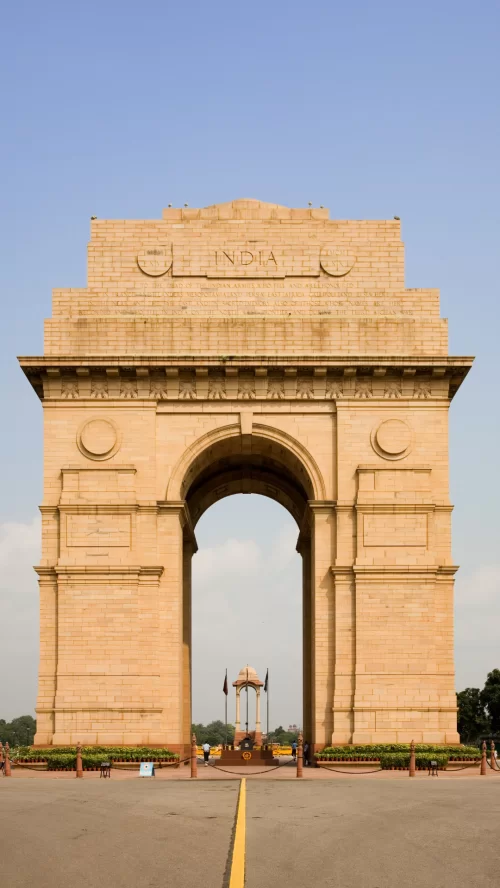
India Gate is a major war memorial located along Kartavya Path. Its large stone arch commemorates Indian soldiers who died during the First World War and related military campaigns.
The surrounding avenues are popular for photography and evening walks. Visitors can also explore the nearby National War Memorial, subject to current access arrangements. Allow around 30 to 60 minutes for this area.
Connaught Place is one of Delhi's best-known shopping and dining districts. Its circular layout, colonial-era architecture, branded stores, restaurants and cafés make it a convenient final stop on a one-day sightseeing trip.
Tourists can enjoy dinner, explore the shopping arcades or visit nearby Janpath Market when shops are open. Rajiv Chowk Metro Station provides convenient connections to several parts of Delhi.
Important planning advice: Qutub Minar, Akshardham Temple and Lotus Temple are worthwhile attractions, but adding all of them to an Old Delhi sightseeing route is not practical for most one-day visitors. Choose attractions based on location and personal interests rather than trying to cover every major landmark.
Old Delhi is a practical starting point for a one-day Delhi sightseeing tour because Red Fort, Jama Masjid and Chandni Chowk are located within the same historical area. Beginning early helps visitors avoid some of the traffic congestion and allows enough time to explore monuments before moving towards Central Delhi.
Start your morning around Chandni Chowk, where traditional shops, food establishments and narrow market streets reflect Old Delhi's commercial history. Visitors can enjoy breakfast at an established local eatery and explore the surrounding area before the busiest shopping hours.
Popular breakfast choices include chole bhature, stuffed parathas and traditional snacks. However, not every shop opens early, and some market lanes become more active later in the morning.
Keep breakfast relatively light if you plan to spend several hours walking. Comfortable shoes are particularly useful because the streets can be uneven and crowded.
Proceed to Red Fort for the main historical sightseeing experience of the morning. The fort complex includes monumental gateways, courtyards and surviving Mughal-era structures that provide insight into Delhi's imperial history.
Allow approximately two hours, including entry procedures and walking within the complex. Entry arrangements, ticket categories and accessible sections should be checked before visiting.
If Red Fort is closed on your travel date, use the available time to explore other Old Delhi landmarks or adjust the itinerary towards Central Delhi.
After Red Fort, travel towards Jama Masjid. The journey is relatively short, although crowded roads and market activity can slow movement.
Spend time appreciating the mosque's architecture and large courtyard. Visitors should maintain silence where appropriate, dress modestly and follow instructions from mosque authorities.
Prayer times can affect tourist access, particularly around midday and on Fridays. If visitor access is restricted, adjust the schedule rather than rushing or interrupting religious activities.
Complete the morning with lunch around Chandni Chowk or the Jama Masjid area. Visitors interested in vegetarian food can explore established shops serving chaat, parathas and North Indian meals, while the Matia Mahal area is known for Mughlai dishes and kebabs.
Choose a clean, established establishment and allow enough time for queues. During summer, an indoor restaurant may be more comfortable than continuing a long street food walk.
Morning route: Chandni Chowk breakfast and market walk, followed by Red Fort, Jama Masjid and lunch in Old Delhi. This schedule leaves the afternoon available for Central Delhi attractions without unnecessary travel across the city.
After exploring Old Delhi, spend the afternoon visiting important landmarks around Central Delhi. Gurudwara Bangla Sahib, Connaught Place and India Gate are practical choices because they offer different sightseeing experiences without requiring a long journey towards South Delhi. The afternoon schedule should remain flexible, especially during summer when walking outdoors can become uncomfortable.
After lunch, leave the Jama Masjid or Chandni Chowk area and travel towards Connaught Place. The metro is generally a convenient option because it avoids much of the road congestion around Old Delhi.
Visitors can use appropriate metro connections to reach Rajiv Chowk or another station near their next attraction. Travelling by cab is also possible, although traffic and parking can increase journey time.
Allow approximately 30 to 45 minutes for the transfer, including walking to and from metro stations. Actual travel time depends on the starting point, transport mode and traffic conditions.
Gurudwara Bangla Sahib is an important Sikh religious landmark located near Connaught Place. Its golden dome, sacred sarovar and peaceful prayer areas make it a meaningful stop for visitors interested in Delhi's religious and cultural heritage.
Tourists can observe the prayer hall and learn about the tradition of langar, the community meal served at Sikh gurudwaras. Visitors should cover their heads, remove their shoes and follow the instructions provided at the premises.
Allow around 30 to 45 minutes for the visit. Additional time may be needed during religious occasions or busy periods.
Connaught Place is one of New Delhi's principal shopping and commercial districts. Its circular arrangement of white colonnaded buildings, restaurants and retail stores provides a different experience from the narrow historical streets of Old Delhi.
Visitors can explore the shopping arcades, stop for refreshments or browse selected shops. Janpath Market is another nearby option for travellers interested in souvenirs, clothing and accessories.
During summer, this is a useful opportunity to rest inside a café or restaurant before continuing with outdoor sightseeing.
Jantar Mantar is an eighteenth-century astronomical observatory near Connaught Place. Its large masonry instruments were designed to observe and measure astronomical positions.
The attraction is suitable for tourists interested in science, architecture and historical methods of astronomical observation. Allow approximately 30 to 45 minutes if including it in the itinerary.
Travellers who spent longer in Old Delhi or prefer a relaxed schedule can skip this stop and proceed directly towards India Gate later in the afternoon.
Travel from the Connaught Place area towards India Gate and Kartavya Path. A cab or auto-rickshaw can be convenient for this relatively short cross-city transfer, depending on traffic restrictions and available drop-off points.
Use designated pedestrian access routes when approaching the memorial area. Security arrangements and public events can occasionally affect vehicle movement and visitor access.
Travellers who are more interested in Mughal architecture than shopping can replace Connaught Place and Jantar Mantar with a visit to Humayun's Tomb.
The UNESCO World Heritage Site features a large Mughal garden tomb, symmetrical pathways and several historic structures. Allow approximately 90 minutes to two hours for a comfortable visit.
Humayun's Tomb is not immediately beside Connaught Place, so this alternative works best when the afternoon is dedicated to the Nizamuddin area. Visitors should avoid trying to include every Central Delhi attraction alongside it.
Recommended afternoon route: Old Delhi to Gurudwara Bangla Sahib, followed by Connaught Place and an optional visit to Jantar Mantar. Continue towards India Gate in the late afternoon or early evening.
Evening is a good time to enjoy Delhi's major public landmarks, shopping districts and local food, particularly after a busy morning of historical sightseeing. For a one-day Delhi itinerary, India Gate and Connaught Place are convenient choices because they can be combined without travelling to distant parts of the city. However, visitors should adjust the evening schedule according to weather, traffic and their return journey.
Begin the evening around India Gate, one of Delhi's most recognisable landmarks. The memorial commemorates Indian soldiers who died during the First World War and related campaigns.
The surrounding Kartavya Path area is suitable for walking and photography when access is permitted. Visitors can also explore the nearby National War Memorial, which honours members of India's armed forces.
Late afternoon is often more comfortable than midday during warmer months. However, winter fog, poor air quality and security arrangements may affect the experience.
After India Gate, return towards Connaught Place if shopping is a priority. The area offers branded retail stores, cafés, bookshops and restaurants.
Janpath Market is popular for affordable clothing, handicrafts, accessories and souvenirs. Individual stalls may begin closing in the evening, so visitors interested in street shopping should arrive before the market winds down.
Travellers who have already explored Connaught Place during the afternoon can skip this stop and spend more time at India Gate or enjoy an early dinner.
Connaught Place has numerous restaurants serving North Indian food, regional Indian cuisines and international dishes. It is a convenient dinner location because of its central position and access to Rajiv Chowk Metro Station.
Visitors interested in traditional Delhi flavours can try dishes such as butter chicken, dal makhani, paneer preparations, kebabs or chaat, depending on their food preferences.
Choose an established restaurant and check the kitchen's operating hours, especially when travelling late or during public holidays.
Food enthusiasts may prefer spending the evening around Jama Masjid and Matia Mahal, where traditional restaurants serve Mughlai dishes, kebabs, biryani and other specialities.
This option is best when the itinerary is already focused on Old Delhi. Returning there after extensive Central Delhi sightseeing may involve unnecessary travel and crowded streets.
Visitors should choose hygienic food establishments and use reliable transport for their onward journey.
Swaminarayan Akshardham is another option for travellers interested in spiritual architecture and cultural experiences. The complex offers exhibitions and an evening water show, subject to current schedules and ticket availability.
However, Akshardham requires substantial time because of security checks, walking distances and the duration of its experiences. It is better treated as a replacement for the regular evening programme rather than an additional stop after India Gate and Connaught Place.
The complex is closed on Mondays, and mobile phones, cameras and several electronic items are restricted inside.
Recommended evening route: India Gate and Kartavya Path, followed by shopping or dinner around Connaught Place. Travellers with an early departure should shorten the evening rather than risk missing their train or flight.
There is no single Delhi one day sightseeing route that suits every traveller. Some visitors prefer historical monuments, while others want shopping, food, religious attractions or family-friendly activities. Choosing a route based on your interests helps reduce unnecessary travel and gives you more time to enjoy each attraction.
This route combines historical monuments, traditional markets, religious heritage and modern landmarks. It is suitable for tourists who want an introduction to both Old Delhi and New Delhi.
Best for: First-time visitors, couples and tourists seeking a balanced introduction to Delhi. The schedule is approximate and should be adjusted for queues, traffic and religious activities.
History enthusiasts can focus on Delhi's major architectural landmarks rather than spending time shopping. This route requires careful planning because some monuments are located far apart.
Best for: History enthusiasts, architecture lovers and heritage photographers. A private cab can make transfers more convenient, although road traffic should still be considered.
Families should prioritise manageable walking distances, regular breaks and attractions that interest children. Avoid attempting to cover too many large monument complexes in one day.
Best for: Families with young children and visitors who prefer a less demanding sightseeing schedule. Check museum facilities and accessibility before travelling.
Travellers primarily interested in markets and food can spend the day exploring selected shopping districts rather than visiting several monuments.
Best for: Food lovers, shoppers and visitors interested in Delhi's traditional commercial culture. Market opening hours and weekly closure days should be checked before departure.
Delhi has several important places of worship representing different religious traditions. A spiritual sightseeing itinerary should provide enough time for prayer, quiet reflection and local visitor procedures.
Best for: Families and travellers interested in spiritual architecture and religious heritage. Lotus Temple and Akshardham are both closed on Mondays, so this route is unsuitable on that day without changes.
Older travellers may prefer fewer attractions, shorter walking distances and comfortable transport. A relaxed schedule is particularly important during extreme heat, cold weather or poor air-quality conditions.
Best for: Senior citizens, visitors with limited mobility and travellers who prefer a comfortable sightseeing pace. Confirm accessibility facilities at individual attractions before travelling.
Planning recommendation: Select one principal route and keep only one optional attraction. Combining multiple routes in a single day usually results in excessive travel and less time at the places you actually want to explore.
Choosing the right transport is essential for completing a Delhi one day itinerary comfortably. The city has an extensive metro network, app-based cabs, auto-rickshaws, public buses and private sightseeing vehicles. For independent tourists, the Delhi Metro is often the most efficient way to travel between well-connected areas, while cabs are useful for attractions that require additional road transfers.
The Delhi Metro connects many major tourist districts and helps visitors avoid traffic congestion on busy roads. It is particularly useful for travelling between Old Delhi, Connaught Place and other central locations.
Metro stations have security checks, ticketing facilities and route information. Travellers can use available QR-based tickets, eligible travel cards and other accepted payment methods.
Check the latest Delhi Metro route information before travelling because station access, interchange arrangements and services may change.
A private cab is convenient for families, groups and travellers who prefer door-to-door transport. It can be particularly useful when visiting attractions spread across different neighbourhoods.
However, a cab does not eliminate traffic congestion. Parking restrictions around monuments and crowded markets may also require passengers to walk from designated drop-off points.
Before booking a full-day vehicle, confirm the total hours, kilometre allowance, parking charges, tolls, driver allowance and extra-hour rates.
App-based cab services are useful for individual transfers between tourist attractions, restaurants and railway stations. They can provide greater flexibility than booking a vehicle for the entire day.
Fares vary according to demand, traffic, vehicle category and journey distance. Pickup locations can also be restricted near busy markets and monuments.
Auto-rickshaws are practical for short distances between metro stations and nearby attractions. They are especially useful when a monument is not directly beside a station.
Use the meter where applicable or confirm the fare before starting if a metered journey is unavailable. App-based auto bookings may be available in selected areas.
Organised Delhi sightseeing bus services can be useful for visitors who prefer a structured route. Government-operated and private sightseeing tours may cover selected historical monuments and important landmarks.
However, bus tours generally follow fixed schedules and provide limited time at each attraction. Confirm the operator's current route, boarding point, inclusions and sightseeing duration before booking.
Recommended transport combination: Use the metro for major journeys between Old Delhi and Central Delhi, then choose short cab or auto-rickshaw transfers where necessary. This approach is usually practical for independent tourists following a compact one-day sightseeing route.
A one day Delhi trip can be planned on a modest budget or with more comfortable private transport and restaurant choices. The total cost depends on the attractions visited, entry ticket categories, food preferences and transport arrangements. Travellers should separate compulsory sightseeing expenses from optional shopping, guided tours and premium experiences.
For an independent Indian traveller using public transport and economical restaurants, a broad planning budget of ₹800 to ₹1,800 per person may be reasonable for a day of sightseeing. Visitors using private cabs, guided tours or more expensive restaurants should expect higher expenses.
These figures are estimates rather than confirmed package prices and exclude accommodation, travel to Delhi and substantial shopping.
Some of Delhi's most important landmarks can be visited without a general entry ticket, while protected monuments and certain cultural experiences require paid admission.
Monument ticket prices may be revised, and separate charges can apply for exhibitions, special experiences or visitor categories. Check the latest official rates before travelling rather than relying on older published price lists.
Delhi offers food options for different budgets, from traditional street snacks to established restaurants and premium dining venues.
These are broad estimates for planning. Actual bills depend on the establishment, portion size, location and individual food choices.
Metro travel is generally economical for visitors covering several well-connected areas. Total expenditure depends on the number of journeys and distance travelled.
For rough planning, an allowance of ₹100–₹250 per person for multiple metro journeys may be useful, although actual fares should be checked against the current fare structure.
Short auto-rickshaw journeys and app-based cab transfers increase the transport budget. The amount depends on distance, traffic, demand and the number of passengers sharing the fare.
Travellers hiring a private vehicle should obtain a complete quotation before booking. A full-day cab may be charged according to a fixed time and kilometre allowance, with additional charges for extra distance, parking, tolls or extended use.
Vehicle category, passenger capacity, season and pickup location can significantly affect the price. A private cab is often more economical per person when its total cost is shared by a family or group.
These estimates are indicative and should not be treated as live quotations. Private vehicle costs are especially dependent on the number of passengers sharing the booking.
Budget recommendation: A visitor following the Old Delhi and Central Delhi route can often manage costs effectively by using metro services, choosing a few paid attractions and eating at reasonably priced local establishments. Travellers prioritising comfort should allocate more money to transport rather than trying to reduce essential sightseeing time.
Checking opening hours and weekly closures is one of the most important steps when planning a Delhi one day itinerary. Several attractions have different schedules, and religious sites may restrict tourist access during prayers. A carefully planned route can still be disrupted by traffic, weather, security arrangements or unexpectedly long queues, so visitors should confirm essential details before departure.
Red Fort generally opens during daytime visiting hours, with official tourism information commonly listing approximately 9:30 AM to 4:30 PM. Visitors should allow around 90 minutes to two hours to explore the accessible sections.
Red Fort previously followed a Monday weekly closure, but the Archaeological Survey of India announced the removal of that weekly closure in February 2026. Some tourism listings may still show the older schedule. Confirm the latest ASI arrangements before travelling, particularly around Independence Day when security preparations can affect access.
Jama Masjid is an active place of worship, so tourist access is subject to prayer arrangements and religious activities. Midday prayers, Friday congregational prayers and special occasions can affect visiting opportunities.
Visitors should wear modest clothing, remove footwear where required and follow local instructions. Allow approximately 30 to 45 minutes, with additional flexibility around prayer times.
Chandni Chowk is a commercial district rather than a single attraction, so individual markets and shops follow different schedules. Many traditional wholesale and retail businesses remain closed on Sundays, although food establishments and some other businesses may continue operating.
Morning visits are suitable for heritage walks and selected food experiences, but some shopping lanes become more active later in the day. Check the specific market or shop if purchasing textiles, jewellery or other products is a priority.
Gurudwara Bangla Sahib is generally accessible throughout the day and night for worship, subject to security and local arrangements. Visitors should cover their heads, remove their shoes and maintain respectful behaviour.
The premises can become particularly busy during religious occasions. Allow around 30 to 45 minutes for a short visit.
The public areas around India Gate are generally accessible throughout the day, although security restrictions and public events can affect access to particular sections.
The National War Memorial has designated visitor arrangements that should be checked separately. Visitors planning to see both landmarks should allow approximately 45 minutes to one hour, depending on walking distances and access conditions.
Connaught Place has restaurants, shops and commercial establishments with different operating hours. Many restaurants remain open into the evening, while retail stores generally close earlier.
Janpath Market stalls may follow different weekly schedules and can begin closing during the evening. Tourists planning substantial shopping should avoid leaving all purchases until late at night.
Lotus Temple and Swaminarayan Akshardham are normally closed to visitors on Mondays. Their opening hours also differ from those of protected historical monuments.
Lotus Temple has seasonal visiting arrangements, while Akshardham has separate schedules for temple access, exhibitions and its evening water show. Akshardham also restricts mobile phones, cameras and several electronic items.
Travellers planning either attraction should check the latest visitor instructions and allocate enough time for entry procedures.
Starting between approximately 8:00 AM and 9:00 AM is generally practical for visitors who want breakfast and a market walk before the main monuments open. However, the first paid attraction should be scheduled according to its actual entry time.
During summer, outdoor activities are more comfortable in the morning. In winter, fog and cold weather may make a slightly later start preferable, depending on visibility and transport conditions.
Final planning advice: The most practical Delhi one day itinerary combines a few major attractions within Old Delhi and Central Delhi rather than attempting to cover the entire capital. Start early, confirm opening arrangements, use suitable transport and allow enough time for meals and breaks. A comfortable visit to four or five well-chosen attractions is generally more rewarding than rushing through a long list of distant landmarks.


Get customized Delhi tour planning designed around traffic flow, seasonal weather comfort, heritage site exploration time, and realistic city pacing. Whether you are visiting for historical monuments, cultural experiences, food walks, shopping districts,
⚡ Quick Response | 💰 Free consultation | 🕒 24×7 expert support

