



Best Street Food in Chandni Chowk – What and Where to Eat
Discover Chandni Chowk's famous street food, from traditional parathas and chaat to sweets and savoury snacks, with guidance on food lanes, local specialities and hygiene.
+91 9910402252
admin@chalbanjare.com


Learn when to visit Delhi by comparing seasonal weather, temperatures, rainfall and sightseeing conditions, with practical advice for planning a comfortable trip throughout the year.
The best time to visit Delhi is generally from October to March, when temperatures are more suitable for sightseeing than during the extremely hot summer months. However, the ideal travel period depends on whether you prioritise pleasant daytime weather, clear skies, festivals, outdoor activities or lower travel expenses.
For most first-time visitors, October, November, February and March offer a useful balance of sightseeing opportunities and manageable temperatures. October and November can be affected by air pollution, while February and early March are often particularly comfortable for outdoor exploration.
Delhi has a strongly seasonal climate, with very hot summers, a humid monsoon and cool winters. Weather conditions can also vary considerably between morning, afternoon and evening.
February and early March are among the most comfortable periods for exploring Delhi's historical monuments, gardens, markets and outdoor attractions.
Daytime temperatures are generally mild to warm, although February mornings and evenings can still feel cool.
Best for: First-time visitors, families, couples, heritage walks and outdoor photography.
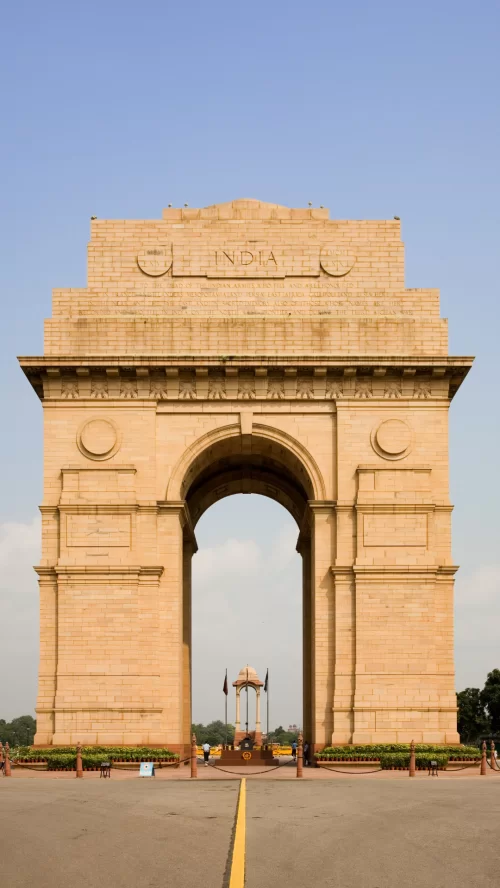
Recommended attractions: Humayun's Tomb, Qutub Minar, Lodhi Garden, India Gate and the Red Fort.
Travel tip: Carry a light jacket in February and comfortable clothing for warmer afternoons in March.
October marks the transition from the monsoon to cooler weather. Rainfall generally decreases, humidity begins to ease and daytime sightseeing becomes more manageable.
However, temperatures can remain warm during the first part of the month, and air quality may deteriorate as autumn progresses.
Best for: Heritage sightseeing, shopping, food walks and cultural activities.
Travel tip: Check both the weather forecast and air quality before planning extended outdoor activities.
November often brings comfortable daytime temperatures and cooler evenings. It is traditionally a popular month for tourism, festivals and outdoor activities.
However, Delhi can experience severe air pollution during this period, sometimes accompanied by reduced visibility.
Best for: Travellers who can keep their sightseeing plans flexible.
Travel tip: Avoid assuming that comfortable temperatures automatically mean good outdoor conditions. Monitor air quality and adjust activities when pollution levels are high.
December and January are Delhi's coldest months. Days may be pleasant when sunny, but early mornings and nights can be quite cold.
Fog, cold waves and poor air quality can affect visibility and transport schedules.
Best for: Travellers who enjoy cool weather, winter food and indoor cultural attractions.
Travel tip: Plan major outdoor sightseeing for late morning or afternoon and keep extra time for travel delays.
Temperatures rise rapidly from late March, and Delhi can experience extreme heat during April, May and June.
May and June are particularly challenging for long outdoor sightseeing days because afternoon temperatures can exceed 40°C during hot spells.
Best for: Short city visits with mostly indoor activities.
Travel tip: Explore outdoor attractions early in the morning and avoid prolonged exposure to afternoon heat.
Delhi receives much of its annual rainfall during the monsoon season, especially from July to September.
Rain can temporarily reduce temperatures, but humidity often remains high. Heavy showers may cause waterlogging and traffic delays.
Best for: Flexible travellers, indoor sightseeing and visitors who enjoy seasonal greenery.
Travel tip: Carry an umbrella and waterproof footwear, and avoid planning tightly timed journeys during heavy rainfall.
For a short sightseeing trip, February or early March is often a practical choice because visitors can cover multiple outdoor attractions without the intense summer heat or the highest winter fog risk.
October is another useful option, although visitors should monitor air quality. Winter trips remain possible, but mornings may require more flexibility.
For most tourists, February and early March are among the strongest choices for comfortable sightseeing in Delhi. October is also attractive, while November to January requires greater attention to air pollution, fog and cold weather.
Delhi experiences significant changes in temperature, rainfall and humidity throughout the year. January is generally the coldest month, while May and June are among the hottest. The main monsoon period usually extends from late June or July into September.
The monthly figures below are rounded averages based on long-term weather observations at New Delhi's Safdarjung station for the 1991–2020 period. They describe typical conditions rather than a forecast for a particular travel date. Actual temperatures can be substantially higher or lower.
Average minimum temperature: Around 8°C.
Average maximum temperature: Around 20°C.
Average monthly rainfall: Around 19 mm.
January is usually Delhi's coldest month. Mornings and nights can be chilly, while sunny afternoons are often more comfortable. Dense fog, cold waves and air pollution may affect outdoor activities and transport.
Best activities: Museums, heritage attractions during daylight hours, traditional food walks and indoor cultural experiences.
Travel advice: Carry warm layers and avoid tightly scheduled early-morning transport connections.
Average minimum temperature: Around 11°C.
Average maximum temperature: Around 24°C.
Average monthly rainfall: Around 22 mm.
February is one of the most comfortable months for Delhi sightseeing. Days gradually become warmer, although mornings and evenings can remain cool.
Best activities: Historical monuments, gardens, heritage walks and outdoor photography.
Travel advice: Carry a light jacket and check air quality before extended outdoor visits.
Average minimum temperature: Around 16°C.
Average maximum temperature: Around 30°C.
Average monthly rainfall: Around 19 mm.
March marks the transition towards summer. Early March can be pleasant for sightseeing, but afternoons become noticeably warmer as the month progresses.
Best activities: Gardens, monuments, shopping and early-morning walks.
Travel advice: Wear breathable clothing and carry water during afternoon outings.
Average minimum temperature: Around 21°C.
Average maximum temperature: Around 37°C.
Average monthly rainfall: Around 13 mm.
April is generally hot, with strong afternoon sunshine. Temperatures can rise above the monthly average during hot spells.
Best activities: Early-morning monument visits, museums and indoor attractions.
Travel advice: Avoid long walks during the hottest hours and carry sun protection.
Average minimum temperature: Around 26°C.
Average maximum temperature: Around 40°C.
Average monthly rainfall: Around 29 mm.
May is among Delhi's hottest months. Heatwaves can push daytime temperatures well above 40°C, making extended outdoor sightseeing uncomfortable and potentially unsafe.
Best activities: Air-conditioned museums, indoor shopping and short early-morning outings.
Travel advice: Limit outdoor exposure, stay hydrated and follow official heat warnings.
Average minimum temperature: Around 28°C.
Average maximum temperature: Around 39°C.
Average monthly rainfall: Around 81 mm.
June often begins with intense heat. Dust storms and thunderstorms may occur, and the monsoon can arrive towards the end of the month, although its onset varies.
Best activities: Indoor attractions and limited outdoor sightseeing during cooler hours.
Travel advice: Monitor heat alerts and thunderstorm forecasts.
Average minimum temperature: Around 28°C.
Average maximum temperature: Around 36°C.
Average monthly rainfall: Around 196 mm.
July is typically a wet and humid month. Rain can temporarily reduce daytime temperatures, but high humidity may make conditions uncomfortable.
Best activities: Museums, galleries, indoor markets and flexible sightseeing.
Travel advice: Carry rain protection and allow extra time for possible waterlogging.
Average minimum temperature: Around 27°C.
Average maximum temperature: Around 34°C.
Average monthly rainfall: Around 227 mm.
August is generally one of Delhi's wettest months. Heavy showers can disrupt road travel and outdoor plans, while humidity remains high.
Best activities: Indoor cultural attractions, cafes and flexible short outings between showers.
Travel advice: Check rainfall warnings and avoid waterlogged roads or underpasses.
Average minimum temperature: Around 25°C.
Average maximum temperature: Around 34°C.
Average monthly rainfall: Around 128 mm.
September is a transitional month. Rainfall generally decreases as the monsoon withdraws, but warm and humid conditions can continue.
Best activities: Shopping, cultural attractions and outdoor sightseeing during suitable weather windows.
Travel advice: Keep rain protection available and check daily forecasts.
Average minimum temperature: Around 20°C.
Average maximum temperature: Around 33°C.
Average monthly rainfall: Around 14 mm.
October is usually much drier than the monsoon months. Early afternoons can still feel warm, while mornings and evenings become increasingly comfortable.
Best activities: Heritage sightseeing, market visits, outdoor photography and food walks.
Travel advice: Monitor air quality, especially later in the month.
Average minimum temperature: Around 13°C.
Average maximum temperature: Around 28°C.
Average monthly rainfall: Around 4 mm.
November generally brings pleasant temperatures and cooler evenings. However, Delhi frequently experiences significant air pollution during the post-monsoon period.
Best activities: Sightseeing when air quality permits, shopping and indoor cultural visits.
Travel advice: Check the daily Air Quality Index before planning long outdoor walks.
Average minimum temperature: Around 8°C.
Average maximum temperature: Around 23°C.
Average monthly rainfall: Around 8 mm.
December is a cool winter month with chilly mornings and evenings. Fog and poor air quality may affect visibility and transport, particularly later in the month.
Best activities: Afternoon sightseeing, museums, shopping and winter food experiences.
Travel advice: Carry warm clothing and keep travel plans flexible.
Delhi's weather varies sharply across the year. February and early March are particularly suitable for sightseeing, while May and June require strong heat precautions. During July and August, rainfall and waterlogging are the main travel concerns, and from late autumn through winter, visitors should pay close attention to air quality and visibility.
Winter in Delhi generally extends from November to February, although the coldest conditions usually occur in December and January. This season is popular with tourists because daytime temperatures are much lower than in summer, making outdoor sightseeing more comfortable when weather and air quality conditions are favourable.
However, winter travel in Delhi also brings challenges. Dense fog, cold waves and high air pollution can affect visibility, health and transport. Travellers should consider these conditions before planning early-morning sightseeing or tightly scheduled journeys.
Winter temperatures vary significantly between November and February.
These are monthly averages. Cold waves can bring much lower minimum temperatures, particularly in December and January.
November often provides comfortable daytime temperatures for sightseeing, but Delhi can experience very poor or severe air quality during this period.
Suitable activities: Heritage attractions and outdoor walks when pollution levels permit.
Travel advice: Keep indoor alternatives available for days with unhealthy air quality.
December brings cooler daytime weather and chilly mornings. Fog becomes more likely as winter progresses.
Suitable activities: Afternoon monument visits, museums, shopping and traditional food walks.
Travel advice: Carry warm layers and avoid relying on clear visibility for early-morning photography.
January is generally Delhi's coldest month. Dense fog can reduce visibility on roads and at airports, while cold waves may make mornings and nights uncomfortable.
Suitable activities: Indoor attractions and outdoor sightseeing during suitable daylight hours.
Travel advice: Allow additional time for flights, trains and road journeys.
February usually brings warmer afternoons and fewer foggy days than January. It is one of the most comfortable months for exploring Delhi's monuments and gardens.
Suitable activities: Heritage walks, outdoor photography, garden visits and shopping.
Travel advice: Carry a light jacket for mornings and evenings.
Delhi does not normally experience snowfall. Winter weather consists of cold mornings, chilly nights, occasional cold waves and fog rather than snow.
Travellers seeking snowfall should plan a separate journey to suitable Himalayan destinations, where snow conditions depend on location, elevation and weather.
Fog is most common during December and January, particularly overnight and in the early morning. Some fog episodes can be dense enough to reduce road and airport visibility.
Delhi can experience serious air pollution during late autumn and winter. Low wind speeds and atmospheric conditions can allow pollutants to accumulate near the ground.
Smog can reduce visibility and make prolonged outdoor activity unsuitable, particularly for children, older adults and people with respiratory or cardiovascular conditions.
Late morning to afternoon is generally more comfortable than early morning or late evening during the coldest months.
However, air pollution can remain high throughout the day, so warmer temperatures do not guarantee healthier outdoor conditions.
Winter offers comfortable daytime temperatures compared with summer, but it is not equally suitable throughout the season. November can be affected by severe pollution, while December and January bring fog and cold weather.
February is often the most convenient winter month for sightseeing because daytime temperatures become milder and fog risk generally decreases.
Winter remains a popular time to explore Delhi, particularly for travellers who enjoy cool weather and cultural activities. For the most comfortable experience, choose sightseeing hours carefully, monitor air quality and allow flexibility for fog-related delays.
Summer in Delhi develops during March and becomes increasingly intense through April, May and June. The season is characterised by strong sunshine, hot afternoons, dry winds, occasional dust storms and periods of extreme heat.
Although Delhi remains open to tourists throughout summer, long outdoor sightseeing days can be exhausting and unsafe during severe heat. Visitors should organise their itinerary around early mornings, indoor attractions and adequate rest.
March begins with relatively comfortable weather, but temperatures rise as the month progresses.
Average temperature: Approximately 16°C to 30°C.
Best for: Morning sightseeing, gardens, monuments and shopping.
Travel tip: Early March is generally more comfortable for outdoor exploration than late March.
April brings hotter weather, with average daytime maximum temperatures around 37°C.
Best for: Early-morning heritage visits and indoor attractions.
Travel tip: Avoid prolonged outdoor walking during the hottest afternoon hours.
May is among Delhi's hottest months, with average maximum temperatures around 40°C. During heatwaves, temperatures can rise substantially above this level.
Best for: Air-conditioned museums, shopping centres and short essential outdoor journeys.
Travel tip: Follow official heat warnings and reduce outdoor activity during extreme conditions.
June often remains extremely hot, particularly before the monsoon arrives. Dust storms, thunderstorms and isolated heavy showers can also occur.
Best for: Indoor sightseeing and flexible travel plans.
Travel tip: Monitor heat, thunderstorm and rainfall alerts.
A heatwave is a period of unusually high temperatures that meets the criteria used by weather authorities. In Delhi, severe summer heat can increase the risk of dehydration, heat exhaustion and heatstroke.
Visitors should not judge safety only by the monthly average temperature. A particular day may be considerably hotter than normal.
Early morning is generally the most suitable time for outdoor sightseeing during summer, provided no severe heat warning is in effect.
Evenings can remain very hot during heatwaves, so visitors should check actual conditions rather than assuming sunset brings immediate relief.
Yes, but both attractions involve outdoor walking and exposure to sunlight. Visitors should choose cooler hours, carry drinking water and avoid extended visits during heat alerts.
Children, older adults and travellers sensitive to heat may need shorter visits or indoor alternatives.
Heat exhaustion may cause heavy sweating, weakness, dizziness, headache, nausea or faintness. Heatstroke is a medical emergency and may involve confusion, altered consciousness or dangerously high body temperature.
Move to a cooler place and seek appropriate medical help if heat illness is suspected. If heatstroke is possible, call emergency services immediately and begin cooling the person while waiting for assistance.
Some hotels may offer lower rates during periods of reduced leisure demand, but discounts are not guaranteed. The potential savings should be weighed against high temperatures and reduced comfort during outdoor sightseeing.
Summer is more suitable for travellers planning short visits with a strong focus on indoor activities.
March can still be comfortable for sightseeing, particularly early in the month. April becomes hot, while May and June are generally the most challenging months for outdoor tourism. Visitors travelling during peak summer should prioritise heat safety over completing a long sightseeing itinerary.
The monsoon season in Delhi generally extends from late June or July to September. During this period, the city receives much of its annual rainfall, bringing temporary relief from extreme summer heat but also higher humidity, thunderstorms and occasional waterlogging.
Monsoon travel can be enjoyable for visitors who prefer greener surroundings and flexible sightseeing plans. However, heavy showers may disrupt road travel, outdoor attractions and tightly scheduled itineraries.
July is typically a wet and humid month, with average maximum temperatures around 36°C and monthly rainfall near 196 mm.
Weather conditions: Rain showers, thunderstorms, high humidity and warm temperatures.
Best activities: Museums, galleries, indoor shopping and short outdoor visits between showers.
Travel tip: Keep extra time for possible traffic delays.
August generally receives substantial rainfall, with long-term monthly averages around 227 mm at Safdarjung.
Weather conditions: Heavy showers, high humidity and occasional waterlogging.
Best activities: Indoor attractions, cafes and flexible sightseeing.
Travel tip: Check rainfall alerts before travelling across the city.
September usually experiences less rainfall than July and August, although heavy showers remain possible.
Weather conditions: Warm temperatures, humidity and gradually decreasing rainfall.
Best activities: Shopping, indoor cultural experiences and outdoor sightseeing when conditions are suitable.
Travel tip: Carry rain protection until the monsoon has fully withdrawn.
No. Monsoon rainfall is unevenly distributed. Some days may remain mostly dry, while others can experience intense showers within a short period.
Rainfall can also vary across different parts of Delhi. Visitors should check the forecast for their specific travel date rather than assuming continuous rain throughout the season.
Although rainfall can lower the air temperature temporarily, high humidity may make the weather feel uncomfortable.
Visitors may experience sweating and fatigue during long walks, particularly between rain showers.
Travel advice: Wear breathable clothing, stay hydrated and take regular breaks.
Heavy monsoon rainfall can cause waterlogging on roads and at underpasses. This may slow traffic and affect access to certain areas.
Yes, many historical attractions remain accessible during the monsoon, subject to their operating schedules and local conditions.
However, heavy rainfall, slippery surfaces and thunderstorms can make outdoor exploration less comfortable.
Travel advice: Choose dry weather windows and avoid exposed outdoor areas during lightning or severe weather.
There is no consistently rain-free time of day during the monsoon. Visitors should use short-term weather forecasts to identify suitable sightseeing windows.
Outdoor plans should remain flexible, especially during thunderstorm warnings.
Monsoon weather can create dramatic clouds, reflections and greener landscapes around gardens and monuments.
However, visitors should avoid unsafe locations, slippery edges, flooded roads and exposed spaces during lightning.
Photography tip: Protect cameras and phones with suitable waterproof covers.
Food and water hygiene are particularly important during rainy weather because contamination risks may increase where sanitation or storage is inadequate.
Some accommodation providers may offer competitive rates during less busy travel periods, but prices vary according to demand, events and booking dates.
Monsoon travel can suit visitors who are comfortable with flexible schedules and occasional disruptions.
Advantages:
Disadvantages:
July to September can be suitable for Delhi travel when visitors have flexible schedules and are prepared for rain. For those who prioritise long outdoor sightseeing days and predictable walking conditions, February and early March are generally more convenient.
Delhi's cultural calendar includes religious festivals, seasonal fairs, public celebrations, exhibitions and shopping events throughout the year. The best time to visit for these experiences depends on the event dates, weather and the type of activities you want to enjoy.
Many Indian festivals follow lunar or regional calendars, so their dates change from year to year. Visitors should confirm the relevant year's schedule before making travel bookings.
January is associated with Republic Day celebrations, including the ceremonial parade held on 26 January in New Delhi.
Best for: National celebrations, cultural interest and winter travel.
Travel considerations: Security arrangements, restricted access and traffic diversions may affect parts of central Delhi.
Weather: Cold mornings and potential fog.
February is one of the most suitable months for outdoor cultural activities because daytime temperatures are generally mild.
Seasonal flower displays, cultural programmes and public events may take place at different venues.
Best for: Garden visits, heritage walks, photography and outdoor sightseeing.
Travel tip: Check the dates and entry arrangements for specific seasonal events.
Holi generally falls in February or March, depending on the year. Delhi experiences celebrations in residential areas, hotels and organised venues.
Best for: Cultural experiences and early spring sightseeing.
Travel considerations: Some businesses may close or operate limited hours during the festival.
Weather: Increasingly warm, especially later in the month.
April, May and June are usually too hot for comfortable extended outdoor shopping during the afternoon.
Best for: Air-conditioned shopping centres, museums, indoor exhibitions and restaurant dining.
Travel tip: Visit outdoor markets early in the day or later in the evening when conditions permit.
The monsoon season can coincide with cultural celebrations, exhibitions and seasonal shopping events.
Best for: Indoor cultural programmes, shopping and flexible city exploration.
Travel considerations: Heavy rain may disrupt outdoor events and transport.
Dussehra usually occurs in September or October, depending on the year. Delhi hosts various cultural and religious celebrations associated with the festival.
Best for: Festive atmosphere, traditional markets and cultural experiences.
Travel considerations: Crowds and traffic restrictions may increase around major event venues.
Weather: Generally drier, with warm afternoons and cooler evenings.
Diwali falls in October or November, depending on the year. Markets often become particularly busy with shoppers purchasing clothing, decorations, gifts and sweets.
Best for: Festive shopping and cultural atmosphere.
Popular shopping areas: Chandni Chowk, Lajpat Nagar, Sarojini Nagar, Connaught Place and other markets.
Travel considerations: Air pollution can be severe around this period. Visitors should monitor official air quality information and follow local restrictions.
Cooler weather makes many outdoor markets more comfortable to explore, although pollution and fog can affect conditions.
Best for: Traditional shopping, food walks and cultural programmes when air quality permits.
Travel tip: Choose indoor alternatives on heavily polluted days.
February, early March and October are generally convenient for visiting monuments such as Qutub Minar, Humayun's Tomb and the Red Fort.
However, October can still be warm, and air pollution may affect visibility and outdoor comfort.
February and early March are particularly suitable for exploring Delhi's gardens because temperatures are usually comfortable and seasonal flowers may be in bloom.
Popular gardens: Lodhi Garden, Sunder Nursery and other public green spaces.
Travel tip: Check air quality before extended outdoor activity.
October to March is generally more comfortable for walking between food establishments than the peak summer months.
However, air pollution can make long outdoor food walks unsuitable during parts of late autumn and winter.
Recommended approach: Choose shorter routes and check both weather and AQI.
February and early March are excellent for outdoor activities, while October and November offer important festival and shopping experiences. Travellers visiting during late autumn should pay particular attention to air pollution, and those attending major events should confirm dates and access arrangements in advance.
The best time to visit Delhi can vary according to travel style. Families with children may prioritise comfortable temperatures and shorter sightseeing days, couples may prefer gardens and evening outings, while budget travellers may be willing to travel during less popular periods to reduce accommodation costs.
Weather should not be the only consideration. Air quality, transport reliability, school holidays, festival crowds and accommodation availability can also influence the overall travel experience.
February and early March are particularly suitable for family sightseeing because daytime temperatures are generally comfortable for visiting monuments, gardens and outdoor attractions.
October is another option, although air quality should be monitored.
Recommended months: February, early March and October when conditions permit.
Suitable activities: Historical monuments, museums, gardens, shopping and family-friendly attractions.
Young children may find Delhi's extreme summer heat, winter cold and heavy monsoon humidity uncomfortable.
Recommended period: February and early March.
Travel advice: Choose short sightseeing sessions, provide regular rest breaks and avoid outdoor activities during unhealthy air quality conditions.
Senior citizens may prefer mild temperatures and sightseeing routes with convenient transport and seating.
Recommended period: February and early March.
Travel advice: Avoid long outdoor visits during heatwaves, dense fog or severe pollution episodes.
Couples interested in gardens, heritage walks, photography and relaxed outdoor outings may prefer February, early March or suitable days in October.
Recommended activities: Lodhi Garden, Sunder Nursery, Humayun's Tomb, Connaught Place and cultural attractions.
Travel advice: Plan outdoor activities according to weather and air quality rather than relying only on the season.
February is a particularly convenient month for couples because days are generally mild and outdoor locations are more comfortable to explore.
December and January can also offer a winter atmosphere, but fog, cold weather and pollution may limit outdoor plans.
Travel tip: Keep a combination of outdoor attractions and indoor dining experiences in the itinerary.
Some accommodation providers may offer lower rates during periods of reduced leisure demand, including selected summer and monsoon dates.
However, prices are not consistently low across an entire season. Business travel, exhibitions, holidays and special events can affect hotel demand.
Potential budget periods: Selected dates during April to September.
Travel advice: Compare total costs, including air-conditioned transport and any additional travel expenses caused by weather.
Summer can offer occasional accommodation savings, but extreme heat may restrict outdoor sightseeing and increase dependence on air-conditioned transport.
Best for: Short visits focused on indoor attractions.
Not ideal for: Long heritage walks, outdoor photography and full-day market exploration.
Monsoon travel can be suitable for flexible travellers who are comfortable with rain and humidity.
Advantages: Possible accommodation offers and greener surroundings.
Disadvantages: Rain-related delays, waterlogging and reduced outdoor sightseeing opportunities.
First-time visitors generally benefit from travelling in February or early March, when major outdoor attractions can be explored with fewer weather-related difficulties than during peak summer or monsoon.
Recommended duration: Two to four days for a selection of Delhi's main attractions, depending on interests and travel pace.
February, early March and suitable October weekends are practical choices for short visits.
However, weekends can be crowded at popular monuments, markets and restaurants.
Travel tip: Reserve accommodation early and plan sightseeing by geographical area to reduce travel time.
Shopping is possible throughout the year, but outdoor markets are more comfortable during milder months.
Recommended months: February, early March and October, subject to air quality.
Summer alternative: Indoor shopping centres and evening market visits when temperatures permit.
Delhi's food culture can be explored throughout the year, but cooler months make walking between traditional food establishments more comfortable.
Recommended months: February, early March and suitable days from October to December.
Travel advice: Avoid extended outdoor food walks when air quality is unhealthy.
February and early March are often convenient for outdoor photography because of mild temperatures and longer comfortable sightseeing windows.
Monsoon weather can create dramatic skies and greener landscapes, but rain may interrupt plans.
Travel advice: Check visibility, weather and air quality before scheduling sunrise or sunset photography.
Business travel to Delhi takes place throughout the year. The most important considerations are often meeting schedules, transport reliability and accommodation location.
Winter concern: Fog-related transport delays.
Summer concern: Extreme heat during outdoor transfers.
Monsoon concern: Traffic delays caused by heavy rainfall.
For most families, couples and first-time visitors, February and early March provide the most balanced travel conditions. Budget travellers may find savings in other seasons, but should account for the practical challenges of extreme heat, heavy rainfall and poor air quality.
Packing for Delhi requires careful attention to the season because the city experiences major changes in temperature, humidity, rainfall and air quality throughout the year. Winter mornings can be cold, summer afternoons can be extremely hot and monsoon showers may cause sudden travel disruptions.
Travellers should also prepare for Delhi's air pollution, which can become particularly serious during late autumn and winter. Checking weather forecasts, official alerts and air quality conditions before each sightseeing day is more useful than relying only on seasonal averages.
Winter clothing requirements vary between November and the colder months of December and January.
Travel tip: Dress in layers because winter afternoons can feel much warmer than early mornings.
Summer packing should focus on breathable clothing, sun protection and hydration.
Travel tip: Avoid heavy outdoor activity during heat alerts, even when carrying sun protection.
Monsoon packing should prioritise rain protection, comfortable footwear and keeping essential belongings dry.
Travel tip: Avoid footwear that becomes slippery on wet stone or pavement.
October and November are transitional months, with warm afternoons and increasingly cool evenings.
Travel tip: Check the AQI before planning long outdoor sightseeing sessions.
The Air Quality Index, commonly called AQI, indicates the level of air pollution and its potential health impact. Delhi can experience unhealthy air quality at different times of the year, with particularly severe episodes often occurring during late autumn and winter.
India's commonly used AQI categories are:
Health effects depend on pollutant levels, duration of exposure and individual sensitivity. Visitors should follow current official health guidance rather than treating an AQI category as a guarantee of safety.
Air pollution often worsens during October, November, December and January, although severe episodes can occur outside these months.
Factors include emissions from multiple sources, weather conditions, low wind speeds and the accumulation of pollutants near the ground.
Travel advice: Check daily AQI readings, particularly during autumn and winter.
Ordinary cloth masks do not provide the same protection against fine particulate pollution as properly fitted particulate respirators.
Children, older adults and people with respiratory or cardiovascular conditions may be more vulnerable to air pollution.
The Delhi Metro is often a convenient option for reaching major tourist and shopping areas while avoiding some road congestion.
However, travellers still need to consider walking distances, station access and weather exposure between Metro stations and attractions.
Winter fog, monsoon rain and severe weather can affect flights, trains and road transfers.
Travellers should monitor official weather warnings for heatwaves, thunderstorms, heavy rain and cold waves.
For a short visit, group attractions by location to reduce unnecessary travel.
During summer, reduce the number of outdoor stops. During winter, avoid relying on early-morning visibility. During the monsoon, leave time for possible rain delays.
The order should be adjusted according to weather, attraction opening days, air quality and travel time.
For most travellers, February and early March are among the best periods to visit Delhi because temperatures are generally comfortable for monuments, gardens, shopping and walking tours.
October is another useful sightseeing month, although afternoons can remain warm and air quality may deteriorate. November to January offer cooler weather but require precautions for pollution, fog and cold conditions.
April to June can be challenging because of extreme heat, while July to September brings humidity and monsoon rainfall. Travellers visiting during these periods should focus on flexible itineraries and suitable indoor attractions.
The most practical approach is to choose travel dates according to your interests, check current weather and air quality before departure, and adjust daily sightseeing plans to actual conditions.


Get customized Delhi tour planning designed around traffic flow, seasonal weather comfort, heritage site exploration time, and realistic city pacing. Whether you are visiting for historical monuments, cultural experiences, food walks, shopping districts,
⚡ Quick Response | 💰 Free consultation | 🕒 24×7 expert support

