



Best Street Food in Chandni Chowk – What and Where to Eat
Discover Chandni Chowk's famous street food, from traditional parathas and chaat to sweets and savoury snacks, with guidance on food lanes, local specialities and hygiene.
+91 9910402252
admin@chalbanjare.com


Discover memorable things to do in Delhi, from exploring historical landmarks and local markets to enjoying street food, cultural experiences and family-friendly activities.
Exploring Delhi's historical monuments is one of the most rewarding activities for travellers interested in architecture, culture and Indian history. The city has served as the centre of several dynasties, including the Delhi Sultanate and the Mughals, leaving behind forts, tombs, mosques, stepwells and archaeological sites. Many of these attractions are spread across different parts of Delhi, so grouping nearby monuments is the best way to explore them.
Red Fort, also known as Lal Qila, is one of Delhi's most important historical landmarks and a UNESCO World Heritage Site. Commissioned by Mughal Emperor Shah Jahan in the seventeenth century, it formed the centre of the imperial city of Shahjahanabad.
Visitors can explore accessible sections of the fort, including ceremonial halls, gateways and surviving palace structures. The monument is particularly interesting for understanding Mughal architecture and the history of Old Delhi.
Location: Chandni Chowk, Old Delhi.
Suggested visiting time: 1.5 to 2 hours.
Experience highlight: Walk through the historic palace-fort of Shah Jahan's imperial capital.
Qutub Minar is one of Delhi's most recognisable monuments. The approximately 72.5-metre-high minaret stands within a UNESCO-listed complex containing early Delhi Sultanate structures.
Visitors can explore the surrounding grounds and see important architectural features such as the Quwwat-ul-Islam Mosque, Alai Darwaza and Iron Pillar.
Location: Mehrauli, South Delhi.
Suggested visiting time: 1 to 1.5 hours.
Experience highlight: Discover early Indo-Islamic architecture and Delhi Sultanate history.
Humayun's Tomb is a UNESCO World Heritage Site recognised for its sixteenth-century Mughal garden-tomb architecture. The monument features a grand mausoleum surrounded by a formal garden layout.
The complex also contains other important historical structures, including Isa Khan's Tomb. It is particularly suitable for visitors interested in architecture, heritage photography and peaceful historical surroundings.
Location: Nizamuddin East, New Delhi.
Suggested visiting time: 1.5 to 2 hours.
Experience highlight: Explore one of the earliest grand Mughal garden-tomb complexes in India.
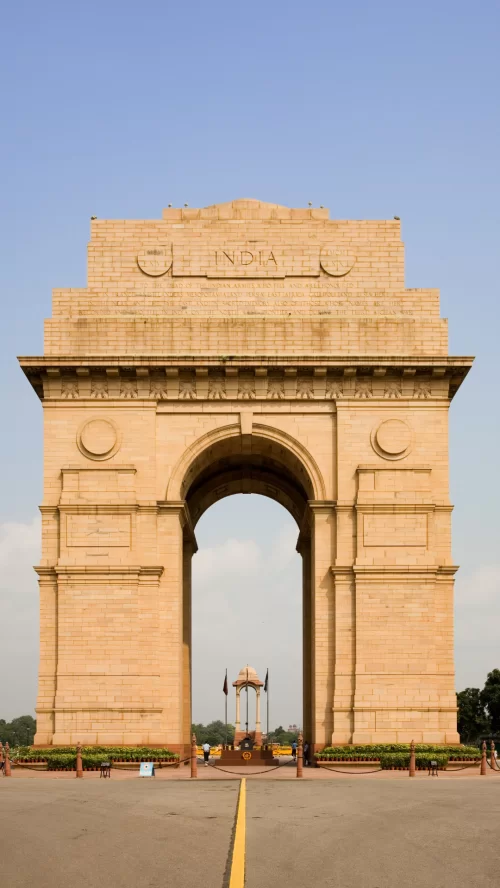
India Gate is a prominent war memorial located along Kartavya Path in central New Delhi. Designed by Edwin Lutyens, it commemorates soldiers who died during the First World War and related campaigns.
The nearby National War Memorial honours members of India's armed forces who died in military operations after independence.
Visitors can explore the permitted public spaces, learn about the memorials and enjoy the surrounding landscaped avenue.
Location: Kartavya Path, New Delhi.
Suggested visiting time: 1 to 1.5 hours for both memorials.
Experience highlight: Visit two of India's important national memorials.
Purana Qila, also known as Old Fort, is an important historical site associated mainly with the sixteenth-century reigns of Humayun and Sher Shah Suri.
The fort contains surviving gateways and monuments such as the Qila-i-Kuhna Mosque and Sher Mandal. Archaeological excavations have also revealed evidence of earlier settlement at the site.
Location: Near Pragati Maidan, New Delhi.
Suggested visiting time: 1 to 1.5 hours.
Experience highlight: Discover Delhi's medieval fort architecture and archaeological heritage.
Safdarjung's Tomb is an eighteenth-century garden mausoleum, while nearby Lodi Garden contains several monuments associated with the Sayyid and Lodi dynasties.
These attractions are particularly suitable for travellers who enjoy historical architecture combined with landscaped surroundings.
Location: Central and South Delhi.
Suggested visiting time: 2 to 3 hours for both locations.
Experience highlight: Compare different periods of Delhi's funerary architecture.
Jantar Mantar is an eighteenth-century astronomical observatory built under Maharaja Sawai Jai Singh II. Its large masonry instruments were designed for astronomical observations and calculations.
Agrasen Ki Baoli is a historic stepwell near Connaught Place, recognised for its staircase and repeated architectural arches. Its exact construction history remains uncertain.
Location: Central Delhi.
Suggested visiting time: 1 to 1.5 hours for both sites.
Experience highlight: Explore Delhi's scientific and water-management heritage.
Delhi's major monuments are not all located close together. For a comfortable experience, choose two or three major historical attractions in one day and allow enough time for walking, ticketing and road transfers.
Exploring Old Delhi on foot is one of the best ways to experience the city's everyday culture. The historic district of Shahjahanabad is filled with narrow lanes, traditional markets, religious landmarks, old residential buildings and food establishments. A heritage walk allows travellers to observe details that are easy to miss when sightseeing by car.
Chandni Chowk is one of Delhi's oldest commercial districts and remains a lively centre for traditional shopping and local food. Walking through its main road and adjoining lanes introduces visitors to the trading culture of Old Delhi.
Look for historic shopfronts, religious buildings, traditional products and the distinctive street layout of Shahjahanabad.
Suggested duration: 1 to 2 hours.
Experience highlight: Discover the commercial and cultural heart of Old Delhi.
Jama Masjid is one of the most important Mughal-era mosques in Delhi. Built during Shah Jahan's reign, it is known for its large courtyard, domes and red sandstone architecture.
The surrounding streets contain traditional restaurants, food shops and residential neighbourhoods associated with the history of Shahjahanabad.
Suggested duration: 45 minutes to 1.5 hours, excluding a full meal.
Experience highlight: Discover Mughal religious architecture and Old Delhi's traditional food neighbourhoods.
Travel tip: Follow modest dress requirements and avoid visiting during restricted prayer periods.
Gurudwara Sis Ganj Sahib is an important Sikh religious landmark in Chandni Chowk. It commemorates the martyrdom of Guru Tegh Bahadur in 1675.
Visitors can learn about Sikh history and observe the traditions of an active gurudwara.
Suggested duration: 20 to 30 minutes.
Experience highlight: Learn about Sikh heritage in the heart of Shahjahanabad.
Travel tip: Cover your head, remove footwear and follow the site's religious practices.
Mirza Ghalib Ki Haveli is associated with the celebrated Urdu poet Mirza Ghalib. Located in Gali Qasim Jaan, the historic residence introduces visitors to Delhi's nineteenth-century literary culture.
The surrounding Ballimaran neighbourhood is also known for its traditional shops and historic residential streets.
Suggested duration: 20 to 30 minutes at the haveli, plus walking time.
Experience highlight: Explore the literary heritage of Old Delhi.
Travel tip: Check current public access arrangements before visiting.
Khari Baoli is a historic wholesale market known for spices, dry fruits, nuts and traditional food ingredients. It offers an opportunity to observe the commercial activity of a working market rather than a conventional tourist attraction.
Visitors can explore selected lanes, observe trading practices and purchase products from retailers offering smaller quantities.
Suggested duration: 30 to 45 minutes.
Experience highlight: Experience the sights and aromas of Delhi's traditional spice trade.
Travel tip: Avoid obstructing shop entrances or photographing traders without permission.
A guided heritage walk can provide deeper insight into the history of Old Delhi's mosques, havelis, markets and traditional neighbourhoods.
Depending on the route, walks may focus on Mughal architecture, religious diversity, food traditions or literary history.
Suggested duration: 2 to 3 hours for a focused route.
Experience highlight: Understand the historical connections between Old Delhi's buildings, communities and markets.
Travel tip: Choose a knowledgeable guide, confirm the meeting point and check whether food tastings or monument tickets are included.
A short cycle-rickshaw ride through permitted Old Delhi streets can offer a different perspective on the market district, particularly for visitors who prefer to reduce walking.
Availability and routes depend on local traffic rules, pedestrian restrictions and street conditions.
Experience highlight: Observe the atmosphere of Old Delhi's busy commercial streets.
Travel tip: Agree on the fare and destination before starting, and avoid expecting vehicle access to pedestrian-only lanes.
Red Fort – Gurudwara Sis Ganj Sahib – Chandni Chowk – Dariba Kalan – Jama Masjid – Ballimaran – Fatehpuri Masjid – Khari Baoli.
This is a flexible sightseeing circuit with several detours. Travellers with limited time should choose a shorter section rather than attempting every stop.
For first-time visitors, a heritage walk through Chandni Chowk and Jama Masjid provides one of the most authentic introductions to Delhi's historical and cultural character.
Trying local food is one of the most enjoyable experiences in Delhi. The capital's cuisine reflects Mughal influences, Punjabi food traditions, regional Indian cooking and generations of street-food culture. From chaat and chole bhature to kebabs, stuffed parathas and traditional sweets, visitors can discover a wide variety of flavours across the city.
Paranthe Wali Gali in Old Delhi is known for traditional fried parathas served with pickles, chutneys and vegetable accompaniments.
Different establishments offer fillings such as potato, paneer and cauliflower, depending on the menu.
Where to go: Paranthe Wali Gali, Chandni Chowk.
Experience highlight: Taste traditional Old Delhi-style stuffed parathas.
Dahi bhalla and aloo tikki are among Delhi's most popular chaat dishes. Dahi bhalla combines lentil dumplings with yoghurt and chutneys, while aloo tikki is made from seasoned potato patties.
Established outlets in Chandni Chowk and other busy market areas serve different versions of these snacks.
Where to go: Chandni Chowk, Bengali Market or established local chaat shops.
Experience highlight: Discover Delhi's sweet, tangy and spicy chaat flavours.
Chole bhature is a popular North Indian dish consisting of spiced chickpeas served with deep-fried bread. It is widely available across Delhi and is particularly popular as a substantial breakfast or lunch.
Different restaurants serve their own versions with pickles, onions and other accompaniments.
Where to go: Established eateries in Paharganj, Karol Bagh, Connaught Place and other neighbourhoods.
Experience highlight: Enjoy one of Delhi's most recognisable North Indian meals.
The streets surrounding Jama Masjid are known for traditional Mughlai restaurants and food establishments. Depending on the outlet, visitors can try kebabs, meat curries, biryani and freshly prepared breads.
Karim's is among the established restaurants associated with the area's culinary traditions.
Where to go: Jama Masjid and Matia Mahal area.
Experience highlight: Discover the rich flavours of Old Delhi's Mughlai cuisine.
Travel tip: Check whether an outlet serves vegetarian dishes if you have dietary restrictions.
Delhi's traditional sweet shops offer jalebi, rabri, kulfi, halwa and many regional specialities.
Old Famous Jalebi Wala in Chandni Chowk, Chaina Ram Sindhi Confectioners near Fatehpuri and Kuremal Mohan Lal Kulfi Wale in the Chawri Bazaar area are associated with different traditional desserts.
Experience highlight: Taste freshly prepared Indian sweets and traditional frozen desserts.
Travel tip: Confirm current outlet locations and operating hours before making a special trip.
Dilli Haat INA is a cultural marketplace known for handicrafts and food stalls representing different Indian states.
Visitors can explore regional dishes and traditional products in a more organised market setting than Old Delhi's narrow lanes.
Where to go: Dilli Haat, INA.
Experience highlight: Discover regional Indian cuisines in one cultural marketplace.
Travel tip: Food stall operators and available menus can change.
Connaught Place offers a wide selection of restaurants, cafes and casual dining outlets. It is particularly suitable for visitors who prefer seated meals or want a break between sightseeing activities.
The area includes North Indian, South Indian, international and contemporary dining options.
Experience highlight: Combine shopping with a comfortable dining experience in central Delhi.
During cooler months, visitors can look for seasonal foods such as gajar ka halwa, roasted sweet potatoes, peanuts and other warming snacks.
Some traditional sweets and winter specialities are available only during particular months, so availability should not be assumed throughout the year.
Experience highlight: Discover seasonal flavours associated with Delhi's winter food culture.
For a first-time Delhi food experience, Chandni Chowk and Jama Masjid offer traditional flavours, while Dilli Haat and Connaught Place provide more organised dining environments.
Shopping is one of the most popular activities in Delhi because the city offers everything from traditional wholesale bazaars to street markets, handicraft centres and modern shopping districts. Different markets specialise in clothing, jewellery, wedding accessories, fabrics, books, souvenirs and regional crafts. Choosing the right market can make shopping more enjoyable and help travellers avoid unnecessary journeys across the city.
Chandni Chowk is a historic market district known for textiles, jewellery, wedding accessories, traditional clothing and food establishments.
Its adjoining lanes include Dariba Kalan for jewellery, Kinari Bazaar for decorative wedding materials and Khari Baoli for spices and dry fruits.
Best for: Traditional products, wedding shopping and historic bazaar experiences.
Travel tip: Visit during business hours and check the operating days of individual markets.
Sarojini Nagar is one of Delhi's best-known markets for affordable clothing, accessories and fashion products.
The market attracts students, residents and travellers looking for budget shopping. Product quality, sizes and availability vary between stalls.
Best for: Budget clothing, fashion accessories and casual shopping.
Travel tip: Inspect products carefully before purchasing because exchange and return options may be limited.
Janpath Market near Connaught Place is popular for clothing, jewellery, handicrafts and souvenirs.
Its central location makes it convenient to combine with India Gate, Jantar Mantar or Connaught Place sightseeing.
Best for: Souvenirs, accessories and casual street shopping.
Travel tip: Compare prices and bargain politely where prices are negotiable.
Lajpat Nagar Central Market is a busy shopping district known for clothing, dress materials, footwear, accessories and traditional Indian wear.
It is particularly popular with shoppers looking for festive clothing and tailoring-related products.
Best for: Ethnic wear, fabrics and fashion shopping.
Travel tip: The market can be crowded during festivals and wedding seasons.
Dilli Haat is an organised cultural market featuring stalls selling handicrafts, textiles, jewellery and products associated with different Indian states.
It also offers regional food stalls, making it suitable for visitors who want to combine shopping with a cultural experience.
Best for: Indian handicrafts, traditional products and regional cuisine.
Travel tip: Entry is ticketed, and stall availability changes over time.
Connaught Place is one of Delhi's main commercial centres, with branded stores, bookstores, cafes and restaurants.
The circular market layout makes it relatively easy to explore different shopping blocks on foot.
Best for: Branded shopping, bookstores and restaurant visits.
Travel tip: Rajiv Chowk Metro Station provides convenient access.
Khan Market is an established shopping district known for boutiques, bookstores, cafes and restaurants.
It is suitable for travellers who prefer a compact market with comfortable dining options.
Best for: Boutique shopping, books and cafes.
Karol Bagh is a well-established commercial area known for clothing, jewellery, footwear and other retail businesses.
Ajmal Khan Road and adjoining markets are popular among local shoppers.
Best for: Clothing, jewellery and general shopping.
South Extension is a major shopping district in South Delhi with clothing stores, jewellery shops and established retail businesses.
It is particularly useful for visitors interested in fashion shopping rather than traditional street markets.
Best for: Fashion, jewellery and organised retail shopping.
For a first-time visitor, combining Chandni Chowk with one modern shopping area provides a useful contrast between Delhi's traditional trading culture and contemporary retail experience.
Delhi has several museums, art galleries and cultural institutions that help visitors understand India's history, scientific achievements, artistic traditions and regional diversity. These attractions are particularly useful for travellers who enjoy educational experiences or want indoor activities during hot afternoons and rainy weather.
The National Gallery of Modern Art near India Gate houses an important collection of modern and contemporary Indian art.
Visitors can explore paintings, sculptures and exhibitions reflecting different artistic movements and creative traditions.
Location: Jaipur House, near India Gate.
Suggested visiting time: 1 to 1.5 hours.
Experience highlight: Discover the development of modern Indian art.
Travel tip: The gallery is closed on Mondays and national holidays.
The National Science Centre near Pragati Maidan features interactive exhibits covering science, technology, human biology and other educational subjects.
It is particularly suitable for families with school-age children, although adults interested in science can also enjoy the displays.
Location: Pragati Maidan area.
Suggested visiting time: 1.5 to 2.5 hours.
Experience highlight: Learn scientific concepts through interactive exhibits.
The National Crafts Museum showcases Indian handicrafts, textiles, folk art and traditional artisan practices.
Visitors can explore regional craft collections and observe demonstrations when available.
Location: Near Pragati Maidan.
Suggested visiting time: 1 to 1.5 hours.
Experience highlight: Discover India's regional craft traditions.
The National Rail Museum in Chanakyapuri displays historical locomotives, railway equipment, models and exhibits related to the development of rail transport in India.
The museum is particularly appealing to children and railway enthusiasts. Special rides and attractions may operate separately from general museum admission.
Location: Chanakyapuri.
Suggested visiting time: 1.5 to 2 hours.
Experience highlight: Explore historic trains and learn about India's railway history.
Travel tip: Check current museum hours and ride availability.
Pradhanmantri Sangrahalaya is a museum dedicated to the history and contributions of India's prime ministers.
Its exhibitions use historical materials and multimedia displays to introduce visitors to India's political development after independence.
Location: Teen Murti area, New Delhi.
Suggested visiting time: 1.5 to 2.5 hours.
Experience highlight: Learn about India's post-independence political history.
Shankar's International Dolls Museum is known for collections of dolls representing different countries, costumes and cultural traditions.
It can be an interesting experience for families and visitors interested in traditional dress and cultural representation.
Location: Bahadur Shah Zafar Marg.
Suggested visiting time: 45 minutes to 1 hour.
Travel tip: Confirm current public access and opening hours before visiting.
The Kiran Nadar Museum of Art presents modern and contemporary Indian art through exhibitions and cultural programmes.
It is suitable for visitors who enjoy visual arts and want to explore Delhi's contemporary creative scene.
Location: Check the current operating exhibition venue before visiting.
Suggested visiting time: 1 to 1.5 hours.
Experience highlight: Discover contemporary artistic perspectives and exhibitions.
Mandi House is an important cultural district associated with theatre, music, dance and performing arts.
Venues in the wider area include Kamani Auditorium, Shri Ram Centre and other performance spaces.
Location: Mandi House, central Delhi.
Experience highlight: Attend a live theatre, dance or music performance.
Travel tip: Check event schedules and purchase tickets in advance where required.
India Habitat Centre is known for cultural events, exhibitions, talks, film screenings and performances.
Its programme changes throughout the year, so the best experience depends on the events taking place during your visit.
Location: Lodhi Road.
Experience highlight: Explore Delhi's contemporary cultural and intellectual activities.
Most travellers should select one or two cultural attractions per day rather than attempting to visit several museums in different parts of the city. Check the current programme and opening hours before finalising the itinerary.
Delhi offers several outdoor activities beyond monument sightseeing, including garden walks, nature exploration, recreational parks and educational attractions for children. The city has landscaped gardens, heritage parks and open spaces suitable for families, couples and travellers who prefer a slower pace.
Outdoor experiences are generally more comfortable during cooler weather, although winter air pollution and summer heat should be considered when planning activities.
Lodhi Garden combines landscaped lawns and walking paths with historical tombs associated with the Sayyid and Lodi dynasties.
Visitors can enjoy a relaxed walk, observe historical architecture and spend time outdoors away from the busiest commercial areas.
Location: Lodhi Road.
Suggested visiting time: 1 to 1.5 hours.
Best for: Couples, families, heritage enthusiasts and morning walkers.
Sunder Nursery is a landscaped heritage park near Humayun's Tomb. It features restored historical structures, gardens, pathways and diverse plant collections.
The park is suitable for nature walks, heritage photography and relaxed family outings.
Location: Nizamuddin area.
Suggested visiting time: 1.5 to 2 hours.
Best for: Nature lovers, families and couples.
Travel tip: Entry is ticketed, and operating hours vary by season.
The Garden of Five Senses near Saket is a landscaped recreational garden featuring pathways, sculptures, planted areas and themed spaces.
It is suitable for visitors who enjoy outdoor walks and garden photography.
Location: Said-ul-Ajaib, near Saket.
Suggested visiting time: 1 to 1.5 hours.
Best for: Couples, garden enthusiasts and relaxed outings.
Deer Park and the surrounding Hauz Khas area offer green spaces and opportunities for walking and observing the historical landscape.
The nearby Hauz Khas monuments and reservoir add cultural interest to the experience.
Location: Hauz Khas, South Delhi.
Suggested visiting time: 1 to 2 hours.
Best for: Walking, photography and combining nature with heritage.
Travel tip: Follow current park access rules and avoid restricted wildlife areas.
The National Zoological Park near Purana Qila offers an educational wildlife experience for families.
Visitors can explore designated pathways and learn about animal species and conservation, subject to current public access and zoo arrangements.
Location: Near Purana Qila.
Suggested visiting time: 2 to 3 hours.
Best for: Families with children and wildlife enthusiasts.
Travel tip: Check current opening status, tickets and weekly closure before visiting.
India Gate and Kartavya Path provide open-air sightseeing opportunities in central Delhi. Visitors can walk along permitted pedestrian areas, admire the national memorials and enjoy the surrounding landscape.
Location: Central New Delhi.
Suggested visiting time: 1 to 1.5 hours.
Best for: First-time visitors, families and evening walks.
Travel tip: Access may be restricted during official events or security arrangements.
Mehrauli Archaeological Park offers a combination of historical ruins, open spaces and heritage walking routes.
Important sites in the wider area include Rajon Ki Baoli, Jamali Kamali and other medieval structures, subject to current accessibility.
Location: Mehrauli, South Delhi.
Suggested visiting time: 1.5 to 2 hours.
Best for: Heritage walkers and archaeology enthusiasts.
Travel tip: Wear sturdy footwear because some paths and archaeological areas are uneven.
Although it is an indoor attraction, the National Science Centre is an excellent addition to a family activity day.
Its interactive galleries provide opportunities for children to explore science through educational exhibits and demonstrations.
Location: Pragati Maidan.
Suggested visiting time: 1.5 to 2.5 hours.
Best for: School-age children and educational family outings.
Amrit Udyan is part of the Rashtrapati Bhavan estate and is known for its landscaped gardens and seasonal flower displays.
Public access is available only during officially announced visiting periods.
Location: Rashtrapati Bhavan estate.
Best for: Garden enthusiasts and visitors interested in seasonal flowers.
Travel tip: Confirm the public opening period and any booking requirements before planning.
For a relaxed outdoor experience, Lodhi Garden and Sunder Nursery are particularly suitable. Families looking for educational activities can combine a park visit with the National Science Centre or National Rail Museum.
Delhi offers a wide range of evening experiences, from illuminated landmarks and cultural performances to restaurants, cafes, live music and nightlife districts. The best activity depends on whether you prefer a peaceful evening walk, family entertainment or a lively night out.
Not all monuments, markets and parks remain open after dark, so visitors should distinguish between attractions that can be viewed from public areas and places that permit evening entry.
India Gate is one of Delhi's most popular evening landmarks. Visitors can admire the illuminated memorial and explore permitted public spaces around Kartavya Path.
The surrounding area is particularly busy on weekends and public holidays.
Best for: Families, couples and first-time visitors.
Experience highlight: Enjoy the evening atmosphere around Delhi's iconic war memorial.
Travel tip: Check road restrictions and designated pedestrian access during official events.
Connaught Place is one of central Delhi's main evening entertainment districts. It offers restaurants, cafes, cinemas, shops and other dining options.
The area's circular market layout makes it convenient to combine a short walk with dinner or entertainment.
Best for: Shopping, dining and casual evening outings.
Travel tip: Individual shops, restaurants and entertainment venues have different operating hours.
Hauz Khas Village is known for its restaurants, cafes and social venues, with the surrounding area also associated with historical monuments and the Hauz Khas reservoir.
It is suitable for visitors who want to combine an afternoon heritage visit with an evening meal.
Best for: Couples, groups of friends and restaurant outings.
Travel tip: Visit the historical structures during permitted daytime hours rather than assuming the archaeological complex remains open at night.
Aerocity near Indira Gandhi International Airport contains hotels, restaurants, cafes and entertainment venues.
It is convenient for travellers staying near the airport or looking for an organised dining environment.
Best for: Restaurant outings, hotel dining and evening entertainment.
Travel tip: Check the operating hours and entry policies of individual venues.
Delhi has an active performing arts scene, with theatre, dance, music and cultural programmes held at venues in Mandi House, India Habitat Centre and other cultural districts.
Live performances can provide a more distinctive evening experience than conventional sightseeing.
Best for: Art lovers, couples and cultural travellers.
Experience highlight: Experience Delhi's theatre, music and performing arts traditions.
Travel tip: Check event schedules and book tickets in advance when required.
Selected historical attractions in Delhi have hosted sound and light shows that present historical stories through narration, lighting and multimedia effects.
Red Fort is associated with the Jai Hind sound and light show, while other monuments may offer special evening programmes from time to time.
Best for: Families and history enthusiasts.
Travel tip: Verify whether the show is currently operating, along with its language, schedule and separate ticket price. Do not assume daily availability.
Swaminarayan Akshardham is a major cultural and spiritual complex in East Delhi. Its evening water show, when operating, combines visual effects, narration and storytelling.
The show is separate from general temple entry and follows its own ticketing and scheduling arrangements.
Best for: Families and cultural sightseeing.
Travel tip: Akshardham is normally closed on Mondays. Check the official show schedule and security rules before visiting.
Khan Market and the Greater Kailash M Block area are known for cafes, restaurants, boutiques and evening dining.
These areas are suitable for travellers who prefer a restaurant-focused outing rather than late-night clubs.
Best for: Couples, friends and relaxed evening meals.
Delhi has a variety of live music venues, lounges, bars and clubs across commercial districts such as Connaught Place, Aerocity and parts of South Delhi.
Music genres, cover charges, entry rules and operating hours vary by establishment.
Best for: Adult travellers interested in nightlife and music.
Travel tip: Carry valid identification, follow legal age restrictions and arrange safe return transport.
For a family-friendly evening, India Gate or a confirmed cultural show is a practical choice. Travellers interested in restaurants and nightlife may prefer Connaught Place, Aerocity or South Delhi's established dining districts.
Planning Delhi activities becomes easier when you group attractions by location and choose experiences that match your available time. Delhi is a large city, and travelling between Old Delhi, central New Delhi and South Delhi can take considerable time, particularly during busy traffic periods.
The following itineraries are designed for first-time visitors, families and travellers interested in cultural experiences. Costs are approximate planning estimates rather than confirmed package prices.
A one-day itinerary should focus on a limited number of attractions rather than attempting to explore the entire city.
Best for: First-time visitors with limited time.
Planning note: Red Fort access, market closures and afternoon traffic can affect the schedule. Replace Red Fort with another attraction if it is closed or unavailable on your chosen date.
Two days allow visitors to explore Old Delhi and New Delhi without rushing between too many distant attractions.
Best for: Travellers interested in a balanced mix of history, food and culture.
Three days provide enough time to explore the city's major historical areas and include shopping or family activities.
Families can replace the third day's shopping with National Science Centre, National Rail Museum or a relaxed visit to Sunder Nursery.
The following amounts are broad estimates for independent travellers. Actual prices vary by nationality, age, attraction, transport choice, meal preferences and booking method.
These estimates are intended for preliminary budgeting, not as guaranteed admission prices or quotations. Check current official tickets and vendor prices before finalising expenses.
Illustrative total: Approximately Rs. 750 to Rs. 1,800 per person for a budget-oriented sightseeing day, excluding accommodation, shopping, guided tours and long-distance travel. A private cab or premium dining can increase the total substantially.
October to March is generally more comfortable for outdoor sightseeing than Delhi's peak summer months. However, the weather and air quality vary considerably within this period.
Delhi Metro is often the most practical transport option for independent travellers, especially when travelling between major commercial and sightseeing districts.
Private cabs can be convenient for families and groups, but traffic congestion, parking restrictions and pickup arrangements should be considered.
The best way to experience Delhi is to balance historical sightseeing with local food, markets, cultural attractions and relaxed outdoor activities. Old Delhi is ideal for heritage walks and traditional cuisine, central New Delhi offers museums and national landmarks, while South Delhi is known for historical complexes, gardens and shopping areas.
Visitors with one day should choose a focused route, while two or three days allow a more comfortable introduction to the capital's different neighbourhoods. With realistic travel times, suitable weather planning and verified visitor information, Delhi offers a diverse and rewarding travel experience.


Get customized Delhi tour planning designed around traffic flow, seasonal weather comfort, heritage site exploration time, and realistic city pacing. Whether you are visiting for historical monuments, cultural experiences, food walks, shopping districts,
⚡ Quick Response | 💰 Free consultation | 🕒 24×7 expert support

