


Best Places to Visit in Delhi with Kids
Discover family-friendly places to visit in Delhi with kids, including parks, museums, historical attractions and interactive experiences for an enjoyable day out.
+91 9910402252
admin@chalbanjare.com


Discover family-friendly places to visit in Delhi with kids, including parks, museums, historical attractions and interactive experiences for an enjoyable day out.
Delhi has several family-friendly tourist attractions that combine entertainment, learning and outdoor exploration. The best choices are places where children can participate in activities, move around comfortably or discover something interesting rather than simply spend hours looking at buildings. For families visiting Delhi for the first time, a combination of interactive museums, gardens, monuments and recreational attractions works particularly well.
Located near Pragati Maidan, the National Science Centre is one of the most engaging educational attractions in Delhi for school-age children. Its interactive exhibits introduce scientific concepts through demonstrations, models and hands-on displays. Children can explore topics related to physics, biology, technology and the human body while learning through observation and experimentation.
The centre is particularly suitable for children who enjoy asking questions and trying things themselves. Families should allow approximately two to three hours, depending on the exhibitions and activities available during their visit.
The National Zoological Park, near Purana Qila, is a popular choice for families interested in animals and nature. Its large grounds provide opportunities to observe different wildlife species while teaching children about habitats, conservation and responsible behaviour around animals.
Because the zoo covers a substantial area, parents should plan a relaxed visit with drinking water, comfortable footwear and regular breaks. Animal visibility and access to individual enclosures can vary, so children should not be promised sightings of particular species.
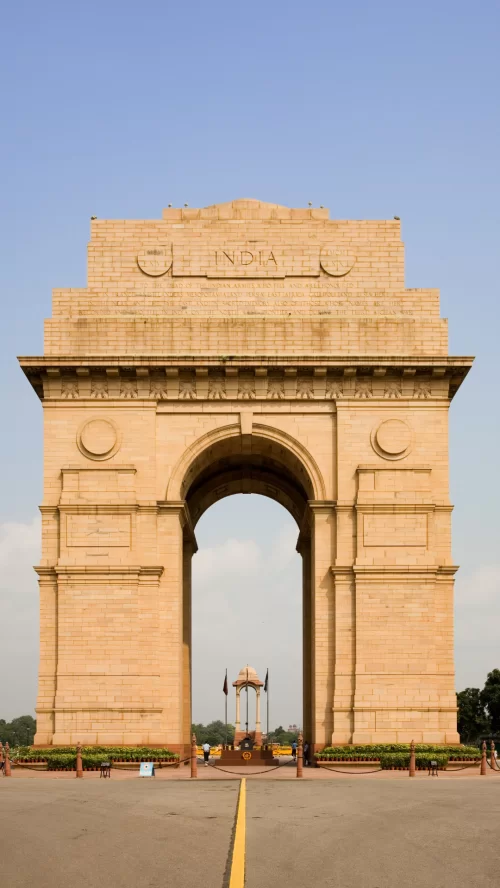
India Gate is a well-known Delhi landmark that families can include in an evening sightseeing plan. Children can enjoy the open surroundings of Kartavya Path, while parents can explain the significance of the war memorial and introduce them to an important part of Indian history.
The area is especially pleasant for a short family walk during cooler weather. Visitors should respect security arrangements, designated pedestrian areas and any restrictions around the memorial.
Swaminarayan Akshardham is an impressive cultural and spiritual complex known for its detailed architecture, landscaped surroundings and exhibitions. Older children may enjoy learning about Indian traditions, craftsmanship and cultural values through the visitor experiences offered within the complex.
Families should check the current exhibition schedule, permitted belongings and security rules before visiting. Photography and electronic-device restrictions apply within the complex, and some activities require separate tickets.
The National Rail Museum in Chanakyapuri is an appealing destination for children interested in trains, transport and engineering. Its collection includes historic locomotives, railway coaches and exhibits explaining the development of rail transport in India.
Children often enjoy seeing the size and design of older engines, while available recreational train rides can make the outing more memorable. Ride operations and ticketing should be confirmed before visiting.
Waste to Wonder Park in Sarai Kale Khan features large replicas of internationally recognised monuments created using recycled materials. It offers children an unusual way to learn about world landmarks, recycling and creative reuse.
Families can explore the sculptures, discuss the original monuments and take photographs where permitted. Evening visits may be more comfortable during warmer months, subject to the park's operating schedule.
Dilli Haat offers a different family experience through regional handicrafts, traditional products and food stalls representing different parts of India. Older children can discover different Indian art forms, textiles and cuisines in one location.
It is particularly useful for families who want a relaxed cultural outing rather than a full day of sightseeing. Parents should supervise younger children around crowded stalls and food-service areas.
Families with younger children should select two or three attractions rather than attempt to cover every major tourist place in Delhi in a single day. Travel time, meals, queues and rest breaks can significantly affect how much sightseeing children enjoy.
Delhi has several parks and green spaces where children can enjoy fresh air, short walks, outdoor games and time away from busy roads. These places are especially useful for families with energetic children who prefer exploring open spaces rather than spending the entire day indoors. Most parks are more comfortable during pleasant weather, particularly from October to March, although winter pollution and cold conditions should also be considered.
Lodhi Garden is one of the most suitable places in central Delhi for a relaxed family outing. Located near Lodhi Road, it combines spacious lawns, shaded pathways, trees and historical tombs within a landscaped public garden.
Children can enjoy walking, observing birds and exploring the garden surroundings while parents introduce them to Delhi's historical architecture. The park is particularly suitable for families who want a peaceful morning without a packed sightseeing schedule.
Suggested visiting time: Approximately one to two hours. Morning visits are generally more comfortable, especially outside the winter fog season.
Sunder Nursery, near Humayun's Tomb, is a landscaped heritage park featuring gardens, water features, walking paths and restored monuments. It is an excellent choice for families who enjoy nature, photography and gentle outdoor exploration.
Children can observe plants, birds and changing garden landscapes while learning about the importance of protecting natural and historical spaces. Families with toddlers may find the maintained pathways convenient, although not every area is equally suitable for pushchairs.
Suggested visiting time: Two to three hours for a leisurely family visit. Check current entry charges and visitor regulations before arriving.
The Children's Park near India Gate is designed around recreational activities for younger visitors. Delhi Tourism describes play facilities such as swings, slides and climbing equipment, although the availability and condition of individual facilities should be checked before planning a visit.
Parents can combine time at the park with a short walk around India Gate and Kartavya Path. This combination is especially convenient for families who want a mix of sightseeing and playtime without travelling between distant attractions.
Suggested visiting time: Around one hour, depending on the facilities available and the child's age.
Deer Park in the Hauz Khas area offers shaded walking routes and green surroundings suitable for family nature walks. The nearby Hauz Khas heritage area provides additional opportunities to introduce older children to Delhi's historical landscape.
Families can spend time observing birds and enjoying the quieter sections of the park. Wildlife enclosures and animal viewing should not be assumed to be available, as facilities and management arrangements may change.
Suggested visiting time: One to two hours. Supervise children around uneven pathways and water bodies.
Located in Said-ul-Ajaib near Saket, the Garden of Five Senses features landscaped areas, artistic installations, flowers and pathways. Its design encourages visitors to experience different elements of nature through sight, sound and touch.
It can be an interesting outdoor attraction for older children who enjoy photography, plants and exploring garden spaces. However, families with very young children should consider the walking involved and the suitability of different paths.
Suggested visiting time: Approximately one to two hours.
Nehru Park in Chanakyapuri is a spacious public park known for its greenery and walking areas. It is a practical choice for families seeking a calm outdoor break rather than a busy tourist attraction.
Children can enjoy gentle walks and supervised outdoor play in suitable open areas. The park is also convenient for families staying in central or south-west Delhi.
Carry drinking water, sunscreen, hats and a small snack when visiting parks with children. During summer, avoid extended outdoor activities in the afternoon. During winter, check air quality and visibility before planning long walks or outdoor play.
Educational museums and science centres are among the best places to visit in Delhi with kids who enjoy discovering how things work. Unlike conventional sightseeing attractions, many museums offer exhibits that encourage observation, discussion and hands-on learning. They are particularly useful during summer afternoons, rainy weather or days when outdoor sightseeing is uncomfortable.
The National Science Centre near Pragati Maidan introduces children to scientific principles through interactive exhibits, models and themed galleries. Topics include human biology, physics, technology and scientific development.
School-age children can explore how everyday scientific concepts work through displays designed to encourage curiosity. Parents can make the visit more engaging by asking children to explain what they observe or connect an exhibit to something familiar from school.
The National Rail Museum in Chanakyapuri showcases the development of Indian Railways through historic locomotives, railway carriages and transport-related exhibits. It is particularly appealing to children who enjoy trains, engines and mechanical equipment.
Families can explain how railway travel changed over time by comparing older engines with modern trains. Where operational, recreational train rides provide an additional activity beyond the museum displays.
Nehru Planetarium, located in the Teen Murti complex, is an interesting educational attraction for children curious about planets, stars and space exploration. Its astronomy-related presentations can help explain concepts that are difficult to visualise through textbooks alone.
Children interested in the solar system, constellations and space science may particularly enjoy a planetarium programme. Parents should choose a show suited to their child's age, language preference and attention span.
Shankar's International Dolls Museum is known for its collection of dolls representing different countries, clothing traditions and cultural identities. It can help children understand how traditional dress and artistic styles differ across regions.
Parents can turn the visit into a simple learning activity by asking children to identify differences in costumes, colours and accessories. Younger children may enjoy the visual displays, although they should understand that the exhibits are for viewing rather than playing.
The National Museum on Janpath offers opportunities to explore India's cultural history through archaeological objects, sculptures, artworks and historical collections. It is generally more rewarding for older children who can understand stories behind the exhibits.
Rather than attempting to cover every gallery, parents should select a few topics their children find interesting. Ancient objects, coins, sculptures and historical artefacts can become useful starting points for conversations about how people lived in different periods.
National Bal Bhavan near Kotla Road is associated with children's creative development through activities involving art, crafts, science and other forms of learning. It can be particularly valuable for families seeking participation-based activities rather than conventional sightseeing.
Workshops and programmes may have specific schedules, age requirements or registration arrangements. Families should confirm which activities are available to individual visitors on their intended date.
Age suggestions are general guidance rather than official admission requirements. For the most enjoyable educational outing, choose one main museum and allow children enough time to explore without rushing through every exhibit.
Families looking for entertainment beyond museums and monuments can explore amusement parks, adventure activities, recreational rides and indoor play centres across Delhi and the wider National Capital Region. The right activity depends on a child's age, height, confidence and interest in adventure. Parents should also consider weather conditions, travel distance, ticket packages and safety requirements before choosing a venue.
Adventure Island in Rohini is a recognised amusement park destination for families looking for recreational rides and entertainment. It is located near the Rithala Metro Station area, making it relatively convenient for visitors travelling from north-west Delhi.
Families can look for rides suited to different age groups, although individual attractions may have height, weight or safety restrictions. Children who are uncomfortable with fast-moving rides should begin with gentler options.
E-O-D Adventure Park in the Sanjay Lake area of east Delhi is associated with outdoor adventure activities and recreational experiences. It can be an interesting choice for active children and teenagers who enjoy physical challenges.
Activities advertised for the venue have included adventure courses, archery, zip-lining and boating-related experiences. However, the availability of individual activities can change because of maintenance, weather and operational arrangements.
Parents should check age, height and weight requirements before booking adventure activities. Children must follow instructor guidance and use the safety equipment provided.
Fun N Food Village in the Kapashera area is a recreational destination associated with water-based attractions and amusement activities. It may appeal to families planning a full-day outing during warmer weather.
Water activities can be enjoyable for children, but supervision is essential. Parents should check whether dedicated children's pools, shallow-water areas and age-appropriate attractions are operational before booking.
Families should carry suitable swimwear, towels, a change of clothes and any permitted personal essentials. Water attractions should be avoided during unsafe weather conditions.
Worlds of Wonder is a known amusement park destination in Noida, within the Delhi NCR region rather than Delhi city. Families considering this venue should first verify its current operational status and which attractions are available to visitors.
For families staying in east or south-east Delhi, Noida may be a practical option if suitable recreational facilities are operating. However, travelling across the city solely for an amusement park should be planned only after confirming opening arrangements and ticket availability.
Planning tip: Do not assume that older online ride lists, ticket prices or park schedules remain valid.
Indoor play centres are useful alternatives when Delhi experiences extreme summer heat, heavy rain or uncomfortable outdoor conditions. Depending on the venue, activities may include soft-play areas, ball pools, climbing structures, trampolines, interactive games and supervised activity sessions.
Shopping malls and entertainment complexes across Delhi NCR have hosted such facilities, but individual operators and locations change regularly. Families should search for an age-appropriate centre near their accommodation and confirm its current availability.
Not every fun activity needs to involve a large amusement park. Children may enjoy recreational train rides at the National Rail Museum, art workshops, storytelling sessions and structured creative activities at suitable cultural or educational venues.
These experiences are particularly useful for younger children who may find large amusement parks tiring or overwhelming. Parents can choose shorter activities that fit comfortably around meals and rest periods.
Amusement parks are best planned as a dedicated half-day or full-day activity. Combining an extensive amusement park visit with several monuments and museums on the same day can be unnecessarily tiring for children.
Delhi's historical monuments can be fascinating for children when sightseeing is combined with storytelling and simple activities. Instead of presenting history as a collection of dates, parents can explain how rulers lived, why forts were built and how architecture changed over time. Spacious heritage complexes also give children opportunities to observe unusual structures, patterns and building materials.
Red Fort, also called Lal Qila, is a UNESCO World Heritage Site in Old Delhi. Built during the reign of Mughal emperor Shah Jahan, the fort introduces children to the architecture and ceremonial spaces associated with the Mughal period.
Families can explore accessible areas of the complex and discuss the purpose of its massive defensive walls, gateways and royal buildings. Older children may also recognise the fort from India's Independence Day celebrations.
Parents can make the visit interactive by asking children why forts needed thick walls and how life inside a royal complex might have differed from modern city life.
Qutub Minar in Mehrauli is one of Delhi's most recognisable historical landmarks. The tall minaret and surrounding archaeological complex provide opportunities to learn about early Delhi Sultanate architecture.
Children can observe the decorative carvings, inscriptions and different architectural elements visible around the complex. Parents can explain how builders created tall structures long before modern construction equipment existed.
The surrounding monuments, including Alai Darwaza and the Iron Pillar, offer additional subjects for children interested in engineering and historical materials. Climbing the Qutub Minar itself is not permitted.
Humayun's Tomb near Nizamuddin is a UNESCO World Heritage Site known for its Mughal architecture and formal garden layout. The complex provides a useful introduction to symmetrical design, arches, domes and landscaped pathways.
Children can observe how the gardens are divided into sections and compare the shape of the main monument with other Mughal buildings. Older children may enjoy learning how this architectural tradition influenced later monuments, including the Taj Mahal.
The grounds involve considerable walking, and steps around the monument may be difficult for pushchairs or visitors with limited mobility.
Purana Qila, also known as Old Fort, is a historic complex near Mathura Road. Its imposing gateways and surviving structures make it an interesting destination for children who enjoy exploring forts.
Parents can explain the defensive purpose of the walls and introduce children to the different historical periods associated with the site. The fort's large structures can help younger visitors understand the scale of historical architecture.
Some sections have uneven surfaces and steps, so families should remain on permitted routes and supervise children carefully.
Jantar Mantar near Connaught Place is an astronomical observatory built in the eighteenth century. Its large instruments were designed to help measure time and observe astronomical positions.
This attraction is particularly useful for children who have started learning about the sun, shadows, time and planetary movement. Parents can explain how people studied the sky before electronic clocks and modern telescopes became common.
Because the scientific purpose of the instruments is not immediately obvious, a suitable guide or simple explanation can make the visit more meaningful.
For most families, visiting one major monument in a morning is more enjoyable than rushing through several historical sites. A heritage visit can then be followed by a museum, garden or recreational activity to maintain children's interest.
Travelling around Delhi with toddlers requires a different approach from sightseeing with older children. Young children generally enjoy short activities, familiar routines, open spaces and opportunities to move around safely. The best places to visit in Delhi with toddlers are therefore not necessarily the city's most famous attractions, but locations that allow flexible visiting times, rest breaks and manageable walking distances.
Lodhi Garden is a practical choice for families with toddlers because it offers open lawns, shaded areas and walking paths. Parents can plan a short morning visit without needing to follow a fixed activity schedule.
Toddlers may enjoy watching birds, observing trees and exploring safe grassy areas under adult supervision. Parents should remain attentive around water features, steps and uneven surfaces near the historical structures.
Suggested duration: Around 45 minutes to one and a half hours.
Sunder Nursery offers landscaped surroundings where families can enjoy a slower outing with young children. Its gardens and pathways provide opportunities for short walks, nature observation and family photographs.
Parents travelling with pushchairs should check which routes are accessible and avoid assuming that every garden or heritage section has step-free access. A shorter visit focused on the main garden areas is usually sufficient for toddlers.
Suggested duration: Approximately one to two hours.
Young children who enjoy trains may find the National Rail Museum more interesting than a conventional historical museum. Seeing large locomotives and railway coaches can be exciting even when a child is too young to understand their historical significance.
Parents should focus on a few visually interesting exhibits rather than attempting to cover the entire museum. Recreational train rides, when operational and suitable for the child's age, may provide an additional experience.
Suggested duration: Around one to one and a half hours for younger children.
A dedicated children's playground can be more enjoyable for toddlers than an attraction requiring continuous walking or quiet observation. The Children's Park near India Gate has historically offered recreational equipment intended for different age groups.
Families should verify current access and the condition of play equipment before visiting. Parents must supervise toddlers closely and choose only equipment appropriate for their size and physical development.
Suggested duration: Around 30 minutes to one hour.
Indoor soft-play facilities can be convenient when outdoor conditions are unsuitable. Some centres provide padded play areas, age-separated activities and short supervised sessions designed for younger children.
Parents should choose facilities that clearly distinguish toddler play spaces from areas used by older children. Cleanliness, staff supervision, equipment maintenance and emergency arrangements are more important than the number of activities advertised.
Suggested duration: Approximately 45 minutes to one and a half hours, depending on the child's comfort and the venue's rules.
Some Delhi attractions can still be visited with young children, but they require additional preparation.
For families with children under five, one main attraction and one short outdoor activity are often enough for a comfortable day. A flexible plan allows parents to respond to tiredness, hunger and changing weather without feeling pressured to complete a long sightseeing checklist.
A one-day Delhi sightseeing itinerary with kids should balance educational activities, outdoor time, meals and rest. Since Delhi is a large city with unpredictable traffic, attempting to visit every major landmark in a single day is rarely practical for families. A route focusing on central Delhi and nearby attractions reduces unnecessary travelling and gives children more time to enjoy each stop.
Begin the day at the National Science Centre near Pragati Maidan. Its interactive exhibits provide an engaging start for school-age children who are fresh and ready to explore.
Spend approximately two to two and a half hours exploring selected galleries and participating in available educational activities. Prioritise the exhibits that match your children's interests rather than trying to see everything.
Families with toddlers may prefer replacing this visit with a shorter outing at the National Rail Museum or a suitable garden.
After the museum, take a proper lunch break at a family-friendly restaurant in the surrounding area or along the route towards India Gate. Choose a place with comfortable seating, suitable food options and accessible washrooms.
A relaxed meal is important because children may become tired after several hours of walking and exploring. Allow additional time if travelling with toddlers or infants.
Proceed towards India Gate for a short sightseeing stop. Children can see the memorial, learn about its national significance and enjoy a gentle walk through permitted pedestrian areas around Kartavya Path.
Keep the visit brief during warmer months because open areas can become uncomfortable in strong sunlight. During severe heat or poor air quality, replace this stop with an indoor activity or move it to a more suitable time.
Allow time for local traffic, refreshments and rest before the final attraction. This buffer is especially useful on weekends, public holidays and days with road restrictions around central Delhi.
Families travelling with very young children can finish sightseeing after India Gate rather than continuing to another attraction.
Finish the day at Sunder Nursery near Humayun's Tomb. Its landscaped gardens offer a change of pace after the science museum and city sightseeing.
Children can enjoy a supervised walk, observe plants and birds, and spend time outdoors while parents relax. Check the park's current closing time before visiting, particularly during winter when daylight hours are shorter.
For families who prefer historical sightseeing, Humayun's Tomb can replace Sunder Nursery. However, visiting both in detail after a full morning of activities may be tiring for younger children.
Delhi Metro is useful for avoiding road congestion and connecting many tourist areas. However, families may still need an auto-rickshaw, taxi or short walk between the nearest station and an attraction.
A private cab can be more convenient for families carrying pushchairs, bags and children's essentials, particularly when visiting several attractions in one day. Travel times should remain flexible because congestion, parking arrangements and security restrictions can affect the schedule.
Important: The suggested timings are approximate planning slots, not guaranteed travel durations. Check attraction opening hours, traffic conditions, ticket availability and weather before finalising the itinerary.
Before planning a family outing in Delhi, check the entry fees, opening timings, weekly closures and visitor facilities of your chosen attractions. While several public gardens and landmarks can be visited without purchasing admission tickets, museums, heritage monuments, amusement parks and certain recreational facilities charge entry fees. Ticket prices may also vary according to age, nationality, booking method and selected activities.
The following information provides a practical starting point for planning. Where current admission charges or operating schedules could not be reliably established, families should verify them directly through the attraction's official website before travelling.
October to March is generally a more comfortable period for outdoor sightseeing in Delhi compared with the peak summer months. However, weather conditions vary considerably within this period, and winter can bring fog, cold mornings and poor air quality.
Always check the weather forecast and Delhi's current Air Quality Index before planning prolonged outdoor activities. Children with asthma or other respiratory concerns may require additional precautions, particularly during pollution episodes.
Delhi Metro is a convenient option for reaching many attractions while avoiding some of the city's road congestion. Families should check the nearest station, interchange requirements and walking distance to the attraction before travelling.
App-based taxis and private cabs may be more comfortable for families with infants, toddlers or multiple children. When using a car, arrange an age-appropriate child restraint wherever possible and avoid carrying young children unrestrained.
For a full day of sightseeing, choose attractions within a manageable geographical area rather than repeatedly travelling between north, south and east Delhi.
Children may need more frequent food and rest breaks than adults, particularly during hot weather or lengthy museum visits. Carry drinking water and simple snacks where permitted, but check attraction-specific restrictions on outside food.
The cost of visiting Delhi with kids depends on the attractions selected, transport arrangements, meals and optional activities. A day focused on public gardens and landmarks can be relatively economical, while visits to ticketed museums, monuments and amusement parks increase the overall expense.
Families should calculate the cost of admission separately for adults and children, as some attractions offer age-based concessions. Recreational rides, special exhibitions, guided experiences and food may require additional payments beyond the basic entry ticket.
When comparing attractions, consider the total family cost rather than the individual ticket price. Transport and optional activities can account for a substantial portion of the day's spending.
Delhi can be an enjoyable destination for family sightseeing when the itinerary is planned around children's needs rather than the number of attractions covered. A balanced combination of learning, play, outdoor exploration and rest usually creates a more comfortable experience than a tightly packed schedule.

Get customized Delhi tour planning designed around traffic flow, seasonal weather comfort, heritage site exploration time, and realistic city pacing. Whether you are visiting for historical monuments, cultural experiences, food walks, shopping districts,
⚡ Quick Response | 💰 Free consultation | 🕒 24×7 expert support

