



Best Street Food in Chandni Chowk – What and Where to Eat
Discover Chandni Chowk's famous street food, from traditional parathas and chaat to sweets and savoury snacks, with guidance on food lanes, local specialities and hygiene.
+91 9910402252
admin@chalbanjare.com


Plan a one-day Delhi sightseeing trip with major attractions, a practical visiting order, travel time considerations and useful tips for making the most of your day.
Delhi has numerous tourist attractions, but covering all of them in one day is neither practical nor enjoyable. First-time visitors should focus on a manageable selection of historical monuments, important landmarks and cultural experiences that represent different sides of the capital. The most suitable attractions depend on your starting location, available sightseeing hours and whether you prefer history, architecture, religious sites or local markets.
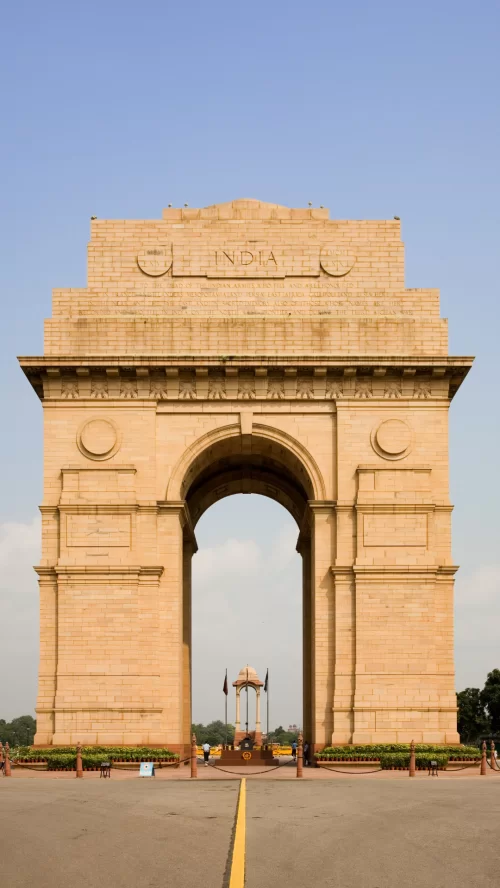
India Gate is one of the most recognisable landmarks in Delhi and an excellent stop during a one-day sightseeing tour. Located near Kartavya Path, this war memorial commemorates Indian soldiers who lost their lives during the First World War and related military campaigns.
Visitors can admire the monument, take photographs from permitted areas and enjoy a short walk along the surrounding ceremonial avenue. The area is particularly attractive during the evening when the memorial is illuminated.
Suggested sightseeing time: 30 to 45 minutes.
Red Fort, also known as Lal Qila, is a UNESCO World Heritage Site in Old Delhi. Built during the reign of Mughal emperor Shah Jahan, the fort is known for its massive red sandstone walls, historic gateways and surviving palace structures.
Visitors can explore accessible sections of the complex and learn about the Mughal period and the fort's later significance in India's independence celebrations. The monument is especially interesting for travellers visiting Delhi for the first time.
Suggested sightseeing time: 1.5 to 2 hours for a meaningful visit, including entry procedures.
Qutub Minar in Mehrauli is a UNESCO World Heritage Site and one of Delhi's most impressive historical structures. The minaret stands within an archaeological complex containing important monuments from the early Delhi Sultanate period.
Visitors can admire the tower's intricate carvings, explore the surrounding historical structures and learn about the architectural techniques used during medieval times. The nearby Iron Pillar and Alai Darwaza add further interest to the visit.
Suggested sightseeing time: 1 to 1.5 hours.
Humayun's Tomb near Nizamuddin is known for its symmetrical Mughal garden layout, red sandstone architecture and impressive central dome. The UNESCO-listed complex provides an opportunity to explore one of the important architectural developments that influenced later Mughal monuments.
The landscaped pathways and surrounding historical structures make it suitable for travellers interested in heritage and photography. However, the complex requires a reasonable amount of walking.
Suggested sightseeing time: 1 to 1.5 hours for a focused visit.
The Lotus Temple in Kalkaji is a Bahá'í House of Worship recognised for its distinctive lotus-shaped architecture. Visitors of different religious backgrounds can enter the prayer hall during permitted visiting hours and experience its quiet atmosphere.
The temple is particularly appealing to travellers interested in architecture and peaceful cultural attractions. Visitors should maintain silence inside the prayer hall and follow the temple's rules.
Suggested sightseeing time: 45 minutes to 1 hour, excluding unusually long queues.
Swaminarayan Akshardham in east Delhi is a cultural and spiritual complex known for its detailed stone architecture, exhibitions and landscaped surroundings. It offers visitors an opportunity to explore Indian artistic traditions and cultural storytelling.
Although Akshardham is a major Delhi attraction, its security procedures, exhibitions and location mean that it can occupy several hours. Travellers with only one day should generally choose Akshardham as a major part of their itinerary rather than treating it as a quick stop.
Suggested sightseeing time: 2 to 4 hours, depending on selected experiences.
Jama Masjid is one of the important historical and religious landmarks of Old Delhi. Commissioned during the reign of Shah Jahan, the mosque is recognised for its large courtyard, domes and minarets.
Visitors can admire the architecture and observe the surrounding historical neighbourhood. Non-worshipper access may be restricted during prayer periods, and appropriate clothing is required.
Suggested sightseeing time: 30 to 45 minutes, subject to visitor access.
Connaught Place, commonly known as CP, is a central commercial district with colonial-era architecture, shops, cafes and restaurants. It is a convenient location for a meal or an evening break after sightseeing.
Visitors can explore the circular market streets, browse available shops and enjoy food at one of the many restaurants. Its central location makes it useful as a finishing point for several Delhi sightseeing routes.
Suggested sightseeing time: 45 minutes to 1.5 hours, depending on shopping and dining plans.
For a comfortable one-day Delhi tour, select approximately three major attractions and one or two shorter stops. Trying to cover every famous landmark usually leads to excessive travelling, rushed visits and missed experiences.
Delhi's historical monuments reflect several centuries of political, architectural and cultural change. From the early Delhi Sultanate to the Mughal period and colonial-era New Delhi, the city contains landmarks that appeal to history enthusiasts and first-time tourists. During a one-day Delhi trip, however, visiting two major monuments in detail is generally more rewarding than rushing through several large heritage complexes.
Red Fort is an important starting point for exploring the history of Mughal Delhi. Commissioned by Shah Jahan during the seventeenth century, the complex contains imposing gateways, palace structures and spaces associated with the Mughal court.
Visitors can explore accessible areas such as the Lahori Gate entrance, Chatta Chowk and surviving ceremonial buildings. The fort also holds national importance because India's Independence Day celebrations are associated with its ramparts.
Why visit: Mughal architecture, royal history and India's independence heritage.
Planning advice: Allow at least 90 minutes for a focused visit. Check the latest admission schedule and any conservation-related restrictions.
Humayun's Tomb is one of Delhi's most significant Mughal monuments. Its formal garden layout, central dome, sandstone surfaces and symmetrical design make it an excellent place to understand the development of Mughal architecture.
Visitors can walk through the garden pathways, observe the architectural details and explore permitted sections of the complex. It is particularly suitable for travellers interested in photography and heritage conservation.
Why visit: Mughal garden design, architecture and UNESCO World Heritage significance.
Planning advice: Allocate approximately 60 to 90 minutes. The complex involves walking and steps.
Qutub Minar in Mehrauli is among the most recognisable examples of early Delhi Sultanate architecture. Its archaeological complex includes the minaret, Alai Darwaza, the Iron Pillar and other historical remains.
Visitors can observe the tower's decorative inscriptions and the surrounding structures while learning about medieval building techniques. The minaret itself is not open for climbing.
Why visit: Medieval architecture, historical inscriptions and early Sultanate monuments.
Planning advice: Allow 60 to 90 minutes and avoid the hottest part of the afternoon.
Purana Qila, also known as Old Fort, stands near Mathura Road and the National Zoological Park. Its massive gateways and surviving historical structures provide another opportunity to explore Delhi's fortified architecture.
The complex is associated with different periods of Delhi's history, including the sixteenth century. It is suitable for visitors interested in fortifications, archaeological sites and historical landscapes.
Why visit: Fort architecture and Delhi's layered history.
Planning advice: Allow approximately one hour and check which sections are open to visitors.
Jantar Mantar near Connaught Place is an eighteenth-century astronomical observatory commissioned by Maharaja Sawai Jai Singh II. Its large instruments were designed for astronomical measurements and observations.
The unusual geometric structures make it an interesting stop for travellers who enjoy science as well as history. A guide or a basic explanation of the instruments can make the experience more meaningful.
Why visit: Historical scientific instruments and distinctive architecture.
Planning advice: Approximately 30 to 45 minutes is sufficient for a short visit.
Agrasen Ki Baoli is a historical stepwell located near Hailey Road in central Delhi. Its long flight of steps and repeated stone arches create an unusual architectural setting compared with Delhi's forts and tombs.
It is particularly convenient for visitors exploring Connaught Place, Jantar Mantar and nearby central Delhi attractions. The exact origins of the surviving structure are not conclusively established, so claims about its original construction date should be treated cautiously.
Why visit: Stepwell architecture, photography and a short heritage stop.
Planning advice: Allow approximately 20 to 30 minutes and follow safety restrictions around the steps.
Red Fort, Humayun's Tomb and Qutub Minar are all worth visiting, but their geographical separation makes a detailed visit to all three difficult within a relaxed one-day itinerary. Choose monuments based on the area you intend to explore and reserve enough time for security checks, walking and local travel.
Delhi's religious and cultural attractions offer visitors an opportunity to explore different traditions, architectural styles and community practices. Several temples, mosques and gurudwaras are located near major sightseeing areas, making them convenient additions to a one-day tour. However, religious sites often have specific visiting hours, prayer schedules, dress requirements and security arrangements that should be respected.
Akshardham in east Delhi is known for its detailed architecture, cultural exhibitions and spiritual atmosphere. The main temple features elaborate stone carvings, while optional exhibitions introduce visitors to Indian traditions, values and cultural stories.
Akshardham is especially suitable for travellers who want a substantial cultural experience rather than a brief photo stop. The complex also offers an evening water show according to its official schedule.
Suggested visiting time: Two to four hours, depending on the exhibitions and activities selected.
Important: Akshardham is closed on Mondays. Electronic devices and photography equipment are restricted, and visitors should check the official entry rules before arriving.
The Lotus Temple near Kalkaji is a Bahá'í House of Worship recognised for its lotus-shaped white marble architecture. People from different religious backgrounds are welcome to visit and experience the peaceful prayer hall.
The attraction is suitable for visitors interested in modern architecture, spirituality and quiet reflection. Its landscaped surroundings also provide attractive exterior views.
Suggested visiting time: 45 minutes to one hour.
Important: The temple is generally closed on Mondays, and visitors should maintain silence inside the prayer hall.
Gurudwara Bangla Sahib near Connaught Place is one of Delhi's important Sikh religious sites. The complex is recognised for its golden dome, sarovar and community kitchen, known as langar.
Visitors can learn about Sikh traditions, community service and the principle of equality through the gurudwara's religious and social activities. The location is convenient for travellers exploring central Delhi.
Suggested visiting time: Approximately 30 to 60 minutes.
Important: Cover your head, remove footwear in designated areas and follow the gurudwara's visitor guidelines.
Laxminarayan Temple, commonly called Birla Mandir, is located near Connaught Place. Dedicated primarily to Lord Vishnu and Goddess Lakshmi, the temple is known for its architecture and religious significance.
It is a convenient addition to a central Delhi sightseeing route, particularly for visitors interested in Hindu temples without travelling far from major commercial areas.
Suggested visiting time: Approximately 30 to 45 minutes.
Important: Confirm the current darshan schedule and photography restrictions before visiting.
Jama Masjid in Old Delhi is one of the city's most significant Mughal-era mosques. Its large courtyard, domes and minarets provide an opportunity to appreciate Islamic architecture and the religious history of Shahjahanabad.
The mosque is conveniently located near Chandni Chowk and Red Fort, making it suitable for an Old Delhi heritage route.
Suggested visiting time: 30 to 45 minutes.
Important: Non-worshipper access may be restricted during prayers. Dress modestly and respect the mosque's rules.
Raj Ghat is the memorial marking the cremation site of Mahatma Gandhi. Its simple black marble platform and landscaped surroundings create a place for reflection on Gandhi's life and contribution to India's independence movement.
The memorial is located relatively close to Old Delhi and can be included in a route covering Red Fort and nearby historical attractions.
Suggested visiting time: Approximately 20 to 30 minutes.
Important: Maintain a respectful atmosphere and follow footwear and visitor instructions.
Travellers with only one day should choose one or two cultural attractions that fit naturally into their route. Visiting Akshardham in detail may require reducing the number of other monuments and markets included in the itinerary.
Shopping and local food are important parts of a Delhi sightseeing experience. The city offers traditional bazaars, modern commercial districts and specialised food streets where visitors can discover regional products and popular dishes. During a one-day tour, it is best to select one market that fits your sightseeing route rather than travelling across Delhi solely for shopping.
Chandni Chowk is one of Delhi's oldest and busiest market districts. Located near Red Fort and Jama Masjid, it is a convenient stop for tourists exploring Old Delhi.
The market is known for textiles, jewellery, wedding accessories, traditional sweets and street food. Visitors can explore selected lanes such as Dariba Kalan for jewellery and Kinari Bazaar for decorative products.
Food enthusiasts may enjoy traditional dishes such as parathas, chaat, kachori and jalebi from established outlets. Individual shops and food stalls have different opening hours.
Suggested visiting time: One to one and a half hours.
Planning advice: Expect crowds, particularly during weekends and festivals. Walking or using authorised local transport is often more practical than taking a car into narrow market lanes.
Paranthe Wali Gali is a well-known food lane within the Chandni Chowk area. It is associated with traditional stuffed and fried parathas served with accompaniments such as chutneys and vegetable preparations.
Visitors interested in Delhi's traditional food culture can include a short stop while exploring Chandni Chowk. The experience is best treated as part of the Old Delhi market visit rather than a separate destination requiring additional travel.
Suggested visiting time: Approximately 30 to 45 minutes, depending on queues.
Connaught Place is one of the most convenient locations for shopping and dining during a one-day Delhi tour. Its circular market layout contains clothing stores, bookstores, cafes, restaurants and other commercial establishments.
The area is especially useful for lunch or dinner when visiting India Gate, Jantar Mantar, Gurudwara Bangla Sahib or other central Delhi attractions.
Suggested visiting time: One to one and a half hours, including a meal.
Janpath Market near Connaught Place is popular for clothing, accessories, decorative products and souvenirs. It is a practical choice for tourists who want to purchase small items without spending several hours in a large shopping district.
Some stalls allow bargaining, while others operate with fixed prices. Visitors should compare product quality and prices before purchasing.
Suggested visiting time: Approximately 30 to 45 minutes.
Dilli Haat INA is an organised open-air market featuring handicrafts, textiles, jewellery and food from different Indian regions. It is suitable for travellers who want a cultural shopping experience with regional dining options.
The market is particularly convenient when exploring south or central Delhi. However, entry is ticketed and the market follows fixed visiting hours.
Suggested visiting time: One to one and a half hours.
Sarojini Nagar Market is known for affordable clothing, footwear, bags and fashion accessories. It is especially popular among visitors interested in budget shopping.
Although the market offers numerous shopping options, it can become crowded and may require more time than expected. It is therefore better suited to a shopping-focused Delhi itinerary rather than a tightly scheduled historical sightseeing tour.
Suggested visiting time: One to two hours.
For a one-day Delhi trip, keep shopping flexible. Markets can become crowded, and spending too much time browsing may leave insufficient time for monuments that have fixed closing hours.
A practical one-day Delhi sightseeing itinerary should include a manageable number of attractions, realistic travel breaks and enough time for meals. The following route is designed for first-time visitors who want to experience Old Delhi's heritage, central Delhi's landmarks and a relaxed evening without rushing between distant parts of the city. It assumes that you are already in Delhi and can begin sightseeing in the morning.
Begin your sightseeing tour at Red Fort in Old Delhi. Explore the permitted sections of the complex, admire the red sandstone architecture and learn about its importance during the Mughal period.
Starting early helps avoid some of the midday heat and leaves sufficient time for the rest of the itinerary. Allow additional time for ticketing and security checks.
Important: Red Fort is generally closed to regular visitors on Mondays. Choose another attraction if your sightseeing date falls on a closure day.
After Red Fort, continue towards Jama Masjid and the surrounding Old Delhi market area. The mosque provides an opportunity to observe Mughal religious architecture, while Chandni Chowk introduces visitors to traditional shopping streets and local food.
Spend a short period exploring selected market lanes rather than attempting to cover the entire commercial district. If visiting Jama Masjid, check access restrictions during prayer periods.
Experience highlight: Discover the historic streets and food traditions of Old Delhi.
Enjoy lunch at a suitable restaurant in Old Delhi or along the route towards central Delhi. Travellers interested in traditional food may choose an established local outlet, while families can select a restaurant with comfortable seating and washroom facilities.
Keep the lunch break flexible because queues, traffic and crowded market lanes may affect the schedule.
Proceed towards Humayun's Tomb near Nizamuddin. The journey crosses from Old Delhi towards the southern part of central New Delhi and may take longer during busy traffic periods.
A taxi or private cab is convenient for this transfer, while Metro users should account for station access and the final journey to the monument.
Visit the Mughal-era garden tomb and explore its main architectural features. The symmetrical garden layout, large dome and sandstone structures provide a contrast to the fortified architecture of Red Fort.
Allow approximately 60 to 75 minutes for a focused visit. Visitors particularly interested in history or photography may prefer spending longer and reducing later stops.
Experience highlight: Explore one of Delhi's most important examples of Mughal garden architecture.
Continue towards India Gate and Kartavya Path. Allow time for traffic, parking and any security-related diversions around central Delhi.
If travelling during summer, consider taking a refreshment break before walking around the open memorial area.
Spend time admiring India Gate and exploring permitted pedestrian areas around Kartavya Path. The memorial provides an important introduction to India's military history and the planned architecture of New Delhi.
Visitors can take photographs, enjoy a short walk and observe the surrounding ceremonial landscape.
Experience highlight: See one of the capital's most recognisable national landmarks.
Continue to Gurudwara Bangla Sahib near Connaught Place. Spend a short period observing the complex and learning about Sikh traditions and community service.
Cover your head, remove footwear in the designated area and follow the gurudwara's visitor guidelines.
This stop is optional for travellers who prefer more time at India Gate or want to finish sightseeing earlier.
Finish your Delhi sightseeing tour at Connaught Place. Explore the market streets, browse available shops or enjoy dinner at a restaurant of your choice.
The area provides a convenient conclusion because of its central location and access to Metro services, taxis and other transport options.
Experience highlight: Enjoy the evening atmosphere of central Delhi after a day of historical sightseeing.
Travellers who want a more relaxed experience can visit Red Fort, Chandni Chowk, India Gate and Connaught Place while leaving Humayun's Tomb for another day. This shorter route is especially suitable for visitors with limited energy or unpredictable arrival times.
Choosing the right sightseeing route is one of the most important decisions when exploring Delhi in one day. Old Delhi is known for its Mughal monuments, traditional markets and historic streets, while New Delhi offers ceremonial landmarks, museums, gardens and major cultural attractions. Grouping nearby places together helps reduce travel time and makes the day more enjoyable.
Suggested route: Red Fort – Jama Masjid – Chandni Chowk – India Gate – Gurudwara Bangla Sahib – Connaught Place.
This is a practical route for first-time visitors who want a combination of Mughal history, local markets, national landmarks and evening dining.
Best suited for: First-time visitors, families and tourists interested in a balanced Delhi sightseeing experience.
Planning advice: Allow approximately eight to ten hours, including meals and transport. This route avoids the additional journey to distant south Delhi monuments.
Suggested route: Qutub Minar – Lotus Temple – Humayun's Tomb – India Gate – Connaught Place.
This route focuses on Delhi's architectural variety, from medieval Sultanate structures to Mughal garden design and modern religious architecture.
Best suited for: Architecture enthusiasts, couples and travellers who have already explored Old Delhi.
Planning advice: This is an active full-day route with several transfers. Start early, check Lotus Temple's closure day and shorten monument visits if traffic is heavy.
Suggested route: Lotus Temple – Akshardham Temple – India Gate.
This route is suitable for visitors interested in religious architecture, cultural exhibitions and a relaxed evening landmark visit.
Best suited for: Families and travellers interested in spiritual and cultural attractions.
Planning advice: Both Lotus Temple and Akshardham are generally closed on Mondays. If attending Akshardham's evening water show, omit India Gate and treat Akshardham as the final destination.
Suggested route: Gurudwara Bangla Sahib – Jantar Mantar – India Gate – Connaught Place.
This route is suitable for visitors who prefer shorter transfers and do not want to spend several hours walking through large monument complexes.
Best suited for: Senior citizens, families with young children and visitors with limited sightseeing time.
Planning advice: Allow approximately five to seven hours, depending on meals, walking pace and traffic.
Suggested route: Red Fort – Jama Masjid – Chandni Chowk – Paranthe Wali Gali – Connaught Place.
This route combines major Old Delhi landmarks with traditional markets and local food. It is particularly suitable for travellers interested in the city's culinary heritage.
Begin with the historical attractions before exploring selected market lanes and food outlets. Finish at Connaught Place if you want a more relaxed dining or shopping experience later in the day.
Best suited for: Food enthusiasts, photographers and travellers interested in local culture.
Planning advice: Check market opening hours and avoid scheduling the main shopping experience on a day when your preferred market lanes are closed.
The best route is not necessarily the one with the most attractions. It is the route that allows sufficient time at the places you value most while accounting for travel, meals, ticketing and closing hours.
Delhi has an extensive public transport network, but travelling between major tourist attractions can still take considerable time. A one-day sightseeing plan should account for Metro connections, road traffic, walking distances and the availability of local transport near monuments. The most convenient option depends on your budget, group size, starting point and the attractions included in your itinerary.
Delhi Metro is one of the most practical ways to explore major parts of the capital without depending entirely on road transport. It connects important commercial districts, railway stations and several areas near popular tourist attractions.
However, not every monument is located directly outside a Metro station. Visitors may need to walk or take an auto-rickshaw for the final part of the journey.
Useful Metro stations for sightseeing:
Check the official Delhi Metro route planner for current interchange information, service hours and station accessibility.
A private cab can be useful for families, senior citizens and groups visiting multiple attractions in one day. It reduces the need to change transport frequently and provides more flexibility for meals, rest breaks and carrying personal belongings.
However, a cab does not eliminate traffic congestion. Parking near popular monuments and crowded markets can be difficult, and some areas require walking from designated drop-off points.
Best suited for: Families with children, senior citizens and small groups.
Planning advice: Confirm whether the quoted transport price includes parking, tolls, waiting charges and any driver allowance.
Auto-rickshaws are useful for short journeys between Metro stations and tourist attractions. E-rickshaws may also operate in selected local areas, including parts of Old Delhi.
These options are particularly convenient when the distance is too long for a comfortable walk but does not justify booking a taxi.
Visitors should agree on the applicable fare or use a recognised booking service where available. Follow local traffic arrangements and avoid overloaded vehicles.
Walking is often the most practical way to explore Chandni Chowk, Jama Masjid and nearby Old Delhi market lanes. It allows visitors to observe historical streets, food stalls and traditional shops more closely.
However, walking distances can feel longer in hot weather or crowded conditions. Comfortable footwear, drinking water and regular breaks are important.
Best suited for: Old Delhi markets, central commercial streets and compact heritage areas.
Organised sightseeing tours can be useful for visitors who prefer a predefined route and do not want to manage individual transport connections. Delhi Tourism offers city sightseeing programmes covering selected monuments and landmarks.
Published full-day sightseeing routes have included attractions such as Qutub Minar, Lotus Temple, Raj Ghat and Humayun's Tomb, with certain monuments viewed only from outside.
Travellers should check the latest operating schedule, inclusions, ticket arrangements and sightseeing duration before booking.
Best suited for: First-time visitors and travellers who prefer a structured group tour.
For a one-day Delhi trip, a combination of Metro and short local transfers can work well for independent travellers. Families and groups may find a private cab more comfortable, provided the itinerary avoids unnecessary cross-city travel.
Checking entry fees and opening timings is essential when planning Delhi sightseeing in one day. Some attractions have free general admission, while protected monuments, museums and special exhibitions require tickets. Weekly closures, religious ceremonies and security restrictions can also affect visitor access, so travellers should confirm important details before finalising their itinerary.
The following information is intended as a planning reference. Published timings and ticket rates may change, and some official tourism pages contain older information. Travellers should verify current charges and entry arrangements through the relevant official attraction or ticketing website.
Starting around 8:30 AM to 9:30 AM is generally practical for a full-day Delhi tour, depending on the opening hours of your first attraction. An early start allows more time for major monuments before the busiest afternoon traffic and helps avoid extended outdoor sightseeing during the hottest part of the day.
However, travellers should not arrive before a ticketed attraction opens unless they are comfortable waiting outside. Check the first-entry time and plan the journey accordingly.
October to March is generally more comfortable for outdoor sightseeing than the peak summer months. However, Delhi's winter season can bring fog, cold mornings and poor air quality, while October and November may also experience significant pollution.
Check the weather forecast and current Air Quality Index before planning long outdoor visits, particularly when travelling with children, senior citizens or people with respiratory conditions.
The cost of a one-day Delhi tour depends on the number of ticketed attractions, transport choices, food preferences and optional activities. A sightseeing day focused on India Gate, religious attractions and public market areas can be relatively economical.
Visiting multiple ASI monuments, booking a private cab or adding cultural exhibitions will increase the total cost. Travellers should also account for parking, local transfers, meals and possible guide charges.
Calculate the cost of each attraction separately using official ticket information rather than relying on old package estimates.
The most enjoyable one-day Delhi trip is built around a small number of well-chosen attractions. First-time visitors can focus on Red Fort, Chandni Chowk, India Gate and central Delhi, while travellers interested in architecture may prefer Qutub Minar, Lotus Temple and Humayun's Tomb.
Start early, choose a logical route, verify opening hours and keep enough flexibility for traffic and meals. With realistic planning, one day is sufficient to experience several important highlights of Delhi, even though exploring the capital in greater depth requires additional time.


Get customized Delhi tour planning designed around traffic flow, seasonal weather comfort, heritage site exploration time, and realistic city pacing. Whether you are visiting for historical monuments, cultural experiences, food walks, shopping districts,
⚡ Quick Response | 💰 Free consultation | 🕒 24×7 expert support

