


Best Street Food in Chandni Chowk – What and Where to Eat
Discover Chandni Chowk's famous street food, from traditional parathas and chaat to sweets and savoury snacks, with guidance on food lanes, local specialities and hygiene.
+91 9910402252
admin@chalbanjare.com


Plan your visit to Akshardham Temple in Delhi with guidance on opening hours, entry procedures, exhibitions, dress code, security restrictions and nearby transport options.
Swaminarayan Akshardham is a Hindu temple and cultural complex located in East Delhi. Dedicated to Bhagwan Swaminarayan, the complex celebrates Hindu spirituality, traditional Indian architecture, cultural heritage and values such as devotion, peace, service and compassion.
The temple is known for its elaborate stone carvings, grand mandir, landscaped gardens and exhibitions that introduce visitors to Indian traditions and spiritual teachings.
Akshardham Temple was developed by BAPS Swaminarayan Sanstha under the inspiration and guidance of Pramukh Swami Maharaj.
The complex was created through the contributions of artisans, volunteers and devotees, with the aim of presenting India's spiritual heritage through architecture, education and cultural experiences.
The temple complex was inaugurated on 6 November 2005.
Unlike Delhi's medieval monuments, Akshardham is a modern religious complex designed using traditional architectural principles and craftsmanship.
The main mandir is built using intricately carved stone and traditional Hindu temple design principles.
Its architecture includes ornate pillars, domes, sculpted figures, decorative ceilings and ceremonial spaces.
The main structure was constructed without the use of ferrous metal in keeping with its traditional architectural approach.
The main Akshardham mandir rises approximately 43 metres above the ground.
It measures approximately 96 metres in width and 109 metres in length.
The temple contains 234 carved pillars, nine ornate domes and thousands of sculpted figures representing spiritual personalities and traditional themes.
Akshardham is dedicated to Bhagwan Swaminarayan and the spiritual teachings associated with the Swaminarayan tradition.
The mandir provides a place for worship, prayer and reflection, while the wider complex introduces visitors to spiritual values through exhibitions, gardens and cultural presentations.
No. Akshardham welcomes visitors of different religions, nationalities and cultural backgrounds.
All visitors are expected to respect the sacred environment, follow the dress code and comply with security regulations.
No. Akshardham Temple Delhi is not a UNESCO World Heritage Site.
It is a modern temple and cultural complex recognised for its traditional craftsmanship, architectural scale and spiritual significance.
Akshardham is famous for its elaborate temple architecture, peaceful spiritual atmosphere, educational exhibitions and evening multimedia water show.
It is particularly popular among families, pilgrims, architecture enthusiasts and first-time visitors to Delhi.
Visitor recommendation: Akshardham is suitable for both spiritual visits and cultural sightseeing. Visitors who want to explore the exhibitions and attend the evening water show should allow considerably more time than those visiting only for mandir darshan.
Entry to the main Akshardham Temple complex and mandir darshan is free for Indian and foreign visitors. However, the cultural exhibitions, evening water show and certain optional religious activities have separate charges.
Visitors should distinguish between free temple entry and paid experiences when planning their budget.
No standard admission ticket is required for visiting the main mandir.
The exhibition ticket covers three major cultural experiences.
Separate tickets for individual exhibition sections are not normally offered.
The water show requires a separate ticket and is not included in the standard exhibition admission.
Visitors can participate in a devotional water-offering ritual at the Abhishek Mandap.
Yes. Foreign tourists can enter the temple complex and visit the main mandir without paying an admission fee.
The same published exhibition and water show ticket categories apply to visitors regardless of nationality.
Exhibition tickets are available through the designated ticket counters at the complex.
Visitors should arrive early enough to purchase tickets before the counter closes and allow sufficient time for the complete exhibition experience.
Entry is generally managed on a first-come, first-served basis, and waiting times may increase during busy periods.
Visitors who only want mandir darshan and free attractions can enter without paying an admission fee.
An adult who attends both the exhibitions and water show would pay ₹370 in published admission charges, excluding food, parking and other optional expenses.
A family of two adults and two children aged 4–11 would pay ₹1,060 for the exhibitions and water show combined, excluding additional expenses.
Ticket recommendation: The main mandir is free to visit. Budget ₹260 for an adult exhibition ticket and ₹110 for an adult water show ticket if you want the complete cultural experience. Confirm the current charges before travelling.
Akshardham Temple follows a fixed weekly schedule, with separate timings for entry, mandir darshan, exhibitions and the evening water show. Visitors should plan carefully because the main entrance closes before some activities finish.
Yes. Akshardham Temple remains closed every Monday under its regular visitor schedule.
Tourists should plan their visit between Tuesday and Sunday, subject to any special announcements or temporary closures.
Visitors interested in the complete temple experience should ideally arrive between 10:00 AM and 12:00 PM.
This provides enough time for security screening, mandir darshan, exhibitions, gardens and breaks before the evening water show.
Those visiting only for darshan may prefer a weekday morning to avoid the busiest periods.
October to March generally offers more comfortable temperatures for exploring the outdoor areas of the complex than peak summer.
However, Delhi can experience significant air pollution during late autumn and winter, particularly in November, December and January.
February and early March are often suitable for sightseeing, subject to current weather and air-quality conditions.
April to June can be extremely hot in Delhi. Visitors should limit unnecessary outdoor exposure, stay hydrated and use the available indoor facilities when appropriate.
The exhibitions offer indoor experiences, but walking between attractions and waiting in queues may still involve exposure to heat.
Rainfall during July, August and September can affect outdoor walking and the evening water show.
Visitors should check the weather forecast and follow the temple's instructions regarding rain protection and permitted belongings.
Winter afternoons can be comfortable for exploring the temple complex, while evenings may become cold.
Carry suitable warm clothing if you plan to attend the water show after sunset.
Visitors sensitive to pollution should monitor current air-quality conditions before spending long periods outdoors.
Tuesday to Thursday are generally preferable for visitors seeking a quieter experience.
Weekends, public holidays, school holidays and major religious occasions may attract larger crowds and longer waiting times.
Timing recommendation: Arrive in the morning if you want to explore the mandir, exhibitions, gardens and water show on the same day. Remember that Monday is the regular closing day and last visitor entry is at 6:30 PM.
Akshardham Temple contains several spiritual, architectural and cultural attractions. The main mandir is the centrepiece, while the exhibitions, gardens and other features provide additional opportunities to learn about Hindu traditions and Indian heritage.
The main Akshardham Mandir is the most important attraction within the complex.
Its architecture includes elaborately carved pillars, domes, ceilings, sculptures and decorative stonework inspired by traditional Hindu temple design.
Visitors can offer prayers, admire the permitted interior areas and experience the peaceful spiritual atmosphere.
The Garbhagruh is the central sanctum of the mandir, dedicated to Bhagwan Swaminarayan.
It also honours the spiritual succession of gurus within the Swaminarayan tradition.
Visitors should maintain silence and follow the instructions for darshan.
The mandir contains nine ornate mandapams featuring detailed carvings and decorative ceilings.
These architectural spaces present spiritual themes through sculptures and traditional craftsmanship.
Gajendra Peeth is a sculptural feature around the lower exterior of the main mandir.
It contains carved elephants and scenes representing relationships between elephants, humans, nature and spirituality.
The area is particularly interesting for visitors who appreciate stone sculpture and traditional craftsmanship.
Narayan Peeth features bronze relief work around the mandir.
The reliefs depict episodes and teachings associated with Hindu spirituality and the life of Bhagwan Swaminarayan.
Visitors should follow the designated walking route and avoid touching the artwork.
Abhishek Mandap offers visitors an opportunity to participate in a devotional water-offering ritual associated with Neelkanth Varni, the youthful form of Bhagwan Swaminarayan.
Darshan is free, while participation in the abhishek ritual has a published donation of ₹50 per person.
Sahajanand Darshan is an educational exhibition presenting spiritual and ethical values through multimedia displays, animated figures and storytelling.
The experience focuses on themes such as compassion, honesty, service, non-violence and respect for others.
Visitors should allow approximately 55 minutes for this exhibition.
Neelkanth Darshan presents the spiritual journey of Neelkanth Varni through a large-format film.
The presentation includes landscapes and cultural settings from different parts of India.
The experience lasts approximately 45 minutes.
Sanskruti Darshan is an indoor boat ride that introduces visitors to selected episodes and achievements from Indian history and cultural traditions.
The presentation includes recreated historical settings, educational scenes and cultural displays.
The boat ride lasts approximately 12–15 minutes.
Bharat Upvan is a landscaped garden featuring sculptures of notable figures associated with Indian history and culture.
The garden provides an opportunity to reflect on leadership, courage, knowledge and service.
Yogihriday Kamal is a garden designed in the shape of a lotus.
It contains inspirational quotations and teachings associated with spiritual thinkers and notable personalities.
The area combines landscaped design with a peaceful atmosphere for reflection.
Narayan Sarovar is a sacred water feature surrounding the mandir.
It contributes to the spiritual setting and traditional design of the temple complex.
The entrance areas include ceremonial gateways, decorative features and visitor facilities.
Mayur Dwar is particularly known for its peacock-inspired carvings and architectural details.
Premvati Food Court offers vegetarian meals and snacks within the complex.
It is convenient for families and visitors spending several hours at Akshardham.
Food and refreshments are charged separately.
The Books and Gifts Centre offers religious publications, souvenirs and other items associated with the temple and Indian cultural traditions.
Visitors may also collect authorised printed souvenir photographs here.
Visitor recommendation: The main mandir is essential for every visitor. If you have sufficient time, the three exhibitions and evening water show provide a more complete cultural experience. Allow extra time during weekends because queues can be lengthy.
The Sahaj Anand Water Show is one of the most popular evening attractions at Akshardham Temple. It combines water fountains, coloured lighting, projections, music and live performance elements to present a spiritual story inspired by the Kena Upanishad.
Sahaj Anand is a multimedia presentation staged around the temple's water-show area.
The performance uses synchronised water jets, colourful lighting, laser effects, video projections, music and storytelling.
Its theme focuses on spiritual wisdom and the relationship between human beings, nature and the divine.
The water show begins after sunset, with the current published first-show time at approximately 7:30 PM.
Timings may change according to the season and daylight conditions.
Additional performances may be arranged on weekends and public holidays, depending on demand and operational arrangements.
The show lasts approximately 24 minutes.
Visitors should allow additional time for ticketing, seating arrangements and movement to and from the performance area.
The published Sahaj Anand Water Show is presented in Hindi.
Visitors who do not understand Hindi can still appreciate the visual effects, music and atmosphere, although they may not follow every part of the narration.
No. The water show is separately ticketed.
Visitors who want to attend the exhibitions and water show must budget for both experiences.
Tickets are available through the designated arrangements at the temple complex.
Visitors should confirm ticket availability, the performance schedule and the appropriate reporting time on arrival.
During busy periods, ticket demand and waiting times may increase.
The water show can be enjoyable for children because of its colourful lighting, fountains, music and visual storytelling.
However, some children may find loud sound effects or crowded seating areas uncomfortable.
Parents should consider their children's age and sensitivity before attending.
Senior citizens can attend the water show, but the experience may involve walking, waiting and sitting outdoors.
Visitors with mobility concerns should enquire about current accessible seating and assistance arrangements.
Yes. In windy conditions, water from the fountains may reach some audience areas.
Visitors should follow seating instructions and consider the weather, particularly during colder evenings.
No. Personal cameras and mobile phones are prohibited inside the temple complex.
Visitors should not expect to record photographs or videos of the water show using their own devices.
The performance may be delayed, modified or cancelled because of adverse weather, technical issues, security arrangements or other operational reasons.
Visitors should confirm the schedule on the day of their visit.
Water show recommendation: The Sahaj Anand Water Show is a worthwhile addition for visitors who enjoy multimedia cultural experiences. Plan it as the final activity of your Akshardham visit and remember that it requires a separate ticket.
Akshardham Temple has strict security and dress-code requirements. Visitors should review these rules before travelling because prohibited belongings must be deposited before entering the security screening area.
Male visitors should wear modest clothing that covers the shoulders, chest, back, upper arms and legs below the knees.
Full-length trousers or other suitable traditional clothing are generally appropriate.
Sleeveless tops and shorts above the knees do not meet the published dress requirements.
Female visitors should wear modest clothing covering the shoulders, chest, back, upper arms and legs below the knees.
Salwar suits, sarees, long dresses and other appropriately covering clothing are suitable options.
Sleeveless tops, low-cut clothing and skirts or dresses above the knees are not permitted under the published rules.
Yes. Jeans are generally acceptable if they provide suitable coverage and meet the temple's modest dress requirements.
Visitors should avoid clothing that is excessively revealing or displays offensive language or imagery.
Shorts that end above the knees do not meet the temple's dress code.
Visitors should wear trousers or other clothing that extends below the knees.
The temple offers sarongs for purchase at a published price of ₹100 for visitors who need additional coverage.
Wearing appropriate clothing before arrival is more convenient and avoids unnecessary delays.
No. Mobile phones are prohibited inside the Akshardham Temple complex.
Visitors must switch off and deposit their phones in the designated cloakroom before entering the security screening area.
This restriction applies even if the phone is kept inside a pocket or bag.
No. Personal cameras, video-recording devices and other electronic equipment are not permitted inside the complex.
Visitors should not expect to take personal photographs or videos within the temple grounds.
Electronic devices are generally restricted under the temple's security rules.
Visitors should check with security staff about smartwatches and other wearable electronics rather than assuming they are permitted.
A free cloakroom facility is available for visitors near the security area.
Visitors remain responsible for their belongings and should avoid bringing unnecessary items.
All visitors must pass through security checks, including metal detectors and personal screening.
Vehicles entering the parking area may also be inspected.
Visitors should cooperate with security personnel and allow additional time during busy periods.
No. Visitors must remove their footwear before entering the main mandir.
A designated shoe-house is available near the temple entrance.
Collect your footwear before continuing to areas where shoes are required.
Large luggage and certain bags are prohibited.
Small permitted personal items may be subject to inspection, and security personnel have the final authority regarding entry.
Travellers should avoid bringing suitcases or large backpacks.
Outside food and drinks are generally prohibited, with limited exceptions for permitted essentials such as baby food and water subject to security checks.
Visitors can purchase vegetarian meals and snacks at Premvati Food Court.
Security recommendation: The easiest way to avoid delays is to arrive in appropriate clothing with minimal belongings. Mobile phones and cameras must be deposited before entry, and photography using personal devices is not permitted inside the complex.
Akshardham Temple is located in East Delhi near the Delhi-Noida road corridor. It is easily accessible by metro, taxi, auto-rickshaw and private vehicle. The Delhi Metro is generally the most convenient option because Akshardham Metro Station is situated close to the temple entrance.
Akshardham Metro Station on the Blue Line is the nearest metro station to the temple.
The temple entrance is approximately 350 metres from the station using the designated walking route.
Visitors can exit the station, turn right, walk approximately 100 metres, turn right again and continue around 250 metres towards Gate 1.
Visitors can board the Blue Line at Rajiv Chowk Metro Station towards Noida Electronic City and get off at Akshardham Metro Station.
From the station, follow the pedestrian route to the temple entrance.
This is one of the most straightforward metro journeys for tourists staying in Central Delhi.
Visitors can board the Yellow Line from New Delhi Metro Station towards Millennium City Centre Gurugram and change to the Blue Line at Rajiv Chowk.
From Rajiv Chowk, take a train towards Noida Electronic City and get off at Akshardham.
The temple's published guidance suggests allowing approximately 40 minutes for the journey, although actual travel time depends on waiting and walking conditions.
Travellers can walk to Chandni Chowk Metro Station and board the Yellow Line towards Millennium City Centre Gurugram.
Change to the Blue Line at Rajiv Chowk and continue towards Akshardham Metro Station.
Allow additional time if travelling with luggage or during peak hours.
Hazrat Nizamuddin Railway Station is approximately 6 kilometres from Akshardham Temple by road, according to the temple's visitor information.
Visitors can use a taxi or app-based cab for a convenient direct journey.
Journey time depends on traffic and the station exit used.
Indira Gandhi International Airport is approximately 21 kilometres from Akshardham Temple according to the temple's published guidance.
Visitors can take a taxi or use the Airport Express Line to New Delhi Station, followed by the Yellow Line to Rajiv Chowk and the Blue Line to Akshardham.
Allow approximately 60–90 minutes or longer for the complete journey, depending on terminal access, transfers and traffic.
Visitors travelling from Noida can use the Blue Line towards Dwarka and get off at Akshardham Metro Station.
Direct road transport is another option, but journey time varies considerably according to the starting location and traffic.
Travellers starting from Vaishali can use the Blue Line towards Dwarka and change at Yamuna Bank for a train towards Noida Electronic City.
Get off at Akshardham Metro Station and walk to the designated entrance.
Akshardham is accessible by road through major routes connecting East Delhi, Central Delhi and Noida.
Visitors should follow current navigation instructions and official signs for the temple's designated vehicle entrance.
Traffic may be heavy during weekday commuting hours and weekends.
The temple provides paid parking for visitors.
Vehicles may be inspected before entering the parking area.
Yes. Auto-rickshaws and taxis can take visitors to the permitted drop-off area near the temple.
However, because the metro station is already close to the entrance, an additional vehicle may not be necessary for most metro travellers.
Families with young children and senior citizens may prefer a direct taxi or private vehicle to reduce transfers.
Metro travel is also practical when visitors are comfortable with the short walk from the station.
Visitors with mobility limitations should enquire about wheelchair facilities before travelling.
Transport recommendation: Akshardham Metro Station on the Blue Line is the most convenient public transport option. The temple is approximately a 350-metre walk from the station, making metro travel practical for most visitors.
Akshardham Temple is located near several important attractions in East and Central Delhi. Visitors can combine a temple visit with nearby historical sites, museums and cultural destinations, provided they allow enough time for travel, security screening and the temple's exhibitions.
The National Science Centre near Pragati Maidan is an educational museum featuring interactive exhibits and science-related activities.
It is particularly suitable for families with children and students.
Visitors can explore the museum before travelling to Akshardham for an afternoon or evening visit.
Purana Qila is a historic fort complex associated with Delhi's medieval history.
Its gateways, archaeological remains and architectural features make it an interesting attraction for history enthusiasts.
It can be combined with Akshardham for a longer sightseeing day.
The National Crafts Museum near Pragati Maidan showcases Indian handicrafts, textiles and traditional artistic practices.
It is a useful destination for visitors interested in Indian cultural heritage.
Check current opening hours and gallery access before travelling.
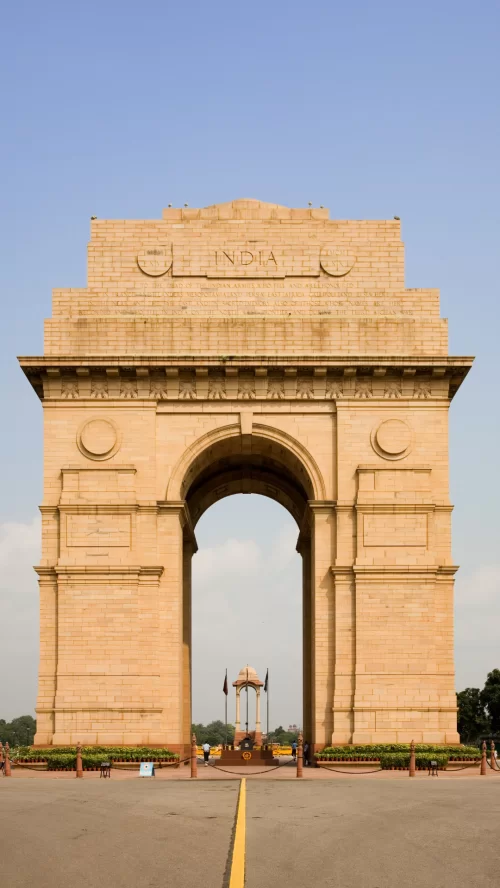
India Gate is a major war memorial in Central Delhi and can be reached by road from Akshardham.
Visitors can combine India Gate with the National War Memorial and a short walk along Kartavya Path.
However, tourists planning the complete Akshardham exhibition and water show experience may find it more comfortable to visit India Gate on a separate day.
The National War Memorial is located near India Gate and honours Indian armed forces personnel who lost their lives in service after independence.
It is suitable for visitors interested in military history and national remembrance.
Opening hours and visitor rules differ from those at Akshardham.
Humayun's Tomb is a UNESCO World Heritage Site and one of Delhi's most important Mughal monuments.
The complex is known for its grand tomb, symmetrical gardens and historical architecture.
Visitors interested in architecture can combine it with Akshardham if they begin sightseeing early and allow sufficient travel time.
Sunder Nursery is a landscaped heritage park near Humayun's Tomb.
It contains gardens, walking areas and historical structures.
The park is suitable for a relaxed outdoor visit during comfortable weather, although separate entry charges may apply.
Raj Ghat is a memorial dedicated to Mahatma Gandhi.
Its peaceful surroundings make it an important historical attraction in Delhi.
Visitors can include Raj Ghat in a heritage itinerary before travelling towards Akshardham.
These timings are illustrative. Actual exhibition entry times, queues and show arrangements may vary.
Yes. Visitors can combine the two attractions, particularly if they plan a shorter Akshardham visit.
However, attending all three exhibitions and the evening water show can occupy most of the day.
For a relaxed experience, avoid adding too many distant attractions to the same itinerary.
Wheelchair services are available, and parts of the complex, including Gajendra Peeth, provide space for wheelchair movement.
However, the main mandir and Narayan Peeth are not wheelchair-accessible according to the temple's published visitor guidance.
Visitors with mobility limitations should confirm the available routes and assistance arrangements before travelling.
Akshardham is a family-friendly destination with cultural exhibitions, gardens and visual presentations.
Children may particularly enjoy the boat ride and evening water show.
Parents should consider waiting times, walking distances and the possibility of loud sound effects during multimedia presentations.
Senior citizens can visit Akshardham, but the large complex involves considerable walking and standing.
Those with mobility limitations should enquire about wheelchair services and accessible routes.
A shorter visit focused on darshan and selected attractions may be more comfortable than attempting every exhibition.
Akshardham Temple is one of Delhi's most distinctive spiritual and cultural attractions. The main mandir and designated free areas can be visited without an admission ticket, while exhibitions and the evening water show require separate payment.
The temple is open Tuesday to Sunday, with first entry at 10:00 AM and last entry at 6:30 PM. Monday is the regular closing day.
Visitors should dress modestly, avoid carrying unnecessary belongings and remember that mobile phones and cameras are not permitted inside the complex.
For a short spiritual visit, allow approximately two hours. For the complete experience, including exhibitions and the water show, plan most of the day.
Final recommendation: Visit Akshardham in the morning if you want to explore the complete complex. Prioritise the main mandir, cultural exhibitions and Sahaj Anand Water Show, and use Akshardham Metro Station on the Blue Line for convenient access. Confirm current ticket prices, show timings and security arrangements before travelling.


Get customized Delhi tour planning designed around traffic flow, seasonal weather comfort, heritage site exploration time, and realistic city pacing. Whether you are visiting for historical monuments, cultural experiences, food walks, shopping districts,
⚡ Quick Response | 💰 Free consultation | 🕒 24×7 expert support

