Which Beach in Andaman is Best for Swimming?
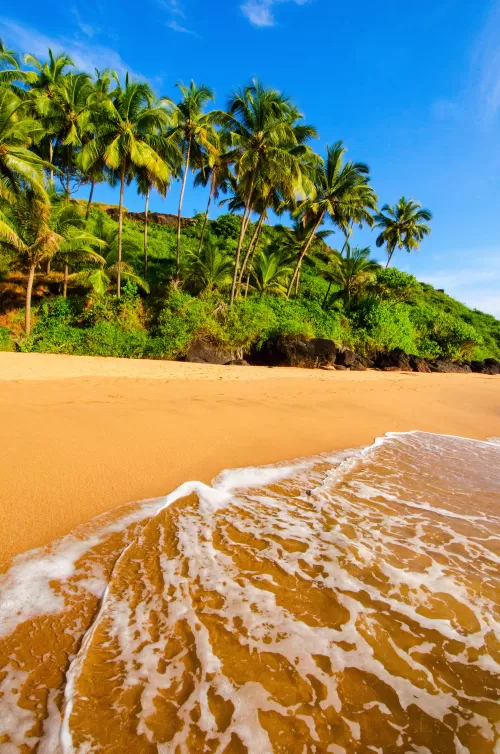
Andaman offers several beaches with calm waters, scenic surroundings, and suitable conditions for swimming, making them ideal for relaxation and safe coastal experiences.
+91 9910402252
admin@chalbanjare.com


Andaman offers world-class scuba diving experiences with coral reefs, marine biodiversity, and clear waters around islands like Havelock, Neil, and other diving locations.
The Andaman Islands are regarded as one of India's premier scuba diving destinations because of their warm tropical waters, extensive coral reef systems, diverse marine biodiversity, and excellent underwater visibility during much of the tourism season. Unlike many coastal destinations where underwater ecosystems have experienced heavy degradation, large parts of the Andaman archipelago continue to support healthy coral habitats that attract divers from across the world. The islands offer opportunities ranging from introductory discovery dives for complete beginners to advanced dives exploring deep reefs, underwater cliffs, shipwrecks, and vibrant marine ecosystems.
The geographical isolation of the islands has helped preserve much of the surrounding marine environment. Hundreds of islands, sheltered bays, reef systems, and protected marine areas create ideal habitats for colourful reef fish, sea turtles, rays, reef sharks, nudibranchs, and numerous coral species. These natural conditions make scuba diving one of the most sought-after adventure activities during an Andaman holiday, whether visitors are diving for the first time or continuing their certified diving journey.
The appeal of scuba diving in Andaman lies not only in observing marine life but also in experiencing an entirely different environment beneath the surface. Every dive reveals changing coral landscapes, unique underwater terrain, and diverse marine species that cannot be appreciated from boats or while swimming near the shoreline.
The quality of any scuba diving experience depends heavily on the health of coral reefs, underwater visibility, and marine biodiversity. The Andaman Islands benefit from extensive coral formations that provide habitat for thousands of marine organisms. Hard corals, soft corals, sea fans, reef fish, crustaceans, molluscs, and occasional pelagic species create colourful underwater environments that vary from one dive site to another.
Visibility is generally influenced by seasonal weather, sea conditions, tidal movement, and plankton activity. During the primary diving season, divers often experience remarkably clear water that allows comfortable observation of coral gardens, rocky formations, reef slopes, and schooling fish. Visibility may temporarily reduce following heavy rainfall or rough sea conditions, although conditions usually improve once weather stabilises.
Responsible diving practices help preserve these fragile ecosystems. Divers should maintain proper buoyancy, avoid touching coral formations, and carefully follow dive instructors throughout the experience to minimise environmental impact while enjoying the remarkable marine biodiversity of the Andaman Islands.
The Andaman Islands offer diving locations suited to almost every level of experience. Complete beginners usually begin with introductory discovery dives conducted in relatively shallow water under the direct supervision of certified instructors. These experiences allow first-time divers to become comfortable underwater without requiring previous certification. More experienced divers can explore deeper reef systems, underwater pinnacles, drift dives, and advanced marine habitats around Havelock Island and other established diving destinations.
Traveller interests also influence destination choice. Some visitors prioritise colourful coral gardens and calm water for photography, while others seek larger marine life or more technically challenging dive sites. Choosing an appropriate location based on both certification level and personal interests helps ensure a rewarding underwater experience throughout the trip.
Selecting the right dive site allows visitors to enjoy the underwater world comfortably while gradually building confidence and diving experience. Matching personal ability with local conditions remains one of the most important aspects of planning scuba diving in the Andaman Islands.
Elephant Beach on Havelock Island is among the most popular locations for introductory scuba diving because its shallow coastal waters provide easy access to vibrant coral reefs. Beneath the surface, divers encounter colourful hard and soft corals, reef fish, sea anemones, giant clams, and a variety of tropical marine species that create an impressive underwater landscape. The reef begins relatively close to the shoreline, allowing diving operators to reach suitable training areas without lengthy boat journeys.
The underwater terrain consists of sandy patches, coral gardens, reef formations, and gently sloping seabeds that support abundant marine biodiversity. Good visibility during favourable weather enhances the overall diving experience by allowing beginners to observe underwater features clearly while remaining close to their instructors throughout the dive.
Elephant Beach introduces visitors to the remarkable underwater environment of the Andaman Islands without requiring advanced diving skills. Its combination of accessible reefs and diverse marine life makes every introductory dive visually rewarding while remaining suitable for supervised training.
Most visitors experiencing scuba diving for the first time choose Elephant Beach because of the structured training provided by certified dive instructors. Introductory sessions typically begin with safety briefings, equipment familiarisation, breathing practice, and communication techniques before entering the water. Divers remain under continuous instructor supervision throughout the underwater experience, allowing beginners to focus on learning basic skills while comfortably exploring the reef.
The relatively shallow depth used for introductory dives reduces pressure changes and allows participants to adjust gradually to breathing underwater. Calm sea conditions during much of the tourism season further contribute to a relaxed learning environment that helps first-time divers build confidence before exploring deeper areas in future diving adventures.
For many travellers, Elephant Beach serves as the first step into recreational scuba diving. The structured approach followed by professional operators helps visitors enjoy the experience safely while developing an appreciation for the underwater world surrounding the Andaman Islands.
Several factors combine to make Elephant Beach one of the preferred locations for first-time scuba divers. The proximity of coral reefs, calm water during the diving season, experienced instructors, and convenient access from Havelock Island all contribute to a comfortable learning experience. Beginners can observe colourful marine life without needing advanced diving certification or extensive prior training.
The location also allows visitors to combine scuba diving with other marine activities such as snorkeling and beach relaxation, making it a practical destination for travellers with limited time. Many visitors spend an entire day at Elephant Beach enjoying multiple water-based experiences while appreciating the natural beauty of Havelock Island's coastline.
Elephant Beach continues to attract new divers because it combines safety, accessibility, and remarkable underwater scenery in a single destination. For many visitors, it becomes the highlight of their Andaman holiday and the beginning of a long-term interest in scuba diving.
Havelock Island, officially known as Swaraj Dweep, is widely regarded as the scuba diving capital of the Andaman Islands. The island offers numerous dive sites that cater to different experience levels, ranging from shallow reefs for beginner training to deeper offshore locations designed for certified and advanced divers. The surrounding waters remain relatively calm during the main tourism season, allowing diving centres to operate regular boat trips to multiple underwater locations every day depending on weather and sea conditions.
Several internationally recognised dive sites around Havelock have earned a strong reputation because of their healthy coral reefs, impressive underwater topography, and diverse marine ecosystems. Divers may explore reef slopes, coral gardens, underwater pinnacles, rocky formations, sandy channels, and occasionally artificial structures that have developed into thriving marine habitats. Every dive site offers a different underwater environment, encouraging divers to complete multiple dives during their stay rather than visiting only one location.
| Dive Site | Main Feature | Suitable For |
|---|---|---|
| Nemo Reef | Shallow coral reef and calm conditions | Beginners and training dives |
| The Wall | Vertical reef formation with rich marine life | Certified divers |
| Dixon's Pinnacle | Coral-covered underwater pinnacle | Advanced divers |
| Johnny's Gorge | Deep reef with larger marine species | Experienced divers |
| Minerva Ledge | Colourful coral formations and reef fish | Intermediate and certified divers |
Professional dive centres assess daily weather, underwater visibility, tidal movement, and diver certification before selecting appropriate dive sites. This ensures divers experience suitable underwater conditions while maintaining high safety standards throughout every session.
The underwater landscapes surrounding Havelock Island are remarkably varied. Divers encounter extensive coral gardens, reef walls, rocky pinnacles, sandy seabeds, underwater ledges, and gently sloping reef systems that support one of India's richest marine ecosystems. Hard corals, soft corals, sea fans, sponges, and colourful reef structures create an impressive underwater environment that changes from one dive site to another.
Marine biodiversity is equally impressive. Divers commonly observe butterflyfish, angelfish, parrotfish, surgeonfish, clownfish, lionfish, moray eels, octopus, reef rays, sea turtles, and numerous invertebrate species. Depending on the season and dive location, larger pelagic species may occasionally be encountered. The combination of healthy reef systems and clear tropical water makes underwater exploration visually rewarding throughout much of the diving season.
Each dive around Havelock presents new opportunities to observe marine life and reef formations. Even experienced divers often return to the island because changing seasons, currents, and marine activity ensure that no two dives are exactly alike.
Havelock Island accommodates divers across every experience level. First-time visitors can participate in Discover Scuba Diving sessions that require no previous certification. These introductory dives are conducted under the direct supervision of certified instructors in shallow water, allowing participants to safely experience breathing underwater while exploring nearby reefs.
Certified divers have access to a much wider selection of dive sites that vary in depth, underwater terrain, and technical difficulty. Advanced Open Water divers and experienced recreational divers can explore deeper reef systems, drift dives, underwater pinnacles, and more challenging marine environments. Several professional diving centres also conduct internationally recognised certification courses for travellers wishing to continue their diving education during their Andaman holiday.
Whether visitors wish to experience scuba diving for the first time or complete several advanced dives during their stay, Havelock Island provides one of the most comprehensive diving environments in India. Its combination of world-class dive sites, experienced operators, and remarkable marine biodiversity continues to attract divers from around the world.
Neil Island, officially known as Shaheed Dweep, offers a quieter scuba diving experience compared with the busier diving centres of Havelock Island. The island is known for its relaxed atmosphere, relatively calm coastal waters during the tourism season, and healthy reef ecosystems that provide excellent opportunities for leisurely underwater exploration. Divers looking for peaceful surroundings often appreciate Neil Island because dive sites generally receive fewer visitors while still offering impressive marine biodiversity.
The underwater environment around Neil Island consists of coral gardens, sandy reef flats, gently sloping seabeds, and scattered rocky formations that support numerous tropical marine species. Calm sea conditions frequently make the island suitable for beginner divers while also providing enjoyable dives for certified visitors who prefer relaxed underwater exploration rather than technically demanding dive profiles.
Neil Island is particularly attractive for travellers who wish to combine diving with a slower island holiday. The peaceful surroundings allow visitors to enjoy underwater exploration while also experiencing the island's quiet beaches, scenic coastline, and relaxed pace of travel.
The reefs surrounding Neil Island support a wide range of marine life including colourful reef fish, sea anemones, nudibranchs, reef invertebrates, sea cucumbers, turtles, and numerous hard and soft coral species. The relatively gentle underwater terrain allows divers to explore coral formations comfortably while enjoying excellent opportunities for underwater observation and photography.
Compared with deeper advanced dive sites elsewhere in the Andaman Islands, many Neil Island locations focus on relaxed reef exploration rather than challenging underwater conditions. This makes the island appealing for newly certified divers, underwater photographers, and travellers seeking longer, comfortable recreational dives where the emphasis remains on marine life rather than technical difficulty.
Neil Island's underwater environment rewards patient observation. Rather than focusing on large marine encounters, divers often enjoy discovering intricate coral formations, smaller reef creatures, and the remarkable biodiversity that thrives within these protected tropical ecosystems.
Neil Island appeals to travellers who value tranquillity as much as adventure. While Havelock attracts larger numbers of divers because of its internationally recognised dive sites, Neil Island offers a more relaxed setting where visitors can enjoy personalised diving experiences without the busy atmosphere associated with larger tourism centres. Dive operators typically conduct smaller groups, creating a more comfortable experience for many recreational divers.
The island also fits naturally into multi-island Andaman itineraries. Travellers often spend several days diving around Havelock before moving to Neil Island to experience quieter reefs, slower travel, and peaceful coastal surroundings. This combination provides excellent variety while allowing visitors to appreciate two distinct styles of scuba diving within the Andaman archipelago.
Neil Island demonstrates that memorable scuba diving does not always require deep or technically demanding dive sites. Its calm reefs, scenic underwater environments, and peaceful atmosphere make it an excellent destination for travellers seeking a relaxed yet rewarding underwater experience in the Andaman Islands.
The Andaman Islands offer one of the most diverse collections of scuba diving sites in India. Spread across Havelock Island, Neil Island, North Bay, Cinque Island, and surrounding marine areas, these locations feature healthy coral reefs, tropical reef fish, underwater rock formations, sandy seabeds, and thriving marine ecosystems. Every site has its own underwater character, allowing divers to experience different environments throughout a multi-day diving holiday.
Some dive sites are specifically selected for introductory training because of their calm water and shallow reefs, while others are known for deeper underwater terrain, stronger currents, and advanced marine encounters. Professional diving centres choose dive locations daily after assessing weather conditions, underwater visibility, tidal movement, and diver certification. This ensures each diver visits a site appropriate for their experience while maintaining safe operating standards.
| Diving Location | Main Attraction | Recommended For |
|---|---|---|
| Elephant Beach | Shallow coral gardens and colourful reef fish | Beginners |
| Nemo Reef | Calm reef with excellent training conditions | Discovery dives and beginners |
| The Wall | Vertical reef covered with marine life | Certified divers |
| Dixon's Pinnacle | Underwater pinnacle with rich biodiversity | Advanced divers |
| Johnny's Gorge | Deep reef and larger marine species | Experienced divers |
| Neil Island Reefs | Peaceful coral environments | Recreational divers |
| North Bay | Accessible coral reefs near Port Blair | First-time visitors |
| Cinque Island | Pristine reefs and exceptional visibility | Certified divers |
Exploring multiple dive sites during a single Andaman trip allows divers to appreciate the remarkable diversity of the region's underwater ecosystems. From shallow coral gardens to deep reef formations, each location contributes a unique perspective on the islands' extraordinary marine biodiversity.
The underwater terrain surrounding the Andaman Islands is remarkably varied. Divers encounter gently sloping coral reefs, dramatic underwater walls, rocky pinnacles, sandy channels, reef plateaus, coral gardens, and natural rock formations shaped over thousands of years. These geological features create habitats for hundreds of marine species while making every dive visually distinct.
Coral walls often support dense populations of reef fish, soft corals, sea fans, and invertebrates, while shallow reef gardens provide colourful landscapes ideal for beginners and underwater photography. Pinnacles rising from deeper water attract larger marine species, creating exciting opportunities for experienced divers. This diversity of underwater environments ensures that both recreational and advanced divers continue discovering new experiences throughout the Andaman archipelago.
Rather than offering a single style of diving, the Andaman Islands provide an entire network of underwater environments that continue to attract divers interested in marine ecology, underwater photography, and recreational exploration throughout the tourism season.
Not every dive site is suitable for every diver. Introductory diving locations are selected because they feature shallow water, calm sea conditions, gentle reef slopes, and limited currents, allowing instructors to conduct safe training sessions for first-time participants. These sites emphasise confidence-building while introducing divers to breathing underwater and basic diving techniques.
Advanced diving sites typically involve greater depth, stronger currents, more complex underwater navigation, and changing marine conditions that require recognised scuba certification and previous diving experience. Certified divers exploring these locations often encounter larger reef systems, deeper coral walls, underwater pinnacles, and more challenging marine environments that reward advanced diving skills and proper buoyancy control.
Choosing a dive site that matches both certification level and personal confidence creates a far more enjoyable experience than attempting unnecessarily challenging locations. Professional dive operators play an essential role in ensuring every diver explores underwater environments appropriate to their training and current sea conditions.
The quality of scuba diving in the Andaman Islands is closely linked to seasonal weather, sea conditions, underwater visibility, and tidal movement. Although diving is available during much of the year, certain months consistently provide calmer seas, clearer water, and more reliable boat operations. These favourable conditions improve diver comfort while allowing better observation of coral reefs and marine life.
The primary scuba diving season generally extends from October until May. During this period, tropical weather remains comparatively stable, rainfall is lower, and underwater visibility is often at its best. In contrast, the southwest monsoon usually brings stronger winds, rougher seas, reduced underwater clarity, and occasional suspension of diving activities depending on daily marine conditions and operator safety assessments.
Although Andaman enjoys warm tropical temperatures year-round, selecting the primary diving season significantly improves the likelihood of experiencing excellent visibility, calm water, and uninterrupted diving opportunities across multiple islands.
Each part of the diving season offers slightly different advantages. October and November usually mark the return of favourable sea conditions after the monsoon, with improving underwater visibility and gradually increasing marine activity. December through February provides some of the most comfortable weather for both diving and surface activities, making it one of the busiest periods for dive tourism.
March and April continue to offer excellent diving despite warmer air temperatures, while early May often remains suitable before weather patterns gradually begin shifting toward the monsoon. These months allow divers to enjoy reef exploration, underwater photography, certification courses, and multiple boat dives with relatively stable sea conditions.
| Season | Diving Conditions | Visibility |
|---|---|---|
| October to November | Improving sea conditions | Good |
| December to February | Excellent weather and calm seas | Excellent |
| March to April | Warm with reliable diving conditions | Very Good |
| Early May | Generally favourable depending on weather | Good |
| June to September | Monsoon influenced and variable | Often Reduced |
Travellers interested in certification courses or multiple dives should ideally schedule their holiday during the main diving season when weather stability allows greater flexibility for completing planned underwater activities.
Even during the best season, daily diving plans depend on weather forecasts, underwater visibility, tidal movement, and wind direction. Dive centres evaluate marine conditions every morning before selecting dive sites, ensuring divers visit locations that offer the safest and most rewarding underwater experience. Certain advanced sites may occasionally be replaced with more sheltered reefs when offshore conditions become less favourable.
Travellers should avoid scheduling scuba diving immediately before departure flights because recognised safety guidelines require an adequate surface interval after diving. Building flexibility into the itinerary also allows sufficient time for weather-related schedule changes while ensuring visitors can complete planned dives without unnecessary pressure.
Successful scuba diving holidays depend on balancing seasonal planning with daily marine conditions. Allowing flexibility within the itinerary helps divers experience the best underwater environments while maintaining safe diving practices throughout their stay in the Andaman Islands.
Scuba diving prices in the Andaman Islands vary depending on the type of dive, dive location, certification level, duration of the activity, equipment included, instructor-to-diver ratio, underwater photography services, and the reputation of the diving operator. Introductory discovery dives designed for beginners are generally the most commonly booked experiences, while certified recreational dives, advanced dives, specialty dives, and internationally recognised certification courses involve different pricing structures.
The location also affects overall costs. Havelock Island usually offers the largest selection of diving centres and packages because it is the primary diving destination in the Andaman Islands. Neil Island provides smaller-scale operations with personalised experiences, while some specialised offshore dive sites require additional boat travel that may influence package pricing. During the peak tourism season, demand increases significantly, making advance booking advisable to secure preferred schedules and instructors.
| Type of Experience | Suitable For | Typical Inclusions |
|---|---|---|
| Discover Scuba Diving | Complete beginners | Instructor, equipment, safety briefing and introductory dive |
| Fun Dive | Certified divers | Boat transfer, dive guide and equipment if required |
| Open Water Course | New divers seeking certification | Training sessions, theory, confined and open water dives |
| Advanced Open Water Course | Certified divers | Adventure dives and advanced skills training |
| Specialty Courses | Experienced certified divers | Specialised underwater training and certification |
Rather than selecting the least expensive package, travellers should compare operator reputation, instructor qualifications, equipment maintenance, safety standards, group size, and included services. A professionally managed diving experience provides greater value than choosing solely on price.
Visitors who have never scuba dived before usually begin with a Discover Scuba Diving programme. These sessions introduce participants to scuba equipment, underwater breathing, safety procedures, and basic diving skills under direct instructor supervision. No previous certification is required, making this the most popular choice for first-time visitors exploring the Andaman marine environment.
Travellers wishing to continue diving beyond introductory sessions can enrol in internationally recognised certification programmes conducted by authorised diving centres. Open Water certification allows divers to participate independently with certified buddies, while Advanced Open Water courses introduce deeper dives, underwater navigation, and specialised diving techniques. Experienced divers can further expand their qualifications through rescue, specialty, and professional-level courses depending on available schedules.
Selecting the right programme depends on personal interest, available travel time, and future diving goals. Many visitors begin with a discovery dive before deciding whether to continue toward full recreational scuba certification.
Choosing an authorised diving operator is one of the most important aspects of planning scuba diving in the Andaman Islands. Reputable dive centres employ certified instructors, maintain equipment according to recognised safety standards, conduct proper safety briefings, and evaluate weather conditions before every dive. Operators also organise diving groups according to certification level, helping ensure divers visit suitable underwater locations.
Booking in advance is strongly recommended during the peak tourism season between October and May because popular diving slots often fill quickly. Travellers should confirm package inclusions, reporting time, medical requirements, cancellation policies, equipment availability, and underwater photography options before finalising reservations. Early communication with the operator also helps accommodate certification courses or multiple-day dive schedules.
Booking with an experienced diving centre provides peace of mind throughout the trip. Professional instruction, properly maintained equipment, and well-organised operations allow visitors to focus entirely on enjoying the remarkable underwater world of the Andaman Islands.
First-time visitors to the Andaman Islands often discover scuba diving through supervised introductory programmes designed specifically for beginners. These experiences require no previous certification and begin with classroom-style instruction covering equipment use, underwater communication, breathing techniques, and essential safety procedures. Instructors accompany participants throughout the dive, allowing newcomers to comfortably experience marine life without feeling overwhelmed.
Shallow reef locations around Havelock Island and Elephant Beach are commonly selected because they offer calm water, healthy coral reefs, and comfortable underwater visibility during favourable weather. The controlled environment enables beginners to focus on learning rather than managing challenging underwater conditions, making the first scuba diving experience enjoyable and memorable.
Introductory scuba diving allows first-time visitors to explore the underwater world safely while building confidence. Many travellers discover a lasting interest in scuba diving after experiencing these professionally supervised beginner programmes.
Different travellers seek different scuba diving experiences. Couples often choose private or small-group diving sessions that combine underwater exploration with photography and relaxed island holidays. Families may include introductory scuba experiences for eligible adults while younger children participate in alternative marine activities such as snorkeling or glass-bottom boat rides where appropriate.
Adventure travellers usually plan multiple dives across different islands, exploring coral walls, reef systems, underwater pinnacles, and advanced dive sites according to their certification level. Many experienced divers schedule several consecutive diving days to experience the variety of underwater environments available throughout the Andaman archipelago.
| Traveller Type | Recommended Diving Experience | Focus |
|---|---|---|
| First-time visitors | Discover Scuba Diving | Learning and confidence building |
| Couples | Small-group guided dives | Marine exploration and photography |
| Families | Adult introductory dives with other marine activities | Balanced island experience |
| Adventure travellers | Multiple certified dives | Advanced underwater exploration |
| Certified divers | Boat dives and advanced dive sites | Marine biodiversity and varied dive environments |
Selecting activities that suit each traveller's interests ensures everyone enjoys the Andaman marine environment comfortably while maintaining appropriate safety standards throughout the holiday.
Scuba diving is suitable for many travellers, but every participant should consider personal comfort, swimming confidence, and general physical fitness before booking a dive. Diving instructors conduct safety briefings and health questionnaires to identify any conditions that may require additional assessment. Participants should communicate honestly about previous medical history, recent illness, or discomfort in water before beginning training.
Travellers should also plan sufficient time for rest between activities, particularly when combining scuba diving with island transfers or other adventure sports. Diving immediately after exhausting activities may reduce comfort, while adequate hydration, proper meals, and sufficient sleep contribute to a better underwater experience. Following recognised recommendations regarding flying after diving is equally important for maintaining diving safety throughout the trip.
Thoughtful planning helps travellers enjoy scuba diving comfortably while reducing unnecessary physical strain. Matching diving activities to individual confidence, health, and experience creates a safer and more rewarding underwater adventure in the Andaman Islands.
The Andaman Islands offer some of the finest underwater photography opportunities in India because of their clear tropical waters, healthy coral reefs, and abundant marine biodiversity. Divers can observe colourful reef fish, hard and soft corals, sea fans, sea anemones, reef invertebrates, turtles, and numerous other marine species within relatively short distances from popular diving sites. Every dive presents changing underwater scenes, making photography an exciting part of the overall scuba diving experience.
Popular dive locations around Havelock Island, Elephant Beach, Neil Island, and selected offshore reefs provide excellent underwater compositions featuring coral gardens, reef slopes, sandy seabeds, rocky formations, and schools of tropical fish. The variety of underwater landscapes allows photographers to capture both wide-angle reef scenery and close-up images of smaller marine life while exploring different dive sites throughout the Andaman archipelago.
Successful underwater photography depends on patience, buoyancy control, and respect for marine life. Divers should observe wildlife naturally without chasing animals or disturbing coral reefs, ensuring memorable photographs while protecting the fragile marine ecosystem.
Many authorised diving operators in the Andaman Islands offer underwater photography and videography services during introductory and certified scuba dives. Professional instructors or dedicated underwater photographers often accompany divers to capture their first underwater breathing experience, interactions with marine life, and exploration of colourful coral reefs. These services allow beginners to focus entirely on diving while still receiving high-quality underwater memories of their experience.
Certified divers carrying their own underwater camera systems can photograph marine environments independently while following standard diving procedures. Good buoyancy control becomes particularly important when using underwater cameras because maintaining a safe distance from coral reefs helps protect both the diver and the delicate marine habitat.
Whether using professional photography services or personal underwater equipment, divers should always prioritise safety over photography. Enjoying the dive naturally often results in more memorable underwater experiences than focusing entirely on capturing images.
Underwater visibility plays a major role in the quality of both scuba diving and underwater photography. Visibility depends on seasonal weather, tidal movement, sea conditions, plankton concentration, rainfall, and sunlight penetration. During the primary diving season from October to May, many dive sites experience excellent visibility that allows photographers to capture colourful coral formations and marine life with greater clarity.
Natural light gradually decreases with increasing depth, making colours appear different underwater. Professional underwater photographers often compensate by adjusting camera settings or using specialised lighting equipment, while beginners usually achieve the best results in shallower water where sunlight remains stronger. Calm seas also reduce suspended particles, helping create sharper and more colourful underwater photographs.
| Factor | Effect on Photography |
|---|---|
| Clear weather | Improves underwater visibility and natural colours |
| Calm sea conditions | Reduces suspended particles in the water |
| Morning dives | Often provide favourable natural lighting |
| Greater depth | Reduces available natural light |
| Heavy rainfall | May temporarily reduce visibility |
| Strong currents | Can make stable photography more challenging |
Planning dives during periods of good visibility and stable weather significantly improves underwater photography opportunities. Combining favourable environmental conditions with responsible diving practices allows visitors to capture remarkable images while preserving the marine ecosystems that make the Andaman Islands a world-class diving destination.
One of the biggest mistakes travellers make is selecting a scuba diving operator solely because of a lower price. Scuba diving is a technical adventure activity that depends heavily on professional instruction, properly maintained equipment, recognised safety procedures, and experienced dive staff. Reputable operators employ certified instructors, regularly service their diving equipment, conduct thorough safety briefings, and assess daily sea conditions before every dive.
Travellers should verify that the operator follows recognised recreational diving standards and provides complete pre-dive instruction, emergency procedures, and appropriate supervision throughout the activity. Reading recent traveller experiences, confirming instructor qualifications, and understanding what is included in the package helps visitors choose reliable diving centres while avoiding unnecessary risks.
Professional supervision is one of the most valuable aspects of scuba diving. Investing in a reputable operator ensures better safety, higher-quality instruction, and a far more enjoyable underwater experience throughout the Andaman Islands.
Ignoring weather conditions or personal health requirements can significantly affect a scuba diving experience. Even during the main tourism season, daily sea conditions may change because of wind, tides, or rainfall. Dive operators may postpone or relocate dives whenever safety conditions require it, and travellers should remain flexible rather than expecting every dive to proceed exactly as scheduled.
Health also plays an important role in scuba diving. Participants should honestly complete medical questionnaires and inform instructors about any existing medical conditions, recent surgeries, respiratory issues, or ear problems. Diving while feeling unwell or concealing relevant health information may increase unnecessary risk during the activity.
Weather and personal health cannot be controlled, but proper planning allows divers to adapt safely. Remaining flexible and communicating openly with instructors helps ensure every dive is conducted under the most suitable conditions available.
Many travellers overlook the importance of coordinating scuba diving with ferry schedules, flight departures, and island transfers. Diving activities require sufficient time for safety procedures, equipment preparation, boat travel, and post-dive surface intervals. Attempting to fit scuba diving into an overly crowded itinerary often creates unnecessary stress and may reduce the overall quality of the experience.
Divers should also avoid scheduling flights immediately after scuba diving because recognised diving guidelines recommend allowing adequate time between diving and air travel. Similarly, allowing flexibility for changing weather conditions ensures that postponed dives can be rescheduled without disrupting the remainder of the holiday.
Careful itinerary planning allows travellers to enjoy scuba diving without unnecessary time pressure. Providing adequate flexibility for transportation, weather, and post-dive recovery results in a safer and more enjoyable Andaman diving holiday.
Planning a scuba diving holiday in the Andaman Islands becomes much easier when you first identify your travel goals. Every major diving destination offers a slightly different underwater experience, and selecting locations according to your interests allows you to make the most of your time on the islands. Beginners usually benefit from calm, shallow dive sites with extensive instructor support, while certified divers often seek deeper reef systems, underwater pinnacles, and more varied marine environments.
Havelock Island remains the preferred destination for visitors wanting the widest selection of dive centres, certification courses, and advanced dive sites. Elephant Beach is particularly suitable for introductory diving because of its accessible coral reefs and beginner-friendly conditions. Neil Island offers quieter reefs and relaxed diving sessions that appeal to travellers looking for peaceful underwater exploration. Visitors staying in Port Blair can also experience introductory dives at nearby locations such as North Bay, making scuba diving accessible even during shorter itineraries.
| Travel Goal | Recommended Location | Main Advantage |
|---|---|---|
| First scuba experience | Elephant Beach | Shallow reefs with instructor supervision |
| Certification courses | Havelock Island | Largest selection of professional dive centres |
| Advanced recreational diving | Havelock offshore sites | Deep reefs and varied underwater terrain |
| Relaxed recreational diving | Neil Island | Peaceful reefs and smaller diving groups |
| Short holiday diving | North Bay near Port Blair | Convenient access from the capital |
Choosing locations according to experience level rather than popularity ensures safer and more enjoyable dives. Professional dive operators also recommend suitable sites after evaluating weather conditions, certification, and daily sea conditions before every dive.
A successful scuba diving holiday depends as much on itinerary planning as on selecting dive sites. Travellers should allocate sufficient time on each island rather than attempting to complete multiple transfers and diving sessions within a single day. Havelock Island generally deserves at least two or three nights for visitors planning multiple dives or certification courses, while Neil Island is ideal for one or two nights of relaxed reef diving and coastal exploration.
Diving activities are usually scheduled during the morning when sea conditions are often calmer and underwater visibility is favourable. Travellers should also keep flexibility within their itinerary because weather, tides, and marine conditions occasionally require dive operators to modify schedules or change dive locations. Ferry reservations, accommodation, and diving bookings should be coordinated well in advance during the peak tourism season to avoid unnecessary delays.
Well-organised itineraries reduce unnecessary travel stress and allow divers to experience more underwater locations at a comfortable pace. Building flexibility into the schedule also improves the likelihood of diving under favourable sea conditions throughout the holiday.
Before beginning any scuba diving programme, travellers should ensure they have selected an authorised diving operator, completed all required medical declarations honestly, and attended the full pre-dive safety briefing. Wearing comfortable clothing, staying hydrated, arriving on time, and carefully listening to instructor guidance all contribute to a smooth and enjoyable diving experience. Divers should never hesitate to ask questions if any equipment or safety procedures are unclear.
Protecting the marine ecosystem is equally important throughout every dive. Maintaining proper buoyancy, avoiding contact with coral reefs, never feeding marine animals, and following responsible underwater behaviour help preserve Andaman's remarkable biodiversity for future generations. Respecting both safety procedures and environmental guidelines ensures that every dive remains enjoyable while supporting long-term marine conservation across the islands.
Scuba diving in the Andaman Islands offers an unforgettable opportunity to explore one of India's richest marine environments. With thoughtful planning, professional guidance, and responsible diving practices, visitors can safely experience vibrant coral reefs, diverse marine life, and spectacular underwater landscapes while creating lasting memories of their island adventure.

Get customized Andaman and Nicobar Islands tour planning designed around ferry schedules, island connectivity, seasonal sea conditions, and realistic travel flow between islands. Whether you are visiting for beach relaxation, water sports, snorkeling, scu
⚡ Quick Response | 💰 Free consultation | 🕒 24×7 expert support