


Which Beach in Andaman is Best for Swimming?
Andaman offers several beaches with calm waters, scenic surroundings, and suitable conditions for swimming, making them ideal for relaxation and safe coastal experiences.
+91 9910402252
admin@chalbanjare.com


Andaman’s turtle nesting experiences offer travellers a chance to explore coastal ecosystems, protected beaches, and marine conservation areas where sea turtles return to lay eggs.
The Andaman Islands are among India's most significant nesting regions for sea turtles. Their long stretches of relatively undisturbed sandy beaches, protected coastal habitats, and healthy marine ecosystems provide suitable nesting grounds for several sea turtle species. Every year, female turtles return to selected beaches where they were born to lay their eggs, making these shorelines vital for the continuation of marine turtle populations across the Bay of Bengal.
Many nesting beaches are located within protected forests, wildlife sanctuaries, and remote island environments where human disturbance remains relatively limited. Conservation authorities, forest departments, researchers, and local communities work together to monitor nesting sites, protect turtle nests from predators and illegal activities, and improve hatchling survival rates. These long-term conservation efforts have made the Andaman Islands one of India's most important regions for marine turtle protection.
Understanding the conservation importance of these beaches helps visitors appreciate that turtle nesting areas are not simply tourist attractions but fragile wildlife habitats that require careful protection throughout the nesting season.
Sea turtles spend most of their lives in the ocean but return to sandy beaches during the nesting season to lay their eggs. Adult females usually come ashore at night, carefully selecting suitable locations above the high-tide line before digging nesting chambers in soft sand. After depositing their eggs, they cover the nest carefully before returning to the sea, leaving the eggs to incubate naturally beneath the sand.
After several weeks, hatchlings emerge from the nest, usually during cooler evening or early morning hours, and instinctively move towards the sea. This remarkable life cycle depends upon undisturbed beaches, stable coastal conditions, and minimal artificial lighting. Weather, tides, beach quality, and seasonal conditions all influence successful nesting and hatchling survival across the Andaman Islands.
The nesting process is one of nature's most remarkable wildlife events. Observing it responsibly allows visitors to witness an extraordinary biological cycle while ensuring turtles continue using these beaches for future generations.
Turtle nesting offers a completely different experience from traditional beach tourism because it focuses on wildlife observation rather than recreation. Instead of swimming or water sports, visitors witness one of the oldest natural migration and breeding behaviours found in the marine world. Seeing a sea turtle emerge from the ocean, nest under the cover of darkness, and return quietly to the sea creates a memorable connection with nature that few destinations can offer.
Unlike commercial wildlife attractions, turtle nesting experiences depend entirely on natural behaviour. Sightings are never guaranteed because turtles arrive according to biological cycles, weather conditions, and environmental factors. This unpredictability makes every successful observation especially meaningful while reinforcing the importance of patience, conservation, and responsible tourism throughout the Andaman Islands.
For travellers interested in wildlife and conservation, turtle nesting represents one of the most rewarding natural experiences available in the Andaman Islands. Responsible observation ensures that both visitors and turtles benefit from carefully managed eco-tourism.
The turtle nesting season in the Andaman Islands generally extends from the cooler winter months into the early part of summer, although the exact timing varies depending on species and environmental conditions. During this period, adult female turtles return to suitable sandy beaches to lay eggs, taking advantage of favourable coastal conditions that improve incubation and hatchling survival. Calm beaches with limited disturbance remain essential throughout the nesting cycle.
Beach quality, tidal patterns, weather, moonlight, and natural coastal conditions all influence nesting activity. Conservation authorities regularly monitor important nesting beaches throughout the season, recording nesting activity while ensuring the protection of both turtles and eggs. Visitors planning turtle-focused travel should understand that nesting follows natural biological cycles rather than fixed schedules.
Planning visits during the recognised nesting season improves the possibility of observing turtle activity while respecting the conservation measures designed to protect these remarkable marine animals.
Winter through early summer generally provides the most suitable period for visitors interested in turtle nesting experiences. During these months, weather conditions are relatively stable, tourism infrastructure remains active, and many marine wildlife programmes operate under appropriate conservation guidelines. Visitors can often combine turtle-focused excursions with other nature experiences such as birdwatching, mangrove exploration, snorkeling, and island sightseeing.
Since nesting and hatching occur naturally over an extended period rather than on specific dates, travellers should maintain flexible expectations. Spending several days in the islands rather than relying on a single evening visit increases the likelihood of experiencing turtle-related wildlife activity while allowing sufficient time to adapt to changing weather and local conservation recommendations.
Visitors should approach turtle nesting as a wildlife experience rather than a guaranteed sightseeing activity. Patience and flexibility often lead to more meaningful encounters while supporting responsible nature tourism.
Turtle nesting beaches are often managed under strict conservation regulations designed to minimise disturbance during nesting and hatching periods. Before planning visits, travellers should obtain current information from authorised operators, local forest authorities, or conservation programmes regarding beach access, seasonal restrictions, and permitted observation opportunities. Certain nesting beaches may remain closed to protect sensitive wildlife activity.
Guided visits, where available, help visitors understand appropriate behaviour while ensuring observation takes place without affecting turtles or hatchlings. Following official guidance regarding lighting, photography, movement, and viewing distance contributes to successful conservation while allowing travellers to experience one of Andaman's most remarkable wildlife events responsibly.
Responsible planning ensures that turtle nesting experiences remain sustainable for both wildlife and visitors. Respecting conservation guidelines allows future generations to continue witnessing this extraordinary natural event across the Andaman Islands.
The Andaman Islands contain several protected beaches that serve as important nesting grounds for sea turtles. Many of these beaches are located within national parks, wildlife sanctuaries, reserved forests, and ecologically sensitive coastal regions where human activity is carefully managed. Their clean sandy shorelines, limited artificial lighting, and relatively undisturbed environments create favourable nesting conditions for different sea turtle species throughout the nesting season.
Among the better-known turtle nesting areas are beaches within the Mahatma Gandhi Marine National Park, Little Andaman, Diglipur region, and selected coastal stretches of South, Middle, and North Andaman. Many nesting beaches remain inaccessible for general tourism or permit only carefully regulated visits under supervision. This controlled access plays an important role in reducing disturbance during nesting and hatching periods while protecting vulnerable marine wildlife.
The protection of these nesting beaches ensures that sea turtles continue returning to the Andaman Islands each year. Visitors should recognise that conservation remains the primary objective at these locations, with tourism carefully managed around wildlife protection.
Many of the Andaman Islands' most important turtle nesting beaches are located far from busy tourist centres. Remote islands such as Little Andaman and sections of Diglipur provide long, quiet coastlines where turtles can nest with relatively little disturbance. These isolated beaches often experience lower visitor numbers and preserve natural conditions that have remained largely unchanged for generations.
Coastal forests, mangrove ecosystems, and wide sandy beaches surrounding these remote regions create ideal environments for nesting turtles while supporting numerous other wildlife species. Reaching certain locations may involve ferry travel, road journeys through forested areas, or guided excursions arranged under local regulations. Although these journeys require additional planning, they provide opportunities to experience some of the most pristine coastal landscapes in the Andaman archipelago.
Exploring remote coastal regions offers a deeper appreciation of Andaman's natural heritage. These protected environments demonstrate how healthy ecosystems support both marine biodiversity and successful turtle conservation.
Not every turtle nesting beach in the Andaman Islands is open for unrestricted tourism. Several important nesting locations are situated inside protected areas where entry may require permits, authorised guides, or prior approval from relevant authorities. Seasonal restrictions may also apply depending on ongoing nesting activity, conservation work, or environmental conditions. Visitors should always confirm accessibility before including turtle nesting sites in their itinerary.
Travellers should also understand that reaching remote nesting beaches often requires additional transportation, including ferries, local vehicles, or guided excursions. Accommodation may be limited in certain regions, making advance planning particularly important during the main tourism season. Responsible travel operators generally provide updated information regarding permitted visits, conservation regulations, and appropriate visitor behaviour before every wildlife excursion.
| Travel Consideration | Importance |
|---|---|
| Protected area permissions | May be required for selected nesting beaches |
| Authorised guides | Recommended for responsible wildlife observation |
| Advance planning | Improves travel coordination and availability |
| Seasonal access | Varies according to nesting activity |
| Remote transportation | May involve ferries and local road travel |
Understanding access requirements before travelling helps visitors plan realistic wildlife experiences while respecting the conservation measures that protect Andaman's nesting beaches. Careful planning contributes to both responsible tourism and successful marine wildlife conservation.
The Olive Ridley turtle is one of the most frequently observed sea turtle species nesting in the Andaman Islands. Adult females migrate across large areas of the Indian Ocean before returning to suitable sandy beaches where they carefully construct nests above the high-tide line. Nesting generally occurs during the night, when cooler temperatures and reduced disturbance create favourable conditions for laying eggs.
After selecting an appropriate location, the turtle uses her rear flippers to dig a deep nesting chamber before depositing dozens of eggs. Once nesting is complete, the chamber is carefully covered with sand, helping conceal the nest from predators before the female returns quietly to the sea. The eggs remain buried until hatchlings emerge naturally several weeks later and instinctively move towards the ocean.
The nesting behaviour of Olive Ridley turtles represents one of the most fascinating natural events in the Andaman Islands. Observing this remarkable life cycle highlights the importance of preserving undisturbed coastal habitats.
Olive Ridley turtles play an important ecological role within the Andaman marine ecosystem. As highly migratory marine reptiles, they contribute to balanced ocean food chains while connecting coastal habitats with offshore marine environments. Their nesting activities also contribute nutrients to beach ecosystems, supporting a variety of coastal organisms and maintaining natural ecological processes along sandy shorelines.
Because turtles rely on healthy beaches, clean seas, coral reefs, and seagrass habitats throughout different stages of their lives, they serve as valuable indicators of environmental health. Stable turtle populations often reflect well-preserved marine ecosystems, making their conservation beneficial for numerous other marine species inhabiting the surrounding waters.
Protecting Olive Ridley turtles supports much more than a single species. Their conservation strengthens the ecological balance of Andaman's coastal and marine environments while preserving one of the islands' most important wildlife populations.
Conservation organisations, forest departments, wildlife researchers, and local communities work together throughout the Andaman Islands to protect Olive Ridley turtle populations. Important nesting beaches are monitored during the breeding season, while vulnerable nests may be safeguarded from predators, erosion, and accidental human disturbance. Educational programmes also encourage local residents and visitors to support marine conservation through responsible behaviour.
Tourism activities around nesting beaches are carefully managed to minimise disturbance during sensitive periods. Visitors are encouraged to follow official guidelines regarding lighting, noise, photography, and viewing distance while respecting temporary restrictions introduced to protect nesting turtles and hatchlings. These combined conservation efforts contribute significantly to maintaining stable turtle populations across the islands.
The continued survival of Olive Ridley turtles depends on sustained conservation efforts and responsible tourism. By following established wildlife guidelines, visitors help ensure that these remarkable marine reptiles continue returning to Andaman's beaches for generations to come.
Although Olive Ridley turtles are among the most familiar nesting species in the Andaman Islands, the archipelago also supports several other marine turtle species that contribute to its exceptional biodiversity. Green turtles are commonly associated with seagrass meadows and coastal lagoons, while Hawksbill turtles are closely linked with healthy coral reef ecosystems. Leatherback turtles, the world's largest sea turtle species, also visit selected Andaman beaches for nesting, particularly along remote and well-protected coastlines.
Each species has unique nesting behaviour, feeding preferences, migration routes, and habitat requirements. Some turtles spend much of their lives around coral reefs, while others travel thousands of kilometres across the Indian Ocean before returning to Andaman beaches to reproduce. This diversity makes the islands one of India's most important marine turtle habitats and highlights the ecological value of preserving coastal ecosystems.
The presence of several sea turtle species demonstrates the ecological richness of the Andaman Islands. Conserving diverse coastal habitats ensures these remarkable marine reptiles continue thriving throughout the region.
Sea turtles depend on a variety of interconnected habitats during different stages of their lives. Sandy beaches provide nesting sites, coral reefs offer shelter and feeding opportunities, while seagrass meadows support species such as Green turtles that feed primarily on marine vegetation. Mangrove ecosystems and shallow lagoons further contribute to the health of coastal waters by supporting marine biodiversity and protecting shoreline environments.
Because turtles migrate between these habitats over long distances, conserving only nesting beaches is not sufficient. Healthy reefs, clean coastal waters, productive seagrass beds, and protected shorelines all contribute to successful turtle populations throughout the Andaman Islands. Damage to any one habitat may affect turtles during different stages of their life cycle.
Understanding these connected habitats helps visitors appreciate that turtle conservation extends beyond individual nesting beaches. Every healthy marine ecosystem contributes to the survival of sea turtles across the Andaman archipelago.
The long-term survival of sea turtles depends on balanced marine ecosystems that provide reliable food sources, nesting beaches, migration routes, and clean coastal waters. Coral reefs support numerous marine organisms that contribute to healthy food chains, while seagrass beds provide essential feeding grounds for herbivorous turtle species. Coastal forests and mangroves further improve water quality by reducing erosion and protecting shoreline habitats.
Human activities such as pollution, coastal development, artificial lighting, and habitat destruction can affect turtle populations if not carefully managed. Conservation initiatives throughout the Andaman Islands focus on protecting these interconnected ecosystems so turtles can complete their natural life cycle with minimal disturbance. Sustainable tourism also contributes by encouraging visitors to appreciate wildlife responsibly while supporting long-term habitat conservation.
The relationship between turtles and their surrounding environment demonstrates the importance of conserving entire coastal ecosystems rather than focusing only on individual species. Healthy habitats ensure the continued survival of Andaman's remarkable marine wildlife.
The Andaman Islands contain numerous protected coastal regions where sea turtle conservation receives high priority. Wildlife sanctuaries, national parks, reserved forests, and ecologically sensitive beaches provide safe nesting environments while reducing disturbance from human activities. These protected areas are managed by forest departments and conservation authorities that monitor nesting activity, record turtle populations, and safeguard important breeding habitats throughout the nesting season.
Conservation programmes often include regular beach patrols, nest monitoring, scientific research, habitat management, and awareness campaigns for both residents and visitors. Where necessary, vulnerable nests may receive additional protection from predators or natural threats while maintaining the natural incubation process. These coordinated efforts have contributed significantly to preserving Andaman's marine turtle populations.
Protected areas form the foundation of turtle conservation across the Andaman Islands. Their careful management ensures that turtles continue returning to these beaches despite increasing tourism and environmental challenges.
Local communities play an essential role in protecting sea turtles across the Andaman Islands. Residents living near important nesting beaches often assist conservation authorities by reporting nesting activity, helping monitor beaches, participating in awareness programmes, and encouraging responsible visitor behaviour. Their local knowledge of seasonal conditions and coastal environments contributes greatly to successful conservation efforts.
Community participation also strengthens sustainable tourism by encouraging visitors to respect wildlife while supporting local livelihoods connected with eco-tourism. Educational initiatives organised through schools, conservation groups, and village communities continue increasing awareness about the ecological importance of marine turtles and the need to preserve nesting beaches for future generations.
The success of turtle conservation depends upon cooperation between conservation authorities, researchers, local communities, and visitors. Together, these partnerships help safeguard one of the Andaman Islands' most remarkable wildlife resources.
Responsible tourism is essential whenever visiting turtle nesting beaches. Visitors should remain quiet, avoid shining bright lights towards nesting turtles, stay within designated observation areas, and follow all instructions provided by authorised guides or conservation staff. Artificial lighting, excessive noise, and close human presence may discourage turtles from nesting or interfere with hatchlings attempting to reach the sea.
Travellers should also avoid leaving litter, walking across marked nesting areas, or attempting to assist hatchlings unless specifically instructed by conservation professionals. Respecting these simple guidelines allows visitors to enjoy one of nature's most remarkable wildlife experiences while ensuring turtles remain undisturbed throughout the nesting season.
Responsible tourism ensures that turtle nesting continues naturally while allowing carefully managed wildlife experiences for visitors. Respecting conservation guidelines protects both marine turtles and the fragile coastal habitats on which they depend.
The Andaman Islands contain numerous quiet beaches that support marine wildlife throughout the year, with some becoming important nesting grounds for sea turtles during the breeding season. Unlike popular swimming beaches that attract large numbers of visitors, turtle nesting beaches are generally peaceful, less developed, and surrounded by natural coastal vegetation. These conditions reduce disturbance and provide the dark, undisturbed environment that nesting turtles require for successful reproduction.
Several protected coastal stretches across Little Andaman, Diglipur, Middle Andaman, North Andaman, and selected beaches within marine protected areas are recognised for their ecological importance. Access to many of these beaches is carefully managed, ensuring conservation remains the primary objective while allowing limited responsible wildlife observation where permitted. Visitors should understand that these beaches are valued more for their ecological significance than for recreational tourism.
Exploring these peaceful coastal environments offers visitors an opportunity to appreciate the natural side of the Andaman Islands while understanding the importance of protecting fragile marine habitats for future turtle populations.
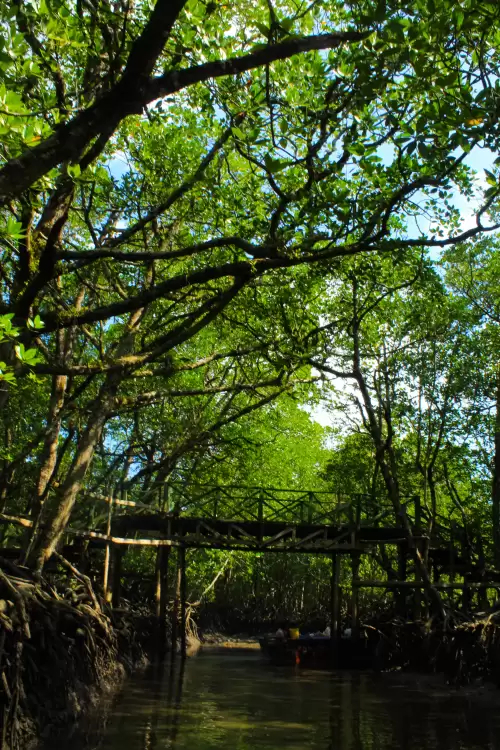
The coastal landscapes surrounding Andaman's turtle nesting beaches extend far beyond sandy shorelines. Dense tropical forests, mangrove ecosystems, coastal dunes, estuaries, and calm lagoons create a rich natural environment that supports numerous species of birds, reptiles, marine organisms, and coastal wildlife. These interconnected ecosystems contribute to the overall health of nesting beaches by maintaining stable coastal conditions and protecting shorelines from erosion.
Nature enthusiasts visiting these regions often experience much more than turtle conservation alone. Early morning walks, birdwatching opportunities, mangrove observations, and scenic coastal landscapes make these areas rewarding destinations even when turtles are not actively nesting. The peaceful surroundings encourage visitors to slow down and appreciate the ecological richness that defines the Andaman Islands beyond their famous beaches.
The combination of beaches, forests, mangroves, and marine habitats creates some of the most ecologically valuable coastal landscapes in India. These natural environments remain essential for both turtle conservation and broader biodiversity protection.
Selecting the most suitable turtle experience depends largely on available travel time, preferred level of comfort, and willingness to visit remote areas. Travellers with flexible itineraries may choose destinations such as Diglipur or Little Andaman, where important nesting beaches exist within relatively undisturbed coastal environments. Visitors with shorter holidays may instead focus on educational marine conservation experiences available near Port Blair or include wildlife discussions while visiting nearby protected areas.
Accessibility varies considerably between locations. Some beaches require ferry journeys followed by road travel, while others may only be visited through organised tours or with prior permission from conservation authorities. Choosing destinations according to personal travel style ensures realistic planning while reducing unnecessary travel and respecting conservation regulations that protect sensitive nesting habitats.
| Travel Preference | Suggested Coastal Experience | Planning Consideration |
|---|---|---|
| Wildlife enthusiasts | Remote protected beaches | Longer itinerary recommended |
| Nature photographers | Protected coastal landscapes | Follow photography guidelines |
| Eco-tourism travellers | Guided conservation visits | Authorised operators preferred |
| Short-duration visitors | Marine conservation interpretation | Accessible from Port Blair region |
Careful destination selection allows visitors to experience Andaman's marine wildlife responsibly while respecting the ecological sensitivity of turtle nesting beaches. Matching travel expectations with accessibility creates a more meaningful and sustainable wildlife experience.
Turtle nesting season provides exceptional opportunities for nature photography, although the focus extends beyond turtles themselves. Protected beaches, untouched shorelines, tropical forests, mangrove ecosystems, sunrise and sunset coastal landscapes, and remote island scenery create beautiful compositions that highlight the ecological richness of the Andaman Islands. Many visitors find that documenting the surrounding natural environment becomes just as rewarding as photographing wildlife.
When turtle observations are permitted, photography should always remain secondary to wildlife welfare. Wide landscape photographs showing nesting habitats often provide meaningful visual records without disturbing the animals. Coastal scenery during early morning and evening also produces excellent lighting conditions while allowing photographers to capture the peaceful atmosphere that characterises Andaman's protected nesting beaches.
Successful turtle-season photography captures not only wildlife but also the protected environments that make successful nesting possible. These broader landscapes tell the complete story of marine conservation in the Andaman Islands.
Photography around nesting turtles is carefully regulated because excessive lighting, camera flashes, and close human presence may disturb nesting behaviour or disorient hatchlings. Many protected nesting beaches prohibit flash photography entirely during turtle observations, while some areas restrict photography altogether during sensitive periods. Visitors should always follow instructions provided by forest officials, conservation staff, or authorised guides.
Even where photography is permitted, maintaining an appropriate distance is essential. Long lenses are generally more suitable than approaching wildlife closely, allowing photographers to document natural behaviour without influencing the animals. Respecting these restrictions helps ensure turtles remain undisturbed while continuing their nesting activities naturally.
Responsible photography demonstrates respect for wildlife while supporting conservation efforts. Following established guidelines allows visitors to document memorable experiences without affecting the natural behaviour of nesting turtles.
Ethical wildlife photography requires patience, respect, and minimal interference with natural behaviour. Visitors should avoid crowding observation areas, remain quiet, keep movement to a minimum, and never attempt to reposition turtles or hatchlings for better photographs. Wildlife images are most valuable when they represent genuine natural behaviour rather than interactions influenced by human presence.
Photographers should also respect the instructions of conservation staff regarding viewing times, observation zones, and equipment use. Supporting responsible photography practices helps maintain the ecological integrity of nesting beaches while ensuring future visitors continue enjoying opportunities to observe marine wildlife under natural conditions.
Responsible photography allows visitors to preserve unforgettable memories while contributing positively to turtle conservation. Every respectful action helps protect the fragile nesting environments that make these extraordinary wildlife experiences possible.
Visiting turtle nesting beaches in the Andaman Islands requires a different approach from visiting ordinary tourist beaches. Since these coastal areas are important wildlife habitats, visitors should always follow the instructions of forest officials, conservation staff, and authorised guides. Many nesting beaches remain protected throughout the breeding season, and access may be regulated to minimise disturbance to nesting turtles and newly hatched turtles.
Travellers should wear comfortable clothing suitable for walking on sandy beaches, carry only essential belongings, and avoid creating unnecessary noise. Artificial lighting, loud conversations, and large groups may disturb wildlife, so responsible behaviour is expected throughout the visit. Remaining patient and respecting natural wildlife behaviour creates a better experience for both visitors and the turtles.
Following simple visitor guidelines allows turtle nesting to continue naturally while ensuring travellers enjoy meaningful wildlife experiences without affecting fragile coastal ecosystems.
Nesting and hatching represent the most sensitive stages in a sea turtle's life cycle. During these periods, visitors should avoid approaching turtles closely, blocking their path, touching hatchlings, or creating sudden movement near nesting areas. Female turtles may abandon nesting attempts if they feel threatened, while hatchlings rely on natural light and instinct to locate the sea after emerging from their nests.
Artificial light from mobile phones, flashlights, and camera flashes can confuse hatchlings and interfere with their movement towards the ocean. Visitors should therefore avoid unnecessary lighting unless specifically permitted by conservation authorities. Maintaining a respectful distance allows turtles to complete their natural behaviour safely while reducing stress on these protected marine animals.
Responsible wildlife observation depends on allowing turtles to behave naturally without human interference. Visitors who respect these guidelines contribute directly to successful turtle conservation across the Andaman Islands.
Joining authorised wildlife guides or recognised conservation programmes provides the safest and most educational turtle nesting experience. Experienced guides understand turtle behaviour, local conservation regulations, seasonal nesting activity, and appropriate observation practices. They also coordinate visits according to official permissions and current environmental conditions, ensuring wildlife remains protected throughout the excursion.
Conservation-based tours often include educational information about turtle biology, migration, nesting behaviour, marine ecosystems, and ongoing protection efforts. Visitors gain a deeper understanding of the ecological importance of Andaman's nesting beaches while supporting organisations working to preserve marine biodiversity across the islands.
Guided wildlife experiences combine education with responsible tourism, allowing visitors to appreciate Andaman's remarkable turtle populations while helping protect these fragile marine ecosystems for future generations.
One of the most common misconceptions among travellers is expecting turtles to appear every time they visit a nesting beach. Turtle nesting is a completely natural wildlife event influenced by biological cycles, weather conditions, tides, moon phases, and seasonal environmental factors. Even during the recognised nesting season, there may be evenings when no turtles come ashore, despite favourable conditions.
Visitors should therefore approach turtle nesting as a wildlife experience rather than a scheduled tourist activity. Spending several days in the region instead of relying on a single visit often improves the possibility of witnessing nesting behaviour. Patience, realistic expectations, and appreciation for the surrounding natural environment create a far more rewarding travel experience than focusing solely on guaranteed sightings.
Understanding the unpredictable nature of turtle nesting helps visitors appreciate every wildlife observation as a special natural event rather than an expected tourist attraction.
Travelling outside the recognised nesting season is another common planning mistake. Although Andaman's beaches remain beautiful throughout the year, turtle nesting activity is concentrated within specific months when environmental conditions favour breeding and egg incubation. Visitors should research the appropriate travel season before planning wildlife-focused holidays and remain aware that local conditions may vary from one island to another.
Daily weather, sea conditions, rainfall, and beach accessibility also influence wildlife observation opportunities. Heavy rain, rough seas, or conservation restrictions may occasionally affect planned excursions. Travellers who maintain flexibility within their itinerary and monitor local information usually enjoy more successful wildlife experiences than those following rigid schedules.
Careful seasonal planning greatly improves the overall turtle nesting experience while ensuring visitors travel responsibly within the conservation framework established across the Andaman Islands.
Attempting to approach turtles too closely for photographs or videos is one of the most harmful mistakes visitors can make. Bright lights, camera flashes, loud conversations, sudden movements, and crowding around turtles may interrupt nesting behaviour or disorient hatchlings attempting to reach the sea. Wildlife photography should always be secondary to conservation and respectful observation.
Visitors should maintain recommended viewing distances, use natural light whenever permitted, and follow all instructions provided by conservation staff regarding photography and movement. Ethical wildlife observation allows turtles to continue behaving naturally while ensuring future visitors can enjoy similar conservation experiences without negatively affecting marine wildlife.
Responsible wildlife observation creates meaningful travel experiences while helping preserve Andaman's turtle populations. Respecting wildlife ensures that these extraordinary marine reptiles continue returning to the islands' beaches for many years to come.
Planning a turtle nesting experience in the Andaman Islands begins with selecting the appropriate travel season and suitable destinations. Travellers interested in marine wildlife should schedule their visit during the recognised turtle nesting period, when several protected beaches across the islands become important breeding grounds for sea turtles. Locations around Little Andaman, Diglipur, selected beaches within protected marine areas, and other ecologically sensitive coastal regions offer some of the best opportunities to understand turtle conservation, although access is often regulated to protect wildlife.
Choosing destinations should depend not only on the possibility of turtle sightings but also on the type of travel experience desired. Nature enthusiasts may prefer remote beaches with fewer visitors, while travellers with limited time can include marine conservation centres and nearby protected coastal areas within their itinerary. Since wildlife follows natural biological cycles, flexible travel plans provide a much better experience than expecting guaranteed sightings at a particular location or time.
| Travel Preference | Recommended Experience | Planning Advice |
|---|---|---|
| Wildlife enthusiasts | Protected nesting beaches | Plan a longer island itinerary |
| Nature photographers | Guided wildlife observation | Follow photography regulations |
| Eco-tourism travellers | Conservation-based guided visits | Choose authorised operators |
| General visitors | Marine conservation interpretation | Combine with other island experiences |
| Families | Educational wildlife programmes | Respect conservation guidelines |
Selecting the right destination and travelling during the appropriate season significantly improves the overall experience while supporting responsible wildlife tourism. Careful planning allows visitors to appreciate the Andaman Islands' extraordinary marine heritage without placing unnecessary pressure on sensitive nesting habitats.
Responsible travel is essential when visiting turtle nesting beaches because these locations exist primarily for wildlife conservation rather than tourism. Visitors should confirm current access regulations, book activities only through authorised operators where available, and remain prepared for itinerary changes if weather conditions or conservation requirements affect beach accessibility. Planning flexible schedules allows travellers to adapt without disrupting conservation activities.
Visitors should always follow official instructions regarding observation distances, lighting restrictions, photography rules, and movement around nesting areas. Supporting local conservation programmes, respecting protected zones, and maintaining quiet behaviour throughout the visit all contribute to successful turtle protection. Responsible travel ensures marine wildlife remains undisturbed while creating meaningful educational experiences for visitors.
Wildlife tourism becomes truly rewarding when visitors prioritise conservation alongside observation. Every responsible traveller contributes to preserving Andaman's nesting beaches while helping maintain healthy sea turtle populations for future generations.
Before travelling, visitors should verify the nesting season, confirm accessibility to selected beaches, review weather forecasts, and understand local conservation regulations. Carrying comfortable clothing, drinking water, insect protection, and only essential personal belongings makes wildlife excursions more comfortable, particularly when visiting remote coastal areas. Travellers should also prepare for limited facilities at many protected beaches and avoid expecting commercial tourism infrastructure in ecologically sensitive locations.
During the visit, patience and respect remain the most important qualities. Turtle nesting is a natural wildlife event that cannot be predicted with certainty, and every observation depends on environmental conditions rather than scheduled tourism activities. Visitors who remain patient, follow conservation guidelines, respect wildlife, and appreciate the surrounding coastal ecosystems often leave with a much deeper understanding of the Andaman Islands' remarkable marine biodiversity.
The Andaman Islands provide one of India's finest opportunities to observe sea turtle conservation within a natural island environment. With thoughtful planning, realistic expectations, and responsible behaviour, visitors can experience one of nature's most remarkable wildlife events while contributing to the long-term protection of these endangered marine species and their fragile coastal habitats.


Get customized Andaman and Nicobar Islands tour planning designed around ferry schedules, island connectivity, seasonal sea conditions, and realistic travel flow between islands. Whether you are visiting for beach relaxation, water sports, snorkeling, scu
⚡ Quick Response | 💰 Free consultation | 🕒 24×7 expert support