
Which Beach in Andaman is Best for Swimming?
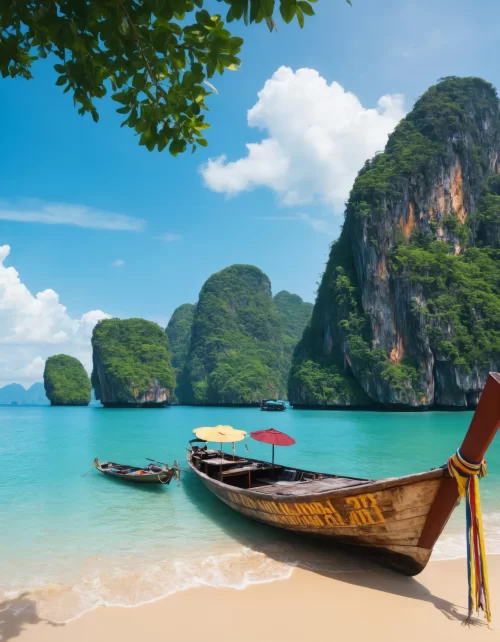
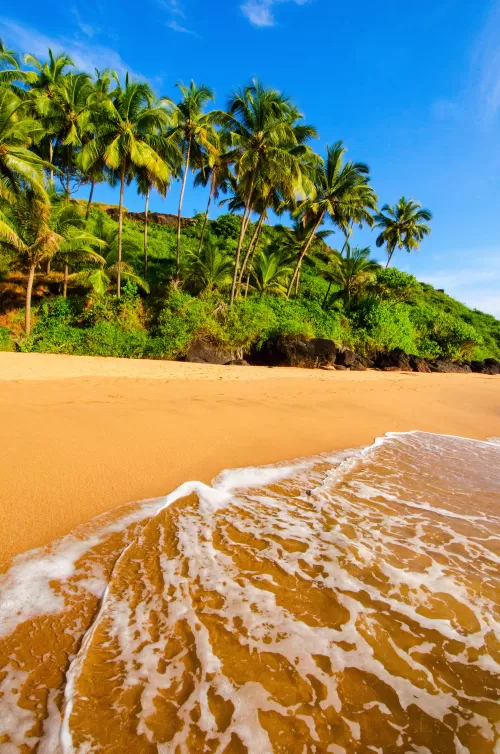
Andaman offers several beaches with calm waters, scenic surroundings, and suitable conditions for swimming, making them ideal for relaxation and safe coastal experiences.
+91 9910402252
admin@chalbanjare.com


Andaman’s marine ecosystem features colourful coral reefs, tropical fish, sea turtles, and diverse underwater habitats, offering unique experiences through diving, snorkeling, and coastal exploration.
The Andaman Islands are home to one of India's richest marine ecosystems, supporting thousands of marine species across coral reefs, seagrass beds, mangrove forests, sandy lagoons, and deep ocean habitats. Surrounded by the warm tropical waters of the Bay of Bengal and the Andaman Sea, the archipelago provides ideal conditions for marine organisms to thrive throughout the year. The islands' geographical isolation has helped preserve many underwater habitats, making Andaman one of the country's leading destinations for marine exploration.
Visitors exploring the underwater world quickly notice the remarkable diversity present beneath the surface. Colourful coral reefs support hundreds of reef fish species, while deeper waters provide habitat for rays, sea turtles, reef sharks, octopus, molluscs, crustaceans, sea cucumbers, nudibranchs, and countless other marine organisms. Each island offers slightly different underwater characteristics depending on water depth, reef structure, ocean currents, and coastal geography, allowing travellers to experience varied marine environments during a multi-island itinerary.
The remarkable biodiversity of the Andaman Islands extends far beyond what is visible from the shoreline. Every underwater excursion reveals new marine species and ecosystems, making the islands one of the most rewarding destinations in India for travellers interested in nature and marine exploration.
The marine ecosystem of Andaman depends on several interconnected habitats working together to support marine life. Coral reefs form the foundation of this ecosystem by providing shelter, feeding grounds, and breeding areas for countless fish and invertebrates. These living reef systems also protect coastlines by reducing wave energy before it reaches the beaches, contributing to the long-term stability of the islands' shoreline.
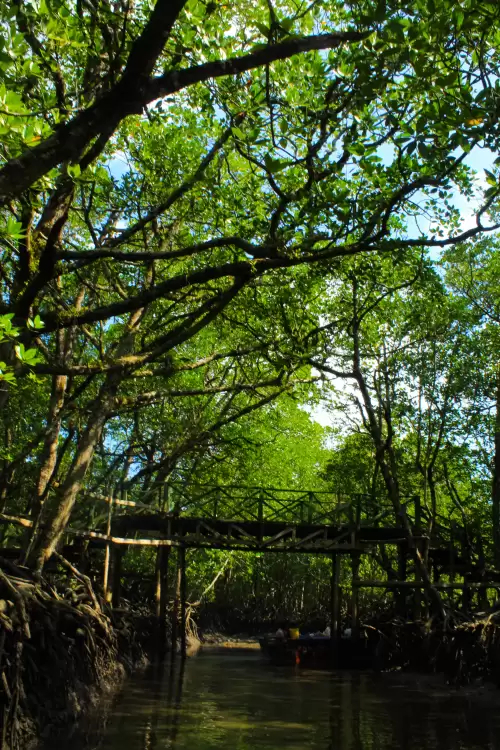
Mangrove forests play an equally important ecological role. Located along sheltered coastal areas and estuaries, mangroves provide nursery habitats where juvenile fish, crustaceans, and many marine organisms develop before moving into offshore reef systems. Seagrass beds surrounding some islands further support marine biodiversity by providing feeding grounds for turtles and numerous smaller marine species. Together, these habitats create a balanced ecosystem that supports life from shallow lagoons to deeper offshore waters.
Understanding how these habitats function together helps visitors appreciate the importance of marine conservation. Protecting coral reefs alone is not sufficient; preserving mangroves, seagrass, and coastal environments is equally essential for maintaining Andaman's extraordinary underwater biodiversity.
The Andaman Islands have earned an international reputation for marine exploration because they combine exceptional underwater biodiversity with favourable diving and snorkeling conditions. Clear tropical water, extensive coral reefs, relatively warm sea temperatures, and professional diving infrastructure allow visitors to experience marine ecosystems through a variety of activities suitable for different experience levels.
Beginners often discover marine life while snorkeling above shallow coral gardens, while scuba divers explore deeper reef systems and underwater landscapes. Glass-bottom boat rides provide an alternative for visitors who prefer remaining above the surface while still observing colourful fish and coral formations. Together, these activities make marine exploration accessible to families, photographers, adventure travellers, and nature enthusiasts alike.
Whether exploring coral reefs through scuba diving or observing tropical fish while snorkeling, the Andaman Islands provide unforgettable opportunities to experience one of India's most remarkable marine ecosystems while promoting appreciation for its long-term conservation.
The coral reefs surrounding the Andaman Islands support an extraordinary variety of tropical reef fish that create the vibrant underwater scenery for which the islands are famous. Divers and snorkelers frequently encounter butterflyfish, angelfish, parrotfish, surgeonfish, clownfish, damselfish, wrasses, triggerfish, and numerous other reef species swimming among healthy coral formations. Their brilliant colours and varied behaviour make every underwater excursion unique, regardless of whether visitors are exploring shallow lagoons or deeper reef systems.
Many reef fish depend directly on coral ecosystems for food, shelter, and breeding. Hard corals, soft corals, sea fans, and reef structures provide protection from predators while supporting the complex food chains that maintain healthy marine biodiversity. Different reef locations host slightly different fish communities, encouraging divers to explore multiple islands and underwater habitats during longer holidays.
Observing reef fish in their natural environment highlights the remarkable ecological balance maintained by Andaman's coral reefs. Responsible underwater behaviour ensures these habitats continue supporting marine biodiversity for future generations.
Beyond colourful reef fish, the Andaman Islands are also known for larger marine animals that occasionally appear during scuba diving and snorkeling excursions. Several species of sea turtles inhabit the surrounding waters and may be seen swimming gracefully above coral reefs or feeding in seagrass beds. Stingrays and eagle rays are sometimes observed gliding across sandy seabeds, while octopus, cuttlefish, moray eels, sea cucumbers, giant clams, and reef crustaceans contribute to the region's remarkable marine diversity.
Although sightings of larger marine animals cannot be guaranteed, the healthy underwater ecosystem creates favourable conditions for many different species throughout the year. Experienced dive guides often know which locations provide the best opportunities for observing particular marine life depending on seasonal conditions and recent underwater activity.
The opportunity to encounter larger marine species adds excitement to underwater exploration, but visitors should always appreciate these animals from a respectful distance without attempting to touch or disturb their natural behaviour.
Every marine species depends on suitable habitats for feeding, shelter, breeding, and protection. Coral reefs support reef fish and countless invertebrates, while sandy lagoons provide habitat for rays and bottom-dwelling organisms. Seagrass beds offer feeding grounds for turtles, and mangrove forests protect juvenile fish during early stages of development before they migrate to offshore reef systems.
These habitats remain closely connected, forming an ecological network that supports marine biodiversity across the islands. Damage to one habitat can influence many different species, making long-term conservation essential for preserving the underwater environments that attract visitors from around the world. This ecological complexity is one reason the Andaman Islands remain internationally recognised for marine exploration.
Understanding these natural habitats enhances every underwater experience. Rather than simply observing marine life, visitors begin to appreciate the complex ecological relationships that make the Andaman Islands one of India's most valuable marine environments.
The coral reefs surrounding the Andaman Islands form the foundation of one of India's richest marine ecosystems. These living reef systems extend around numerous islands, creating colourful underwater gardens that support an extraordinary variety of marine life. Coral colonies have developed over many years, gradually forming complex reef structures that now provide shelter, breeding grounds, and feeding habitats for thousands of marine organisms. Their vibrant appearance and ecological importance make them one of the region's greatest natural attractions.
Coral gardens can be found around several popular islands, including Havelock Island, Neil Island, North Bay, and Elephant Beach. Depending on location, divers and snorkelers may encounter shallow coral flats, gently sloping reef systems, scattered coral heads, and larger reef formations extending into deeper water. Every reef displays different coral species and underwater landscapes, ensuring that no two marine exploration experiences are exactly alike.
Exploring coral gardens offers visitors a close look at one of nature's most intricate ecosystems. Observing these reefs responsibly helps ensure they remain healthy for future generations while continuing to support Andaman's remarkable marine biodiversity.
Coral reefs are far more than colourful underwater landscapes. They function as living ecosystems that provide shelter, food, breeding sites, and protection for an enormous variety of marine organisms. Tiny coral polyps gradually build reef structures that become home to reef fish, sea anemones, crustaceans, molluscs, sea cucumbers, turtles, and numerous other marine species. The complexity of these reef formations creates countless small habitats where different organisms can survive together.
Healthy coral reefs also contribute to the wider coastal environment by reducing wave energy before it reaches beaches, limiting shoreline erosion, and supporting balanced marine food chains. The survival of many reef species depends directly on the condition of these coral ecosystems, making reef conservation essential for preserving the Andaman Islands' underwater biodiversity and marine tourism opportunities.
Understanding the ecological importance of coral reefs encourages visitors to treat these fragile environments with care. Simple actions such as avoiding physical contact with coral contribute significantly to preserving the underwater ecosystems that make the Andaman Islands internationally recognised for marine exploration.
Several destinations across the Andaman Islands provide outstanding opportunities to observe coral reefs. Elephant Beach on Havelock Island is one of the best-known locations because its reefs are relatively close to shore and easily accessible through snorkeling and introductory scuba diving. Neil Island offers quieter coral environments that appeal to visitors seeking relaxed underwater exploration, while North Bay near Port Blair provides convenient reef viewing for travellers with shorter itineraries.
Certified divers can explore additional offshore reef systems surrounding Havelock Island, where deeper underwater landscapes reveal extensive coral formations, reef walls, and diverse marine communities. Visitors who prefer staying above the surface can also appreciate coral ecosystems through glass-bottom boat rides that reveal underwater scenery without requiring swimming or diving experience.
| Location | Main Reef Experience | Suitable Activity |
|---|---|---|
| Elephant Beach | Shallow coral gardens | Snorkeling and beginner scuba diving |
| Havelock Offshore Reefs | Deep reef systems | Certified scuba diving |
| Neil Island | Peaceful coral environments | Snorkeling and recreational diving |
| North Bay | Accessible coral viewing | Glass-bottom boats and snorkeling |
Exploring multiple reef locations allows visitors to appreciate the diversity of Andaman's underwater landscapes. Each destination offers its own combination of coral formations, marine species, and exploration opportunities while highlighting the importance of protecting these remarkable ecosystems.
Havelock Island, officially known as Swaraj Dweep, is widely recognised as the premier destination for experiencing marine life in the Andaman Islands. Its surrounding waters support healthy coral reefs, excellent underwater visibility during much of the tourism season, and a wide range of marine species that attract both beginner and experienced divers. The island also has the largest concentration of professional diving centres, making it an ideal base for underwater exploration.
Popular locations such as Elephant Beach and nearby offshore dive sites provide opportunities to observe colourful coral gardens, reef fish, sea turtles, rays, and numerous reef invertebrates. Whether visitors choose snorkeling above shallow reefs or scuba diving to greater depths, Havelock offers one of the most complete marine exploration experiences available anywhere in India.
Travellers interested in experiencing the greatest variety of marine environments should consider spending several days on Havelock Island. The combination of accessible reefs and professional diving infrastructure makes it the centre of marine tourism in the Andaman Islands.
Neil Island provides a quieter alternative for travellers who prefer peaceful underwater exploration. Its coral reefs support colourful tropical fish, reef invertebrates, and clear shallow water suitable for snorkeling and recreational scuba diving. The island's relaxed atmosphere makes marine exploration feel slower and more closely connected with nature than at busier tourism centres.
Elephant Beach, although located on Havelock Island, deserves separate attention because of its exceptional coral reefs situated close to the shoreline. The beach combines snorkeling, introductory scuba diving, and underwater photography opportunities within a single destination, making it especially attractive for first-time visitors interested in observing marine life without travelling to distant offshore dive sites.
Combining Havelock Island with Neil Island during the same itinerary allows travellers to experience two distinct styles of marine exploration, from active diving centres to peaceful reef environments that highlight the diversity of Andaman's underwater world.
In addition to Havelock and Neil Island, several other locations contribute to Andaman's reputation for marine tourism. North Bay near Port Blair offers accessible coral viewing through snorkeling and glass-bottom boat rides, making it particularly suitable for travellers staying in the capital. Cinque Island, where permitted, is known for exceptionally clear water and healthy reef systems that attract experienced divers seeking pristine underwater environments.
Other offshore dive sites around the archipelago provide specialised recreational diving opportunities depending on weather, sea conditions, and operator schedules. Each location contributes unique underwater landscapes ranging from coral gardens and reef walls to sandy lagoons and rocky formations, ensuring that visitors can continue discovering new marine environments throughout their journey.
The Andaman Islands provide marine experiences for every type of traveller, from first-time snorkelers to experienced scuba divers. Exploring several locations rather than focusing on a single beach reveals the extraordinary diversity that makes the region one of India's finest marine destinations.
Scuba diving is one of the most rewarding ways to experience the marine ecosystem of the Andaman Islands because it allows visitors to explore beneath the surface and observe marine life within its natural habitat. Unlike snorkeling, scuba diving enables participants to spend longer periods underwater while exploring coral reefs, reef slopes, sandy seabeds, underwater rock formations, and diverse marine environments under the supervision of certified dive professionals.
Most introductory scuba diving sessions begin with a detailed safety briefing, equipment familiarisation, breathing practice, and underwater communication instructions before entering the sea. Certified instructors accompany beginners throughout the dive, ensuring they remain comfortable while gradually experiencing the underwater world. As confidence increases, visitors can focus less on equipment and more on observing the remarkable biodiversity surrounding the reefs.
Guided scuba diving provides a safe introduction to Andaman's underwater world while allowing visitors to appreciate marine ecosystems from a completely different perspective than surface activities can offer.
Once underwater, divers encounter landscapes that remain hidden from visitors on the surface. Healthy coral gardens extend across shallow and deeper reefs, supporting colourful tropical fish, sea fans, giant clams, reef invertebrates, sea cucumbers, moray eels, octopus, and numerous other marine organisms. Depending on the dive site and seasonal conditions, divers may also observe turtles or rays moving gracefully through the surrounding reef systems.
The underwater terrain varies considerably between dive sites. Some locations feature gently sloping coral reefs ideal for beginners, while others include reef walls, rocky pinnacles, sandy channels, and deeper coral formations that attract experienced divers. Every underwater environment supports different marine communities, making each dive a unique exploration of Andaman's marine biodiversity.
The diversity of underwater landscapes encourages many visitors to complete several dives during their stay. Exploring different reef systems provides a broader understanding of the remarkable ecological richness found throughout the Andaman Islands.
The Andaman Islands offer scuba diving experiences suitable for every level of experience. Beginners generally participate in Discover Scuba Diving programmes conducted in shallow water with direct instructor supervision. These introductory dives require no previous certification and allow visitors to safely experience underwater breathing while observing coral reefs and marine life.
Certified divers have access to a much wider range of dive sites including deeper reef systems, underwater pinnacles, reef walls, and advanced marine environments. Professional dive centres also conduct internationally recognised certification courses, allowing travellers to progress from beginner level to Open Water, Advanced Open Water, and specialty certifications during longer holidays. This structured progression enables visitors to continue developing their diving skills while exploring increasingly diverse underwater habitats.
Whether visitors wish to experience scuba diving once or pursue advanced underwater exploration, the Andaman Islands provide suitable opportunities across different islands while maintaining high safety standards and exceptional marine experiences.
Snorkeling is one of the easiest and most accessible ways to experience the marine life of the Andaman Islands. Unlike scuba diving, snorkeling requires minimal equipment and allows visitors to observe colourful coral reefs while floating comfortably on the surface. Many of the islands' shallow reef systems begin close to the shoreline, making them suitable for beginners who wish to experience the underwater world without formal diving certification.
Popular snorkeling locations such as Elephant Beach, North Bay, and Bharatpur Beach feature calm waters during the tourism season and healthy coral gardens that remain visible from the surface. These environments allow visitors to observe reef fish, coral formations, sea anemones, and numerous small marine organisms while remaining in relatively shallow water. Professional guides frequently accompany organized snorkeling groups to ensure both safety and environmental awareness.
Snorkeling provides an excellent introduction to Andaman's underwater ecosystems while requiring less time and preparation than scuba diving. It remains one of the most popular marine activities for visitors exploring the islands.
Many snorkeling locations around the Andaman Islands allow visitors to observe marine life only a short distance from the beach. Schools of tropical reef fish move through coral formations while sea anemones, giant clams, and colourful reef structures create vibrant underwater scenery. Calm water and good visibility during favourable weather allow snorkelers to enjoy clear views of these ecosystems without descending beneath the surface.
Because snorkeling usually takes place in relatively shallow water, sunlight penetrates easily and naturally illuminates the reef. This enhances underwater colours while making it easier to identify different coral formations and fish species. Even first-time snorkelers are often surprised by the diversity of marine life visible within a short distance of the shoreline.
Snorkeling allows visitors to appreciate Andaman's underwater beauty while remaining close to the surface. The combination of colourful reefs and accessible marine life creates memorable experiences for travellers of all ages.
Snorkeling appeals to families and first-time visitors because it offers a comfortable balance between adventure and accessibility. Participants require only basic equipment, a simple safety briefing, and confidence in shallow water to begin observing marine life. Since there is no need for scuba certification, many travellers include snorkeling as one of the highlights of their Andaman holiday.
Families appreciate the ability to explore coral reefs together in designated snorkeling areas, while beginners enjoy observing tropical fish without the additional complexity of scuba equipment. Organized snorkeling tours provide flotation devices where appropriate, ensuring visitors can relax while focusing on the underwater scenery rather than physical effort. This combination of simplicity and natural beauty has made snorkeling one of Andaman's most popular recreational activities.
Snorkeling offers one of the simplest ways to experience the Andaman marine ecosystem while remaining suitable for visitors with varying levels of confidence in the water. It combines education, recreation, and appreciation of nature in a single unforgettable activity.
The quality of marine life experiences in the Andaman Islands depends greatly on seasonal weather, sea conditions, underwater visibility, and tidal movement. Although marine ecosystems remain active throughout the year, visitors experience the best underwater conditions during periods of calm seas and stable weather. Clear water allows divers, snorkelers, and glass-bottom boat passengers to observe coral reefs, tropical fish, and other marine organisms with much greater clarity than during rough weather.
The primary tourism season, generally extending from October to May, offers the most favourable conditions for underwater exploration. During this period, lower rainfall, calmer seas, and improved sunlight penetration contribute to excellent visibility across many popular marine destinations. In contrast, the southwest monsoon usually brings stronger winds, rougher sea conditions, increased wave activity, and reduced underwater clarity that may temporarily affect diving, snorkeling, and boat operations.
Planning marine activities during favourable seasons greatly increases the likelihood of experiencing healthy coral reefs and abundant marine life. Combining seasonal planning with daily weather updates allows visitors to make the most of their underwater adventures.
Every part of the tourism season offers slightly different advantages for marine exploration. October and November mark the return of calmer conditions after the monsoon, allowing coral reefs to become increasingly accessible for snorkeling and scuba diving. December through February generally provide some of the most comfortable weather, making these months especially popular for underwater activities and marine tourism.
March and April continue to offer excellent opportunities for observing marine life despite warmer daytime temperatures. Early May often remains suitable before seasonal weather gradually changes. During these months, visitors can comfortably combine scuba diving, snorkeling, glass-bottom boat rides, and beach activities across Havelock Island, Neil Island, North Bay, and several other marine destinations.
| Season | Marine Activity Conditions | Visibility |
|---|---|---|
| October to November | Improving sea conditions | Good |
| December to February | Excellent for diving and snorkeling | Excellent |
| March to April | Warm with stable marine conditions | Very Good |
| May | Generally favourable depending on weather | Good |
| June to September | Variable due to monsoon | Often Reduced |
Travellers planning marine-focused holidays should consider visiting during the main tourism season when favourable sea conditions allow greater flexibility for diving, snorkeling, and underwater sightseeing across multiple islands.
Even during the best travel months, daily weather and sea conditions determine the quality of marine experiences. Professional diving centres and snorkeling operators evaluate wave conditions, underwater visibility, tidal movement, and wind direction before confirming activity schedules. Certain offshore locations may occasionally be replaced with more sheltered reefs if conditions become less favourable.
Morning excursions are often recommended because sea conditions tend to remain calmer before afternoon winds develop. Visitors should also remain flexible when planning marine activities, allowing sufficient time for possible schedule adjustments caused by changing weather. Coordinating island transfers, diving sessions, and sightseeing carefully helps maximise opportunities to experience Andaman's marine biodiversity under suitable conditions.
Successful marine exploration combines seasonal planning with daily awareness of ocean conditions. Allowing flexibility within the itinerary helps visitors enjoy safer, clearer, and more rewarding underwater experiences throughout the Andaman Islands.
The remarkable marine biodiversity of the Andaman Islands depends on healthy coral reefs, mangrove forests, seagrass beds, and clean coastal waters. These ecosystems support thousands of marine species while protecting shorelines from erosion and maintaining ecological balance throughout the archipelago. Coral reefs, despite appearing like colourful rocks, are living organisms that require stable environmental conditions to survive and continue supporting marine life.
Human activities such as physical damage to coral, pollution, irresponsible boating, and improper waste disposal can affect these fragile ecosystems. Since coral reefs grow very slowly, even minor damage may take years or decades to recover naturally. Protecting these habitats ensures that future generations can continue enjoying the exceptional underwater experiences that make the Andaman Islands internationally recognised for marine tourism.
Understanding the ecological importance of these habitats encourages responsible visitor behaviour. Every traveller contributes to long-term marine conservation by respecting underwater ecosystems during recreational activities.
Responsible behaviour while diving, snorkeling, or participating in other marine activities helps minimise environmental impact. Visitors should maintain proper buoyancy while scuba diving, avoid standing on coral reefs, never collect shells or coral fragments, and refrain from touching marine animals. Even accidental contact can damage delicate reef organisms or disturb natural animal behaviour.
Professional diving and snorkeling operators routinely provide environmental briefings before activities begin, explaining how visitors can safely enjoy marine life while preserving underwater habitats. Following these instructions benefits both the ecosystem and the quality of future visitor experiences, ensuring coral reefs remain healthy and colourful for years to come.
Simple responsible actions make a significant difference in protecting Andaman's underwater ecosystems. Visitors who enjoy marine life respectfully help preserve these environments while supporting sustainable tourism across the islands.
Travellers play an important role in marine conservation through everyday choices made during their holiday. Selecting authorised diving operators that follow recognised environmental practices, avoiding littering, respecting marine protected areas, and participating in responsible tourism activities all contribute to preserving Andaman's fragile marine ecosystems. Supporting environmentally conscious businesses also encourages sustainable tourism throughout the islands.
Visitors can further contribute by learning about marine biodiversity before entering the water and sharing responsible travel practices with fellow travellers. Appreciating the ecological value of coral reefs often inspires greater respect for the marine environment while encouraging long-term conservation awareness beyond the holiday itself.
Marine conservation depends on the combined efforts of local communities, tourism operators, conservation authorities, and visitors. Responsible travel allows everyone to enjoy the extraordinary underwater world of the Andaman Islands while helping preserve it for future generations.
The Andaman Islands provide some of India's finest opportunities for marine life photography because of their healthy coral reefs, tropical marine biodiversity, and relatively clear water during the main tourism season. Whether visitors are scuba diving, snorkeling, or observing marine life through glass-bottom boats, the underwater environment offers constantly changing photographic subjects. Coral gardens filled with colourful reef fish, sea anemones, giant clams, sea fans, and natural reef formations create vibrant compositions that appeal to both beginner and experienced photographers.
Popular marine destinations such as Elephant Beach, Havelock Island, Neil Island, North Bay, and selected offshore dive sites offer varied underwater landscapes. Wide coral reefs, sandy seabeds, rocky formations, and schools of tropical fish provide opportunities to capture both expansive underwater scenery and close-up images of marine organisms. Since each reef ecosystem supports different species, visiting multiple locations allows photographers to build a diverse collection of underwater images throughout their Andaman holiday.
Marine photography becomes especially rewarding when approached patiently and responsibly. Allowing marine animals to behave naturally often results in more authentic photographs while ensuring minimal disturbance to the surrounding ecosystem.
Scuba diving and snorkeling provide different styles of marine photography experiences. Scuba divers can photograph deeper coral formations, reef walls, underwater pinnacles, and marine species that are rarely visible from the surface. The ability to remain underwater for longer periods allows divers to compose images carefully while exploring different reef environments under professional supervision.
Snorkeling, on the other hand, offers excellent opportunities to photograph shallow coral gardens illuminated by natural sunlight. Since sunlight penetrates shallow water more effectively, colours often appear brighter and more vivid without requiring specialised lighting equipment. Many authorised diving centres also provide underwater photography and videography services, allowing visitors to enjoy the marine experience while professionals document the dive using dedicated underwater cameras.
Choosing the appropriate activity depends on photography goals as well as diving experience. Beginners often achieve excellent results while snorkeling, whereas certified divers can explore a much broader variety of underwater environments for more advanced photographic opportunities.
Several natural factors influence underwater photography quality in the Andaman Islands. Seasonal weather, sea conditions, tidal movement, sunlight penetration, suspended particles, and water clarity all determine how clearly marine life appears beneath the surface. During the primary tourism season between October and May, many dive sites experience favourable visibility that allows photographers to capture colourful coral reefs and tropical fish with greater clarity.
Time of day also affects underwater lighting. Morning dives often benefit from calmer water and favourable sunlight, while shallow reefs generally receive stronger natural illumination than deeper underwater environments. As depth increases, colours gradually become less vibrant unless specialised underwater lighting equipment is used. Professional dive operators assess daily sea conditions before selecting dive locations, helping visitors maximise photography opportunities under suitable environmental conditions.
| Environmental Factor | Influence on Marine Photography |
|---|---|
| Clear weather | Improves underwater visibility and colour clarity |
| Calm sea conditions | Reduces suspended particles in the water |
| Morning sunlight | Provides balanced natural underwater lighting |
| Shallow reef depth | Produces brighter colours using natural light |
| Greater water depth | Reduces available natural light |
| Seasonal weather | Influences overall underwater visibility |
Planning photography sessions according to favourable weather, sea conditions, and underwater visibility significantly improves the quality of marine images. Respecting marine life while photographing ensures that both visitors and future travellers continue enjoying Andaman's remarkable underwater ecosystems.
One of the most common mistakes visitors make while exploring marine environments is touching coral reefs or attempting to interact closely with marine animals. Coral reefs are living organisms that can be permanently damaged by even brief physical contact. Similarly, chasing fish, attempting to touch turtles, or disturbing other marine creatures can interrupt natural behaviour and place unnecessary stress on wildlife.
Responsible marine exploration means observing underwater life without interfering with it. Divers should maintain proper buoyancy to avoid accidental contact with coral formations, while snorkelers should remain aware of shallow reef areas and avoid standing on coral. Respecting these simple guidelines helps preserve fragile ecosystems that have taken decades to develop naturally.
Every responsible visitor contributes to marine conservation by allowing wildlife to remain undisturbed. Careful underwater behaviour protects both marine ecosystems and the quality of future exploration experiences across the Andaman Islands.
Ignoring safety instructions is another mistake that can reduce both enjoyment and safety during marine activities. Before scuba diving, snorkeling, or boat-based marine excursions, visitors receive important briefings explaining equipment use, underwater communication, sea conditions, and emergency procedures. These instructions are designed to ensure participants remain comfortable while exploring unfamiliar marine environments.
Travellers should always wear properly fitted equipment, remain within designated activity areas, and immediately inform instructors if they experience discomfort. Weather and sea conditions can change throughout the day, and professional operators may modify activity locations whenever safety requires. Accepting these adjustments helps ensure marine exploration continues under the safest possible conditions.
Following professional guidance allows visitors to focus on enjoying the remarkable marine biodiversity of the Andaman Islands while reducing unnecessary risks during underwater activities.
Choosing operators solely because they offer lower prices is another mistake that visitors should avoid. Reputable scuba diving and snorkeling centres employ certified instructors, maintain equipment according to recognised standards, and assess daily weather and sea conditions before beginning marine activities. These operators also provide complete safety briefings and organise activities appropriate to each participant's experience level.
Properly maintained equipment is equally important for both safety and comfort. Masks should fit securely, fins should be correctly sized, buoyancy equipment should function properly, and scuba cylinders must be professionally inspected. Booking activities through experienced operators ensures visitors receive reliable equipment and professional supervision while exploring Andaman's underwater ecosystems.
Careful planning, reliable operators, and quality equipment create safer and more enjoyable marine experiences. Investing in professional services allows visitors to fully appreciate the extraordinary underwater world of the Andaman Islands while travelling responsibly.
The Andaman Islands offer marine experiences suitable for every type of traveller, making it important to choose activities that match individual interests, comfort levels, and available travel time. Visitors interested in adventure and underwater exploration often prefer scuba diving, which allows close observation of coral reefs, reef fish, turtles, rays, and diverse underwater landscapes. Those seeking a simpler introduction to marine life generally enjoy snorkeling, where colourful coral gardens and tropical fish can be observed from the surface without requiring scuba certification.
Travellers who prefer not to enter the water can still appreciate Andaman's underwater world through glass-bottom boat rides available at selected locations such as North Bay and Elephant Beach. Wildlife enthusiasts, photographers, families, and recreational travellers all experience the marine ecosystem differently, and selecting suitable activities ensures a rewarding holiday while avoiding unnecessary physical demands or unrealistic expectations.
| Interest | Recommended Experience | Main Attraction |
|---|---|---|
| Adventure travellers | Scuba diving | Close exploration of coral reefs and marine life |
| First-time visitors | Guided snorkeling | Easy introduction to underwater ecosystems |
| Families | Snorkeling and glass-bottom boats | Safe marine observation |
| Photographers | Scuba diving and snorkeling | Coral reefs and tropical marine species |
| Nature enthusiasts | Multi-island marine exploration | Diverse coastal ecosystems |
Choosing activities according to personal interests allows visitors to appreciate the extraordinary marine biodiversity of the Andaman Islands comfortably while making the most of their holiday itinerary.
Successful marine holidays require thoughtful planning before arrival. Travellers interested primarily in scuba diving should consider spending multiple nights on Havelock Island, which offers the largest number of dive centres and access to numerous underwater locations. Neil Island complements the itinerary with quieter coral reefs and relaxed snorkeling experiences, while Port Blair provides convenient access to North Bay and several marine attractions for visitors with shorter schedules.
The main tourism season from October to May generally provides the most favourable conditions for underwater exploration. Booking diving sessions, snorkeling excursions, ferry tickets, and accommodation in advance is advisable during peak travel months because popular activities often reach capacity quickly. Maintaining flexibility within the itinerary also allows visitors to adapt to changing weather and sea conditions without missing planned marine experiences.
Organising transportation, accommodation, and marine activities together creates a smoother travel experience while maximising opportunities to explore different underwater environments throughout the Andaman Islands.
Before beginning any marine activity, travellers should confirm weather forecasts, follow instructions provided by guides, and ensure all equipment fits correctly. Carrying drinking water, reef-safe sun protection where appropriate, lightweight clothing, and waterproof storage for personal belongings helps improve overall comfort during island excursions. Visitors should also understand local safety procedures before entering the water and respect any temporary restrictions caused by weather or conservation requirements.
Equally important is protecting the marine ecosystem throughout the journey. Visitors should never touch coral reefs, disturb marine animals, or leave waste on beaches or boats. Supporting authorised operators that follow recognised environmental practices contributes to sustainable tourism while helping preserve the extraordinary biodiversity that makes the Andaman Islands one of India's most remarkable marine destinations.
The Andaman Islands offer one of India's richest marine environments, where healthy coral reefs, colourful tropical fish, sea turtles, mangroves, and clear tropical waters combine to create unforgettable underwater experiences. Careful planning, responsible travel practices, and respect for nature allow every visitor to experience this remarkable ecosystem while contributing to its long-term conservation for future generations.

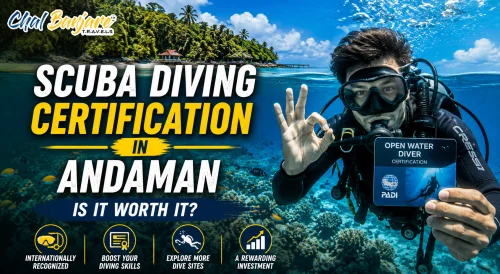
Get customized Andaman and Nicobar Islands tour planning designed around ferry schedules, island connectivity, seasonal sea conditions, and realistic travel flow between islands. Whether you are visiting for beach relaxation, water sports, snorkeling, scu
⚡ Quick Response | 💰 Free consultation | 🕒 24×7 expert support