Which Beach in Andaman is Best for Swimming?
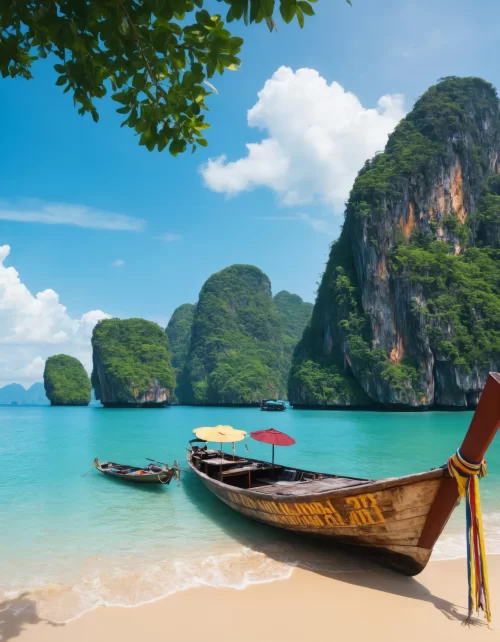
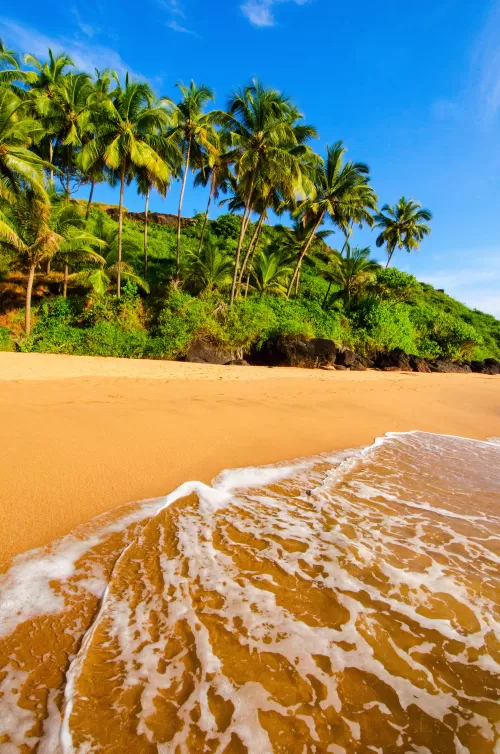
Andaman offers several beaches with calm waters, scenic surroundings, and suitable conditions for swimming, making them ideal for relaxation and safe coastal experiences.
+91 9910402252
admin@chalbanjare.com


Andaman’s mangrove forests offer unique eco-tourism experiences with rich biodiversity, peaceful waterways, and opportunities for kayaking, photography, and nature exploration.
The Andaman Islands contain one of India's most extensive mangrove ecosystems, covering large sections of the coastline, tidal creeks, estuaries, and sheltered bays. These forests grow in the unique transition zone where land meets the sea, thriving in salty, brackish water conditions that many other plant species cannot tolerate. Their dense root systems create highly productive coastal habitats that support remarkable biodiversity while maintaining the ecological balance of the surrounding marine environment.
Mangrove forests play an essential role in the health of the Andaman archipelago by stabilising coastlines, filtering sediments, improving water quality, and supporting countless species of fish, birds, crustaceans, reptiles, and marine organisms. Their ecological importance extends far beyond the trees themselves, influencing coral reefs, seagrass beds, fisheries, and offshore ecosystems that depend on healthy coastal environments.
Understanding the ecological importance of mangrove forests helps visitors appreciate why these landscapes are among the most valuable natural environments found throughout the Andaman Islands.
The intricate root systems of mangrove trees provide shelter, breeding grounds, and feeding habitats for numerous marine species. Juvenile fish, crabs, prawns, molluscs, and many other aquatic organisms spend the early stages of their lives within these protected environments before moving into open coastal waters. This makes mangrove forests one of the most productive nursery ecosystems in the tropical marine world.
At the same time, mangroves act as natural barriers that reduce coastal erosion by absorbing wave energy and trapping sediments carried by tides. During storms and periods of rough weather, these forests help protect shorelines from erosion while maintaining the stability of beaches and coastal habitats. Their ability to perform both ecological and protective functions makes mangroves an irreplaceable part of Andaman's natural environment.
The relationship between mangroves and marine life demonstrates how closely connected Andaman's coastal ecosystems are. Conserving these forests protects both the shoreline and the remarkable biodiversity found throughout the islands.
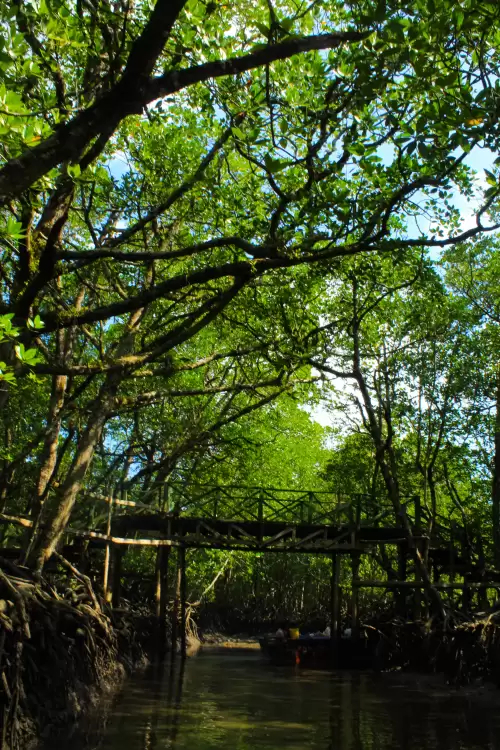
Unlike sandy beaches or coral reefs, mangrove forests offer visitors a completely different perspective on Andaman's natural beauty. Narrow tidal waterways, dense green vegetation, arching roots, calm creeks, and peaceful surroundings create an atmosphere that feels both mysterious and tranquil. Exploring these landscapes allows visitors to experience one of the least disturbed coastal environments in the archipelago while observing nature from close range.
Boat rides and kayaking through mangrove channels provide opportunities to appreciate the complexity of these ecosystems while enjoying quiet surroundings away from busy tourist beaches. Birds, reptiles, marine organisms, and changing tidal landscapes add further interest throughout the journey, making mangrove exploration one of the most rewarding eco-tourism experiences available in the Andaman Islands.
Mangrove forests reveal another side of the Andaman Islands beyond beaches and coral reefs. Their peaceful landscapes, ecological importance, and remarkable biodiversity make them one of the archipelago's most distinctive natural attractions.
One of the main reasons travellers visit the mangrove forests of the Andaman Islands is to experience their calm and peaceful atmosphere. Unlike open beaches or busy tourist destinations, mangrove waterways remain quiet and sheltered, allowing visitors to explore narrow creeks lined with dense tropical vegetation. The gentle movement of boats or kayaks through these winding channels creates a relaxing nature experience that contrasts beautifully with the excitement of other marine activities available across the islands.
As visitors move deeper into the mangrove ecosystem, the surrounding environment changes continuously. Twisting roots emerge from the water, birds call from the forest canopy, sunlight filters through dense foliage, and tidal channels reveal different landscapes depending on water levels. These constantly changing natural scenes create an immersive journey through one of the Andaman Islands' most fascinating coastal habitats.
Exploring mangrove waterways allows travellers to disconnect from crowded attractions while experiencing the peaceful rhythm of Andaman's coastal wilderness.
Mangrove forests support an extraordinary variety of wildlife that differs significantly from the species found on beaches or coral reefs. Visitors may observe kingfishers, herons, egrets, sea eagles, mudskippers, crabs, molluscs, reptiles, and numerous fish species living within the complex root systems and tidal channels. Every journey through the mangroves reveals new aspects of Andaman's coastal biodiversity as changing tides influence wildlife activity throughout the day.
Because mangroves connect land and sea, they support organisms from both environments. This ecological diversity makes every visit educational as well as visually rewarding, particularly for birdwatchers, photographers, and travellers interested in natural history. Healthy mangrove forests also contribute to the survival of offshore marine ecosystems by supporting fish populations that later move into surrounding coastal waters.
The remarkable biodiversity of Andaman's mangrove forests makes every excursion different. Observing wildlife within these natural habitats helps visitors understand the ecological importance of preserving coastal ecosystems.
Mangrove forests offer visitors an opportunity to experience a quieter form of tourism focused on nature, conservation, and environmental appreciation. Instead of large crowds and commercial activities, travellers enjoy guided kayaking, peaceful boat rides, wildlife observation, photography, and educational experiences within carefully managed natural environments. These eco-tourism activities encourage a slower pace of travel while promoting awareness of Andaman's coastal ecosystems.
Many mangrove experiences are organised by local operators who emphasise responsible tourism and environmental protection. Visitors learn about mangrove ecology, coastal conservation, and wildlife habitats while supporting sustainable tourism initiatives that benefit local communities and encourage long-term preservation of these unique natural landscapes.
Choosing mangrove eco-tourism experiences allows visitors to enjoy the quieter side of the Andaman Islands while contributing positively to the conservation of one of the region's most valuable coastal ecosystems.
Port Blair is one of the best starting points for exploring the mangrove ecosystems of the Andaman Islands. Several tidal creeks and sheltered coastal areas surrounding the city contain dense mangrove forests that are easily accessible through guided boat rides and kayaking excursions. Chidiyatapu, Sippighat, Wandoor, and nearby creeks within the Mahatma Gandhi Marine National Park region are among the well-known areas where visitors can experience these remarkable coastal habitats while remaining close to the main tourism centre.
The mangroves around Port Blair vary from wide tidal channels to narrow waterways enclosed by dense vegetation. As visitors travel through these forests, they experience constantly changing landscapes shaped by tides, tree roots, and coastal wildlife. These accessible locations make Port Blair an ideal destination for travellers wishing to experience Andaman's mangrove ecosystems without travelling to more remote islands.
Visitors based in Port Blair can comfortably include mangrove exploration within their travel itinerary while enjoying one of the Andaman Islands' most ecologically important natural environments.
Several mangrove destinations across the Andaman Islands provide guided boat rides that allow visitors to travel through peaceful tidal waterways while observing coastal forests from close range. Boats move slowly through winding channels, creating opportunities to appreciate the intricate root systems, tropical vegetation, birdlife, and calm surroundings without disturbing the natural environment. Some locations also offer kayaking for travellers seeking a quieter and more immersive experience.
Many of these excursions are designed primarily as eco-tourism activities rather than adventure sports, making them suitable for visitors of different age groups. Depending on the route, travellers may also encounter mudflats, small creeks, mangrove islands, and estuarine habitats that demonstrate the remarkable diversity of Andaman's coastal ecosystems.
Whether travelling by boat or kayak, visitors experience a peaceful side of the Andaman Islands that highlights the ecological richness of its coastal forests rather than its famous beaches.
Most popular mangrove experiences near Port Blair can be reached by road followed by a short boat ride or kayaking excursion. Visitors staying in the city generally find these locations easy to include within half-day or full-day sightseeing plans. Organised tours often provide transportation, safety equipment, experienced guides, and basic information about the mangrove ecosystem before the journey begins.
Travellers should remember that access to some mangrove areas depends on tidal conditions because water levels influence navigation through narrow channels. Certain locations may also fall within protected regions where visitor movement is carefully managed to minimise environmental impact. Checking local conditions and booking through authorised operators ensures safe and well-organised visits while supporting responsible eco-tourism.
| Planning Factor | Importance |
|---|---|
| Road access from Port Blair | Convenient for day trips |
| Tidal conditions | Affect boating routes and timings |
| Authorised operators | Provide safe guided experiences |
| Advance booking | Recommended during peak season |
| Protected area regulations | Help preserve mangrove ecosystems |
Planning visits around tides, accessibility, and guided tours allows travellers to experience Andaman's mangrove forests comfortably while respecting the environmental sensitivity of these unique coastal habitats.
Kayaking through the mangrove forests of the Andaman Islands is widely regarded as one of the most peaceful outdoor activities available in the region. Unlike motorised boats, kayaks move quietly through narrow tidal channels, allowing visitors to explore areas where dense mangrove roots arch over calm waterways. The absence of engine noise creates an immersive experience where natural sounds such as bird calls, gentle water movement, and rustling leaves become the focus of the journey.
Many kayaking routes begin near Port Blair or Havelock Island and pass through winding creeks that reveal different landscapes as tides change throughout the day. Some sections are wide enough for relaxed paddling, while others become narrow natural corridors enclosed by dense mangrove vegetation. This constantly changing scenery makes every kayaking excursion unique while providing excellent opportunities for nature observation.
Kayaking allows visitors to experience the mangrove ecosystem at a slower pace while appreciating the intricate beauty of Andaman's protected coastal forests from water level.
Because kayaks travel quietly and close to the water surface, they provide exceptional opportunities to observe the details of mangrove ecosystems that are often missed during larger boat rides. Visitors can closely examine the remarkable aerial root systems, salt-tolerant vegetation, tidal mudflats, and dense forest canopy while moving slowly through calm waterways. The intimate scale of the journey encourages careful observation of the surrounding natural environment.
Wildlife encounters are also enhanced during kayaking excursions. Kingfishers, herons, egrets, crabs, mudskippers, and other coastal species often remain undisturbed because kayaks create minimal noise. The peaceful environment allows photographers and nature enthusiasts to appreciate Andaman's biodiversity without significantly affecting wildlife behaviour.
The close connection with nature offered by kayaking creates one of the most immersive ways to experience the ecological richness of Andaman's mangrove forests.
Kayaking has become increasingly popular in the Andaman Islands because it combines outdoor adventure with environmentally responsible travel. Unlike larger motorboats, kayaks produce no fuel emissions, minimal noise, and very little disturbance to wildlife. This low-impact approach allows visitors to explore sensitive mangrove habitats while helping preserve the peaceful character of these important ecosystems.
Guided kayaking experiences also encourage environmental education by introducing visitors to the ecological role of mangroves, coastal biodiversity, tidal processes, and marine conservation. Many tours include explanations about wildlife, local vegetation, and responsible tourism practices, making kayaking both a recreational activity and an educational experience suitable for travellers interested in sustainable nature exploration.
Kayaking represents one of the most sustainable ways to explore the Andaman Islands, allowing visitors to enjoy remarkable natural landscapes while helping preserve the delicate balance of the mangrove ecosystem for future generations.
The mangrove forests of the Andaman Islands support an extraordinary range of wildlife, making them one of the richest coastal ecosystems in India. These forests provide food, shelter, nesting sites, and breeding grounds for numerous birds, reptiles, crustaceans, fish, and marine organisms. Unlike open beaches or coral reefs, mangroves create a transition zone where terrestrial and marine species interact, resulting in exceptional biodiversity throughout the year.
Visitors exploring mangrove waterways frequently observe kingfishers, herons, egrets, sea eagles, cormorants, mudskippers, fiddler crabs, mangrove crabs, molluscs, and various fish species living among the dense root systems. During quiet kayaking or boat excursions, wildlife often appears naturally without disturbance, allowing visitors to experience these habitats in their most authentic form.
Every mangrove excursion presents different wildlife encounters because the ecosystem changes continuously with tides, seasons, and natural animal behaviour. This diversity makes mangrove exploration one of the most rewarding eco-tourism experiences in the Andaman Islands.
Mangrove forests perform a unique ecological role by connecting freshwater, coastal, and marine environments into one integrated ecosystem. Their extensive root systems trap sediments, improve water quality, and create sheltered habitats where young marine organisms can develop safely before moving into open coastal waters. This natural process supports offshore fisheries, coral reefs, seagrass beds, and numerous marine species throughout the Andaman archipelago.
Beyond marine life, mangroves also support terrestrial wildlife by providing nesting areas for birds and shelter for reptiles and small mammals. Organic matter produced by mangrove vegetation forms the foundation of complex food webs that sustain countless organisms. This continuous exchange between land and sea demonstrates why mangrove forests remain among the world's most productive natural ecosystems.
The ecological connections created by mangrove forests extend well beyond the shoreline. Protecting these habitats strengthens the health of Andaman's entire coastal and marine environment.
Marine biodiversity across the Andaman Islands depends heavily on healthy mangrove ecosystems. Many commercially and ecologically important fish species begin life within mangrove forests before migrating to coral reefs and deeper offshore waters. Crabs, prawns, molluscs, and countless smaller marine organisms also rely on these protected environments during different stages of their life cycle, making mangroves essential nursery habitats for coastal biodiversity.
Healthy mangrove forests also reduce sediment flowing towards coral reefs, helping maintain clearer water and healthier reef ecosystems. By protecting shorelines from erosion and supporting marine food chains, mangroves contribute directly to the survival of dolphins, sea turtles, reef fish, seabirds, and many other species found throughout the Andaman Islands. Their influence extends far beyond the visible forest itself.
The relationship between mangroves and marine biodiversity highlights why these forests deserve strong conservation efforts. Protecting mangrove habitats safeguards countless species that define the remarkable natural heritage of the Andaman Islands.
The experience of exploring mangrove forests in the Andaman Islands changes throughout the year according to weather, tides, and seasonal rainfall. The most comfortable period generally falls between October and May, when relatively stable weather, calmer conditions, and pleasant temperatures create excellent opportunities for boating, kayaking, birdwatching, and nature photography. During these months, visitors can enjoy clear views of mangrove waterways while comfortably exploring coastal ecosystems.
The southwest monsoon brings increased rainfall and stronger winds, which may affect access to certain mangrove areas and influence water levels within narrow tidal channels. Although the forests remain lush and beautiful during the rainy season, some guided activities may be modified or temporarily suspended depending on local weather and safety conditions.
Planning visits during favourable weather allows travellers to experience Andaman's mangrove forests comfortably while maximising opportunities for wildlife observation and outdoor activities.
Kayaking and guided nature excursions are generally most enjoyable from late autumn through spring, when calmer waterways provide comfortable paddling conditions. October and November mark the beginning of the primary tourism season, while December through February offer pleasant temperatures that suit extended outdoor exploration. March and April continue providing favourable conditions despite warmer daytime weather, making them popular months for eco-tourism activities.
Early morning and late afternoon excursions are particularly enjoyable because temperatures remain comfortable and wildlife activity often increases during these cooler hours. Birdwatchers and photographers frequently prefer these periods because natural lighting enhances both wildlife observation and landscape photography throughout the mangrove forests.
Selecting the right season and time of day enhances every mangrove excursion, allowing visitors to experience both the peaceful atmosphere and remarkable biodiversity of these unique coastal forests.
Successful mangrove exploration requires attention to local weather forecasts, tidal conditions, and accessibility. Since many routes depend on water levels, operators often schedule excursions according to tides that provide safe navigation through narrow channels. Visitors should therefore confirm departure times in advance and remain flexible if conditions require adjustments. Authorised operators regularly monitor tides and weather before every excursion to ensure both safety and environmental protection.
Travellers should also prepare appropriately by carrying drinking water, lightweight clothing, sun protection, waterproof bags, and comfortable footwear suitable for coastal environments. Booking activities through experienced local operators helps visitors enjoy well-organised excursions while supporting responsible eco-tourism and mangrove conservation throughout the Andaman Islands.
| Planning Consideration | Importance |
|---|---|
| Tidal conditions | Determine navigation through mangrove channels |
| Weather forecast | Influences outdoor activities |
| Authorised operators | Provide safe guided experiences |
| Appropriate clothing | Improves comfort during exploration |
| Flexible itinerary | Allows adjustments if conditions change |
Careful planning around weather, tides, and accessibility ensures a comfortable and rewarding mangrove experience while respecting the natural rhythms of Andaman's remarkable coastal ecosystems.
The mangrove forests of the Andaman Islands provide exceptional opportunities for nature photography because of their unique combination of waterways, dense vegetation, tidal landscapes, and coastal ecosystems. Unlike open beaches or mountain viewpoints, mangrove photography focuses on intricate details such as twisted roots, reflections on calm water surfaces, narrow channels surrounded by greenery, and the interaction between land and sea. These constantly changing environments create diverse compositions throughout every excursion.
Boat rides and kayaking journeys allow photographers to explore different perspectives of mangrove landscapes. Reflections of trees on still water, sunlight passing through dense foliage, and winding waterways disappearing into the forest create visually striking scenes. The peaceful atmosphere of these forests also allows photographers to capture the untouched character of Andaman's coastal wilderness while experiencing nature away from crowded tourist areas.
Mangrove photography captures more than scenery; it documents the connection between forests, waterways, and marine ecosystems. These landscapes offer photographers an opportunity to showcase the ecological beauty of the Andaman Islands.
Mangrove forests are among the best locations in the Andaman Islands for bird photography because they provide shelter and feeding grounds for numerous coastal bird species. Kingfishers, herons, egrets, sea eagles, and other water birds are commonly associated with these environments. The combination of dense vegetation, shallow waters, mudflats, and tidal zones creates excellent opportunities to observe birds in their natural habitats.
Photographers exploring mangrove areas should maintain patience because wildlife movement depends on natural behaviour. Birds may appear suddenly among branches, along waterways, or near exposed mudflats during low tides. Early morning excursions often provide better opportunities because wildlife activity is higher and softer natural light improves image quality across the forest landscape.
Bird photography in Andaman's mangrove forests combines wildlife observation with peaceful exploration, making it a rewarding experience for photographers interested in nature and biodiversity.
Lighting plays an important role in capturing the beauty of mangrove forests. Early morning and late afternoon generally provide softer natural light, reducing harsh shadows while highlighting the textures of tree roots, water surfaces, and forest vegetation. During these hours, reflections become more visible, colours appear more natural, and the peaceful atmosphere of the mangroves can be represented more effectively through photography.
Midday photography can still be rewarding, especially when capturing detailed views of plants, wildlife, and waterways, but photographers may need to adjust their approach because strong sunlight creates higher contrast. Overcast conditions during certain seasons can also produce soft lighting that works well for documenting the deep greens and intricate structures of mangrove ecosystems.
Understanding light conditions helps photographers capture the true character of Andaman's mangrove forests. Thoughtful timing allows visitors to create memorable images while appreciating the delicate beauty of these coastal ecosystems.
Mangrove forests are among the most valuable coastal ecosystems in the Andaman Islands because they provide protection, shelter, and resources for countless species. These forests act as natural coastal barriers by reducing erosion, absorbing wave energy, and stabilising shorelines. At the same time, they create essential habitats for marine organisms, birds, reptiles, and coastal wildlife that depend on healthy mangrove environments for survival.
Protecting mangrove habitats is also important for maintaining the balance of nearby marine ecosystems. Healthy mangroves support fish populations, improve water quality, and reduce sediment movement towards coral reefs. Since many marine species depend on multiple connected habitats throughout their life cycles, conserving mangrove forests contributes to the overall health of the Andaman marine environment.
The ecological value of mangrove forests extends far beyond their visible landscapes. Protecting these habitats ensures the continued survival of numerous species while maintaining the natural resilience of Andaman's coastline.
Conservation efforts across the Andaman Islands focus on protecting mangrove forests through habitat management, environmental monitoring, awareness programmes, and responsible tourism practices. Government agencies, researchers, conservation groups, and local communities contribute towards maintaining these fragile ecosystems by preventing unnecessary damage and encouraging sustainable use of coastal resources.
Several protected areas and marine conservation initiatives help preserve mangrove habitats by regulating activities that may negatively impact coastal environments. Scientific studies also contribute to understanding mangrove health, biodiversity patterns, and the effects of environmental changes. These combined efforts help ensure that mangrove ecosystems continue providing ecological benefits for both wildlife and human communities.
Conservation initiatives ensure that visitors can continue experiencing the beauty of Andaman's mangrove forests while maintaining the ecological balance required for these environments to survive.
Responsible tourism is essential when exploring mangrove forests because these ecosystems are highly sensitive to disturbance. Visitors should avoid littering, damaging plants, disturbing wildlife, or creating unnecessary noise during boat rides and kayaking activities. Remaining within permitted routes and following instructions from guides helps protect fragile habitats while allowing future travellers to enjoy similar experiences.
Choosing eco-friendly activities and authorised operators also contributes to mangrove conservation. Responsible guides educate visitors about the importance of coastal ecosystems and encourage practices that minimise environmental impact. Simple actions such as carrying reusable items, avoiding single-use waste, and respecting wildlife can collectively make a significant difference in protecting Andaman's mangrove forests.
Responsible travel allows visitors to experience Andaman's mangrove ecosystems while actively contributing to their preservation. Small conservation-minded actions help protect these unique coastal forests for future generations.
Mangrove forests in the Andaman Islands offer experiences suitable for a wide range of travellers because activities can be enjoyed at a relaxed pace without requiring intense physical effort. Families often prefer guided boat rides through calm waterways where children can observe birds, coastal plants, and unique landscapes safely. Couples frequently choose peaceful kayaking or scenic mangrove cruises because the quiet surroundings create a memorable nature experience away from crowded tourist locations.
Nature lovers and eco-tourism enthusiasts find mangrove forests especially rewarding because these environments provide opportunities to understand coastal ecosystems closely. Birdwatching, wildlife observation, photography, and educational experiences allow visitors to explore the ecological importance of mangroves while enjoying the peaceful atmosphere of Andaman's natural landscapes.
| Traveller Type | Recommended Experience | Reason |
|---|---|---|
| Families | Guided boat rides | Comfortable and suitable for different age groups |
| Couples | Kayaking and peaceful cruises | Quiet and scenic natural surroundings |
| Nature lovers | Wildlife observation and photography | Rich biodiversity and ecological learning |
| Senior travellers | Short guided excursions | Relaxed exploration with minimal effort |
The variety of mangrove activities allows visitors to choose experiences according to comfort, interests, and travel style. Whether seeking relaxation, education, or nature exploration, Andaman's mangrove forests offer meaningful experiences for different types of travellers.
Adventure travellers can explore mangrove ecosystems through kayaking experiences that provide a closer connection with nature compared to traditional sightseeing. Paddling through narrow waterways, navigating tidal channels, and observing the forest from water level create an immersive outdoor experience. Although mangrove kayaking is not an extreme adventure activity, it offers exploration, physical engagement, and a sense of discovery for travellers who enjoy active experiences.
Photography enthusiasts are particularly attracted to mangrove forests because of their diverse subjects and changing landscapes. Reflections on calm waters, unique root structures, coastal birds, tidal patterns, and dense greenery provide excellent opportunities for creative photography. Early morning kayaking or boat rides are often preferred because softer light and quieter surroundings improve both wildlife observation and landscape photography.
Mangrove experiences balance adventure and tranquillity, making them suitable for travellers who want outdoor exploration without the crowds or intensity associated with other adventure activities in the Andaman Islands.
Choosing the right mangrove experience depends on physical comfort, available time, and personal interests. Travellers looking for a relaxed experience may prefer short boat rides through accessible waterways, while those interested in active exploration can choose guided kayaking routes. Visitors should consider factors such as weather conditions, duration of activity, and mobility requirements before selecting an experience.
Families with young children, elderly travellers, or visitors unfamiliar with water activities should select operators offering safety equipment, experienced guides, and comfortable arrangements. Adventure-oriented travellers may prefer longer kayaking routes that provide deeper exploration of mangrove ecosystems. Proper planning ensures every visitor enjoys the forests safely while appreciating their ecological importance.
Careful selection of mangrove experiences helps travellers enjoy the Andaman Islands in a way that matches their preferences. From peaceful cruises to immersive kayaking journeys, every visitor can discover the unique beauty of these coastal forests.
One of the biggest mistakes visitors make while exploring mangrove forests is treating them like ordinary sightseeing locations rather than sensitive ecological habitats. Mangroves support numerous species that depend on quiet and undisturbed environments for survival. Loud conversations, unnecessary movement, touching plants, disturbing animals, or attempting to approach wildlife closely can negatively affect the natural balance of these ecosystems.
Visitors should remember that mangrove forests are living habitats rather than decorative landscapes. Birds, marine organisms, reptiles, and small coastal creatures all depend on these environments. Observing wildlife patiently from a respectful distance allows travellers to enjoy authentic nature experiences while ensuring minimal impact on the ecosystem.
Respecting mangrove ecosystems ensures that visitors can enjoy these natural environments without affecting the wildlife and habitats that make them unique.
Mangrove areas in the Andaman Islands often operate under specific conservation and safety guidelines because these ecosystems are sensitive to environmental changes. Visitors should follow instructions provided by guides, boat operators, and local authorities regarding permitted routes, activity timings, safety procedures, and wildlife observation practices. These guidelines exist to protect both visitors and the natural environment.
Ignoring local instructions can create unnecessary risks, especially during kayaking or boat excursions where tides, narrow waterways, and changing weather conditions influence safety. Following established procedures allows visitors to enjoy the experience comfortably while supporting long-term conservation efforts designed to preserve Andaman's mangrove ecosystems.
Following local guidelines improves both safety and sustainability. Responsible visitors help preserve mangrove forests while enjoying memorable experiences within these remarkable coastal ecosystems.
Selecting unauthorised operators or visiting mangroves without proper preparation can reduce the quality and safety of the experience. Professional operators provide trained guides, appropriate boats or kayaks, safety equipment, and accurate information about local conditions. They also understand conservation requirements and ensure activities are conducted in a way that minimises environmental impact.
Visitors should also carry suitable personal equipment such as comfortable clothing, sun protection, drinking water, insect protection, and waterproof storage for valuable items. Proper preparation improves comfort during outdoor activities and allows travellers to focus on enjoying the natural beauty of the mangrove forests without unnecessary difficulties.
Proper planning and responsible choices create safer and more enjoyable mangrove experiences. Choosing reliable operators and preparing correctly allows visitors to explore Andaman's coastal forests with confidence and respect.
Selecting the right mangrove experience in the Andaman Islands depends on what type of interaction visitors want with nature. Travellers seeking peaceful exploration can choose guided boat rides through calm tidal channels, where they can observe dense forests, coastal wildlife, and unique landscapes comfortably. Those looking for a more immersive experience can opt for kayaking journeys that allow closer interaction with waterways and mangrove ecosystems while enjoying a quiet outdoor adventure.
Nature enthusiasts and photographers may prefer longer excursions that provide more opportunities for birdwatching, wildlife observation, and capturing the beauty of mangrove landscapes. Families and senior travellers generally benefit from shorter guided experiences with comfortable arrangements, while adventure-focused visitors can select kayaking routes that involve active participation. Choosing activities according to personal interests ensures a more enjoyable and meaningful exploration of Andaman's coastal forests.
| Traveller Interest | Recommended Mangrove Experience | Main Benefit |
|---|---|---|
| Nature lovers | Guided mangrove exploration | Understanding coastal ecosystems |
| Adventure travellers | Kayaking through waterways | Active and immersive exploration |
| Photography enthusiasts | Early morning boat or kayak trips | Better wildlife and landscape opportunities |
| Families | Comfortable guided boat rides | Relaxed experience for all ages |
| Senior travellers | Short nature excursions | Easy exploration with minimal effort |
The diversity of mangrove experiences allows every traveller to discover Andaman's coastal ecosystems in a way that matches their comfort level and interests. Whether choosing relaxation, photography, or adventure, the forests offer a unique perspective beyond traditional beach tourism.
Planning a mangrove visit requires considering the season, location, and preferred activity type. The period from October to May generally provides comfortable conditions for outdoor exploration, kayaking, boating, and photography. During the monsoon season, heavy rainfall and changing sea conditions may affect accessibility and activity schedules, although the forests remain lush and visually attractive during this period.
Location selection also plays an important role in planning. Port Blair and nearby regions offer convenient access for short visits, while other island destinations may provide more remote and peaceful experiences. Travellers should consider travel duration, transportation options, accommodation location, and activity timings before finalising their plans. Checking tidal conditions is especially important because many mangrove routes depend on suitable water levels for safe navigation.
Thoughtful planning helps visitors enjoy mangrove forests comfortably while adapting to natural conditions. Considering season, location, and activity preferences creates a smoother and more rewarding eco-tourism experience.
Before visiting mangrove forests in the Andaman Islands, travellers should confirm activity timings, check weather conditions, choose authorised operators, and understand local guidelines. Carrying essential items such as drinking water, sun protection, comfortable clothing, insect protection, and waterproof storage improves comfort during boat rides and kayaking excursions. Visitors should also prepare for natural environments where facilities may be limited compared to developed tourist areas.
During the experience, responsible behaviour remains the most important aspect of mangrove exploration. Travellers should avoid disturbing wildlife, damaging vegetation, leaving waste, or creating unnecessary noise within these fragile ecosystems. Respecting conservation practices allows visitors to enjoy the beauty of Andaman's mangrove forests while contributing to their long-term protection. A mindful approach ensures these unique coastal landscapes remain preserved for future generations.
The mangrove forests of the Andaman Islands offer a rare opportunity to explore one of nature's most important coastal ecosystems. With careful planning, responsible tourism practices, and appreciation for biodiversity, visitors can enjoy peaceful waterways, unique wildlife, and unforgettable eco-tourism experiences while helping protect these valuable natural habitats.

Get customized Andaman and Nicobar Islands tour planning designed around ferry schedules, island connectivity, seasonal sea conditions, and realistic travel flow between islands. Whether you are visiting for beach relaxation, water sports, snorkeling, scu
⚡ Quick Response | 💰 Free consultation | 🕒 24×7 expert support