
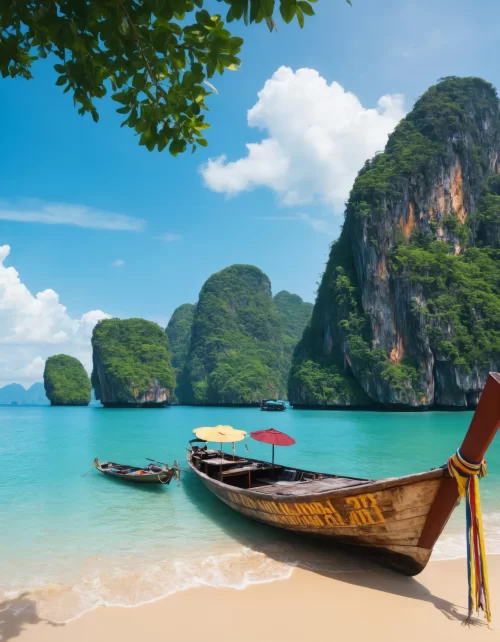
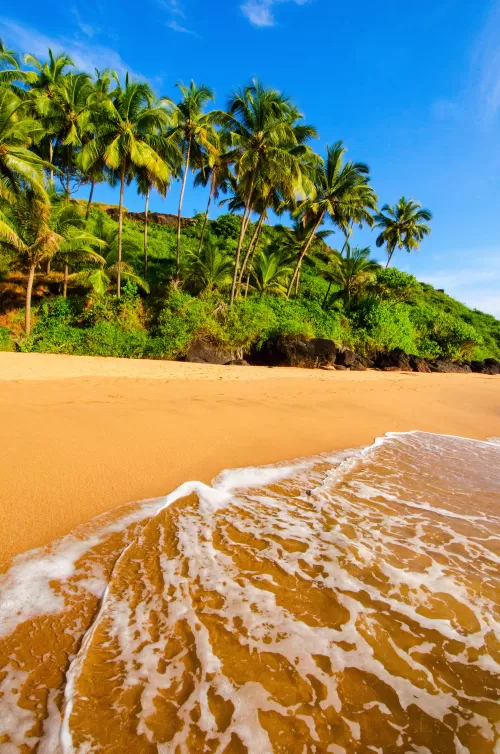

Which Beach in Andaman is Best for Swimming?
Andaman offers several beaches with calm waters, scenic surroundings, and suitable conditions for swimming, making them ideal for relaxation and safe coastal experiences.
+91 9910402252
admin@chalbanjare.com


Andaman’s coral reefs showcase vibrant underwater ecosystems with colourful marine life, clear waters, and unique snorkeling and diving experiences for nature and adventure lovers.
The coral reefs surrounding the Andaman Islands form one of the most valuable natural ecosystems in the Indian Ocean. Stretching around numerous islands, these living reefs support thousands of marine organisms while protecting coastlines from wave erosion and maintaining ecological balance throughout the archipelago. The warm tropical waters, stable marine environment, and relatively low industrial development have allowed many reef systems to remain healthy, making Andaman one of India's most important marine biodiversity regions.
Coral reefs are not simply colourful underwater formations but living communities built by tiny coral polyps over many years. As these colonies grow, they create complex reef structures that provide food, shelter, breeding grounds, and protection for fish, crustaceans, molluscs, sea turtles, rays, and countless other marine species. The survival of many underwater organisms depends directly on the health of these reefs, making them central to Andaman's marine ecosystem.
Understanding the ecological value of coral reefs helps visitors appreciate why conservation is so important. Every responsible traveller contributes to protecting these fragile ecosystems while enjoying one of the richest underwater environments found anywhere in India.
Coral formations create highly complex underwater environments that support an extraordinary variety of marine species. Their branching structures, caves, ridges, and reef walls provide countless hiding places where fish avoid predators, juvenile marine animals develop safely, and invertebrates establish permanent habitats. This structural diversity allows multiple species to coexist within relatively small reef areas, creating remarkable concentrations of marine life.
Different coral species support different marine communities. Hard corals create the physical reef framework, while soft corals, sea fans, and sponges increase habitat diversity. Reef ecosystems also support microscopic organisms that form the base of marine food chains, demonstrating how coral reefs influence nearly every level of underwater biodiversity throughout the Andaman Islands.
Without healthy coral reefs, much of Andaman's underwater biodiversity would decline significantly. Their ecological importance extends far beyond their visual beauty, making reef conservation essential for preserving the islands' remarkable marine environment.
The coral reefs of the Andaman Islands attract visitors from across India and around the world because they combine exceptional biodiversity with excellent opportunities for marine exploration. Snorkeling, scuba diving, glass-bottom boat rides, underwater photography, and marine education all revolve around these vibrant reef systems. Their accessibility near popular islands such as Havelock and Neil Island allows visitors of different experience levels to observe marine life in natural surroundings.
Unlike many coastal destinations where marine life is difficult to observe, Andaman offers relatively clear tropical water during much of the tourism season, allowing visitors to appreciate colourful coral formations and reef ecosystems with remarkable clarity. This combination of healthy reefs, professional marine tourism infrastructure, and diverse underwater habitats has made coral exploration one of the defining experiences of an Andaman holiday.
For many visitors, exploring Andaman's coral reefs becomes the highlight of the entire journey. The combination of natural beauty, marine biodiversity, and unforgettable underwater experiences makes these reefs one of the archipelago's greatest natural treasures.
Havelock Island, officially known as Swaraj Dweep, is widely recognised as the premier coral reef destination in the Andaman Islands. Its surrounding waters contain extensive reef systems supporting colourful hard corals, soft corals, reef fish, sea anemones, giant clams, and numerous marine invertebrates. Among the island's marine attractions, Elephant Beach is particularly famous because healthy coral gardens begin relatively close to the shoreline, allowing both snorkelers and scuba divers to explore vibrant reef ecosystems with minimal travel.
Professional diving centres based on Havelock organise guided snorkeling trips, introductory scuba diving sessions, certified recreational dives, and advanced diving expeditions to nearby reef systems. Depending on weather and sea conditions, visitors experience underwater landscapes ranging from shallow coral gardens to deeper reef formations that reveal the remarkable biodiversity of Andaman's marine environment.
Travellers seeking the most comprehensive coral reef experience should allocate several days to Havelock Island, where the combination of marine biodiversity and professional infrastructure creates exceptional opportunities for underwater exploration.
Neil Island, officially known as Shaheed Dweep, offers a quieter coral reef experience than neighbouring Havelock Island. Its reef systems are characterised by calm shallow waters, healthy coral formations, and relaxed marine environments that appeal particularly to snorkelers, recreational divers, and travellers seeking peaceful underwater exploration. The slower pace of tourism allows visitors to appreciate marine life without the larger crowds often found at more popular diving centres.
Several snorkeling locations around Neil Island provide opportunities to observe reef fish, branching corals, sea anemones, and other reef organisms under favourable sea conditions. The island's shallow reefs also benefit from strong natural sunlight, enhancing underwater visibility and making coral colours appear especially vibrant during clear weather.
Neil Island complements Havelock perfectly by offering a more tranquil style of reef exploration. Visitors combining both islands experience two distinct yet equally rewarding perspectives on Andaman's remarkable coral ecosystems.
Beyond Havelock and Neil Island, several additional destinations contribute to Andaman's reputation for coral reef tourism. North Bay, located near Port Blair, provides accessible coral viewing through snorkeling and glass-bottom boat rides, making it particularly suitable for shorter itineraries. Visitors based in the capital can comfortably experience coral reefs without travelling to the outer islands.
Other offshore reef systems around the archipelago provide specialised diving opportunities depending on sea conditions, weather, and operator schedules. Certain remote reefs remain relatively untouched and are visited primarily during organised diving expeditions. Together, these diverse reef locations allow travellers to experience a wide range of underwater environments while appreciating the extraordinary biodiversity that defines the Andaman Islands.
| Location | Main Coral Experience | Recommended Activity |
|---|---|---|
| Elephant Beach | Shallow coral gardens | Snorkeling and beginner scuba diving |
| Havelock Offshore Reefs | Extensive reef systems | Certified scuba diving |
| Neil Island | Peaceful coral environments | Snorkeling and recreational diving |
| North Bay | Accessible reef viewing | Glass-bottom boats and snorkeling |
Exploring multiple coral reef locations provides a broader understanding of Andaman's underwater diversity. Each destination offers unique reef structures, marine species, and exploration opportunities while reinforcing the importance of preserving these remarkable ecosystems.
Havelock Island, officially known as Swaraj Dweep, is home to some of the healthiest and most diverse coral reef systems in the Andaman Islands. The island's surrounding waters contain extensive hard and soft coral formations that have developed over many years, creating thriving underwater ecosystems supporting hundreds of marine species. Popular marine activity zones around Elephant Beach and offshore diving locations provide visitors with an opportunity to observe colourful coral gardens, reef slopes, underwater rock formations, and tropical reef habitats in their natural environment.
The coral reefs vary considerably depending on location and depth. Shallow reef flats are often dominated by branching and table corals, while deeper areas feature larger coral colonies, sea fans, sponges, and reef walls supporting more complex marine communities. These underwater landscapes constantly change with natural light, tides, and water movement, making every dive or snorkeling session slightly different from the previous one.
The diversity of coral formations around Havelock Island makes it one of India's finest marine destinations. Visitors exploring different reef locations gain a deeper appreciation of the remarkable underwater ecosystems that define the Andaman archipelago.
Havelock Island provides excellent opportunities for both snorkeling and scuba diving around its coral reefs. Beginners often begin with guided snorkeling sessions above shallow reef gardens where colourful fish and coral formations remain clearly visible from the surface. Calm sea conditions during the tourism season allow visitors to comfortably observe reef ecosystems while remaining close to the shoreline in designated marine activity areas.
Scuba diving opens access to deeper reef environments where divers encounter larger coral structures, reef walls, underwater pinnacles, and a broader range of marine species. Certified instructors guide both introductory and advanced dives, selecting suitable dive sites according to weather conditions, underwater visibility, and participant experience. This combination of shallow and deep reef exploration allows visitors of all skill levels to experience Havelock's exceptional underwater biodiversity.
Whether floating above coral gardens while snorkeling or exploring deeper reef systems through scuba diving, Havelock Island offers unforgettable opportunities to experience the richness of Andaman's marine environment in a safe and professionally managed setting.
Havelock Island has become the centre of coral reef tourism in the Andaman Islands because it combines exceptional natural conditions with well-developed diving infrastructure. The island's clear tropical waters, healthy reef systems, favourable weather during much of the year, and large number of certified diving operators allow visitors to experience coral ecosystems through activities suited to every level of experience.
Its accessibility also contributes to its popularity. Regular ferry services from Port Blair make Havelock easy to include within most Andaman itineraries, while accommodation ranges from budget guesthouses to luxury beach resorts located close to major marine activity areas. Together, these advantages have established Havelock as the preferred destination for travellers wishing to explore Andaman's coral reefs in depth.
Havelock Island continues to attract marine enthusiasts because it offers the ideal combination of accessibility, biodiversity, professional services, and outstanding coral reef environments. For many visitors, it becomes the highlight of their Andaman marine adventure.
Neil Island, officially known as Shaheed Dweep, offers a quieter and more relaxed coral reef experience than neighbouring Havelock Island. The island is surrounded by shallow reef systems that remain relatively undisturbed, allowing visitors to explore healthy coral habitats in peaceful surroundings. These marine environments support colourful reef fish, sea anemones, giant clams, sea cucumbers, and many other marine organisms that thrive within the coral ecosystem.
The island's calm coastal waters and gradual reef slopes make it particularly attractive for recreational snorkeling and beginner-friendly underwater exploration. Rather than focusing on larger tourism operations, Neil Island encourages visitors to appreciate the natural rhythm of island life while observing marine biodiversity in a less crowded environment. The tranquil atmosphere enhances the overall experience, allowing more time to enjoy both the reefs and the surrounding coastal landscapes.
Neil Island demonstrates that coral exploration does not always require busy marine activity centres. Its peaceful reefs provide an equally rewarding opportunity to experience Andaman's underwater biodiversity while enjoying a quieter island atmosphere.
Several reef locations around Neil Island are well suited for snorkeling because healthy coral formations remain visible beneath relatively shallow water. During favourable weather conditions, sunlight penetrates the clear tropical sea, illuminating coral gardens and enhancing the natural colours of reef fish and underwater landscapes. This excellent visibility allows even first-time snorkelers to observe marine life comfortably while remaining close to the surface.
Professional guides often accompany organised snorkeling sessions, helping visitors identify coral formations, reef fish, and other marine organisms while ensuring environmentally responsible behaviour. Since the reefs are relatively calm during the primary tourism season, snorkeling remains one of the most enjoyable ways to appreciate Neil Island's marine biodiversity without requiring scuba certification or advanced underwater skills.
Snorkeling around Neil Island allows visitors to experience coral reefs in a comfortable and accessible way while appreciating the remarkable diversity that exists just beneath the surface of the surrounding tropical waters.
Neil Island appeals particularly to travellers who value peaceful natural environments over high-energy adventure tourism. Its slower pace, smaller visitor numbers, and preserved coastal landscapes create an atmosphere where marine exploration becomes closely connected with nature rather than commercial activity. Visitors often combine snorkeling, beach walks, photography, and coral observation into relaxed full-day itineraries that reflect the island's tranquil character.
The island also serves as an excellent complement to Havelock within a multi-island itinerary. After experiencing Havelock's larger diving centres and more active marine tourism, many visitors appreciate Neil Island's quieter coral reefs and slower rhythm of exploration. Together, the two islands provide a balanced understanding of Andaman's remarkable underwater ecosystems.
Neil Island offers a distinctive coral reef experience where tranquillity, natural beauty, and marine biodiversity come together. Its peaceful underwater environments make it one of the finest destinations in the Andaman Islands for visitors seeking meaningful connections with nature.
Snorkeling is one of the simplest and most popular ways to explore the coral reefs of the Andaman Islands. Since many reef systems begin close to the shoreline, visitors can observe colourful coral formations and tropical fish while floating comfortably on the surface without requiring scuba certification. Calm tropical waters during the primary tourism season make snorkeling accessible to beginners, families, and travellers who wish to experience marine life without advanced training.
Locations such as Elephant Beach, Bharatpur Beach on Neil Island, and North Bay are especially well known for their shallow coral gardens. Professional guides provide basic safety instructions, snorkeling equipment, and assistance throughout organised excursions, allowing visitors to enjoy reef ecosystems responsibly while maintaining a safe distance from delicate coral formations.
Snorkeling introduces visitors to Andaman's remarkable coral ecosystems in a comfortable and environmentally responsible manner. It remains one of the best options for appreciating reef biodiversity while requiring very little previous experience.
Scuba diving allows visitors to experience coral reefs from within the underwater environment rather than observing them only from the surface. Guided dives explore deeper reef systems where larger coral colonies, reef walls, underwater pinnacles, sea fans, and complex marine habitats support an even greater diversity of marine life. Certified instructors accompany introductory dives while experienced divers can access more advanced reef locations depending on certification and daily sea conditions.
Havelock Island remains the primary destination for scuba diving because it offers numerous professional diving centres and access to many of the Andaman Islands' most famous reef systems. Neil Island and several offshore dive sites also provide rewarding underwater experiences, allowing divers to explore different coral formations, marine species, and underwater landscapes throughout their holiday.
Scuba diving provides one of the most immersive ways to appreciate Andaman's coral reefs. Spending extended time beneath the surface allows visitors to observe the complexity of reef ecosystems while developing a deeper appreciation for marine conservation.
Glass-bottom boat rides provide an excellent alternative for visitors who prefer not to swim or dive while still wishing to experience Andaman's coral reefs. These specially designed boats feature transparent viewing panels that allow passengers to observe coral formations, tropical fish, and underwater landscapes directly beneath the vessel. Since no swimming experience is required, glass-bottom boats make coral exploration accessible to travellers of all ages.
Popular destinations such as North Bay and Elephant Beach frequently offer organised glass-bottom boat excursions during favourable sea conditions. Experienced boat operators position vessels over healthy reef systems, allowing passengers to observe marine ecosystems comfortably while guides often explain the different coral formations and marine species visible beneath the surface.
| Activity | Suitable For | Main Experience |
|---|---|---|
| Snorkeling | Beginners and families | Surface-level coral exploration |
| Scuba Diving | Adventure travellers and certified divers | Deep underwater reef exploration |
| Glass-bottom Boat | All age groups | Coral viewing without entering the water |
Glass-bottom boat rides ensure that every visitor can appreciate Andaman's extraordinary coral reefs regardless of swimming ability or previous marine experience. They provide a comfortable introduction to the underwater world while supporting family-friendly marine tourism.
The quality of coral reef exploration in the Andaman Islands depends heavily on seasonal weather, underwater visibility, sea conditions, and tidal movement. Although coral reefs remain present throughout the year, visitors experience the clearest underwater conditions during periods of calm seas and stable tropical weather. Clear water allows snorkelers, scuba divers, and glass-bottom boat passengers to appreciate coral formations and marine life with much greater detail.
The main tourism season from October to May generally offers the most favourable conditions for reef exploration. During these months, reduced rainfall and calmer seas improve underwater visibility while creating comfortable conditions for snorkeling and scuba diving. The southwest monsoon usually brings stronger winds, rougher seas, and increased suspended particles that may temporarily reduce underwater clarity and occasionally affect marine activity schedules.
Choosing the right season significantly enhances the coral reef experience. Clear water not only improves visibility but also allows visitors to appreciate the intricate details of Andaman's remarkable underwater ecosystems.
October and November mark the beginning of favourable marine conditions following the monsoon season, making these months an excellent time to resume snorkeling and scuba diving activities. December through February generally provide some of the most comfortable weather of the year, attracting visitors interested in coral reef exploration, underwater photography, and marine wildlife observation.
March and April continue to offer excellent opportunities despite warmer daytime temperatures, while early May often remains suitable before seasonal weather gradually changes. During these months, travellers can comfortably combine snorkeling, scuba diving, glass-bottom boat rides, and beach activities across Havelock Island, Neil Island, Elephant Beach, and North Bay.
| Season | Reef Exploration Conditions | Visibility |
|---|---|---|
| October to November | Good and improving | Good |
| December to February | Excellent for marine activities | Excellent |
| March to April | Warm and stable | Very Good |
| May | Generally favourable | Good |
| June to September | Variable during monsoon | Often Reduced |
Visitors planning holidays focused on coral reefs should ideally schedule travel during the primary tourism season, when stable weather allows greater flexibility for exploring multiple marine destinations across the Andaman Islands.
Even during favourable travel months, daily weather remains an important consideration when planning coral reef excursions. Diving centres and snorkeling operators carefully evaluate wind direction, tidal movement, wave conditions, and underwater visibility before selecting activity locations. Certain reef sites may occasionally be replaced with more sheltered alternatives when offshore conditions become less suitable.
Morning excursions are often preferred because sea conditions are generally calmer and natural sunlight improves underwater visibility. Travellers should also allow flexibility within their itinerary to accommodate possible schedule changes caused by weather. Coordinating accommodation, ferry travel, and marine activities carefully helps maximise opportunities to experience Andaman's coral reefs under the best possible environmental conditions.
Successful coral reef exploration depends on combining seasonal planning with daily awareness of marine conditions. Flexible itineraries and responsible planning help visitors experience Andaman's remarkable underwater world safely while enjoying excellent visibility and comfortable sea conditions.
The coral reefs of the Andaman Islands support an extraordinary variety of tropical reef fish, making every snorkeling or scuba diving session a colourful underwater experience. Healthy coral formations provide shelter, breeding areas, and feeding grounds for numerous fish species that depend on the reef throughout different stages of their lives. Visitors commonly encounter butterflyfish, angelfish, parrotfish, surgeonfish, clownfish, damselfish, wrasses, triggerfish, and many other reef inhabitants moving through coral gardens.
Each reef location supports slightly different marine communities depending on coral type, water depth, current strength, and surrounding habitat. Some fish remain close to branching corals for protection, while others patrol open reef edges or sandy lagoons. The diversity of reef fish continually changes throughout the dive, ensuring that every underwater excursion offers new opportunities to observe different marine species in their natural environment.
Observing tropical reef fish highlights the remarkable ecological balance of Andaman's coral ecosystems. Their colours, behaviour, and diversity make coral exploration one of the most memorable experiences available throughout the islands.
Beyond colourful reef fish, the coral reefs of the Andaman Islands also provide habitat for several larger marine species. Sea turtles are among the most admired underwater animals and may occasionally be observed swimming gracefully above coral reefs or feeding within nearby seagrass beds. Rays, including stingrays and eagle rays, are sometimes seen gliding across sandy seabeds bordering coral formations, while octopus, cuttlefish, moray eels, sea cucumbers, and giant clams contribute further diversity to the reef ecosystem.
Although wildlife sightings vary naturally depending on location, weather, and season, healthy coral reefs create favourable conditions for many marine species to thrive. Professional dive guides often select reef sites according to recent marine activity, increasing opportunities to observe larger marine animals while maintaining safe and environmentally responsible distances.
Encountering larger marine species adds excitement to reef exploration, but every observation should be made respectfully. Maintaining a safe distance allows wildlife to behave naturally while ensuring visitors enjoy authentic marine experiences.
Coral reefs serve as the foundation for marine biodiversity throughout the Andaman Islands because they provide the habitat upon which countless marine organisms depend. Fish, crustaceans, molluscs, echinoderms, and many microscopic organisms rely on coral ecosystems for shelter, food, reproduction, and protection from predators. Without healthy coral reefs, much of the underwater biodiversity that attracts visitors to the islands would decline significantly.
The ecological relationships within coral habitats extend beyond individual species. Coral reefs connect with mangrove forests, seagrass beds, sandy lagoons, and open ocean ecosystems, allowing marine animals to move between habitats during different stages of their life cycles. Protecting coral reefs therefore safeguards not only reef organisms but the wider marine environment that supports Andaman's extraordinary biodiversity.
Understanding these ecological connections helps visitors appreciate why coral conservation remains essential. Every healthy reef contributes to the survival of thousands of marine organisms while maintaining the natural beauty that makes the Andaman Islands internationally recognised for marine exploration.
The coral reefs of the Andaman Islands provide exceptional opportunities for underwater photography because of their vibrant colours, diverse marine life, and relatively clear tropical waters. Healthy reef systems create visually striking underwater landscapes filled with branching corals, table corals, sea fans, rocky formations, and schools of tropical fish. Each dive site presents unique compositions that change with water depth, sunlight, and seasonal conditions, making every photography session different.
Popular marine destinations such as Havelock Island, Elephant Beach, Neil Island, and selected offshore reefs offer varied underwater scenery suited to both wide-angle reef photography and close-up images of coral structures and marine organisms. The diversity of coral formations encourages photographers to explore multiple reef locations throughout their visit in order to capture the full range of Andaman's underwater beauty.
Successful reef photography combines patience with responsible diving practices. Allowing marine ecosystems to remain undisturbed results in more natural images while helping preserve the fragile coral environments for future visitors.
Both snorkeling and scuba diving provide rewarding opportunities for photographing coral reefs, although each activity offers a different perspective. Snorkeling allows photographers to capture brightly illuminated shallow coral gardens where natural sunlight enhances underwater colours. Since shallow reefs receive abundant daylight, colourful fish and coral formations often appear particularly vivid without additional underwater lighting.
Scuba diving expands photographic possibilities by providing access to deeper reef systems, underwater walls, coral pinnacles, and larger marine species that remain beyond the reach of snorkelers. Many authorised diving operators also offer professional underwater photography and videography services, enabling visitors to concentrate on the experience while trained photographers document their underwater exploration using specialised camera equipment.
Selecting the appropriate activity depends on photography goals and underwater experience. Together, snorkeling and scuba diving provide complementary opportunities to document Andaman's remarkable coral ecosystems from different depths and viewpoints.
Underwater photography quality depends greatly on environmental conditions. Seasonal weather, water clarity, tidal movement, sunlight penetration, and suspended particles all influence how clearly coral reefs appear beneath the surface. During the main tourism season between October and May, many reef locations experience excellent visibility that allows photographers to capture colourful coral formations and marine life with remarkable detail.
Morning excursions often provide the most favourable lighting because calmer seas reduce suspended particles while natural sunlight penetrates shallow reef systems effectively. As water depth increases, colours gradually become less vibrant, making underwater lighting more important for advanced photography. Professional dive operators evaluate daily marine conditions before selecting dive sites, helping visitors maximise photographic opportunities under the best available conditions.
| Environmental Factor | Influence on Reef Photography |
|---|---|
| Clear weather | Improves underwater visibility and natural colours |
| Calm sea conditions | Reduces suspended particles |
| Morning sunlight | Enhances shallow reef illumination |
| Shallow reef depth | Produces brighter natural colours |
| Greater water depth | Reduces available natural light |
| Seasonal weather | Influences overall visibility |
Planning photography around favourable weather, sea conditions, and natural lighting greatly improves underwater image quality. Respecting coral ecosystems while photographing ensures these extraordinary reef environments continue thriving for future generations of visitors and marine life alike.
The coral reefs of the Andaman Islands are among the most valuable natural ecosystems in India. They support thousands of marine organisms, protect coastlines from wave erosion, contribute to healthy fisheries, and form the foundation of the islands' marine biodiversity. Although coral reefs appear strong, they are built by tiny living coral polyps that grow very slowly over many years. Even small amounts of physical damage can affect reef health and require decades for natural recovery.
Healthy coral ecosystems also play a significant role in sustaining tourism throughout the Andaman Islands. Activities such as scuba diving, snorkeling, underwater photography, and glass-bottom boat rides all depend on vibrant coral habitats. Conserving these reefs therefore benefits both marine wildlife and the local communities whose livelihoods are connected with sustainable tourism. Long-term protection ensures future visitors can continue experiencing the remarkable underwater world that has made Andaman internationally recognised for marine exploration.
Understanding the ecological value of coral reefs encourages visitors to explore them with greater care. Every responsible action taken underwater contributes to preserving one of the Andaman Islands' greatest natural treasures.
Responsible behaviour during snorkeling, scuba diving, and other marine activities helps minimise human impact on coral reefs. Visitors should avoid touching coral formations, standing on reefs, collecting shells, feeding marine animals, or attempting to chase wildlife for photographs. Even accidental contact may damage delicate coral colonies or disturb natural animal behaviour within these sensitive ecosystems.
Divers should maintain proper buoyancy throughout every dive to prevent unintended contact with reef structures, while snorkelers should remain aware of shallow coral areas beneath the surface. Professional dive operators routinely provide environmental briefings before activities begin, explaining simple techniques that allow visitors to enjoy marine life safely while protecting fragile underwater habitats.
Responsible underwater behaviour requires very little effort but has a lasting positive effect on reef conservation. Visitors who follow these practices help preserve the natural beauty and biodiversity of the Andaman Islands for future generations.
Every visitor plays an important role in protecting the Andaman marine ecosystem through simple, responsible travel choices. Selecting authorised diving operators that follow recognised environmental standards, reducing plastic waste, respecting protected marine zones, and participating only in well-managed activities all contribute to long-term reef conservation. Supporting environmentally responsible tourism businesses also encourages sustainable marine management throughout the islands.
Travellers can further contribute by learning about reef ecosystems before participating in underwater activities and sharing responsible travel practices with others. Developing an understanding of how coral reefs support marine biodiversity often inspires greater appreciation for conservation while encouraging visitors to become long-term advocates for protecting tropical marine environments.
Marine conservation is a shared responsibility involving visitors, local communities, tour operators, and conservation authorities. Responsible tourism allows everyone to enjoy the extraordinary coral reefs of the Andaman Islands while ensuring these remarkable ecosystems continue thriving far into the future.
One of the most common mistakes made by visitors is touching coral reefs out of curiosity or attempting to stand on shallow coral formations while snorkeling. Corals are living organisms with delicate outer structures that can be damaged by even brief physical contact. Broken coral colonies require many years to recover naturally, and repeated disturbance can gradually reduce the health of entire reef ecosystems.
Visitors should also avoid chasing fish, handling sea stars, disturbing sea turtles, or interfering with any marine wildlife for photography. Observing marine life from a respectful distance allows animals to behave naturally while protecting the ecological balance that makes Andaman's underwater environments so diverse and attractive.
Respecting coral reefs allows visitors to experience marine ecosystems without causing unnecessary damage. Simple responsible behaviour helps preserve Andaman's underwater biodiversity for future generations of travellers and marine life alike.
Ignoring safety and environmental instructions is another common mistake that can affect both visitor safety and reef conservation. Before snorkeling or scuba diving, professional operators conduct briefings explaining equipment use, underwater communication, designated activity zones, and responsible environmental practices. These guidelines are based on years of experience and are intended to ensure safe exploration while protecting delicate marine habitats.
Visitors should always wear properly fitted equipment, remain with their guide or instructor, and immediately report any discomfort during marine activities. Following established procedures allows participants to concentrate on enjoying coral reefs while minimising unnecessary risks caused by changing sea conditions or unfamiliar underwater environments.
Marine activity guidelines exist to protect both visitors and the reef ecosystem. Following them carefully creates safer, more enjoyable, and environmentally responsible underwater experiences throughout the Andaman Islands.
Selecting activities based only on the lowest price can lead to poor equipment, inadequate safety procedures, or limited environmental awareness. Authorised diving and snorkeling operators maintain equipment professionally, employ certified instructors, evaluate daily weather conditions, and provide complete environmental briefings before every marine excursion. Their experience helps ensure visitors enjoy coral reefs responsibly while maintaining high safety standards.
Reliable operators also organise activities according to participant experience levels, ensuring beginners remain in suitable reef areas while certified divers access more advanced underwater locations. Choosing experienced providers supports sustainable marine tourism while giving visitors greater confidence throughout every stage of their Andaman reef exploration.
Choosing experienced and responsible operators benefits both visitors and the marine environment. Professional guidance, quality equipment, and environmentally conscious practices create memorable coral reef experiences while supporting the long-term conservation of Andaman's underwater ecosystems.
Planning a coral reef holiday in the Andaman Islands begins with selecting the islands and marine activities that best match your interests. Havelock Island is the preferred destination for travellers seeking extensive scuba diving opportunities, professional dive centres, and vibrant coral reef systems. Elephant Beach offers excellent snorkeling and introductory diving experiences, while Neil Island provides quieter coral environments suited to visitors who prefer relaxed marine exploration. North Bay near Port Blair is ideal for travellers with limited time who still wish to experience coral reefs through snorkeling or glass-bottom boat rides.
The choice of activity is equally important. Beginners often enjoy guided snorkeling because it requires minimal preparation while still providing excellent views of shallow coral gardens. Adventure enthusiasts usually prefer scuba diving for deeper reef exploration, whereas families with young children or non-swimmers frequently choose glass-bottom boat rides that allow comfortable coral viewing without entering the sea. Matching activities with personal interests creates a more enjoyable and rewarding island experience.
| Travel Interest | Recommended Island | Best Activity |
|---|---|---|
| Scuba diving enthusiasts | Havelock Island | Certified and introductory scuba diving |
| First-time reef explorers | Elephant Beach | Guided snorkeling |
| Nature and relaxation | Neil Island | Snorkeling and peaceful reef exploration |
| Short-duration visitors | North Bay | Glass-bottom boat rides and snorkeling |
| Families | Neil Island and North Bay | Easy marine activities |
Selecting destinations according to travel style helps visitors experience the best of Andaman's coral reefs without unnecessary rushing. Each island contributes a unique perspective on the region's extraordinary underwater biodiversity.
Advance planning significantly improves coral reef experiences across the Andaman Islands. Travellers intending to focus on marine activities should schedule several nights on Havelock Island, where numerous dive centres provide access to multiple reef systems. Neil Island can then be included to experience quieter snorkeling locations and less crowded underwater environments. Booking accommodation near activity areas reduces travel time and allows greater flexibility if weather conditions require adjustments.
Marine activities are best planned during the primary tourism season from October to May when sea conditions generally remain calm and underwater visibility is at its highest. Ferry schedules, scuba diving sessions, snorkeling trips, and accommodation should be coordinated carefully, particularly during peak holiday periods when demand increases. Leaving some flexibility within the itinerary ensures visitors can adapt easily to daily sea and weather conditions while still enjoying quality reef exploration.
Well-organised itineraries allow travellers to explore several reef systems comfortably while reducing unnecessary travel between islands. Careful planning ensures more time can be spent enjoying the remarkable underwater environments that make the Andaman Islands internationally renowned.
Before beginning any coral reef activity, travellers should confirm weather forecasts, listen carefully to safety briefings, ensure snorkeling or scuba equipment fits correctly, and follow instructions provided by certified guides. Carrying drinking water, lightweight clothing, waterproof storage, reef-safe sun protection where appropriate, and necessary personal items improves comfort throughout the day. Visitors should also respect any temporary restrictions introduced because of sea conditions or conservation requirements.
Protecting coral reefs should remain a priority throughout every marine activity. Visitors should never touch living coral, collect shells or reef fragments, disturb marine animals, or leave litter on beaches or boats. Choosing authorised operators that maintain high environmental standards helps support sustainable tourism while preserving the fragile ecosystems that make the Andaman Islands one of India's finest destinations for underwater exploration.
The coral reefs of the Andaman Islands represent one of India's greatest natural treasures, offering unforgettable opportunities for snorkeling, scuba diving, marine photography, and underwater exploration. With careful planning, responsible travel practices, and respect for the marine environment, visitors can enjoy these extraordinary reef ecosystems while helping preserve them for future generations.

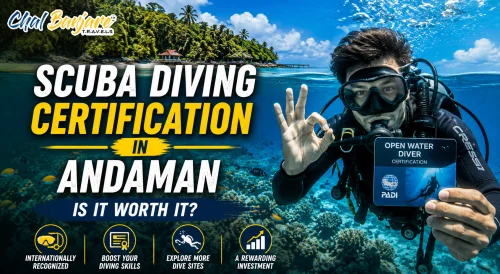
Get customized Andaman and Nicobar Islands tour planning designed around ferry schedules, island connectivity, seasonal sea conditions, and realistic travel flow between islands. Whether you are visiting for beach relaxation, water sports, snorkeling, scu
⚡ Quick Response | 💰 Free consultation | 🕒 24×7 expert support