Which Beach in Andaman is Best for Swimming?
Andaman offers several beaches with calm waters, scenic surroundings, and suitable conditions for swimming, making them ideal for relaxation and safe coastal experiences.
+91 9910402252
admin@chalbanjare.com


Andaman Islands offer stunning photography opportunities with white sand beaches, coral reefs, tropical forests, sunsets, mangroves, and remote island landscapes.
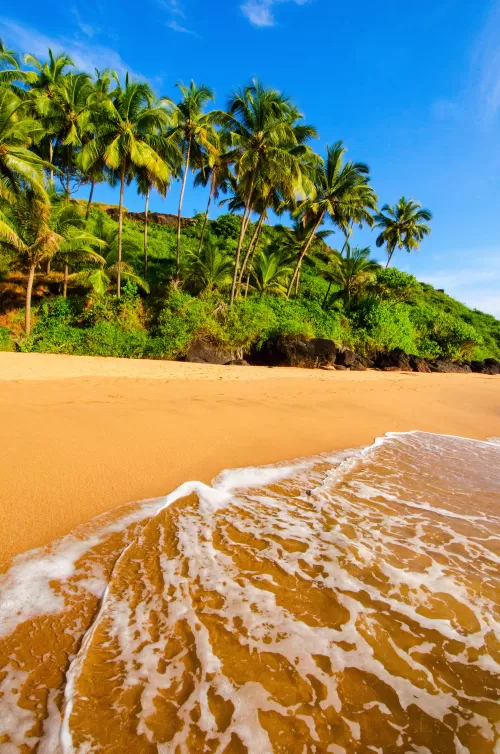
The Andaman Islands are renowned for their postcard-perfect beaches where soft white sand meets crystal-clear turquoise waters. Beaches such as Radhanagar Beach, Kalapathar Beach, Bharatpur Beach, Laxmanpur Beach, and several quieter coastal stretches provide photographers with exceptional opportunities to capture tropical scenery throughout the day. The contrast between the bright shoreline, emerald vegetation, and varying shades of blue creates visually striking compositions in almost every direction.
Morning and late afternoon generally provide the most comfortable conditions for photography. During these periods, softer natural light enhances the colors of the sea while reducing harsh shadows across the beach. Gentle waves, reflections on wet sand, and scattered clouds often add depth and texture to landscape photographs without requiring complex editing later.
Photographers should spend time exploring different sections of each beach rather than remaining in a single location. Coconut palms, driftwood, rocky formations, beach curves, and shallow lagoons provide natural foreground elements that create stronger compositions while emphasizing the tropical character of the islands.
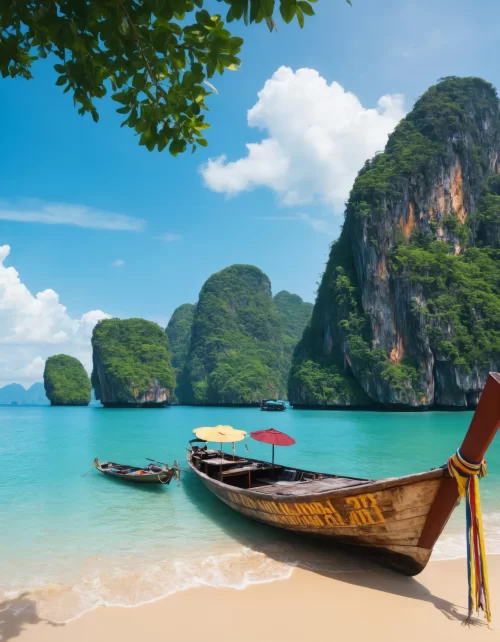
Beyond simply photographing the coastline, visitors can capture everyday island moments such as fishing boats anchored near the shore, beach walks, gentle waves, and changing tides. These details help create photographs that tell the complete story of an Andaman beach rather than focusing only on the scenery itself.
The Andaman Islands feature numerous coastal viewpoints that provide elevated perspectives overlooking beaches, forests, rocky shorelines, and the surrounding sea. These viewpoints allow photographers to capture the relationship between the islands' dense tropical vegetation and the expansive Bay of Bengal, creating dramatic panoramic images that cannot be achieved from beach level alone.
Different viewpoints offer varying photographic opportunities throughout the day depending on the direction of sunlight and surrounding landscape. Early mornings often provide calm seas and clear visibility, while evenings introduce warmer lighting that highlights coastal contours and tropical vegetation.
Exploring multiple viewpoints across Port Blair, Havelock Island, Neil Island, and North Andaman allows photographers to capture the remarkable diversity of the archipelago. Each island presents unique coastlines, cliff edges, forests, and beaches that contribute different visual elements to landscape photography.
Taking time to observe changing weather conditions before photographing these viewpoints often results in more dramatic skies, richer colors, and stronger overall compositions than simply photographing immediately after arrival.
While famous beaches remain popular among visitors, the Andaman Islands also offer numerous quieter coastal locations where photographers can work without large crowds entering the frame. These peaceful beaches provide uninterrupted opportunities to photograph natural landscapes, shoreline textures, reflections, and tropical vegetation in complete tranquility.
Photographers who venture slightly beyond the busiest sections of popular beaches often discover quieter stretches that offer equally impressive scenery. Early mornings and weekdays further increase the chances of finding nearly empty beaches where long exposure photography, landscape compositions, and drone-free wide-angle shots become much easier to capture.
The peaceful atmosphere also allows photographers to spend more time observing subtle changes in light, tide movements, cloud formations, and reflections across the water. These natural variations often create unique images that differ significantly from standard tourist photographs.
Respecting the natural surroundings while photographing these quieter beaches helps preserve their beauty. Remaining on designated paths, avoiding disturbance to wildlife, and leaving no waste behind ensures these locations remain pristine for future visitors and photographers alike.
The Andaman Islands offer extraordinary landscape photography opportunities where tropical forests, turquoise waters, white beaches, rocky coastlines, and distant islands combine to create spectacular panoramic views. Every island presents a slightly different landscape, allowing photographers to capture a diverse collection of coastal scenes throughout their journey.
Elevated viewpoints, ferry journeys between islands, and scenic coastal roads all provide opportunities to photograph the archipelago from different perspectives. Wide-angle compositions that include forests, beaches, coral-colored water, and the open sea effectively showcase the scale and beauty of the islands.
Weather conditions continually influence landscape photography across Andaman. Calm mornings often provide crystal-clear visibility, while scattered afternoon clouds create dramatic skies that add depth and character to panoramic images.
Photographers should explore multiple locations during different times of day to experience how changing light transforms the same landscape. Golden morning light, bright tropical afternoons, and colorful sunsets each produce completely different photographic results across the islands.
Beyond the beaches, the Andaman Islands are covered by dense tropical forests that contribute significantly to their natural beauty. Scenic viewpoints overlooking these forests provide photographers with opportunities to capture the contrast between vibrant greenery, winding coastlines, and the surrounding sea within a single composition.
Morning light filtering through the forest canopy often creates beautiful textures and layers that add depth to landscape photography. Elevated viewpoints overlooking forested hills also reveal how closely the islands' ecosystems connect with the coastline.
Photographers interested in natural landscapes should spend time exploring viewpoints that overlook both inland forests and coastal areas. This combination highlights the ecological diversity that makes the Andaman Islands one of India's most visually distinctive destinations.
Careful observation of changing weather, cloud movement, and light direction allows photographers to create more dynamic landscape images while emphasizing the natural beauty of the tropical environment.
The true beauty of the Andaman Islands lies in the diversity of their landscapes. Beaches, mangroves, forests, rocky shores, coral-rich waters, small islands, and coastal cliffs all contribute to an incredible variety of photographic subjects within relatively short travel distances.
Rather than focusing only on famous attractions, photographers should also explore lesser-known coastal roads, quiet beaches, ferry routes, and natural reserves where untouched scenery often produces equally rewarding images. These quieter landscapes frequently reveal the authentic character of the islands beyond the main tourist circuit.
Photographing different environments throughout the journey creates a more complete visual story of Andaman. Combining beach scenes with forests, mangroves, historical landmarks, and panoramic viewpoints results in a balanced travel photography collection.
Patience, careful composition, and a willingness to explore beyond the obvious locations often produce the most memorable landscape photographs while highlighting the remarkable natural diversity of the Andaman Islands.
Golden hour is one of the most rewarding times for photography in the Andaman Islands. During the period shortly before sunset, beaches such as Radhanagar Beach, Laxmanpur Beach, Kalapathar Beach, and several western-facing coastlines are illuminated by soft golden light that enhances the natural colors of the sea, sand, and surrounding vegetation. This balanced lighting creates ideal conditions for landscape photography while minimizing harsh shadows.
Arriving well before sunset allows photographers to observe how the light gradually changes across the shoreline. The combination of calm waves, long shadows, coconut palms, and gentle reflections on wet sand creates endless opportunities for creative compositions. Instead of photographing only the sunset itself, capturing the changing atmosphere before the sun reaches the horizon often produces equally striking images.
Photographers should also take advantage of foreground elements such as driftwood, beach rocks, fishing boats, footprints in the sand, and tropical vegetation. Including these natural subjects helps create depth and scale while making each photograph more visually engaging than a simple horizon shot.
Even after the sun has disappeared, the remaining twilight frequently produces beautiful pastel colors across the sky. Staying on the beach for another twenty to thirty minutes often rewards photographers with some of the day's most impressive lighting conditions.
The Andaman Islands overlook the Bay of Bengal, and the changing evening sky often becomes the main subject of sunset photography. Depending on cloud formations, humidity, and atmospheric conditions, the horizon may display brilliant shades of orange, crimson, pink, purple, and deep blue that reflect beautifully across the calm sea.
Photographers should avoid limiting their attention to the setting sun alone. Wide-angle compositions that include dramatic cloud formations, gentle waves, palm silhouettes, and reflections across the shoreline frequently produce more balanced and visually interesting images than tightly framed sunset photographs.
Changing weather conditions make every evening unique. Clear skies often produce bright golden sunsets, while scattered clouds create dramatic textures and richer color gradients. These constantly changing natural conditions ensure that no two sunset photographs in Andaman are exactly alike.
Observing the horizon patiently as colors continue evolving after sunset allows photographers to capture the full transition from daylight into twilight while showcasing the remarkable beauty of the Bay of Bengal coastline.
Finding the right viewpoint can dramatically improve sunset photography. Elevated coastal viewpoints, western-facing beaches, rocky headlands, and open shorelines provide wider perspectives that include both the tropical landscape and the expansive sea within a single composition.
Before setting up equipment, photographers should walk around the location to identify interesting foreground subjects such as leaning coconut trees, rocky formations, beach curves, or anchored fishing boats. These elements naturally guide the viewer's attention toward the colorful evening sky while adding depth and storytelling to the image.
Understanding local sunset timings also plays an important role in planning successful photography sessions. Reaching the location early provides time to adjust camera settings, explore different compositions, and observe how changing light interacts with the surrounding landscape before the most dramatic colors appear.
By combining careful planning, patience, and creative composition, photographers can capture sunset images that showcase not only the colorful sky but also the remarkable natural beauty that defines the Andaman Islands.
The Andaman Islands are among India's premier destinations for underwater photography, offering clear tropical waters, vibrant coral reefs, and an impressive diversity of marine life. Beneath the surface, photographers can capture colorful hard and soft corals, reef fish, sea anemones, starfish, and numerous other marine species that thrive within the islands' protected ecosystems.
Popular diving and snorkeling locations around Havelock Island, Neil Island, North Bay, and nearby reefs provide excellent opportunities for underwater photography. Calm water conditions and healthy coral formations often allow photographers to document the remarkable biodiversity found beneath the surface while maintaining excellent visibility.
Successful underwater photography depends on patience and careful observation rather than simply taking numerous photographs. Waiting for fish to naturally enter the frame, approaching coral reefs responsibly, and allowing marine life to behave normally often results in more authentic and visually appealing images.
Respecting coral ecosystems remains essential throughout every underwater photography session. Avoiding physical contact with reefs, maintaining proper buoyancy while diving, and following professional guidance help protect these fragile environments for future visitors and marine life alike.
Both scuba diving and snorkeling provide unique opportunities for underwater photography, although each offers a different perspective. Snorkeling allows photographers to capture shallow coral gardens, clear surface reflections, and marine life close to the water's surface, while scuba diving opens access to deeper reefs and more diverse underwater environments.
Certified diving operators often visit locations known for healthy coral ecosystems and good underwater visibility, allowing photographers to explore a wide variety of subjects throughout different depths. Each dive site presents unique photographic opportunities depending on coral formations, marine species, and natural lighting conditions.
Photographers should always prioritize safety above photography. Maintaining awareness of depth, air supply, dive procedures, and instructor guidance ensures a safe and enjoyable underwater experience while allowing sufficient time to concentrate on photography.
Whether using professional underwater camera equipment or waterproof action cameras, careful planning and responsible diving practices contribute to rewarding underwater photography throughout the Andaman Islands.
Water clarity is one of the most important factors influencing underwater photography. Calm sea conditions, minimal sediment movement, suitable weather, and good natural light all contribute to better underwater visibility and sharper images of coral reefs and marine life.
Photographers generally achieve the best results by staying close to their subjects while maintaining safe distances from reefs and marine animals. Shorter distances reduce the amount of water between the camera and the subject, producing clearer, more vibrant photographs.
Seasonal weather patterns, sea conditions, and underwater visibility naturally change throughout the year. Checking local diving conditions before planning photography sessions helps maximize the chances of capturing colorful reefs and healthy marine ecosystems under favorable conditions.
Patience, responsible diving practices, and respect for the underwater environment allow photographers to create remarkable images while helping preserve one of the Andaman Islands' greatest natural treasures.
While the Andaman Islands are widely recognized for their beaches, they are equally remarkable for their dense tropical forests, extensive mangrove ecosystems, and rich wildlife habitats. Large portions of the islands remain covered by evergreen forests that provide photographers with opportunities to capture towering trees, forest trails, freshwater streams, unique vegetation, and untouched natural landscapes that differ completely from the coastal scenery.
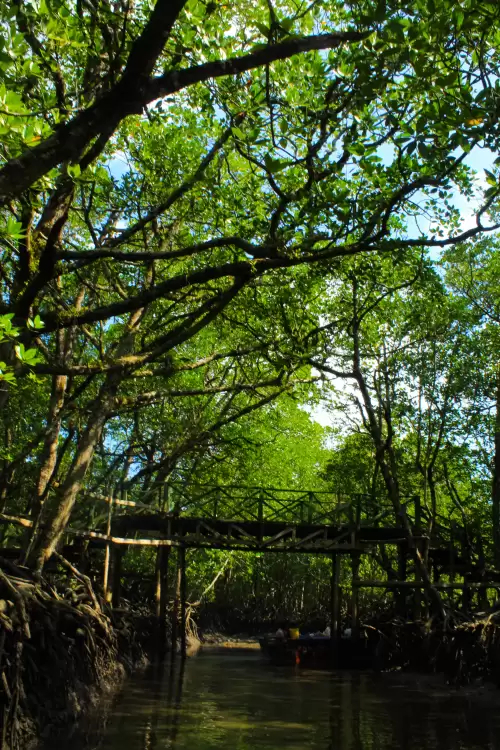
Mangrove forests found around sheltered creeks and coastal waterways create another fascinating photography environment. Their intricate root systems, calm reflections, and peaceful surroundings offer compositions that highlight the ecological diversity of the islands. Early mornings often provide the calmest conditions, allowing photographers to capture mirror-like reflections across the water.
Wildlife photography enthusiasts may also encounter various bird species, butterflies, reptiles, and other native wildlife while exploring forested areas and nature reserves. Patience, quiet observation, and maintaining an appropriate distance from wildlife allow photographers to document natural behavior without disturbing the environment.
Exploring both forests and mangroves provides a broader perspective of Andaman's biodiversity, enabling photographers to create a collection that extends far beyond beaches and sunsets while showcasing the islands' remarkable natural heritage.
The Andaman Islands support an impressive variety of tropical vegetation, coastal plants, flowering species, towering coconut palms, and dense rainforest ecosystems. This rich plant diversity creates countless opportunities for photographers interested in botanical subjects and natural landscape photography.
Photographing island flora becomes especially rewarding during the early morning when soft natural light highlights textures, colors, and fine details. Dew-covered leaves, forest pathways, vines, tropical flowers, and sunlight filtering through the forest canopy create visually striking compositions that reflect the islands' untouched character.
Combining close-up photography of native plants with wide landscape views helps tell a more complete visual story of the islands. The contrast between lush forests, rocky coastlines, mangroves, and turquoise waters demonstrates the ecological richness that defines the Andaman archipelago.
Responsible photographers should avoid disturbing vegetation or leaving designated walking trails while exploring sensitive natural areas. Preserving these environments ensures future visitors can continue experiencing the same remarkable natural beauty.
The Andaman Islands include several protected forests and nature reserves where photographers can experience quiet landscapes away from busy tourist beaches. These protected environments preserve native ecosystems and provide opportunities to photograph forests, wetlands, wildlife habitats, and untouched tropical scenery throughout different seasons.
Unlike coastal photography, nature reserves encourage slower exploration. Walking through forest trails, observing natural light filtering between trees, and waiting patiently for wildlife activity often produce more rewarding images than rushing from one viewpoint to another.
Changing weather conditions continuously influence forest photography. Soft overcast light often enhances green vegetation, while occasional sunbeams breaking through the canopy create dramatic contrasts that highlight the depth and texture of tropical forests.
Nature reserves remind visitors that the Andaman Islands are much more than beautiful beaches. Their protected ecosystems offer equally spectacular opportunities for photographers interested in biodiversity, conservation, and untouched natural landscapes.
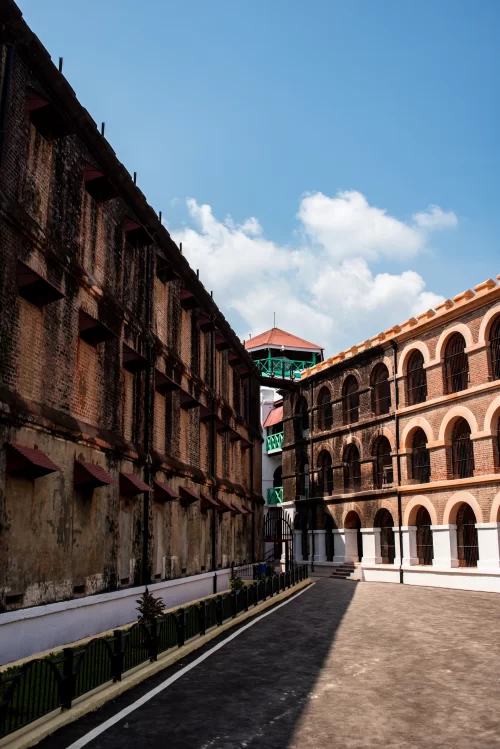
Beyond its beaches and natural landscapes, the Andaman Islands also preserve an important historical legacy through colonial-era buildings, monuments, museums, and heritage sites. These architectural landmarks provide photographers with opportunities to document a different side of the islands while combining history with artistic composition.
Historic structures display distinctive architectural styles, weathered textures, stone walls, arched corridors, and unique design elements that create compelling photographic subjects. Early morning or late afternoon lighting often enhances these details while producing softer shadows and richer colors across the buildings.
Rather than photographing entire structures alone, photographers can focus on smaller architectural features such as doorways, windows, staircases, courtyards, and historical textures that reveal the craftsmanship and character of these heritage sites. Including surrounding trees or landscaped gardens can further strengthen visual compositions.
Respecting site regulations, avoiding restricted areas, and maintaining appropriate behavior while photographing historical monuments helps preserve these important cultural landmarks for future generations.
Heritage locations across the Andaman Islands offer photographers an opportunity to blend architecture, history, and storytelling within a single image. These sites differ significantly from coastal landscapes and allow visitors to document an important chapter of the islands' historical development.
Photographers often find interesting compositions by combining architectural features with surrounding natural elements such as tropical trees, gardens, open courtyards, and changing light conditions. These combinations create balanced photographs that reflect both history and the island environment.
Black-and-white photography also works particularly well at many heritage locations because it emphasizes textures, stonework, symmetry, and architectural details without distraction from surrounding colors. Experimenting with different perspectives further enhances storytelling through photography.
Taking time to understand the historical significance of each location often inspires more meaningful photographs that communicate not only architectural beauty but also the cultural importance of the site.
Photography becomes even more meaningful when it captures the story behind a destination rather than only its appearance. Historical landmarks across the Andaman Islands provide excellent opportunities to document architecture, visitor experiences, cultural significance, and the passage of time within a single visual narrative.
Photographers can strengthen storytelling by including pathways, visitors, historical exhibits, surrounding landscapes, or carefully framed architectural details that naturally guide the viewer through the image. These thoughtful compositions often communicate the atmosphere of a place more effectively than simple documentary photographs.
Combining heritage photography with nearby coastal landscapes also demonstrates the remarkable diversity of the Andaman Islands, where natural beauty and historical significance coexist within relatively short travel distances.
Creating a balanced photography collection that includes beaches, forests, wildlife, and heritage sites allows visitors to document the complete travel experience while preserving meaningful memories of the islands.
The mangrove forests of the Andaman Islands provide an entirely different photography experience from the beaches and coral reefs that most visitors associate with the destination. Dense mangrove roots, narrow waterways, calm surroundings, and rich greenery create unique compositions that showcase one of the islands' most important natural ecosystems. These quiet environments are ideal for photographers seeking peaceful landscapes away from popular tourist areas.
Early morning is generally the best time to photograph mangroves because the water is often calmer and the soft natural light highlights the intricate network of roots, branches, and reflections. Gentle mist or low clouds can add another layer of atmosphere, making the scenery appear even more dramatic.
Wide-angle landscape photography works well in these environments, while telephoto lenses can isolate details such as birds, roots, or sunlight filtering through dense vegetation. Taking time to observe different angles helps photographers discover interesting patterns and natural textures throughout the mangrove forests.
Visitors should respect these fragile ecosystems by remaining on designated boat routes or walking trails and avoiding any disturbance to wildlife or vegetation. Responsible photography helps preserve these remarkable habitats for future generations.
Boat rides through Andaman's mangrove creeks offer constantly changing photographic opportunities as the scenery gradually unfolds around every bend. Calm water surfaces frequently mirror the surrounding trees, creating symmetrical reflections that add depth and balance to landscape photographs.
Moving through these waterways also allows photographers to document different aspects of the tropical ecosystem, including dense vegetation, naturally arching branches, birdlife, and changing light conditions throughout the journey. Every section of the creek presents new perspectives that cannot be appreciated from land.
Because boats continue moving during most excursions, photographers should prepare camera settings in advance and remain attentive to rapidly changing compositions. Keeping equipment ready allows visitors to capture fleeting moments such as birds taking flight or sunlight breaking through the forest canopy.
These peaceful boat journeys combine photography with nature observation, creating a rewarding experience that highlights one of the Andaman Islands' most ecologically significant environments.
Hidden creeks scattered across the Andaman Islands reveal peaceful landscapes that remain largely untouched by large-scale tourism. These narrow waterways, surrounded by dense tropical vegetation, offer photographers opportunities to capture intimate nature scenes that contrast beautifully with the islands' open beaches and coastal panoramas.
Each creek possesses its own character depending on surrounding forests, tidal conditions, vegetation density, and available natural light. Exploring these quieter locations encourages photographers to slow down, observe changing reflections, and appreciate subtle details that are often overlooked in busier tourist destinations.
Photographers interested in storytelling can combine images of winding waterways, traditional boats, mangrove roots, wildlife, and forest canopies to illustrate the remarkable diversity of the Andaman landscape. These scenes help create a more complete photographic record of the islands beyond the famous beaches.
Maintaining patience, respecting wildlife, and allowing the natural environment to remain undisturbed ensures that hidden creeks continue offering exceptional photography opportunities while preserving their ecological importance.
The Andaman Islands are exceptionally well suited for panoramic landscape photography because of their clear waters, white sand beaches, tropical forests, and numerous small islands scattered across the Bay of Bengal. Elevated viewpoints naturally provide sweeping views that showcase the remarkable geography of the archipelago without requiring aerial equipment.
Where drone photography is legally permitted and all applicable regulations are followed, aerial perspectives can reveal stunning patterns formed by coastlines, coral reefs, lagoons, forests, and beaches. These elevated views help photographers capture the scale and beauty of the islands in ways that are impossible from ground level.
Before planning aerial photography, visitors should always verify local regulations because drone operations may be prohibited or restricted in protected areas, near airports, military establishments, wildlife habitats, or other sensitive locations. Compliance with local rules is essential for responsible travel.
Even without drone photography, ferries, elevated viewpoints, and coastal hills provide numerous opportunities to capture wide panoramic landscapes that highlight the unique beauty of the Andaman Islands.
Several elevated viewpoints throughout the Andaman Islands provide spectacular panoramas overlooking beaches, forests, rocky coastlines, and the surrounding sea. These locations allow photographers to capture expansive landscapes that reveal how different natural environments connect across the islands.
Morning and evening generally provide the most favorable lighting for panoramic photography. Soft natural light enhances the textures of tropical forests, highlights the varying shades of blue across the sea, and creates greater depth within landscape compositions.
Photographers should take time to explore multiple viewpoints rather than relying on a single location. Different elevations, viewing angles, and lighting conditions produce unique compositions that showcase the remarkable diversity of Andaman's landscapes.
Using panoramic techniques or stitching multiple photographs together can also help create high-resolution landscape images that fully represent the scale and beauty of the islands.
Successful panoramic photography depends on choosing locations with open views, interesting foreground elements, and minimal visual obstructions. Beaches with broad shorelines, elevated hills, ferry routes, coastal viewpoints, and naturally open landscapes provide ideal opportunities for capturing wide-angle scenes across the Andaman Islands.
Photographers should also pay attention to weather conditions before planning panoramic sessions. Clear visibility, calm seas, and scattered clouds often create stronger compositions than completely overcast conditions, while changing light during sunrise and sunset adds dramatic color to the landscape.
Rather than photographing only the horizon, including beaches, forests, rocky formations, or coastal vegetation within the foreground helps create more balanced images that naturally guide the viewer through the entire scene.
Combining thoughtful composition, favorable weather, and patient observation allows photographers to produce panoramic images that accurately reflect the extraordinary natural beauty of the Andaman Islands.
The Andaman Islands offer photography opportunities throughout the year, but each season creates different visual conditions that influence landscape, beach, wildlife, and coastal photography. Selecting the right travel season depends on the type of images you hope to capture rather than simply choosing the most popular tourist months.
During the drier months, photographers generally experience clearer skies, calmer seas, and higher visibility that enhance beach landscapes, turquoise waters, and panoramic coastal photography. Bright tropical conditions highlight the vibrant colors that make the islands famous while providing excellent opportunities for sunrise, sunset, and aerial landscape photography.
The greener months present an entirely different character. Tropical vegetation becomes more vibrant, forests appear richer, waterfalls and streams become more active, and dramatic cloud formations often create moody landscape compositions. Nature photographers frequently appreciate these changing environmental conditions even though outdoor photography requires greater flexibility.
Understanding the strengths of each season allows photographers to plan itineraries that align with their creative goals. Whether focusing on beaches, forests, wildlife, or coastal scenery, every season reveals a different side of the Andaman Islands.
Natural lighting is one of the most important factors affecting photography across the Andaman Islands. Clear mornings often produce crisp landscapes with excellent visibility, while evenings provide soft golden light that enhances beaches, forests, and coastal viewpoints. Seasonal weather patterns also influence cloud cover, humidity, and sea conditions, creating different photographic opportunities throughout the year.
Photographers should remain flexible because tropical weather can change rapidly. Passing clouds, brief rain showers, and changing sunlight frequently transform ordinary scenes into dramatic landscapes within just a few minutes. Rather than avoiding these conditions, experienced photographers often use them creatively to capture unique images.
Monitoring weather forecasts before visiting specific locations helps improve planning, especially when photographing beaches, viewpoints, or underwater environments where visibility plays a significant role. Early departures also maximize opportunities to photograph landscapes before brighter midday sunlight becomes more intense.
Patience remains one of the greatest advantages for travel photographers. Waiting for changing light, cloud movement, or calmer sea conditions often produces stronger images than photographing immediately upon arrival.
Creating a photography-focused itinerary allows visitors to experience a wide variety of landscapes throughout the Andaman Islands. Instead of concentrating only on famous beaches, photographers can include forests, mangrove creeks, historical landmarks, coral reefs, viewpoints, and quieter islands to build a diverse travel portfolio.
Seasonal planning also influences the order in which destinations are visited. Beaches may be prioritized during periods of clear weather, while forests, mangroves, and cultural attractions remain rewarding throughout different seasons depending on local conditions and available light.
Photographers should allow sufficient time at each location rather than attempting to cover too many islands within a short itinerary. Spending additional hours at fewer destinations often results in better compositions because changing light continuously transforms the landscape throughout the day.
A carefully planned photography journey balances preparation with flexibility, allowing travelers to respond to changing weather while fully appreciating the remarkable natural diversity that makes the Andaman Islands one of India's finest travel photography destinations.
The Andaman Islands offer an extraordinary variety of photography opportunities, making it important to select destinations that match your individual interests. Landscape photographers may prioritize panoramic beaches and coastal viewpoints, wildlife enthusiasts can focus on forests and mangrove ecosystems, while underwater photographers may spend more time exploring coral reefs and marine life around the islands.
Rather than trying to photograph every attraction, travelers often achieve better results by concentrating on a smaller number of carefully selected locations. Spending additional time observing changing light, weather, tides, and natural activity frequently produces stronger photographs than visiting numerous destinations within a limited schedule.
Each island contributes something unique to a photography itinerary. Havelock Island is renowned for beaches and sunsets, Neil Island offers peaceful coastal scenery, Port Blair combines history with waterfront landscapes, while North Andaman presents remote forests and lesser-explored natural environments.
Choosing destinations according to your preferred photography style creates a more rewarding experience while allowing you to document the remarkable diversity that defines the Andaman archipelago.
A successful photography itinerary should balance travel time with sufficient opportunities for exploration. Scheduling sunrise, daytime, golden hour, sunset, and even twilight photography across different islands allows visitors to experience the changing character of the landscape under a variety of natural lighting conditions.
Including beaches, forests, mangroves, historical sites, viewpoints, and underwater experiences within the itinerary creates a more complete visual story of the Andaman Islands. This balanced approach produces a diverse photography portfolio while showcasing the destination's remarkable ecological and cultural richness.
Keeping flexible time within the itinerary is equally important because weather conditions often influence photography opportunities. Allowing extra time at important locations improves the chances of capturing exceptional light or unique natural moments that cannot be predicted in advance.
Carefully planned photography journeys often result in fewer locations but significantly stronger images, allowing travelers to return home with meaningful visual memories rather than simply a large number of photographs.
Before beginning your photography journey, check local weather forecasts, confirm ferry schedules, carry sufficient camera batteries and memory cards, protect equipment from sand and sea spray, and pack lightweight clothing suitable for the tropical climate. Preparing equipment properly allows photographers to concentrate fully on capturing the beauty of the islands.
Visitors should also respect local communities, wildlife habitats, protected forests, and marine ecosystems while photographing. Avoid disturbing wildlife, remain on designated paths where required, and always follow regulations related to heritage sites, protected areas, and drone usage.
Patience, careful observation, and respect for the natural environment are often more valuable than expensive equipment. Taking time to understand each location, waiting for changing light, and exploring different perspectives frequently results in the most memorable photographs.
With thoughtful planning and responsible travel practices, photographers can create a remarkable visual collection that captures the beaches, forests, marine life, history, and tropical beauty that make the Andaman Islands one of India's finest photography destinations.


Get customized Andaman and Nicobar Islands tour planning designed around ferry schedules, island connectivity, seasonal sea conditions, and realistic travel flow between islands. Whether you are visiting for beach relaxation, water sports, snorkeling, scu
⚡ Quick Response | 💰 Free consultation | 🕒 24×7 expert support