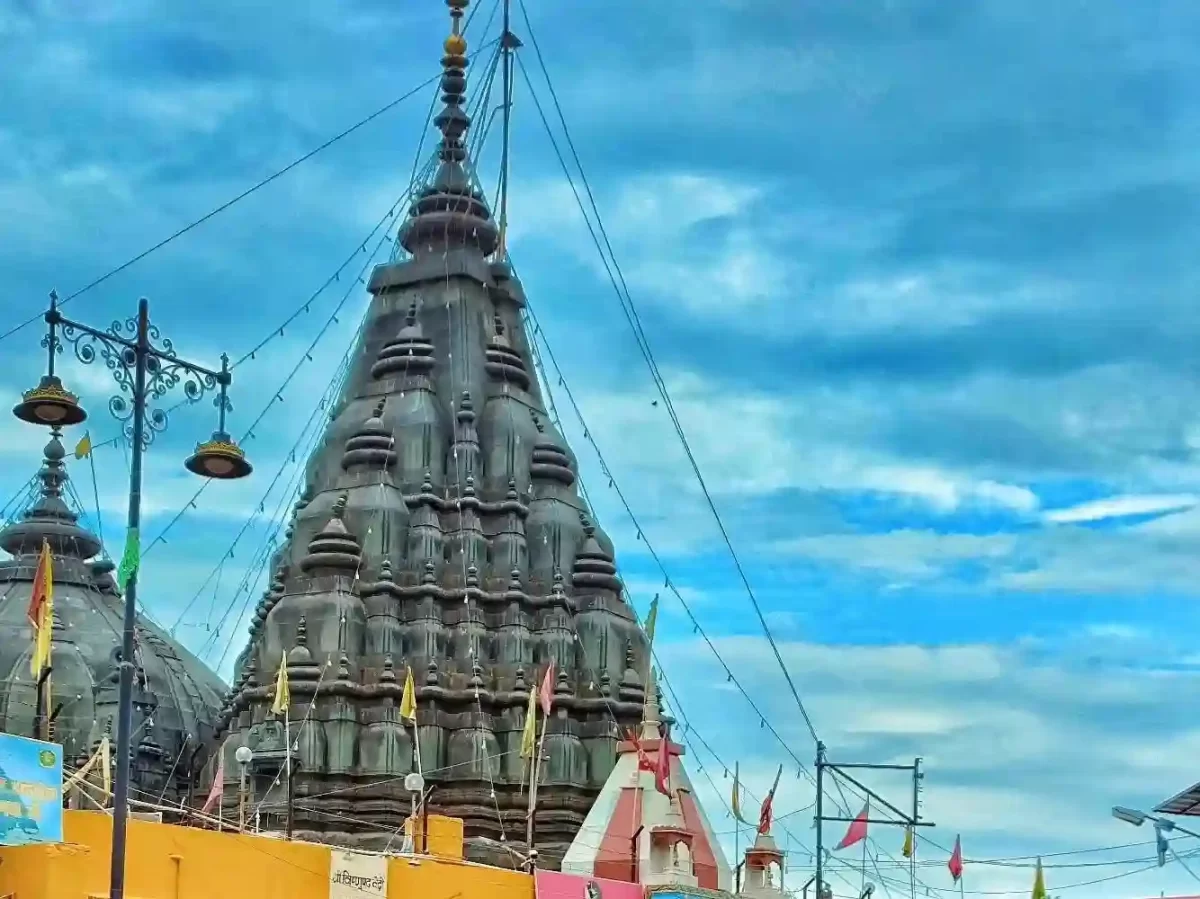
Shri Vishnupad Temple Gaya – Timings, History & Pilgrimage Guide

Shri Vishnupad Temple , Gaya
Shri Vishnupad Temple is one of the most revered temples in Bihar, located on the banks of the Phalgu River in Gaya. Dedicated to Lord Vishnu, the temple is especially famous for the sacred footprint (Vishnupad) believed to be imprinted on a stone inside the sanctum. The temple holds immense spiritual significance for Hindus, as Gaya is considered one of the most important places in India for performing ancestral rituals like Pind Daan and Shraddha. Built in traditional North Indian temple style, the Vishnupad Temple attracts thousands of devotees throughout the year, especially during Pitru Paksha Mela, making it a major religious and cultural landmark of Gaya.

Quick Facts About Shri Vishnupad Temple

Quick Facts About Shri Vishnupad Temple

Entry Fee ?0 (Free entry for all devotees; special puja and Pind Daan rituals have separate charges)
Timings 6:00 AM – 7:00 PM (Temple may remain open longer during festivals and Pitru Paksha)
Altitude (m) Approx. 110 – 115 m above sea level
Ideal Visit Duration 45 minutes – 2 hours (darshan + temple rituals; longer if performing Pind Daan)
Best Time of Day Morning (6:00 AM – 9:00 AM) for peaceful darshan and less crowd
Crowd Level Moderate on normal days, Very High during Pitru Paksha Mela and major Hindu festivals
Distance from City Centre (km) Approx. 1 – 2 km from central Gaya (near Phalgu River area)
Walking Difficulty Easy to Moderate (short walking, but narrow lanes and steps near temple entrance)
Parking Available Limited parking available nearby (vehicles may need to park at a distance due to narrow lanes)
Last Mile Access Good (e-rickshaws, autos, and local transport available; final approach may require short walk)
Suitable for Kids Yes, suitable (religious and cultural experience, but crowds can be heavy during peak season)
Suitable for Seniors Yes, suitable (but crowd and steps may require assistance during festival times)
Wheelchair Friendly No (limited accessibility due to narrow entry lanes, steps, and crowded temple pathways)

Why Visit Shri Vishnupad Temple

Shri Vishnupad Temple in Gaya is one of the most sacred pilgrimage destinations in India and holds immense importance for devotees of Lord Vishnu. This temple is especially famous because it is believed to house the sacred footprint of Lord Vishnu, making it a spiritually powerful place for worship and blessings. People from all parts of India visit Vishnupad Temple not only for darshan but also to experience the divine energy of Gaya, which is considered one of the holiest cities for Hindu rituals and salvation.

The atmosphere of the temple is deeply devotional and spiritual. The sound of temple bells, chanting of mantras, and the continuous flow of pilgrims creates a sacred environment that feels uplifting and peaceful. Located near the Phalgu River, the surroundings add to the religious charm, and the temple remains active throughout the day with devotees performing prayers and traditional rituals. During Pitru Paksha season, the entire area becomes highly energetic and filled with a strong spiritual aura as thousands of families come to perform ancestral rites.

What makes Shri Vishnupad Temple truly special is its unmatched religious significance connected with Pind Daan and Shraddha rituals. Gaya is one of the most important places in Hinduism for performing rituals for ancestors, and Vishnupad Temple is the central point for these sacred ceremonies. The temple’s ancient architectural style, religious legends, and the belief that prayers offered here help ancestors attain peace and moksha make it a once-in-a-lifetime spiritual destination. For pilgrims, cultural travellers, and those seeking a meaningful religious experience, Vishnupad Temple is a major must-visit attraction in Bihar.

History of Shri Vishnupad Temple

Shri Vishnupad Temple in Gaya is one of the most ancient and sacred temples dedicated to Lord Vishnu in India. The temple is believed to be built on the exact spot where Lord Vishnu placed his foot on the demon Gayasur, according to Hindu mythology. The main attraction inside the sanctum is the sacred footprint of Lord Vishnu, known as the Vishnupad, which is imprinted on a solid stone and is worshipped by devotees as a divine symbol of protection and salvation.

The present structure of the temple is believed to have been rebuilt in the 18th century by Ahilyabai Holkar, the revered queen of Indore, who contributed significantly to restoring and developing many important Hindu temples across India. The temple is constructed in traditional North Indian style with a tall shikhara (tower), beautifully carved pillars, and a sacred inner chamber where rituals are performed daily by priests.

Shri Vishnupad Temple holds exceptional religious importance because Gaya is considered one of the most powerful pilgrimage centres for performing ancestral rituals such as Pind Daan and Shraddha. It is believed that performing these rituals at Vishnupad Temple helps ancestors attain peace and liberation. Because of this spiritual belief, the temple continues to attract thousands of pilgrims throughout the year, and during Pitru Paksha Mela it becomes one of the most visited religious sites in Bihar.

Best Time to Visit Shri Vishnupad Temple

The best time to visit Shri Vishnupad Temple in Gaya is during the winter and pleasant months when the weather is comfortable for temple darshan and nearby sightseeing. Since Gaya experiences hot summers, winter season is ideal for pilgrims and tourists who want a peaceful spiritual visit without heat discomfort. The temple remains open throughout the year, but the most spiritually significant time is during Pitru Paksha, when thousands of devotees visit Gaya to perform Pind Daan rituals for their ancestors. Early mornings are best for a calm darshan experience, while evenings offer a beautiful devotional atmosphere with temple prayers.

  • Best Season: October to March is the most comfortable time due to cool and pleasant weather.
  • Spiritual Peak Season: Pitru Paksha (usually September/October) is the most important time for Pind Daan and ancestral rituals.
  • Best Time of Day: Early morning (6:00 AM – 9:00 AM) for peaceful darshan and shorter queues.
  • Evening Visit: Late afternoon and evening hours are good for a calm atmosphere and devotional prayers.
  • Summer Tip: April to June can be very hot in Gaya, so visit only during early morning or evening hours.
  • Monsoon Note: July to September brings humidity and rain; travel may be less convenient but temple visits remain possible.
  • Festival Time: Major festivals like Diwali, Ram Navami, and Vishnu-related celebrations attract more devotees and crowd.

How to Reach Shri Vishnupad Temple

  • By Air: The nearest airport is Gaya International Airport, located around 8–12 km from Shri Vishnupad Temple. From the airport, visitors can easily hire a taxi or cab to reach the temple within 20–30 minutes.
  • By Train: The nearest railway station is Gaya Junction (GAYA), which is well-connected to major cities like Patna, Kolkata, Delhi, Varanasi, and Ranchi. The temple is located about 3–5 km from the railway station and can be reached by auto-rickshaw, e-rickshaw, or taxi within 10–20 minutes.
  • By Road: Gaya is well-connected by road with cities like Patna, Bodh Gaya, Nalanda, and Rajgir. Regular buses and private taxis are available. Visitors traveling by car can easily reach the temple area using city roads and highway connections.
  • From Bodh Gaya: Shri Vishnupad Temple is around 12–15 km from Bodh Gaya. Tourists staying in Bodh Gaya can reach the temple by taxi or auto-rickshaw in approximately 30–40 minutes.
  • By Local Transport: Local transport such as e-rickshaws, cycle rickshaws, auto-rickshaws, and cabs are easily available throughout Gaya. The temple is a major landmark, so drivers can take you directly.
  • Last Mile Access: The temple is located near the Phalgu River and the approach includes narrow market lanes. Vehicles may need to stop slightly before the entrance, and visitors may have to walk a short distance to reach the main temple gate.

What to Expect When You Visit Shri Vishnupad Temple

  • Powerful Spiritual Atmosphere: Shri Vishnupad Temple offers a deeply devotional environment where pilgrims experience peace, faith, and a strong spiritual connection. The sound of chanting, bells, and prayers creates a sacred vibe throughout the temple complex.
  • Darshan of Lord Vishnu’s Sacred Footprint: The main highlight of the temple is the sacred footprint (Vishnupad) believed to be of Lord Vishnu. Devotees come here to worship this holy symbol and seek blessings for prosperity and salvation.
  • Rituals and Pind Daan Ceremonies: Visitors will witness continuous Hindu rituals, especially Pind Daan and Shraddha ceremonies performed for ancestors. This is one of the most important reasons people visit Gaya, and the temple is central to these sacred traditions.
  • Busy Pilgrim Movement: The temple remains active and crowded throughout the day. During peak religious seasons like Pitru Paksha, expect heavy crowds, long queues, and a very lively atmosphere.
  • Traditional Temple Architecture: You can expect to see beautiful North Indian style temple architecture with a tall shikhara, carved pillars, and a sacred inner sanctum that feels ancient and powerful.
  • Nearby Phalgu River Connection: The temple is located close to the Phalgu River, and many devotees also visit the river banks for ritual bathing and ancestral offerings, adding to the spiritual experience.
  • Local Priest Guidance: The temple area has traditional priests (pandas) who guide devotees for rituals. Visitors performing Pind Daan can expect detailed ceremonial procedures that may take additional time.
  • Market and Pilgrim Area: Around the temple, you will find local markets selling flowers, prasad, puja items, and religious souvenirs. The surrounding lanes are narrow and busy, especially during peak hours.
  • Peaceful Morning Darshan: If you visit early morning, you can expect a calmer and more peaceful darshan experience, with less crowd and a more spiritual atmosphere.

Important Visitor Information for Shri Vishnupad Temple

  • Crowd & Weather Notes: Shri Vishnupad Temple is one of the busiest pilgrimage sites in Bihar, attracting devotees throughout the year. The weather is most comfortable from October to March, while summers can be hot and humid. During Pitru Paksha season, the temple becomes extremely crowded due to large-scale ancestral rituals.
  • Pitru Paksha Crowd Alert: During Pitru Paksha (usually September/October), the temple receives lakhs of pilgrims. Expect long queues, heavy crowd movement, and higher hotel prices in Gaya during this time.
  • Peak Hours: The busiest hours are generally 8:00 AM – 1:00 PM, especially when most pilgrims arrive for darshan and rituals. Weekends and festival days are also highly crowded.
  • Quiet Hours: The best time for peaceful darshan is 6:00 AM – 8:00 AM on weekdays, when the temple atmosphere is calm and the crowd is minimal.
  • Dress Code: Visitors should wear traditional and modest clothing as this is a highly sacred temple. Men often wear dhoti/kurta or simple clothes, while women prefer saree/salwar suit. Avoid short dresses and sleeveless clothing.
  • Footwear Rule: Footwear is strictly not allowed inside the temple. Shoe stands are available outside, so it is best to wear easy-to-remove sandals or slippers.
  • Safety Notes: Keep your valuables safe, especially during crowded seasons. The temple area has narrow lanes and busy market streets, so pickpocketing risk can increase during peak pilgrimage time.
  • Ritual Guidance Tip: If you are visiting for Pind Daan, it is recommended to consult authorized local priests (pandas) and confirm ritual charges in advance to avoid confusion.
  • Weather Safety: During summer, carry water bottles and stay hydrated. In monsoon, the temple surroundings can get slippery, so wear footwear with good grip.
  • General Visitor Discipline: Maintain silence inside the sanctum, avoid rushing in queues, and respect religious sentiments. Photography may be restricted inside the main temple area.

Photography and Viewpoint at Shri Vishnupad Temple

  • Best Photography Experience: Shri Vishnupad Temple is a highly sacred pilgrimage site and also a visually impressive temple known for its tall shikhara (tower), traditional architecture, and spiritual surroundings near the Phalgu River.
  • Best Time for Photography: The best time to capture photos of the temple exterior is during the early morning when sunlight is soft and the crowd is minimal. Evening hours are also good when the atmosphere becomes devotional and the temple surroundings look vibrant.
  • Temple Architecture Shots: Visitors can take beautiful photographs of the temple entrance, carved stone design, and the towering structure that reflects classic North Indian temple architecture. Wide-angle shots from a distance provide the best view of the full temple.
  • Phalgu River Viewpoint: The temple is located close to the Phalgu River, and visitors can enjoy scenic viewpoints near the river banks. The river area is an important part of the pilgrimage experience and provides a peaceful background for cultural photography.
  • Religious Atmosphere Frames: The surroundings of the temple, including devotees performing rituals, priests chanting mantras, and the busy temple courtyard, create powerful cultural and spiritual photography moments, especially during festival seasons.
  • Pitru Paksha Photography View: During Pitru Paksha, the temple area becomes one of the most active religious sites in India. The crowd and rituals create a unique spiritual scene, but photography may be restricted in sensitive ritual areas.
  • Photography Rules & Respect: Photography inside the sanctum and near the Vishnupad footprint is usually restricted. Visitors should follow temple rules, avoid using flash, and respect devotees during prayers and rituals.
  • Best Spots for Pictures: The best photo spots include the temple entrance area, outer courtyard, nearby lanes with temple views, and the Phalgu River side where you can capture the temple’s spiritual environment from a wider angle.
  • Travel Reels & Cultural Content: The temple surroundings, river-side rituals, and traditional pilgrim activities make this place ideal for cultural travel content, documentary photography, and heritage storytelling.

Near By Attraction

Frequently Asked Questions About Shri Vishnupad Temple

Loved this place ? Let’s Plan Your Bihar Trip

Get customized Bihar tour planning designed around spiritual circuits, seasonal weather comfort, road travel flow, and realistic pacing between heritage regions. Whether you are visiting for Buddhist sites, Jain pilgrimage journeys, historical landmarks,

⚡ Quick Response | 💰 Free consultation | 🕒 24×7 expert support

×

Plan Your Trip