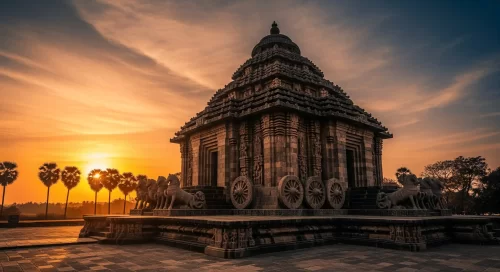
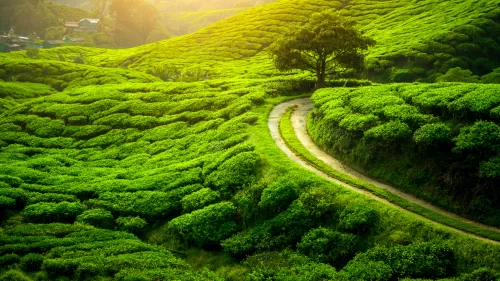
What Makes Bihar a Unique Travel Region
Bihar carries a civilizational depth that few regions can match, shaped by river plains, ancient learning centers, and enduring spiritual traditions. The fertile geography along major rivers supported early kingdoms, philosophical movements, and social reform that continue to influence daily life. Travel here is not fast-paced; it is reflective and rooted in history that feels lived rather than displayed. Cultural values emphasize simplicity, community bonds, and intellectual heritage, making journeys through Bihar deeply meaningful for travelers seeking substance over spectacle.
- Geography: Expansive river plains that supported early civilizations and agriculture
- Culture: Strong spiritual, intellectual, and community-centered traditions
- Travel vibe: Reflective, heritage-driven, and culturally grounded
- Distinct experience type: Historically significant journeys centered on faith and learning
Popular Tourist Circuits Across Bihar
Travel across Bihar is structured around cultural belts and historical clusters connected by road and rail networks. Distances between major regions are manageable but require realistic time planning due to traffic conditions and seasonal weather variations. Summers can be intense, while winters offer more comfortable travel days. Most visitors organize their journey around spiritual heritage zones, ancient academic landscapes, and rural river plains. A well-paced plan of five to seven days allows meaningful exploration without rushing between historically significant regions.
| Circuit Type |
Areas Covered (generic descriptions only, no place names) |
Ideal Duration (realistic and safety based) |
Travel Style |
| Buddhist Heritage Circuit |
Ancient monastic sites, meditation landscapes, and archaeological remains |
4–5 days |
Reflective cultural travel with guided historical interpretation |
| Spiritual & Riverfront Circuit |
Sacred riverbank towns and devotional centers |
3–4 days |
Faith-oriented travel with ritual-based early mornings |
| Ancient Learning & History Circuit |
Ruins of historic universities, museums, and heritage structures |
3–4 days |
Educational exploration with moderate road transfers |
| Rural & Cultural Landscape Circuit |
Countryside settlements, river plains, and traditional craft regions |
3–5 days |
Slow-paced travel focused on everyday life and local traditions |
Best Time to Travel to Bihar
Plan your Bihar visit based on your comfort with temperature shifts and your interest in spiritual journeys, heritage exploration, and cultural gatherings.
| Season |
Months |
Weather Conditions |
Travel Suitability |
| Winter |
October to February |
Cool to pleasant days with comfortable evenings and clearer skies. |
Most suitable time for temple visits, heritage sites, walking tours, and spiritual exploration. |
| Summer |
March to June |
High daytime temperatures with dry heat across most regions. |
Best for travelers comfortable with warm weather and planning shorter outdoor schedules. |
| Monsoon |
July to September |
Seasonal rainfall bringing greener landscapes and humid conditions. |
Ideal for travelers who prefer a calmer travel atmosphere and refreshed natural surroundings. |
How Travelers Usually Explore Bihar
Travel in Bihar typically begins through its major airport or well-connected railway junctions, after which visitors move toward spiritual or heritage-focused base cities. From these bases, exploration unfolds region-wise, as important sites are spread across different districts. Travel pacing is usually steady and thoughtfully planned, allowing time for cultural immersion, guided visits, and comfortable road transfers between destinations.
- Road travel connects pilgrimage circuits and historical regions across the state.
- Rail connectivity is extensive and serves as a practical way to reach major cities.
- Local transport includes taxis, auto-rickshaws, cycle-rickshaws, and regional buses.
- Travelers often follow structured multi-day circuits, while shorter visits focus on concentrated day explorations from a central base.
Culture, Food & Everyday Life in Bihar
Life in Bihar is shaped by fertile river plains, agrarian rhythms, and a climate that moves from intense summers to cool winters and monsoon rains. Agriculture and small-scale trade influence daily schedules, with early mornings and community-centered evenings forming a natural routine. Social behavior often reflects strong respect for elders, deep-rooted family bonds, and a value system built around tradition, education, and faith. Conversations are expressive and warm, and hospitality is usually offered with sincerity rather than formality. Food habits are practical and nourishment-focused, relying on locally grown grains, pulses, and seasonal vegetables that provide sustained energy for physically active lifestyles. Meals tend to be simple yet filling, shaped by availability and climate needs. Travelers often experience a grounded, culturally layered atmosphere where resilience, heritage, and everyday simplicity define the emotional rhythm of daily life.
- River-plain lifestyle guided by agricultural cycles
- Strong family values and tradition-oriented social structure
- Simple, energy-focused seasonal food habits
- Community-centered pace with deep cultural roots



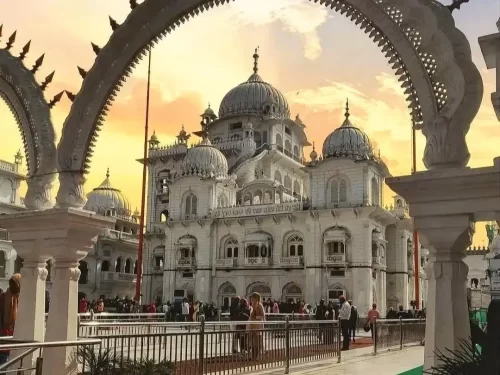 Gurudwara
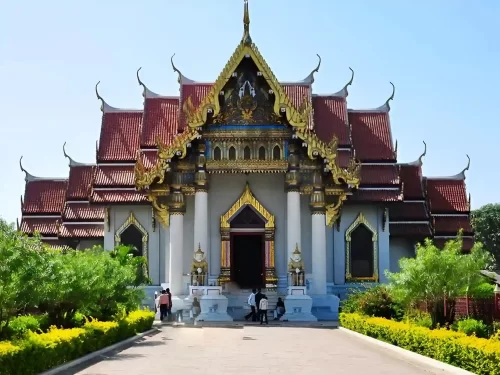 Temple
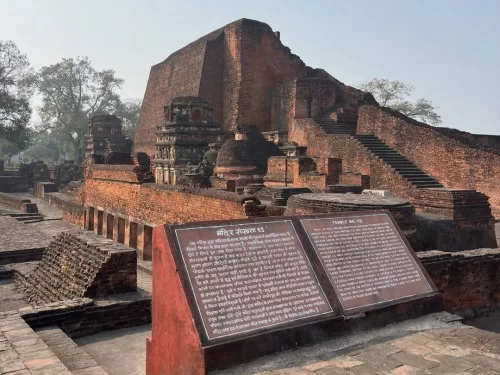 Archaeological Site