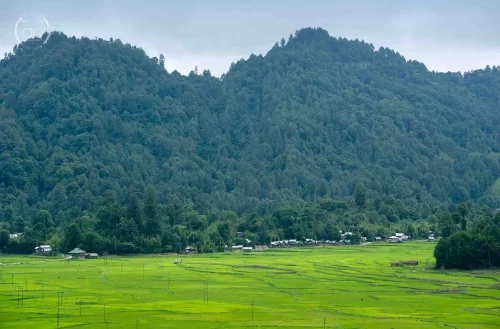
Ziro Puto Ziro Arunachal Pradesh

Ziro Puto , Ziro
Ziro Puto is a cultural and historical site representing the Apatani tribal lifestyle in the Ziro Valley. The village area preserves traditional bamboo and cane houses, paddy fields, and community structures, giving visitors insight into local agricultural practices and rituals. It is an ideal spot for travelers interested in indigenous culture, traditional farming, and rural life. Facilities are minimal, and visits are largely observational, offering a quiet and authentic experience of Apatani heritage.

Quick Facts About Ziro Puto

Entry Fee Free
Timings 06:00 - 18:00
Altitude (m) 1525
Ideal Visit Duration (hrs) 1
Best Time of Day Morning
Crowd Level Low
Distance from City Centre (km) 3
Walking Difficulty Easy
Parking Available Yes
Last Mile Access Walk
Suitable for Kids Yes
Suitable for Seniors Yes
Wheelchair Friendly No

Why Visit

Ziro Puto is worth visiting for travelers interested in experiencing the traditional lifestyle and culture of the Apatani tribe. It offers a unique glimpse into rural life, agricultural practices, and the architectural heritage of the region.

Atmosphere

The atmosphere at Ziro Puto is calm and rustic, with the soft sounds of birds, rustling paddy fields, and daily village activities. Walking through the narrow paths lined with traditional bamboo and cane houses gives a sense of stepping back in time to a simpler, community-focused way of life.

What Makes It Special

What makes Ziro Puto special is its authentic representation of Apatani culture. Visitors can see traditional house structures, intricate farming methods, and communal spaces preserved over generations. The combination of verdant landscapes, cultural immersion, and low visitor numbers ensures a serene and insightful experience of tribal heritage in Ziro.

History

Ziro Puto represents the traditional settlement patterns of the Apatani tribe, one of the oldest indigenous communities in Arunachal Pradesh. The village layout, with its bamboo and cane houses and terraced fields, has been preserved for generations, reflecting sustainable agricultural practices and community living.

The site provides insight into the Apatani way of life, including their unique irrigation techniques, wet rice cultivation, and social organization. While not a formal historical monument, Ziro Puto serves as a living heritage site that illustrates the continuity of traditional practices and rural culture in the Ziro Valley.

Best Time to Visit

The best time to visit Ziro Puto is between March and October when the weather is mild, and the landscape is at its most vibrant. During these months, the village paths are easier to navigate, and the paddy fields and surrounding hills are lush and green.

  • March to May offers pleasant temperatures and clear skies, ideal for exploring village paths and observing agricultural activities.
  • June to September is the monsoon season; the area becomes very green and scenic, but paths can be muddy and slippery, so caution is advised.
  • October provides dry and cool conditions, making it a comfortable time to walk around and enjoy the village scenery.
  • Early morning or late afternoon is the best time of day for photography and to experience the village in natural light.
  • Winter months (November to February) are colder, with misty mornings, but visiting is still possible if layered clothing is worn.

How to Reach

  • By air, the nearest airport is Dibrugarh in Assam, around 280 km from Ziro. From Dibrugarh, travelers can hire private taxis or shared vehicles to reach Ziro via Naharlagun and Itanagar.
  • By train, the closest railway station is Naharlagun near Itanagar, approximately 115 km from Ziro. From there, taxis and buses connect to Ziro over hilly terrain.
  • By road, Ziro is accessible via NH 13 and state highways. Private taxis, shared sumos, and occasional buses operate between Ziro and Itanagar or surrounding towns.
  • Ziro Puto is located about 3 km from Ziro town center and can be reached by a short walk or local taxi ride.
  • The last stretch involves walking along narrow village paths and terraced fields; sturdy footwear is recommended.
  • No permits are required as the village is open to visitors, but respectful behavior is expected to preserve local traditions.

What to Expect When You Visit

  • A serene traditional Apatani village with bamboo and cane houses, terraced fields, and community spaces.
  • Opportunity to observe local farming practices, including wet rice cultivation and irrigation techniques.
  • Low visitor numbers, providing a quiet and authentic cultural experience.
  • Narrow walking paths through fields and village lanes, offering a chance to closely experience rural life.
  • Minimal facilities on-site, so visitors should carry water and essentials for the short visit.
  • Photography is allowed, but visitors should be respectful of residents and avoid disrupting daily activities.
  • Typical visit duration ranges from 45 minutes to 1 hour depending on interest in culture, farming practices, and photography.
  • Suitable for families, seniors, and children, provided caution is exercised on uneven paths and near small streams or terraces.

Important Visitor Information

  • Crowd and Weather Notes: Ziro Puto is generally quiet with very few visitors. Weather is mild from March to October, while the monsoon season can make paths muddy and slippery.
  • Peak and Quiet Hours: Early morning and late afternoon are the quietest times, while mid-morning is ideal for observing village activities and agricultural practices.
  • Dress Code: Comfortable and modest clothing is recommended. Sturdy shoes are essential for walking on uneven village paths and terraced fields.
  • Safety Notes: Exercise caution on narrow or slippery paths, especially near terraces and streams. Children and seniors should be accompanied and supervised. Respect local customs and avoid entering private houses without permission.

Photography and Viewpoint

  • Ziro Puto offers excellent opportunities for photography of traditional Apatani houses, terraced paddy fields, and rural landscapes.
  • Early morning and late afternoon provide the best natural light, enhancing the textures of bamboo and cane structures and the greenery of the fields.
  • Close-up shots of village life, farming practices, and community activities can be captured respectfully, avoiding intrusion into private spaces.
  • There are no formal viewpoints; the best shots come from walking along village paths and field edges, providing authentic perspectives of daily life.
  • Wide-angle shots work well for capturing the overall village layout against the backdrop of surrounding hills.
  • Visitors are encouraged to seek permission before photographing residents to maintain cultural sensitivity and respect.
  • The natural soundscape and calm environment make photography a peaceful and immersive experience.

Near By Attraction

Subansiri River serene emerald waters flowing past sandy banks and forested hills in Arunachal Pradesh Tour Package. River

Subansiri River

The Subansiri River in Ziro is a pristine river known for its scenic beauty and tranquil surroundings, ideal for nature lovers and photographers.

Hari Village lush green paddy fields and traditional wooden houses set amidst scenic hills in Arunachal Pradesh Package. Village

Hari Village

Hari Village in Ziro is a traditional Apatani tribal village known for its unique culture, bamboo houses, and scenic paddy fields.

Seeh Lake serene mountain lake surrounded by dense green forests and tranquil natural beauty in Arunachal Pradesh Tour Package. Lake

Seeh Lake

Seeh Lake in Ziro is a tranquil natural lake known for its scenic surroundings and peaceful environment.

Frequently Asked Questions About Ziro Puto

The best time to visit Ziro Puto is between October and April when the weather in Ziro Valley remains clear and comfortable. During monsoon months in Arunachal Pradesh, rainfall may affect outdoor movement and visibility.
Ziro Puto is located in Ziro Valley and is known as an important historical mound in the region. It can be accessed easily by road from the main town areas.
Ziro Puto can be reached within 10 to 15 minutes from Hapoli by taxi or private vehicle. The roads are generally motorable and pass through scenic rural surroundings.
Ziro Puto is usually open during daylight hours as it is an open site without strict entry gates. Visiting during the morning or late afternoon offers better weather conditions for walking.
There is no formal entry fee to visit Ziro Puto, making it accessible for all travelers. Visitors are expected to maintain cleanliness and respect the surroundings.
Most visitors spend around 30 minutes to one hour exploring Ziro Puto. The duration depends on interest in local history and photography.
Ziro Puto is suitable for families and senior citizens who can manage short walks on open ground. The terrain is relatively simple compared to steep hill attractions.
Visitors at Ziro Puto can see a raised mound area associated with local heritage and enjoy open views of Ziro Valley. The peaceful environment makes it ideal for a short stop during sightseeing.
Parking near Ziro Puto is available along nearby open roadside areas. During weekends or local events in Ziro Valley, arriving earlier helps secure convenient parking.
Ziro Puto can easily be included in a Ziro Valley sightseeing itinerary along with nearby villages and natural landscapes. Its central location makes it practical for a half day exploration plan.

Loved this place ? Let’s Plan Your Arunachal Pradesh Trip

Get customized Arunachal Pradesh tour planning designed around mountain road distances, permit requirements, seasonal weather windows, and realistic travel pacing. Whether you are visiting for monasteries, high-altitude passes, river valleys, tribal cultu

⚑ Quick Response | πŸ’° Free consultation | πŸ•’ 24Γ—7 expert support

×

Plan Your Trip