Quick Facts About Tarin Fish Ponds
| Entry Fee | Free |
| Timings | 08:00 - 17:00 |
| Altitude (m) | 1520 |
| Ideal Visit Duration (hrs) | 1 |
| Best Time of Day | Morning |
| Crowd Level | Low |
| Distance from City Centre (km) | 5 |
| Walking Difficulty | Moderate |
| Parking Available | Yes |
| Last Mile Access | Walk |
| Suitable for Kids | Yes |
| Suitable for Seniors | Yes |
| Wheelchair Friendly | No |
Why Visit
Tarin Fish Ponds is worth visiting for travelers interested in nature, aquaculture, and rural life in Ziro. It provides a rare glimpse into local fish farming practices while being surrounded by the lush, terraced landscape typical of the region.
Atmosphere
The atmosphere is peaceful and serene, with gentle sounds of water flowing between the ponds and birds in the surrounding greenery. The site is quiet most of the day, with only local farmers tending to the ponds, making it ideal for a calm walk and nature observation.
What Makes It Special
What makes Tarin Fish Ponds special is the combination of traditional aquaculture and scenic beauty. Visitors can observe the trout and freshwater fish in well-maintained ponds, learn about local farming techniques, and enjoy a close-to-nature experience without the crowds typical of more commercial tourist spots in Ziro.
History
Tarin Fish Ponds were established as part of local community efforts to promote sustainable freshwater aquaculture in Ziro. The ponds are managed by families who have practiced fish farming for generations, using traditional methods adapted to the hilly terrain and climate of the region.
The site reflects the importance of aquaculture as a livelihood source for local residents, providing both food and small-scale income. Over time, it has also become a point of interest for visitors seeking insight into rural life and traditional farming techniques in Arunachal Pradesh.
Best Time to Visit
The best time to visit Tarin Fish Ponds is from March to October, when the weather in Ziro is mild and the ponds are fully operational. During these months, visitors can enjoy clear views of the ponds, observe fish farming activities, and walk comfortably around the area.
- March to May offers pleasant temperatures and clear skies, making it ideal for walking around the ponds and taking photographs.
- June to September is the monsoon season; the area is lush and green, but trails can become slippery, so caution is needed.
- October provides dry and cool conditions, perfect for a relaxed visit with minimal mud on pathways.
- Early morning or late afternoon is the best time of day to visit for softer light, clearer water reflections, and observing local farmers at work.
- Winter months (November to February) can be cold, and fish farming activity slows, making visits less engaging.
How to Reach
- By air, the nearest airport is Dibrugarh in Assam, about 280 km from Ziro. From Dibrugarh, travelers can hire taxis or shared vehicles to reach Ziro via Naharlagun and Itanagar.
- By train, the closest railway station is Naharlagun near Itanagar, roughly 115 km from Ziro. Taxis and buses connect Naharlagun to Ziro over hilly roads.
- By road, Ziro is connected to Itanagar and other towns via NH 13 and state highways. Private taxis, shared sumos, and occasional buses are available.
- Tarin Fish Ponds are located approximately 5 km from Ziro town center and can be accessed via local roads.
- The last stretch requires a short walk on narrow natural paths around the ponds; comfortable footwear is recommended.
- No special permits are needed to visit the ponds as they are located within community-managed farmland areas.
- Road conditions can be affected by monsoon rains, making the last-mile walk slightly slippery, so caution is advised during wet months.
What to Expect When You Visit
- A calm and scenic area with multiple rectangular ponds used for freshwater fish farming, primarily trout.
- Opportunities to observe local farmers tending to the ponds and learn about traditional aquaculture techniques.
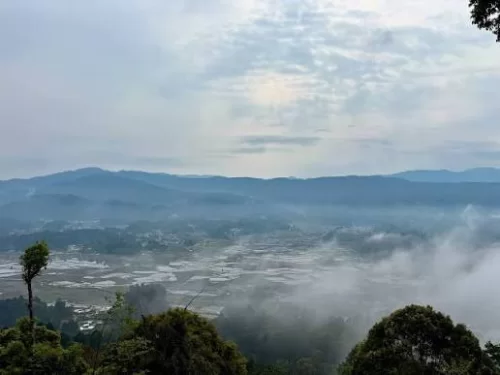
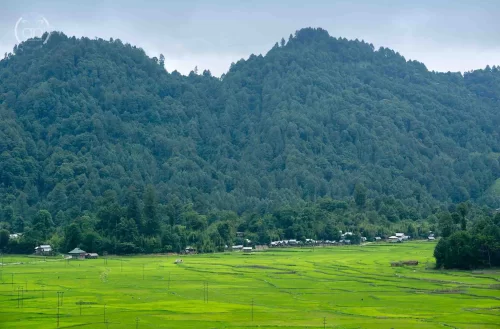
- Picturesque surroundings with terraced fields, small streams, and green hills, ideal for nature photography and short walks.
- Minimal infrastructure: no cafes, restrooms, or souvenir shops, so visitors should carry water and essentials.
- Short walking paths around the ponds, which may be muddy or uneven, requiring comfortable shoes.
- Very low crowds, mostly locals and occasional travelers, providing a peaceful and personal experience.
- Ideal for a brief stop while exploring Ziro valley and nearby cultural or natural sites.
- Time spent at the ponds typically ranges from 30 minutes to 1 hour depending on interest in photography or observing aquaculture practices.
Important Visitor Information
- Crowd and Weather Notes: The area is generally quiet with very few visitors. Weather in Ziro is mild during March to October, but paths can become slippery during the monsoon season.
- Peak and Quiet Hours: Early morning and late afternoon are the quietest times, while mid-morning to early afternoon is best for observing fish farming activity.
- Dress Code: Casual, comfortable clothing is suitable. Wear sturdy shoes for walking on uneven or muddy paths.
- Safety Notes: Exercise caution on narrow and slippery trails, particularly near pond edges. Children should be supervised around water, and seniors should be assisted if needed.
Photography and Viewpoint
- The ponds provide excellent opportunities for nature and landscape photography, especially in the morning or late afternoon when sunlight creates reflections on the water.
- Close-up shots of fish in the ponds and farmers at work can be captured with permission, offering a glimpse into traditional aquaculture practices.
- The surrounding terraced fields, streams, and hills enhance the visual appeal and provide multiple angles for scenic shots.
- There are no elevated viewpoints, so all photography is at ground level; walking around the ponds allows different perspectives.
- Tripods can be used cautiously on flat areas, but care is needed to avoid disturbing pond edges or muddy paths.
- Early morning light produces softer reflections and colors, while late afternoon provides warmer tones for landscape photography.
- Respect the working environment of the farmers and avoid obstructing their activities while photographing.