Quick Facts About Shree Siddheshwar Nath
| Entry Fee | Free |
| Timings | 06:00 - 20:00 |
| Altitude (m) | 1500 |
| Ideal Visit Duration (hrs) | 0.75 |
| Best Time of Day | Morning |
| Crowd Level | Moderate |
| Distance from City Centre (km) | 0.5 |
| Walking Difficulty | Easy |
| Parking Available | Yes |
| Last Mile Access | Walk |
| Suitable for Kids | Yes |
| Suitable for Seniors | Yes |
| Wheelchair Friendly | Partial |
Why Visit
Shree Siddheshwar Nath Temple is worth visiting for travelers interested in local religious practices and Hindu temple architecture in Ziro. It provides an opportunity to observe daily worship rituals and understand how the local community celebrates important festivals.
Atmosphere
The atmosphere at the temple is calm and devotional, with the quiet murmur of prayers and occasional ringing of bells. During festivals, the courtyard fills with local devotees, creating a lively yet reverent environment. Outside festival days, the temple is serene and offers a peaceful retreat from the town bustle.
What Makes It Special
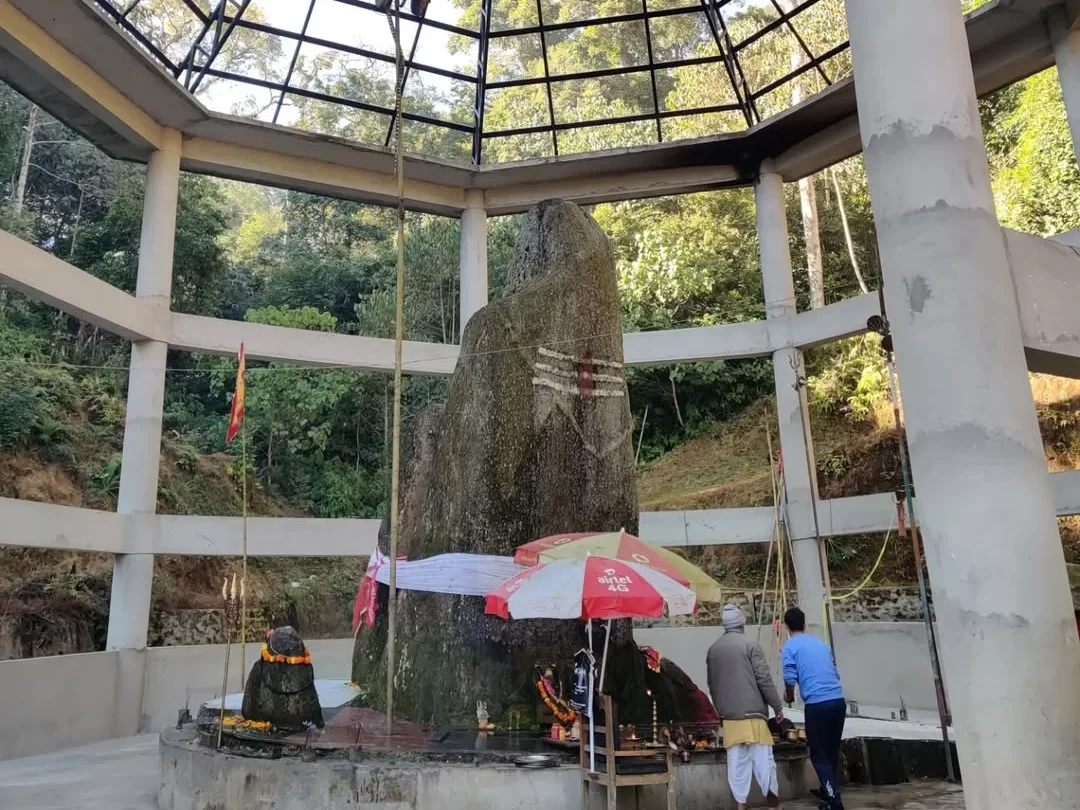
What makes Shree Siddheshwar Nath Temple special is its central location in Ziro and its role as a community hub for religious and cultural gatherings. The temple’s architecture is modest yet authentic, with the main sanctum housing a well-maintained Shiva lingam and smaller shrines around the courtyard. Festival celebrations, especially Maha Shivaratri, provide a unique opportunity to witness traditional rituals and local devotion.
History
Shree Siddheshwar Nath Temple was established to serve the Hindu community of Ziro and surrounding areas. The temple is dedicated to Lord Shiva and has been maintained by local families for generations, becoming a focal point for religious activities in the town.
The temple holds cultural significance for locals as a center for worship, ceremonies, and festivals, particularly during Maha Shivaratri, when devotees gather to perform rituals and offer prayers. It reflects the integration of Hindu traditions within the predominantly Apatani cultural region of Ziro.
Best Time to Visit
The best time to visit Shree Siddheshwar Nath Temple is from March to October, when weather in Ziro is pleasant and access to the temple is easy. During these months, visitors can comfortably explore the temple grounds and participate in local rituals. Winter months are cold, but the temple remains accessible.
- March to May offers mild temperatures and clear skies, making it ideal for visiting and attending morning prayers.
- June to September coincides with the monsoon season; occasional rain may affect walking conditions but the temple remains open.
- October provides dry and cool weather, perfect for sightseeing and attending festival preparations.
- Late morning to early afternoon is the best time of day to visit for natural light and ease of access when local devotees are present.
How to Reach
- By air, the nearest airport is Dibrugarh in Assam, approximately 280 km from Ziro. From Dibrugarh, travelers can hire private taxis or take shared transport to Ziro via Naharlagun and Itanagar.
- By train, the closest railway station is Naharlagun near Itanagar, about 115 km from Ziro. From there, taxis and buses connect to Ziro over hilly roads.
- By road, Ziro is connected to Itanagar and surrounding towns via NH 13 and state highways. Private taxis, shared sumos, and occasional buses are available.
- Shree Siddheshwar Nath Temple is centrally located in Ziro town, approximately 0.5 km from the town center, easily accessible on foot or by local taxi.
- The temple entrance is on a paved path with minimal walking required, making last-mile access straightforward.
- No permits are required to visit this temple as it is located within the town area.
What to Expect When You Visit
- A modest Hindu temple with a main sanctum housing a well-maintained Shiva lingam and a small courtyard for devotees.
- Regular daily worship by local residents, providing an authentic glimpse of community religious practices.
- Peaceful and quiet environment on regular days; slightly crowded during festivals like Maha Shivaratri.
- Basic facilities nearby, including small shops for offerings and refreshments, but limited seating inside the temple.
- Visitors should expect paved pathways with minor steps and easy walking conditions suitable for most age groups.
- Photography is allowed but should be respectful, avoiding flash on idols and during prayers.
- The visit usually lasts 30–45 minutes, enough to explore the temple, observe rituals, and enjoy the serene town surroundings.
- Accessible for families and seniors, though some areas inside the courtyard may have slight elevation changes.
Important Visitor Information
- Crowd and Weather Notes: The temple generally experiences low to moderate crowds, except during festivals like Maha Shivaratri when devotees increase significantly. Weather in Ziro is mild from March to October and cold during winter months.
- Peak and Quiet Hours: Peak visiting times are late morning to early afternoon, while early mornings and late afternoons are quieter for personal reflection and photography.
- Dress Code: Modest attire is recommended out of respect for the religious setting. Comfortable walking shoes are advised for minor steps within the temple grounds.
- Safety Notes: The temple is generally safe. Watch your step on small elevation changes and minor steps in the courtyard. Children and seniors should be supervised, especially during crowded festival times.
Photography and Viewpoint
- Photography is allowed inside and outside the temple, but visitors should avoid using flash directly on the Shiva lingam or during active prayers to respect devotees.
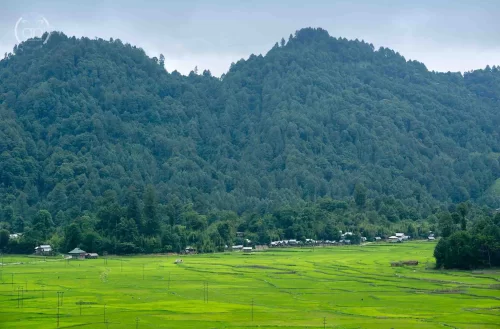
- Outdoor photography captures the temple’s traditional architecture, courtyard layout, and surrounding Ziro town scenery, especially during early morning or late afternoon light.
- The temple does not provide elevated viewpoints or panoramic views; photography is mostly at ground level from the courtyard and entrance areas.
- Tripods can be used outside the temple for steady shots, but inside the sanctum or main hall, handheld photography is recommended due to limited space.
- During festivals, the courtyard provides opportunities to photograph local rituals, decorations, and gatherings, giving insight into community traditions.
- Respectful framing is encouraged to avoid capturing devotees in prayer without consent.
- Soft natural light enhances the textures and colors of the temple walls, idols, and surrounding greenery.