+91 9910402252
admin@chalbanjare.com


| Entry Fee | Free |
| Timings | 06:00 - 18:00 |
| Altitude (m) | 1829 |
| Ideal Visit Duration (hrs) | 2 |
| Best Time of Day | Morning |
| Crowd Level | Low |
| Distance from City Centre (km) | 14 |
| Walking Difficulty | Moderate |
| Parking Available | No |
| Last Mile Access | Walk |
| Suitable for Kids | Yes |
| Suitable for Seniors | No |
| Wheelchair Friendly | No |
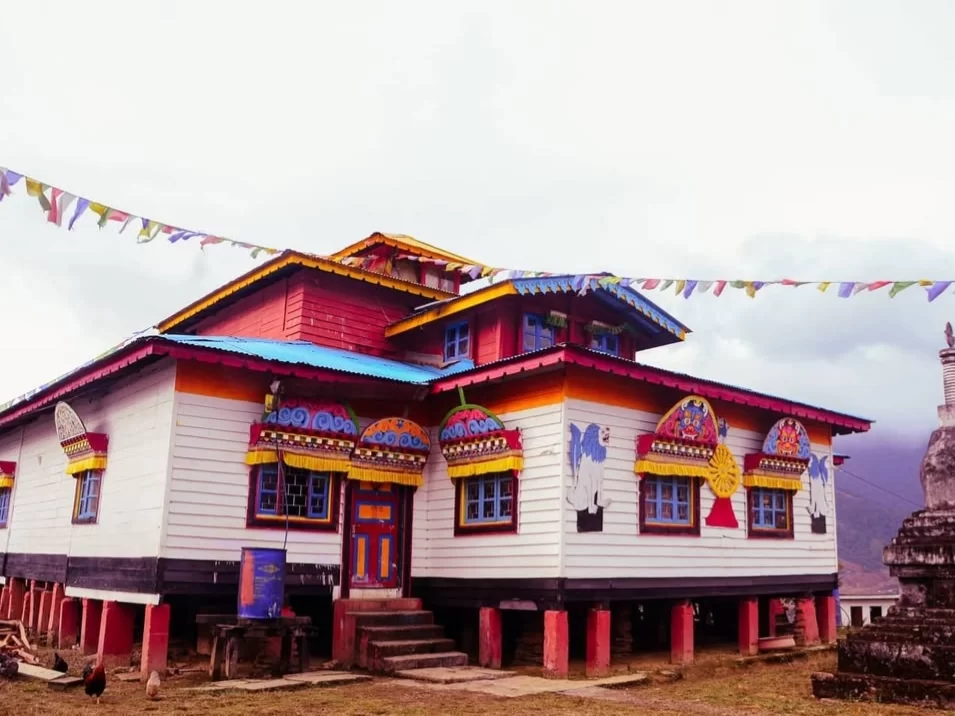
Visitors come to Samten Yongcha Monastery to experience Buddhist monastic life in the remote Mechuka valley near the Indo–China border. It serves as a spiritual center for the local Memba community and is often included in valley explorations for those interested in Himalayan culture rather than only landscapes.
On the ground, the monastery sits on an elevated hillside with open views of Mechuka’s river plains and surrounding mountains. The atmosphere is quiet and disciplined, with prayer flags moving in the wind, monks going about daily routines, and a steady rhythm of chanting during prayer times.
What makes Samten Yongcha Monastery distinct is its location in one of Arunachal Pradesh’s most isolated valleys, combined with its active religious function. It is not a museum-style monument; visitors observe a living monastery where architecture, landscape, and daily spiritual practice remain closely connected.
Samten Yongcha Monastery is a prominent Buddhist monastery located in Mechuka (Menchukha) in Shi-Yomi district of Arunachal Pradesh, close to the Indo–China border. It stands on an elevated hillside overlooking the Mechuka valley and the Siyom River.
The monastery follows the Mahayana Buddhist tradition and serves as an active place of worship for the local Memba community. Daily rituals, prayer gatherings, and Buddhist teachings continue to be practiced here, making it a functioning religious institution rather than a museum-style attraction.
The structure features traditional Tibetan Buddhist architectural elements, including a multi-tiered design, prayer halls, and religious murals. Visitors are generally allowed to enter the prayer hall when ceremonies are not in progress, provided they follow local customs and maintain decorum.
Its hilltop location offers a clear vantage point over Mechuka valley, and many travelers combine a monastery visit with valley exploration. Religious festivals and special prayer events occasionally draw local participation, reinforcing its role as a central spiritual site in the region.
Samten Yongcha Monastery is a prominent Buddhist monastery located in Mechuka in Shi-Yomi district, Arunachal Pradesh, near the Indo-China border. It serves as an important spiritual center for the local Memba community, who practice Tibetan Buddhism.
The monastery is associated with the Mahayana tradition of Tibetan Buddhism and reflects cultural and religious influences from neighboring Tibet. Its elevated position above the Mechuka valley provides wide views of the Siyom River and surrounding snow-clad peaks.
Samten Yongcha Monastery functions as an active place of worship, hosting regular prayers and local religious observances. Visitors are permitted inside designated areas, and the site remains both a functioning monastery and a cultural landmark within Mechuka.
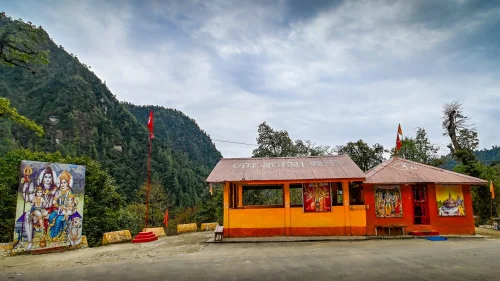 Temple
Sri Hanuman Temple is a Hindu temple located in Mechuka, Shi Yomi district, Arunachal Pradesh, India.
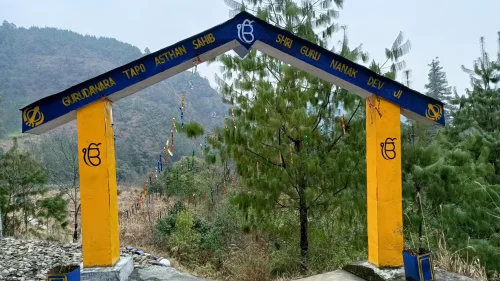 Gurudwara
Gurudwara Mechuka Sahib is a Sikh shrine located in Mechuka Valley of Shi Yomi district, Arunachal Pradesh, India.
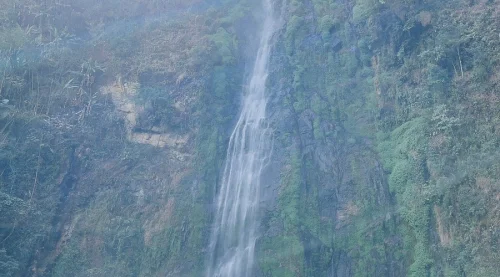 Waterfall
Siko Dido Waterfalls is a natural waterfall located near Mechuka in Shi Yomi district, Arunachal Pradesh, India.
Get customized Arunachal Pradesh tour planning designed around mountain road distances, permit requirements, seasonal weather windows, and realistic travel pacing. Whether you are visiting for monasteries, high-altitude passes, river valleys, tribal cultu
⚡ Quick Response | 💰 Free consultation | 🕒 24×7 expert support

