Quick Facts About Sally lake
| Entry Fee | Free |
| Timings | 00:00 - 23:59 |
| Altitude (m) | 1000 |
| Ideal Visit Duration (hrs) | 2 |
| Best Time of Day | Morning |
| Crowd Level | Moderate |
| Distance from City Centre (km) | 3 |
| Walking Difficulty | Easy |
| Parking Available | No |
| Last Mile Access | Walk |
| Suitable for Kids | Yes |
| Suitable for Seniors | Yes |
| Wheelchair Friendly | No |
Why Visit Sally Lake, Roing, Arunachal Pradesh
Visitors come to Sally Lake to enjoy a quiet natural setting near Roing, with opportunities for riverside walks, birdwatching, and relaxation amidst the Eastern Himalayan foothills. It is often explored alongside other local water bodies for a short nature excursion.
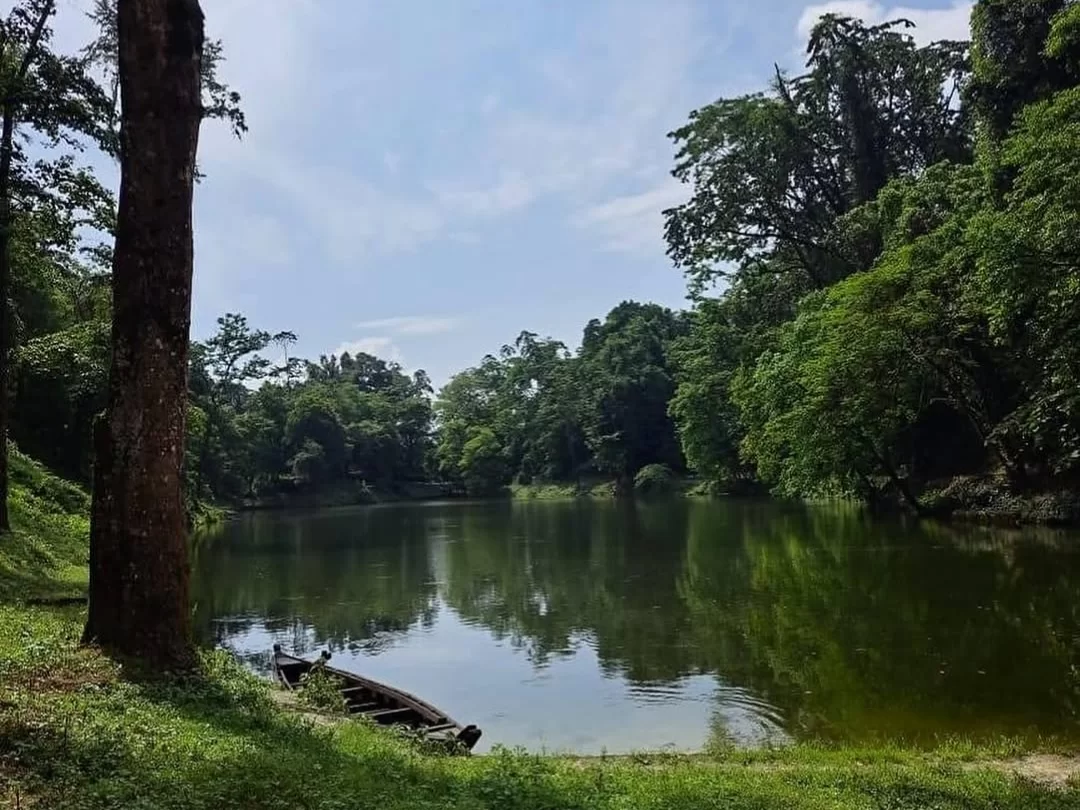
On the ground, the lake is surrounded by gentle hills and scattered vegetation, with calm waters reflecting the sky. The area feels tranquil and lightly visited, providing a sense of remoteness and connection to the natural landscape.
What makes Sally Lake distinct is its uncommercialized character and peaceful environment. Unlike larger or developed lakes, it offers travelers a serene experience with minimal infrastructure, highlighting the natural beauty of Arunachal Pradesh’s Roing region.
Sally Lake, Roing, Arunachal Pradesh
Sally Lake is a small natural lake located near Roing in Lower Dibang Valley district of Arunachal Pradesh. It is surrounded by forested hills and agricultural land, offering a quiet and scenic environment.
The lake supports local aquatic life and serves as a water source for nearby communities. It is primarily visited for its natural beauty and tranquil setting rather than for organized recreational activities.
Access to Sally Lake is via local roads and short walking paths. Visitors generally spend brief periods at the site for photography, nature observation, and enjoying the surrounding landscape.
Facilities at the lake are minimal, and visitors should be prepared for basic conditions. Seasonal changes in water level and weather affect the appearance and accessibility of the lake.
Sally Lake, Roing, Arunachal Pradesh, India
Sally Lake is a natural freshwater lake located near Roing in Lower Dibang Valley district, Arunachal Pradesh. It is set amidst forested hills and provides a peaceful environment for visitors.
The lake is home to local aquatic species and attracts various bird species, contributing to its ecological value. It remains largely undeveloped, with no formal tourist infrastructure or facilities.
Visitors typically come for scenic views, photography, and experiencing the quiet natural surroundings. Access is via local roads and short walking trails, with care advised to preserve the lake’s environment.
How to Reach Sally Lake, Roing, Arunachal Pradesh, India
- Nearest airport: Tezu Airport, Arunachal Pradesh, approximately 18 km from Sally Lake, is the closest airport with limited regional flights. Dibrugarh Airport, Assam (around 140 km away), provides better connectivity for travelers from major Indian cities.
- Nearest railway station: Tinsukia Railway Station, Assam, about 170 km from Roing. From there, visitors must hire taxis or shared vehicles to reach Roing and Sally Lake.
- Road access and last-mile connectivity: Sally Lake is accessible via motorable roads from Roing town. The approach road is well-maintained, followed by a short walk on local trails to the lake. Roads are generally navigable year-round, but monsoon rains (June–September) can make sections slippery and slow travel. An Inner Line Permit (ILP) is mandatory for Indian tourists visiting Arunachal Pradesh.
What to Expect When You Visit Sally Lake, Roing
- Environment and surroundings: Sally Lake is a natural lake near Roing in Arunachal Pradesh, set amidst forested hills and open greenery. The area around the lake is tranquil, with clear water reflecting the surrounding trees and occasional views of nearby farmland or small settlements.
- Facilities and amenities: Facilities are minimal. There are no restrooms, food outlets, or seating areas at the lake. Visitors should carry water, snacks, and any personal essentials. Some local guides may provide short walks or boating options seasonally.
- Accessibility and movement: The lake is accessible by road from Roing, followed by a short walk along uneven terrain. Walking paths around the lake are grassy or muddy and can be slippery, particularly after rain. The site is not suitable for wheelchairs or strollers.
- Typical visitor behavior and conditions: Visitors usually explore the lakeshore, take photographs, enjoy birdwatching, or simply relax in the quiet natural surroundings. Footfall is generally low, increasing slightly during weekends or holidays.
- Limitations and constraints: There are no designated viewpoints, safety railings, or tourist infrastructure. Swimming is not recommended due to uncertain water depth. Weather can change rapidly, and mobile connectivity may be weak or unavailable.
Important Visitor Information for Sally Lake, Roing, Arunachal Pradesh
- Crowd and weather notes: Sally Lake is most visited between October and April when the weather is dry and access roads are stable. During the monsoon season (June to September), heavy rainfall can make trails slippery and increase river inflow around the lake.
- Peak and quiet visiting hours: Late morning to early afternoon is the busiest period, especially on weekends. Early mornings offer a quieter experience, ideal for photography and enjoying the lake’s serene surroundings.
- Dress code: No formal dress code applies. Visitors should wear comfortable outdoor clothing and sturdy footwear suitable for walking on uneven or muddy trails.
- Safety notes and practical cautions: Swimming is not recommended due to varying water depths. Visitors should stay on marked paths, exercise caution near slippery rocks, and plan visits during daylight hours. Mobile network coverage may be limited.
Photography and Viewpoints at Sally Lake, Roing, Arunachal Pradesh
- The lakeside trail provides clear views of Sally Lake, with forested hills and distant mountain ridges forming a natural backdrop for wide-angle shots.
- From small elevated banks along the lake, photographers can capture reflections, seasonal lotus blooms, and birds that frequent the area.
- Early morning between 6:30 am and 9:00 am offers soft light and minimal wind, producing calm water reflections; late afternoon light enhances warm tones on surrounding foliage.
- Post-monsoon months provide clearer water and lush greenery, while monsoon season can cause water turbidity and slippery paths.
- Photography for personal use is allowed, but drones may require local approval due to ecological sensitivity and border proximity.
- Tripods can be used on stable banks, but caution is advised on muddy or uneven surfaces near the water edge.
- Visitor presence is generally low, though weekends and festivals may increase foot traffic along popular lakeside viewpoints, affecting uninterrupted wide-angle shots.