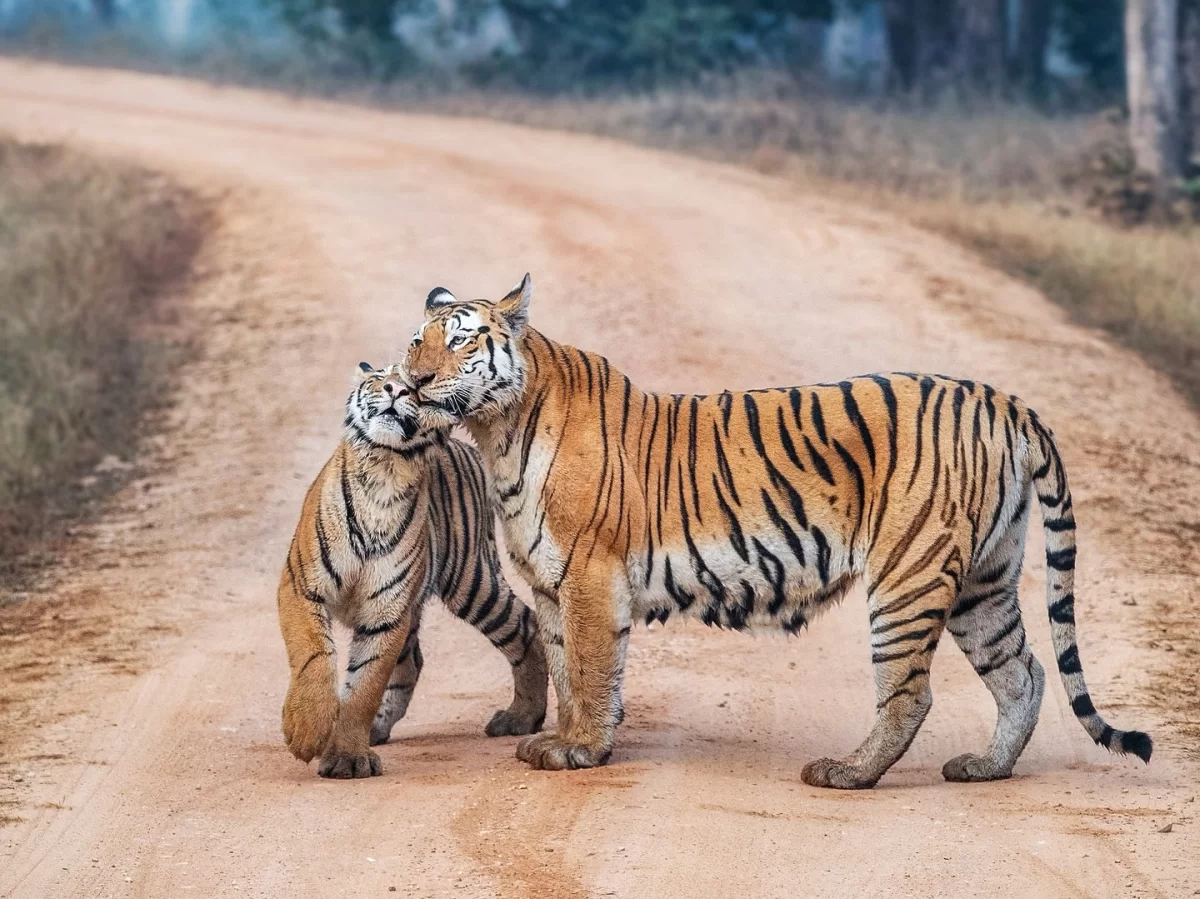
Pakke Tiger Reserve, East Kameng District, Arunachal Pradesh, India

Pakke Tiger Reserve , Bhalukpong
The reserve is part of the Eastern Himalayan biodiversity hotspot and is known for its tropical and subtropical forests, rich wildlife, and diverse bird species, including several hornbills. Visitors come for wildlife safaris, birdwatching, nature photography, and to experience one of Arunachal Pradesh\'s important protected forest areas.

Quick Facts About Pakke Tiger Reserve

Pakke Tiger Reserve, Arunachal Pradesh Quick Facts

Entry Fee Entry and safari charges apply; fees vary for Indian and foreign visitors and are subject to Forest Department regulations.
Timings Generally open from sunrise to sunset; safari and entry timings are regulated by the Forest Department.
Altitude (m) Approximately 150–2,000 m above sea level (varies across the reserve).
Ideal Visit Duration Half day to 1 full day
Best Time of Day Early morning for wildlife sightings and birdwatching.
Crowd Level Low to moderate; higher during the peak tourist season (November–April).
Distance from City Centre (km) Approximately 12 km from Seijosa town, the main gateway to the reserve.
Walking Difficulty Easy for designated visitor areas; moderate for guided nature walks on forest trails.
Parking Available Yes, parking is available at designated entry gates and eco-camps.
Last Mile Access Accessible by motorable road to the entry gate; further movement inside the reserve is only through authorized vehicles or guided activities.
Suitable for Kids Yes, provided they follow park safety rules and are accompanied by adults.
Suitable for Seniors Yes; jeep safaris are suitable, though guided walks may require moderate fitness.
Wheelchair Friendly Partially; entry areas may be accessible, but forest tracks and safari routes are not fully wheelchair friendly.

Why Visit Pakke Tiger Reserve, Arunachal Pradesh

Visitors come to Pakke Tiger Reserve to experience one of Arunachal Pradesh's richest wildlife habitats, known for its tropical forests, diverse birdlife, and populations of tigers, elephants, and other native species. The reserve is especially popular with wildlife enthusiasts, birdwatchers, and nature photographers.

The atmosphere is peaceful and immersive, with dense evergreen forests, flowing rivers, and the sounds of wildlife creating an authentic jungle experience. Guided safaris and nature trails allow visitors to explore the reserve while observing its rich biodiversity in a protected environment.

What makes Pakke Tiger Reserve distinct is its exceptional conservation success, particularly for hornbill species, and its location in the Eastern Himalayan biodiversity hotspot. The combination of pristine forests, abundant wildlife, and community-based conservation initiatives makes it one of the most rewarding nature destinations in Arunachal Pradesh.

History of Pakke Tiger Reserve, Arunachal Pradesh

Pakke Tiger Reserve, formerly known as Pakhui Wildlife Sanctuary, is located in the East Kameng and Pakke-Kessang districts of Arunachal Pradesh. The area was notified as Pakhui Wildlife Sanctuary in 1977 to protect the rich forests and wildlife of the Eastern Himalayas. In 2002, it was designated as a Tiger Reserve under India's Project Tiger programme.

The reserve is part of the Eastern Himalayan biodiversity hotspot and has played an important role in wildlife conservation, particularly for Bengal tigers, Asian elephants, hornbills, and other threatened species. It has also gained recognition for community-based conservation initiatives involving the local Nyishi community, especially efforts to protect hornbills and their nesting habitats.

Today, Pakke Tiger Reserve is one of Arunachal Pradesh's most significant protected areas. It attracts wildlife enthusiasts, birdwatchers, researchers, and nature lovers interested in experiencing the region's rich biodiversity and conservation success stories.

Best Time to Visit Pakke Tiger Reserve, Arunachal Pradesh

The best time to visit Pakke Tiger Reserve is from November to April, when the weather is relatively dry and forest tracks are more accessible for wildlife safaris and birdwatching. This period offers the most favorable conditions for exploring the reserve, although wildlife sightings are never guaranteed.
  • Ideal months: November to April for jeep safaris, birdwatching, and nature walks.
  • Best season conditions: Cool to warm, dry weather improves accessibility within the reserve, while lower vegetation density enhances the chances of spotting mammals and observing the area's rich birdlife, including hornbills.
  • Periods to avoid: June to September due to heavy monsoon rainfall, when forest roads may become muddy or inaccessible and safari operations can be restricted. Visitors should confirm the reserve's opening status before planning a trip during or immediately after the monsoon.

How to Reach Pakke Tiger Reserve, Arunachal Pradesh

  • Nearest Airport: The nearest airport is Tezpur Airport, approximately 60 km from the Pakke Tiger Reserve entry area. Lokpriya Gopinath Bordoloi International Airport, Guwahati, about 200 km away, offers better flight connectivity. Taxis are available from both airports.
  • Nearest Railway Station: Rangapara North Junction, approximately 40 km from the reserve, is the nearest major railway station. From the station, visitors can hire taxis to reach Seijosa, the primary gateway to the reserve.
  • By Road: Pakke Tiger Reserve is located in East Kameng district and is commonly accessed through Seijosa, the main entry point. The reserve is well connected by road from Tezpur, Bhalukpong, and Itanagar via National Highway 13 and connecting roads. Private taxis and hired vehicles are the most practical transport options, as public transport to the reserve is limited. Visitors should check safari timings and obtain the required entry permissions in advance. Indian visitors must carry a valid Inner Line Permit (ILP) to enter Arunachal Pradesh.

What to Expect When You Visit Pakke Tiger Reserve, Arunachal Pradesh

  • Pakke Tiger Reserve is a protected rainforest in East Kameng district, known for its rich biodiversity, hornbill population, elephants, tigers, and numerous bird species. Visitors should expect a wilderness experience rather than a conventional sightseeing destination.
  • The reserve is explored through designated safari routes, guided nature walks, birdwatching trails, and eco-tourism activities permitted by the forest authorities. Wildlife sightings depend on season, weather, and animal movement and cannot be guaranteed.
  • Access is by road through the reserve's authorized entry gates. Visitors must follow the instructions of forest officials and remain within approved tourism zones.
  • Facilities inside the reserve are basic and may include forest rest houses, eco-camps, and limited visitor amenities. Hotels, fuel stations, ATMs, and medical facilities are available mainly in nearby towns such as Seijosa and Bhalukpong.
  • Visitors should carry valid identification, sufficient drinking water, insect repellent, and suitable clothing for humid forest conditions. Mobile network coverage is limited in many parts of the reserve.
  • Maintaining silence, staying inside vehicles or designated trails where required, avoiding littering, and not feeding or approaching wildlife are essential for visitor safety and conservation.
  • The reserve is particularly popular with birdwatchers and nature photographers. Early morning and late afternoon are generally the most active periods for observing birds and other wildlife.
  • Heavy rainfall during the monsoon can affect road conditions, trail access, and safari operations. Visitors should check the reserve's opening status and weather conditions before planning their visit.

Important Visitor Information for Pakke Tiger Reserve, Arunachal Pradesh

  • Crowd and weather: Pakke Tiger Reserve is best visited from November to April, when weather conditions are favourable for wildlife safaris and birdwatching. The reserve receives fewer visitors than many other tiger reserves, but weekends and holidays can be busier. During the monsoon, heavy rainfall may lead to temporary closure of forest roads and safari routes.
  • Peak and quiet visiting hours: Early morning and late afternoon are the designated safari periods and provide the best opportunities for wildlife sightings. Midday access is generally limited, and visitor movement follows forest department regulations.
  • Dress code: Wear muted or earth-toned clothing to minimise disturbance to wildlife. Full-sleeved clothing, comfortable trekking shoes, and insect repellent are recommended for forest visits.
  • Safety and practical cautions: Entry is permitted only through authorised gates and with the required permissions issued by the Forest Department. Remain inside the vehicle unless instructed otherwise by authorised guides, avoid feeding or disturbing wildlife, and maintain silence during safaris. Visitors entering Arunachal Pradesh should also carry a valid Inner Line Permit (ILP), and safari schedules may change depending on weather and forest conditions.

Photography and Viewpoints at Pakke Tiger Reserve, Arunachal Pradesh

  • The forest safari routes, riverbanks, and designated watchtowers offer the best opportunities to photograph the reserve's tropical forests, grasslands, and diverse wildlife habitats.
  • Early morning and late afternoon provide the most favorable lighting for wildlife photography, when animals and birds are generally more active and the forest receives softer natural light.
  • Photography is generally permitted during guided safaris and in visitor-accessible areas. Flash photography should be avoided near wildlife, and drone use is not permitted without authorization from the Forest Department.
  • Dense vegetation and the natural behavior of wildlife mean sightings cannot be guaranteed. Patience and following designated safari routes improve the chances of capturing birds and other animals.
  • Visitor numbers are higher during the winter tourism season, but the reserve's large forest area helps reduce crowding. All photography should be carried out in accordance with park regulations and guide instructions.

Near By Attraction

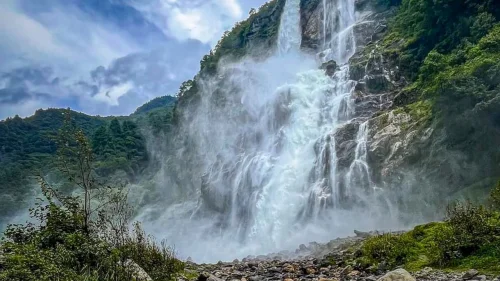
Navika Waterfall near Bhalukpong featuring powerful gushing water, dramatic cliffs, and lush green surroundings, perfect Arunachal Pradesh tour package experience. Waterfall

Navika Waterfall

Navika Waterfall is a natural waterfall located near Bhalukpong in West Kameng district, Arunachal Pradesh, India.
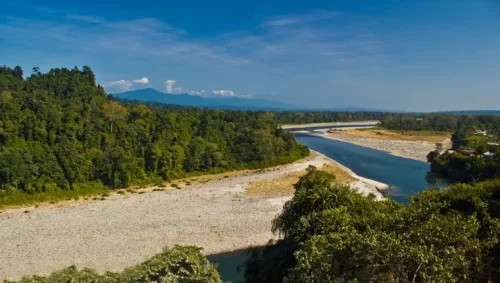
Sesa view point near Bhalukpong featuring scenic river bend, dense green forests, and distant mountains, perfect Arunachal Pradesh tour package experience. Viewpoint

Sesa view point

Sessa View Point is a scenic viewpoint located near Sessa village in the Bhalukpong region of West Kameng district, Arunachal Pradesh, India.
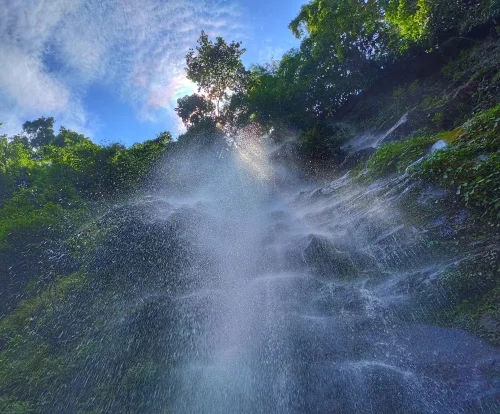
Sri Siganduru Chowdeshwari Temple near Sagara featuring cascading waterfall spray, rocky cliff face, and lush green forest canopy, perfect spiritual experience with Shimoga tour package. Waterfall

Lumum Waterfall

Lumum Waterfall is a natural waterfall located near Bhalukpong in West Kameng district, Arunachal Pradesh, India.

Frequently Asked Questions About Pakke Tiger Reserve

Pakke Tiger Reserve is one of Arunachal Pradesh's premier wildlife destinations, known for its rich biodiversity, dense evergreen forests, hornbills, elephants, tigers, leopards, gaurs, and many other rare Himalayan species.
Pakke Tiger Reserve has multiple eco tourism entry areas and safari routes managed by the Forest Department. The most popular tourism zones include Seijosa Range, Tipi Range, Khari Eco Camp area, and Pakke Kessang side. Safari routes may vary depending on forest permissions and seasonal conditions.
Among the tourism areas, the Seijosa Range is considered the best for wildlife sightings as visitors frequently spot elephants, gaurs, hornbills, barking deer, wild boar, and several bird species. Tiger and leopard sightings are rare but possible throughout the reserve.
Most visitors spend half a day to a full day enjoying jeep safaris, birdwatching, and nature trails inside the reserve.
Yes, visitors need to pay entry charges, vehicle charges, and guide or safari fees as prescribed by the Arunachal Pradesh Forest Department.
The best time to visit is from November to April when the weather is pleasant and wildlife sightings are generally better.
Visitors usually reach the reserve by local cab, union taxi, private taxi, or self-drive vehicle. For safari activities, only authorized forest department vehicles or permitted safari vehicles are allowed inside designated tourism routes.
Yes. Indian citizens require an Inner Line Permit to enter Arunachal Pradesh. Foreign nationals require a Protected Area Permit. Entry inside the reserve is also subject to Forest Department permissions and applicable safari regulations.
Yes, the reserve is suitable for families, wildlife enthusiasts, birdwatchers, photographers, and nature lovers of all age groups.
Visitors commonly spot Asian elephants, gaurs, barking deer, wild boar, capped langurs, macaques, hornbills, and numerous bird species. Tigers and leopards inhabit the reserve but are rarely seen.
Yes, Pakke Tiger Reserve is internationally renowned for birdwatching and is one of the best places in Northeast India to see Great Hornbill, Wreathed Hornbill, Oriental Pied Hornbill, and many other forest birds.
Yes, photography is permitted for personal use. Visitors should always follow Forest Department guidelines and avoid disturbing wildlife.
Carry binoculars, a camera, comfortable clothing in earthy colors, drinking water, sunscreen, insect repellent, and valid identity and permit documents.
Yes, visitors often combine Pakke Tiger Reserve with Bhalukpong, Tipi Orchid Research Centre, Sessa Orchid Sanctuary, and nearby viewpoints.
Visitors should remain inside the authorized safari vehicle, follow the guide's instructions, avoid feeding or disturbing wildlife, maintain silence, and never litter inside the protected forest.

Loved this place ? Let’s Plan Your Arunachal Pradesh Trip

Get customized Arunachal Pradesh tour planning designed around mountain road distances, permit requirements, seasonal weather windows, and realistic travel pacing. Whether you are visiting for monasteries, high-altitude passes, river valleys, tribal cultu

⚑ Quick Response | πŸ’° Free consultation | πŸ•’ 24Γ—7 expert support

×

Plan Your Trip