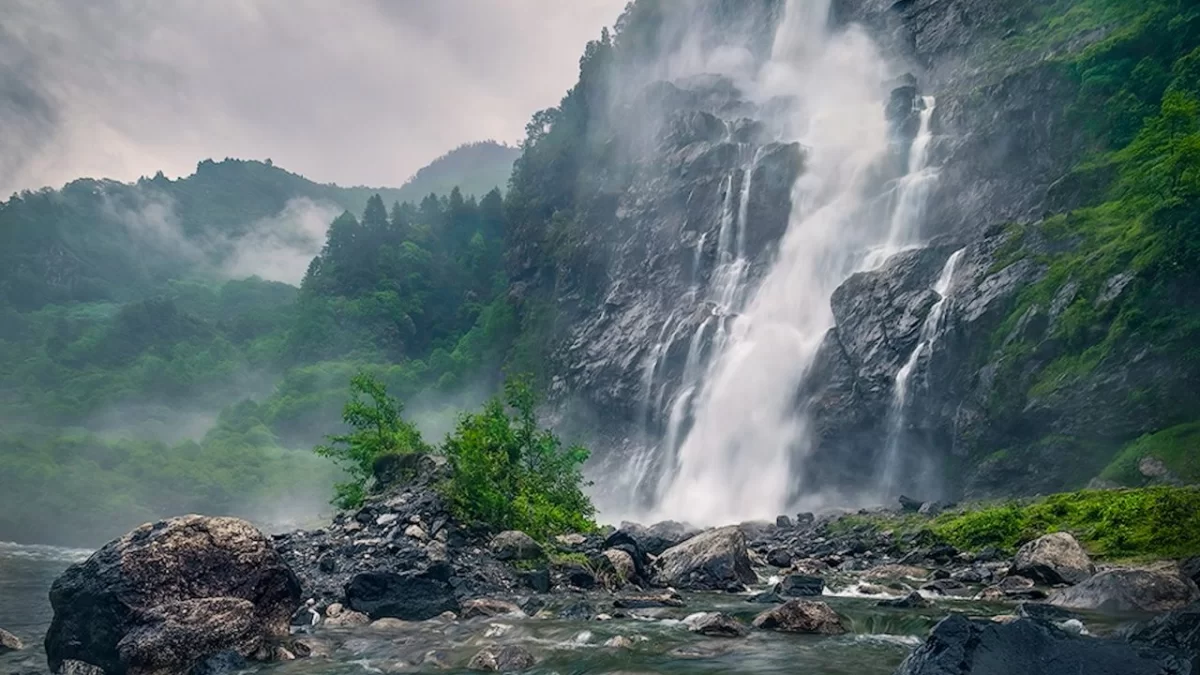
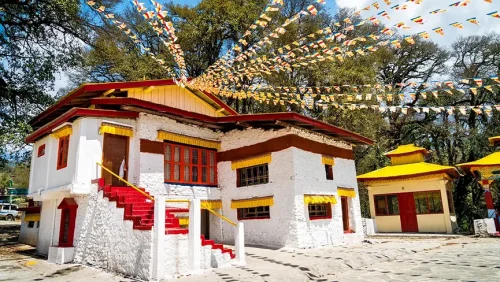
Nuranang Waterfall, Tawang, Arunachal Pradesh, India

Nuranang Waterfall , Tawang
Visitors come to view the powerful waterfall, enjoy the surrounding mountain scenery, and photograph one of the most prominent natural attractions in the Tawang region. The falls are easily accessible from the Tawang–Jang road and are especially impressive during and after the monsoon season.

Quick Facts About Nuranang Waterfall

Nuranang Waterfall Quick Facts

Entry Fee No entry fee
Timings Accessible during daylight hours; sunrise to sunset visits are recommended.
Altitude (m) Approximately 1,830 m above sea level
Ideal Visit Duration 1–2 hours
Best Time of Day Morning for clearer views and favorable photography conditions
Crowd Level Moderate; visited by most travelers on the Tawang–Jang route
Distance from City Centre (km) Approximately 40 km from Tawang town centre
Walking Difficulty Easy to Moderate; involves short walks and some steps to reach viewing areas
Parking Available Yes, parking facilities are available near the waterfall viewpoint
Last Mile Access Direct road access via Jang Falls Road followed by a short walk to the viewing platform
Suitable for Kids Yes, with supervision near wet rocks and viewing edges
Suitable for Seniors Yes, though some viewpoints may require walking on uneven surfaces
Wheelchair Friendly Partially; the main viewing area is accessible, but access to lower viewpoints may be limited

Why Visit Nuranang Waterfall Tawang

Visitors come to Nuranang Waterfall to witness one of Arunachal Pradesh’s most impressive cascades, where water plunges down a steep mountainside amidst dense Himalayan scenery.

The atmosphere is refreshing and scenic, with misty surroundings, the sound of rushing water, and forested landscapes creating an immersive natural experience.

What makes Nuranang Waterfall distinct is its powerful drop, year-round flow fed by mountain streams, and its picturesque location near Tawang, making it one of the region’s most photographed natural attractions.

History of Nuranang Waterfall

Nuranang Waterfall, located near Jang in Arunachal Pradesh, is one of the most prominent natural landmarks in the Tawang region. While the waterfall itself is a natural feature formed by the Nuranang River, its name is closely associated with local accounts from the 1962 Sino-Indian War.

According to regional tradition, the waterfall is believed to be named after a local Monpa girl named Nura, who is said to have assisted Indian soldiers during the conflict. Although the story is rooted in local folklore and wartime narratives, it has become an enduring part of the area's cultural identity.

Today, Nuranang Waterfall is valued for both its scenic beauty and its connection to the historical memory of the Tawang region, attracting visitors interested in the natural landscapes and heritage of Arunachal Pradesh.

Best Time to Visit Nuranang Waterfall

Nuranang Waterfall is best visited from March to June and September to November when the weather in the Tawang region is pleasant, visibility is clear, and travel conditions are generally favorable for sightseeing and photography.
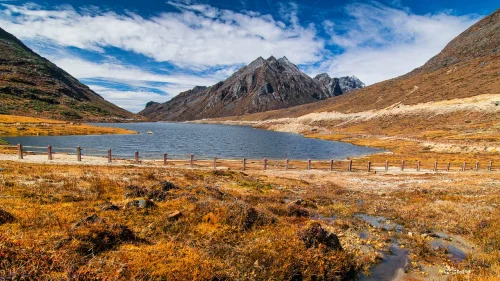
  • Ideal months: March to June and September to November are the most favorable months to visit Nuranang Waterfall, offering comfortable temperatures and excellent viewing conditions.
  • Weather conditions during the best season: Spring and autumn bring cool, pleasant weather, clear skies, and good visibility, allowing visitors to fully appreciate the waterfall's dramatic drop amidst the surrounding Himalayan landscape.
  • Periods to avoid: July and August can experience heavy monsoon rainfall, leading to slippery paths, reduced visibility, and occasional travel disruptions. During winter from December to February, snowfall and icy road conditions in the Tawang region may affect accessibility, especially along the Sela Pass route.

How to Reach Nuranang Waterfall

  • Nearest Airport: Tezpur Airport, located approximately 310 km from Nuranang Waterfall, is the nearest airport. Many travelers also use Lokpriya Gopinath Bordoloi International Airport in Guwahati, about 450 km away, due to its wider flight connectivity.
  • Nearest Railway Station: Rangapara North Railway Station, approximately 290 km away, is the nearest railway station. Visitors typically continue their journey by road via Bhalukpong, Bomdila, Dirang, and Tawang.
  • Road Access and Last-Mile Connectivity: Nuranang Waterfall is located near Jang village, around 40 km before Tawang on National Highway 13. The waterfall is easily accessible by private vehicle, taxi, or shared cab traveling between Dirang and Tawang. Visitors can reach the designated parking area directly, followed by a short walk to the viewing area. Road conditions are generally good, though travel times may increase during winter due to snowfall near Sela Pass. An Inner Line Permit (ILP) is required for Indian citizens visiting Arunachal Pradesh.

What to Expect When You Visit Nuranang Waterfall

  • Environment and Surroundings: Nuranang Waterfall, also known as Jang Falls, is a powerful cascade located near Jang on the route to Tawang. The waterfall is surrounded by forested slopes, rocky cliffs, and Himalayan mountain scenery, creating a dramatic natural setting.
  • Facilities and Amenities: Basic visitor facilities such as parking areas, viewing platforms, and small local stalls may be available near the entrance. Extensive tourist infrastructure is limited, so visitors should not expect large commercial facilities at the site.
  • Accessibility and Movement: The waterfall is easily accessible by road and requires a short walk to reach the main viewing areas. Visitors may encounter steps, uneven pathways, and wet surfaces while exploring viewpoints near the falls.
  • Visitor Conditions: Most visitors stop for sightseeing and photography while travelling between Tawang and nearby attractions. The waterfall remains active throughout much of the year, with stronger flow during and after the monsoon season. Mist from the falls and wet rocks can make certain areas slippery, requiring extra caution.

Important Visitor Information for Nuranang Waterfall

  • Nuranang Waterfall attracts the highest number of visitors during the peak travel seasons from April to June and September to November, while weekends and public holidays are typically busier.
  • Morning hours generally offer a quieter experience and clearer views of the waterfall before larger visitor groups arrive later in the day.
  • The waterfall remains impressive throughout the year, though monsoon rains can increase water flow significantly and make pathways, steps, and viewing areas slippery.
  • No specific dress code applies, but warm clothing and sturdy footwear with good grip are recommended due to the cool mountain climate and uneven terrain.
  • Visitors should exercise caution near wet rocks, railings, and steep sections around the waterfall, and remain within designated viewing areas for safety.

Photography and Viewpoints at Nuranang Waterfall

  • The best photographs are captured from the designated viewpoints near the base of Nuranang Waterfall, where the powerful cascade plunges through a rocky gorge surrounded by dense Himalayan forest.
  • Early morning provides softer lighting, fewer visitors, and clearer visibility of the waterfall, making it the preferred time for photography.
  • The viewing platforms and trails around the falls offer multiple angles for capturing the full height of the cascade, the mist-filled gorge, and the surrounding mountain landscape.
  • Post-monsoon months provide the most dramatic photography conditions, with strong water flow, vibrant greenery, and excellent contrast between the waterfall and the forested cliffs.
  • The waterfall's spray often creates rainbows on sunny days, adding unique photographic opportunities near the main viewing area.
  • Photography is generally permitted throughout the public access areas, but visitors should exercise caution on wet surfaces and remain behind safety barriers near the falls.
  • Weekday mornings usually offer quieter conditions and unobstructed viewpoints, while weekends and peak tourist seasons can attract larger numbers of visitors to the site.

Near By Attraction

 Mountain Pass

Bum La Pass

Bum La Pass is a high-altitude mountain pass on the India–China border, located about 37 kilometres from Tawang in Arunachal Pradesh.

 Lake

Madhuri Lake

Madhuri Lake, officially known as Sangestar Tso, is a high-altitude lake located near Tawang in Arunachal Pradesh, formed following an earthquake that altered the local landscape.

 War Memorial

Jaswant Garh War Memorial

Jaswant Garh War Memorial is a military memorial located near Nuranang on the Tawang–Bomdila route in Arunachal Pradesh, dedicated to Rifleman Jaswant Singh Rawat of the Indian Army.

Frequently Asked Questions About Nuranang Waterfall

Loved this place ? Let’s Plan Your Arunachal Pradesh Trip

Get customized Arunachal Pradesh tour planning designed around mountain road distances, permit requirements, seasonal weather windows, and realistic travel pacing. Whether you are visiting for monasteries, high-altitude passes, river valleys, tribal cultu

⚡ Quick Response | 💰 Free consultation | 🕒 24×7 expert support

×

Plan Your Trip