Quick Facts About Meghna Cave Temple
| Entry Fee | Free |
| Timings | 06:00 - 18:00 |
| Altitude (m) | 1240 |
| Ideal Visit Duration (hrs) | 0.75 |
| Best Time of Day | Morning |
| Crowd Level | Low |
| Distance from City Centre (km) | 3 |
| Walking Difficulty | Moderate |
| Parking Available | Yes |
| Last Mile Access | Walk |
| Suitable for Kids | Yes |
| Suitable for Seniors | Partial |
| Wheelchair Friendly | No |
Why Visit
Meghna Cave Temple is worth visiting for travelers seeking a quiet and lesser-known spiritual site in Ziro. It offers an opportunity to experience a natural limestone cave that has been converted into a modest place of worship, reflecting local Hindu traditions in a tranquil forested setting.
Atmosphere
The atmosphere inside and around the cave is serene and meditative. The natural rock formations create a cool, slightly dim environment that contrasts with the bright forest outside. The site is calm, with occasional sounds of local birds and forest wildlife, making it ideal for reflection or quiet exploration.
What Makes It Special
What makes Meghna Cave Temple special is its combination of natural geology and spiritual purpose. The cave’s limestone formations provide a unique setting for Hindu idols, and its location slightly away from Ziro town ensures minimal crowds. Unlike larger temples, it maintains an intimate and personal feel, allowing visitors to connect with both nature and local religious practices in a peaceful environment.
History
Meghna Cave Temple was established as a local Hindu worship site within a natural limestone cave. The cave has been used by devotees for generations, providing a secluded and peaceful space for prayers and offerings. Its origins are tied to the local community's spiritual practices rather than any large-scale organized temple construction.
The temple features small idols and shrines inside the cave, maintained by local families and devotees who visit regularly. Over time, it has become a recognized spiritual stop for visitors to Ziro, blending natural cave formations with simple religious elements in a modest and functional way.
Best Time to Visit
The best time to visit Meghna Cave Temple is from March to October, when the weather in Ziro is mild and trekking to the cave is comfortable. During these months, the forest trail is safer to navigate, and the cave interior benefits from natural daylight, making it easier to see the idols and rock formations. Avoid visiting during heavy monsoon rains as the trail can become slippery and unsafe.
- March to May offers pleasant weather with clear skies and moderate temperatures, ideal for walking the short forest trail.
- June to September is the monsoon season; occasional showers and muddy paths can make access challenging, though the forest is lush and green.
- October provides dry and crisp conditions, making it a comfortable time for both trekking and exploring the cave interior.
- Winter months (November to February) are colder and may make the walk to the cave uncomfortable due to low temperatures, though the site is less crowded.
- Morning to early afternoon is the best time of day to visit for natural light inside the cave and safer trekking conditions.
How to Reach
- By air, the nearest airport is Dibrugarh in Assam, about 280 km from Ziro. From Dibrugarh, travelers need to hire a private taxi or take shared transport to Ziro via Naharlagun and Itanagar.
- By train, the closest major railway station is Naharlagun near Itanagar, around 115 km from Ziro. From Naharlagun, shared taxis and buses connect to Ziro through scenic but winding mountain roads.
- By road, Ziro is well-connected to Itanagar and surrounding towns via NH 13 and state highways. Private taxis, shared sumos, and occasional buses are available. The drive from Itanagar takes 4–5 hours along hilly terrain.
- From Ziro town center, Meghna Cave Temple is approximately 3 km away. Visitors can reach the trailhead by local taxi or on foot.
- The last stretch to the cave requires a short uphill trek of about 10–15 minutes through uneven forested paths, so comfortable shoes are recommended.
- The area is accessible year-round, but monsoon rains can make the trek slippery and require extra caution.
- No permits are required to visit the temple as it is located within the Ziro settlement area.
What to Expect When You Visit
- A short trek through forested paths leading to a natural limestone cave housing Hindu idols and small shrines.
- Modest cave interior with limited space, containing a few idols, religious offerings, and seating areas for devotees.
- Peaceful and serene environment, ideal for quiet reflection or meditation, with very low visitor crowd compared to major temples.
- Uneven floors and natural rock formations inside the cave; visitors need to watch their footing while walking or climbing small steps.
- Limited facilities: no shops, restrooms, or food stalls near the cave, so visitors should carry water and necessary essentials.
- Cool and slightly damp conditions inside the cave, even during warm months, making it advisable to wear light layers.
- Photography is allowed, but care should be taken not to disturb ongoing prayers or place objects near idols.
- The visit is brief, typically lasting 30–45 minutes, making it suitable as a short stop while exploring Ziro’s natural and cultural sites.
Important Visitor Information
- Crowd and Weather Notes: The temple is usually quiet with very few visitors. Weather in Ziro can be cool and misty, especially in the early morning and monsoon season, so prepare for damp conditions on the trek.
- Peak and Quiet Hours: Peak visiting hours are late morning to early afternoon when locals may visit for prayers. Quiet hours are early morning or late afternoon, ideal for solitude and photography.
- Dress Code: Modest clothing is recommended out of respect for the religious nature of the site. Comfortable shoes are essential for the trek to the cave.
- Safety Notes: The trek to the cave involves uneven forested paths and small steps; visitors should watch their footing. Children and seniors should be accompanied and assisted. Slippery conditions may occur during rain, and care is needed near damp or mossy rock surfaces.
Photography and Viewpoint
- Photography inside the cave is allowed, but visitors should avoid using flash directly on the idols and respect devotees who may be praying.
- Natural light from the cave entrance provides good conditions for capturing the interior rock formations and small shrines, especially in the morning.
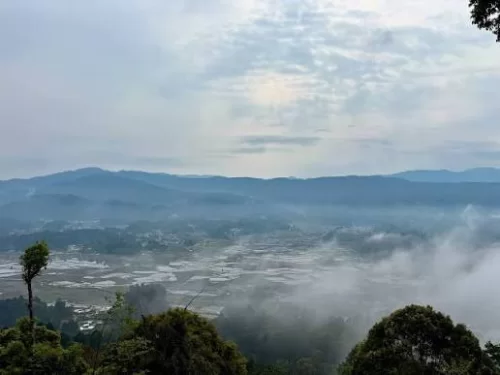
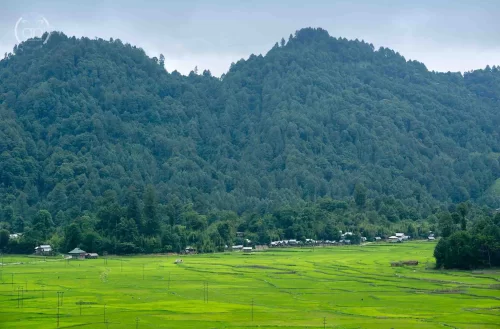
- Outdoor photography along the forest trail offers opportunities to capture lush greenery, moss-covered rocks, and glimpses of the surrounding Ziro valley.
- The cave itself does not offer panoramic viewpoints, but the short trek gives occasional views of the settlement area and surrounding hills from the trail.
- Tripods can be used cautiously on level areas outside the cave, but inside the cave, uneven surfaces make handheld photography more practical.
- Visitors are encouraged to maintain a respectful distance from idols and offerings when photographing, keeping the spiritual atmosphere intact.
- Early morning or late afternoon provides softer lighting for both trail and cave shots, enhancing textures of rocks and the natural environment.