Hari Village Ziro Arunachal Pradesh

Hari Village , Ziro
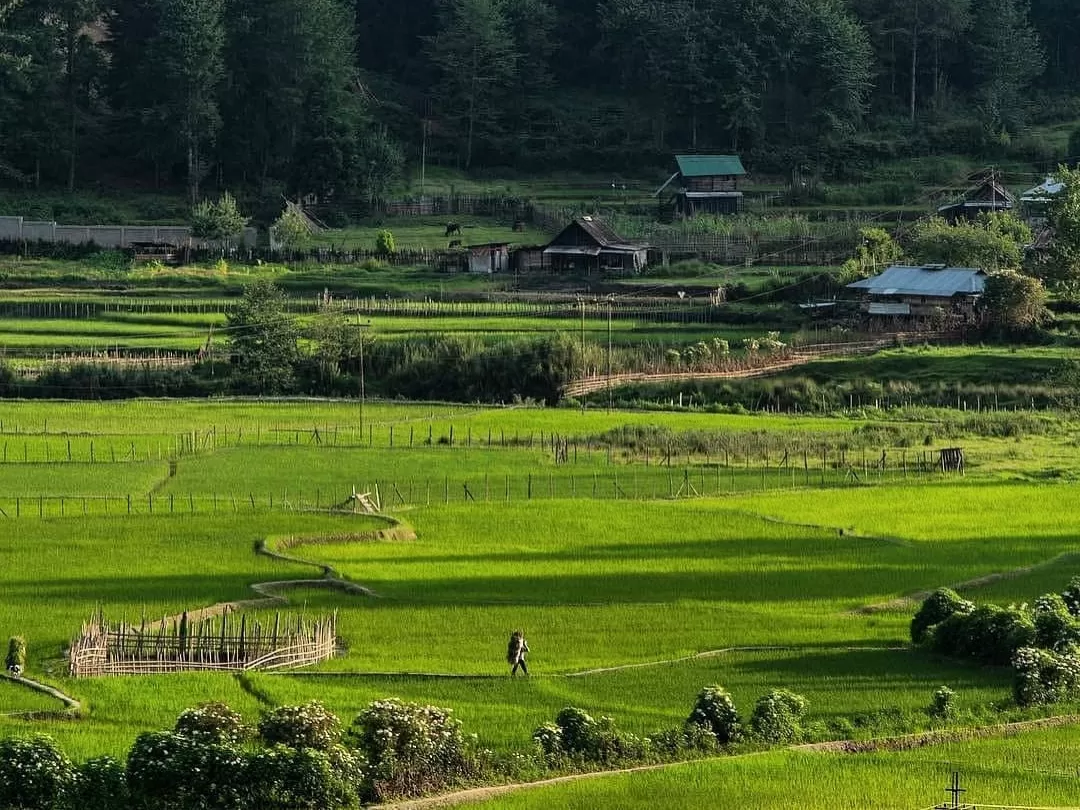
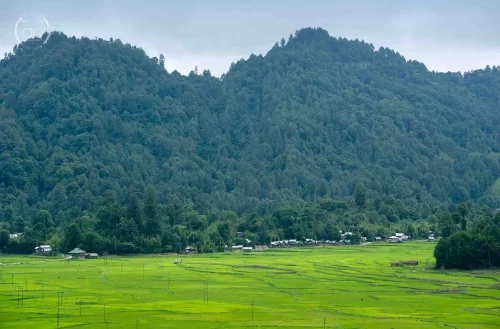
Hari Village is one of the most authentic Apatani tribal villages in Ziro Valley, offering visitors a glimpse into the traditional lifestyle, customs, and architecture of the Apatani people. The village is famous for its well-maintained bamboo houses, wet rice cultivation system, and intricate indigenous practices. Walking through the village, visitors can observe traditional farming methods, community life, and interact with the locals to learn about their customs and folklore. The surrounding landscape, with terraced fields, small hills, and bamboo groves, adds to the charm, making it a perfect destination for cultural tourism and photography. Hari Village is easily accessible by road from Ziro town.

Quick Facts About Hari Village

Entry Fee Free
Timings 06:00 - 17:00
Altitude (m) 1550
Ideal Visit Duration (hrs) 2
Best Time of Day Morning / Evening
Crowd Level Low / Moderate
Distance from City Centre (km) 8
Walking Difficulty Moderate
Parking Available Yes
Last Mile Access Walk
Suitable for Kids Yes
Suitable for Seniors Yes
Wheelchair Friendly No

Why Visit

Hari Village is a must-visit for travelers interested in experiencing authentic Apatani tribal culture and traditional village life in Ziro Valley. The village offers an immersive glimpse into centuries-old customs, bamboo architecture, and unique agricultural practices.

Atmosphere

The atmosphere in Hari Village is tranquil and culturally rich, with the daily life of the Apatani people unfolding amid green paddy fields and bamboo houses. Visitors can hear traditional sounds of village life, from farming activities to local conversations, enhancing the immersive experience.

What Makes It Special

Hari Village stands out for its preservation of Apatani traditions, including wet rice cultivation, bamboo house architecture, and community-based living. The scenic terraced fields, unique cultural practices, and warm hospitality of the locals make it a distinctive destination for cultural tourism and photography.

History

Hari Village is one of the oldest Apatani tribal settlements in Ziro Valley, known for its long-standing traditions and sustainable way of life. The village has preserved its unique wet rice cultivation system and bamboo architecture for generations, reflecting the Apatani people’s deep connection with the land and community-centered lifestyle.

The Apatani of Hari Village follow traditional practices that have been passed down over centuries, including indigenous farming techniques, social governance, and rituals linked to agricultural cycles. The village serves as a living example of cultural continuity and environmental harmony in Arunachal Pradesh.

Best Time to Visit

The best time to visit Hari Village is from March to October when the weather is pleasant, skies are clear, and the terraced fields are lush green. These months are ideal for exploring the village, observing traditional practices, and capturing stunning photographs.

  • March to May: Mild temperatures and bright days are perfect for walking through the village and interacting with locals.
  • June to September: Monsoon season enhances the greenery of paddy fields, though trails may be slippery; bring suitable footwear.
  • October: Cool, dry weather offers comfortable conditions for exploring the village and surrounding landscapes.
  • Early morning and late afternoon visits provide the best lighting for photography and a peaceful experience with minimal disturbance.

How to Reach

  • By Air: The nearest airport is Dibrugarh in Assam, about 280 km from Ziro. From Dibrugarh, travelers can hire taxis or shared vehicles to reach Ziro via Naharlagun and Itanagar.
  • By Train: The closest railway station is Naharlagun near Itanagar, around 115 km from Ziro. From there, taxis or buses can take visitors to Ziro over scenic hilly roads.
  • By Road: Ziro is connected via NH 13 and state highways. Private taxis, shared sumos, and occasional buses link Ziro with nearby towns and Itanagar.
  • Hari Village is approximately 8 km from Ziro town center and can be reached by a short drive followed by a walk along narrow village paths.
  • The last stretch involves walking on unpaved paths; comfortable shoes are recommended for safety and ease of movement.
  • No permits are required to visit Hari Village, as it is open to the public for cultural tourism and exploration.

What to Expect When You Visit

  • A traditional Apatani village with bamboo houses, terraced paddy fields, and scenic surroundings.
  • Opportunity to observe local farming practices, especially the unique wet rice cultivation system.
  • Interaction with villagers to learn about their customs, folklore, and daily life.
  • Quiet, serene environment suitable for photography, cultural exploration, and nature walks.
  • Narrow, unpaved village paths; visitors should wear comfortable shoes and be cautious while walking.
  • Low visitor numbers ensure a peaceful and immersive experience in authentic tribal life.
  • Ideal for families, culture enthusiasts, and travelers seeking a meaningful and educational visit.
  • Typical visit duration is 1.5 to 3 hours depending on interest in exploring, photography, and interacting with locals.

Important Visitor Information

  • Crowd & Weather Notes: Hari Village generally experiences low to moderate crowds. The best weather is from March to October, while monsoon months may make village paths slippery.
  • Peak / Quiet Hours: Early mornings and late afternoons are the best times to visit for minimal crowds, pleasant temperatures, and better photography opportunities.
  • Dress Code: Comfortable, casual clothing is recommended. Sturdy walking shoes are essential for navigating narrow, unpaved village paths.
  • Safety Notes: Exercise caution on uneven paths and near water channels in the village. Supervise children and seniors. Carry water and basic essentials, as facilities within the village are limited.

Photography and Viewpoint

  • Hari Village provides excellent opportunities for cultural and landscape photography, with traditional bamboo houses and terraced paddy fields as primary subjects.
  • Early morning and late afternoon offer soft natural lighting, ideal for capturing the village’s serene ambiance and vibrant greenery.
  • Wide-angle shots work well to include the village layout, surrounding hills, and fields, while close-ups can capture intricate bamboo architecture and farming details.
  • Walking along village paths allows photographers to find unique angles, including interactions of locals during daily activities.
  • No formal viewpoints exist, so the best perspectives are discovered by exploring the village naturally and respectfully.
  • The calm environment ensures minimal disturbances, making it suitable for both amateur and professional photographers.
  • Visitors should respect privacy and local customs when photographing people and property, maintaining ethical and responsible photography practices.

Near By Attraction

Subansiri River serene emerald waters flowing past sandy banks and forested hills in Arunachal Pradesh Tour Package. River

Subansiri River

The Subansiri River in Ziro is a pristine river known for its scenic beauty and tranquil surroundings, ideal for nature lovers and photographers.

Seeh Lake serene mountain lake surrounded by dense green forests and tranquil natural beauty in Arunachal Pradesh Tour Package. Lake

Seeh Lake

Seeh Lake in Ziro is a tranquil natural lake known for its scenic surroundings and peaceful environment.

Siikhe Lake Chabo tranquil lakeside pathway with calm waters and scenic green hills in Arunachal Pradesh Tour Package. Lake

Siikhe lake Chabo Ziro

Siikhe Lake in Chabo, Ziro is a serene freshwater lake surrounded by scenic landscapes and lush greenery.

Frequently Asked Questions About Hari Village

The best time to visit Hari Village is between October and April when the weather in Ziro Valley remains cool and comfortable. Monsoon months in Arunachal Pradesh may bring heavy rainfall that can affect rural road conditions.
Hari Village is located in Ziro Valley and is known for its traditional Apatani houses and scenic surroundings. It is accessible by road from the main town areas of the valley.
Hari Village can be reached within 15 to 20 minutes from Hapoli by taxi or private vehicle. The roads are generally motorable and pass through picturesque paddy fields.
Hari Village is worth visiting for its traditional wooden houses, bamboo structures, and authentic rural atmosphere. It offers travelers a practical glimpse into daily life in Ziro Valley.
Most visitors spend around one to two hours exploring Hari Village at a relaxed pace. The duration depends on interest in photography and interaction with local residents.
Hari Village is suitable for travelers seeking cultural experiences and peaceful village walks. The calm environment allows visitors to observe local lifestyle respectfully.
Homestays are available in and around Hari Village, offering simple and comfortable accommodation options. Advance booking is advisable during festival seasons in Ziro Valley.
Visitors should carry comfortable walking shoes, drinking water, and light warm clothing when visiting Hari Village. Evenings in Arunachal Pradesh can become cooler throughout the year.
Parking near Hari Village is usually available along village roadside areas. During peak tourist season in Ziro Valley, space may be limited so arriving earlier is helpful.
Hari Village can easily be included in a Ziro Valley sightseeing itinerary along with nearby villages and natural spots. Its accessible location makes it convenient for a half day exploration plan.

Loved this place ? Let’s Plan Your Arunachal Pradesh Trip

Get customized Arunachal Pradesh tour planning designed around mountain road distances, permit requirements, seasonal weather windows, and realistic travel pacing. Whether you are visiting for monasteries, high-altitude passes, river valleys, tribal cultu

⚑ Quick Response | πŸ’° Free consultation | πŸ•’ 24Γ—7 expert support

×

Plan Your Trip