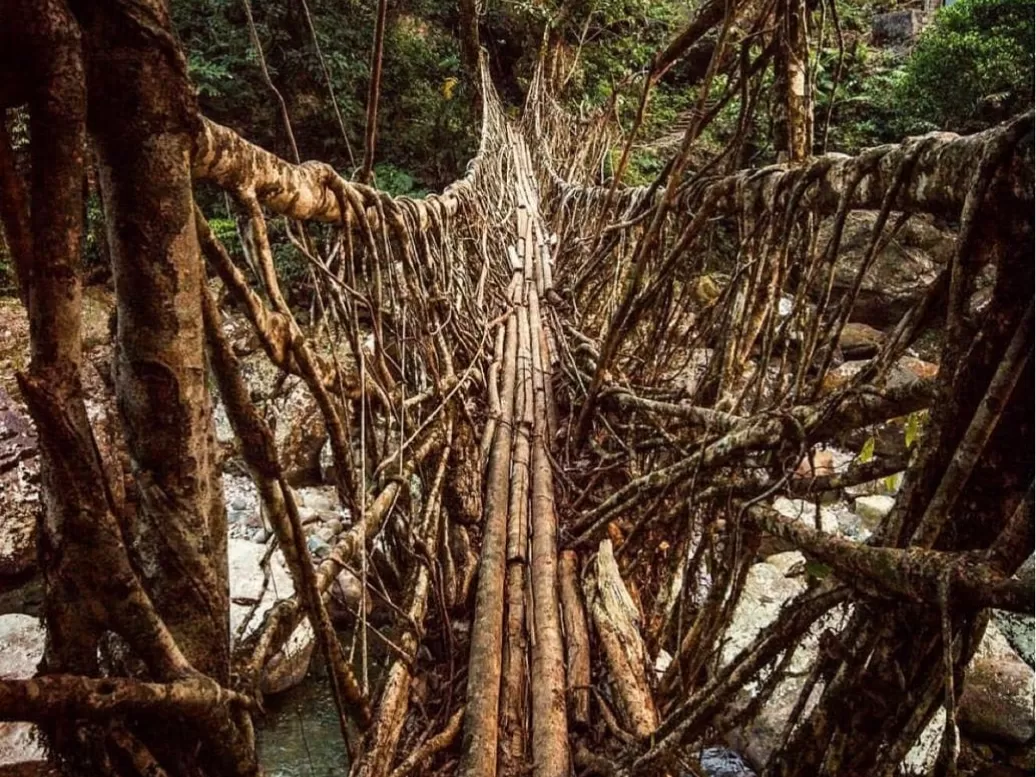
Bamboo and Cane Hanging Bridges, Daporijo, Upper Subansiri District, Arunachal Pradesh, India

Bamboo and Cane Hanging Bridges , Daporijo
Visitors experience local engineering methods, cross rivers safely, and capture views of surrounding forested areas while observing daily life in nearby villages.

Quick Facts About Bamboo and Cane Hanging Bridges

Entry Fee Free
Timings 00:00 - 23:59
Altitude (m) 800
Ideal Visit Duration (hrs) 1
Best Time of Day Morning
Crowd Level Low
Distance from City Centre (km) 30
Walking Difficulty Moderate
Parking Available No
Last Mile Access Trek
Suitable for Kids No
Suitable for Seniors No
Wheelchair Friendly No

Why Visit Bamboo and Cane Hanging Bridges, Daporijo, Arunachal Pradesh

Visitors come to the Bamboo and Cane Hanging Bridges to experience traditional local engineering and cross rivers or streams in remote areas near Daporijo. These bridges are practical for villagers and provide travelers with insight into indigenous construction methods.

On the ground, the bridges are lightweight, slightly swaying structures made entirely from bamboo and cane, with river valleys or forested slopes below. Crossing them requires careful steps, giving a tactile sense of connection with the natural surroundings.

What makes the Bamboo and Cane Hanging Bridges distinct is their combination of cultural heritage and functional design in an isolated landscape. Unlike modern pedestrian bridges, they offer travelers a hands-on, immersive experience of traditional Arunachal Pradesh infrastructure and rural life.

Bamboo and Cane Hanging Bridges, Arunachal Pradesh

Bamboo and cane hanging bridges are traditional pedestrian bridges found in various rural areas of Arunachal Pradesh, typically spanning small rivers and streams. They are constructed using locally sourced bamboo, cane, and ropes, providing practical connectivity for villages.

These bridges sway with movement and require careful footing, offering visitors a firsthand experience of traditional engineering in the Himalayan region. They are primarily functional for local residents but attract travelers for photography and short crossings.

The condition and stability of each bridge vary depending on maintenance and seasonal weather, particularly during monsoon months when river levels rise. Travelers are advised to exercise caution while crossing.

The bridges are set within natural surroundings, often framed by forested hills, riverbanks, and agricultural land, making them both practical and scenic features of the local landscape.

Bamboo and Cane Hanging Bridges, Daporijo, Arunachal Pradesh, India

The Bamboo and Cane Hanging Bridges in Daporijo are traditional pedestrian suspension bridges constructed using bamboo, cane, and local timber. They span small rivers and streams, providing essential connectivity between villages and agricultural areas in Upper Subansiri district.

These bridges exemplify local engineering adapted to the Himalayan terrain, combining lightweight materials with flexible suspension design to withstand seasonal water flow and monsoon currents. They are narrow and intended for foot traffic only.

Visitors often cross these bridges for short walks or photography, gaining a close-up view of local life and the surrounding riverine landscapes. The structures remain functional and culturally significant rather than developed as formal tourist attractions.
How to Reach Bamboo and Cane Hanging Bridges, Daporijo, Arunachal Pradesh, India

  • Nearest airport: Lilabari Airport, Assam, approximately 200 km from Daporijo, is the closest airport with limited flight options. Guwahati International Airport, Assam (around 370 km away), offers better connectivity to major Indian cities.
  • Nearest railway station: Harmuti Railway Station, Assam, about 170 km from Daporijo. From there, visitors must hire a taxi or shared vehicle to reach Daporijo and the bridge sites.
  • Road access and last-mile connectivity: Daporijo is connected via NH-13 (Arunachal Frontier Highway) and local district roads. The Bamboo and Cane Hanging Bridges are located near Daporijo town, with motorable roads leading close to the approach points. A short walk along local trails is required to reach the bridges. Road conditions can be narrow and prone to landslides during the monsoon (June–September), so travel may take longer in adverse weather. An Inner Line Permit (ILP) is mandatory for Indian tourists visiting Arunachal Pradesh.

What to Expect When You Visit Bamboo and Cane Hanging Bridges, Daporijo

  • Environment and surroundings: The Bamboo and Cane Hanging Bridges in Daporijo span small rivers or streams in rural areas, surrounded by forests, farmland, and village settlements. The natural setting is quiet and scenic, with green vegetation and occasional river views from the bridges.
  • Facilities and amenities: There are no built facilities such as restrooms, seating, or food stalls near the bridges. Visitors should carry water and personal essentials. The bridges are primarily functional for local pedestrian use rather than developed tourist attractions.
  • Accessibility and movement: Access to the bridges is via dirt paths or local roads, often requiring a short walk. The bridges themselves are narrow, made from bamboo and cane, and may sway with movement. Caution is needed while crossing, and they are not suitable for people with mobility challenges.
  • Typical visitor behavior and conditions: Visitors generally cross the bridges carefully, take photographs, and observe the river and village scenery. Foot traffic is light, mostly locals, with occasional tourists stopping to experience the structure. Slippery surfaces may occur after rain.
  • Limitations and constraints: The bridges have limited weight capacity and are not reinforced for heavy loads. There are no safety railings beyond basic bamboo sides. Weather conditions, such as strong winds or rain, can make crossing risky. Mobile connectivity is often weak or absent.

Important Visitor Information for Bamboo and Cane Hanging Bridges, Daporijo, Arunachal Pradesh

  • Crowd and weather notes: These bridges are most visited between October and April when weather is dry and river levels are manageable. Monsoon months (June to September) bring high water levels and slippery bamboo surfaces, making crossings riskier.
  • Peak and quiet visiting hours: Mid-morning to early afternoon is the busiest period when tourists and local villagers use the bridges. Early mornings are quieter, providing safer and more peaceful crossings.
  • Dress code: No formal dress code applies. Visitors should wear sturdy, closed-toe footwear and comfortable outdoor clothing suitable for walking on narrow and sometimes uneven bamboo planks.
  • Safety notes and practical cautions: The bridges can sway and have minimal railings in some sections. Avoid overcrowding, supervise children closely, and do not cross during strong winds or heavy rain. Mobile connectivity is limited in surrounding areas, so plan visits during daylight hours.

Photography and Viewpoints at Bamboo and Cane Hanging Bridges, Daporijo, Arunachal Pradesh

  • The best photography angles are from the riverbanks at either end of the bridges, allowing full-span shots that highlight the traditional bamboo and cane structure against the flowing river.
  • Side-on perspectives along the length of the bridge emphasize the suspension design and surrounding forested slopes, especially during the post-monsoon season when greenery is vibrant.
  • Early morning between 6:30 am and 9:00 am provides soft light and minimal pedestrian activity, ideal for capturing symmetry and reflections in the water.
  • Afternoon sunlight can cast shadows along the deck, affecting detail visibility; overcast days produce even lighting suitable for close-up structural photography.
  • Pedestrian traffic is light in the mornings but can increase later in the day, requiring patience for unobstructed wide-angle shots.
  • Drone photography may require local authorization due to proximity to sensitive border areas and the fragile nature of the bridges.
  • The bridge deck can be uneven or slippery, so caution is needed for low-angle shots or tripod placement near edges.

Near By Attraction

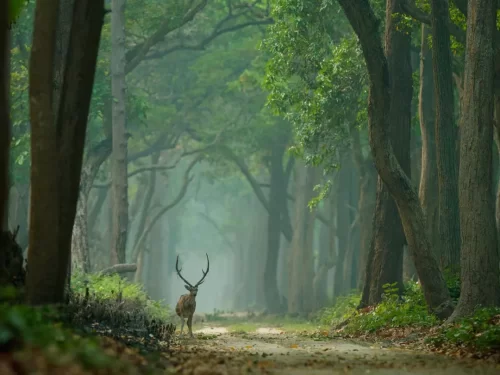
Sigem Daporijo Reserve Forest dense green woodland with a deer walking along a misty trail in Arunachal Pradesh Tour Package. Forest

Sigem Daporijo Reserve Forest

Sigem Reserve Forest is a protected forest area near Daporijo known for its biodiversity and native flora and fauna.
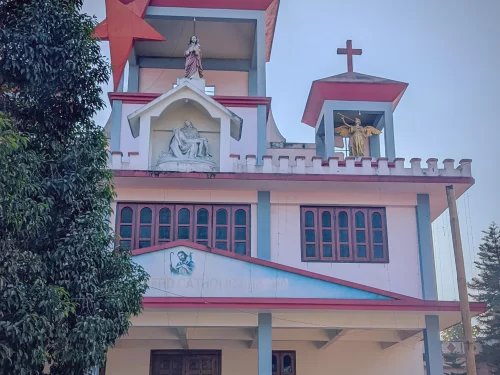
Good Shepherd Catholic Church in Arunachal Pradesh with cross tower and religious statues Church

Good Shepherd Catholic Church

Good Shepherd Catholic Church is a local parish church serving the Christian community in Daporijo.

Frequently Asked Questions About Bamboo and Cane Hanging Bridges

Bamboo and Cane Hanging Bridges are located in various districts of Arunachal Pradesh especially around Pasighat and nearby villages. These traditional bridges are built using locally sourced bamboo and cane over rivers and streams.
Bamboo and Cane Hanging Bridges can be reached by road from towns such as Pasighat followed by short village walks. Local taxis or private vehicles are commonly used to access nearby villages.
The best time to visit Bamboo and Cane Hanging Bridges is between October and April when weather conditions are dry and river levels are moderate. Monsoon months may bring heavy rainfall and slippery pathways.
Bamboo and Cane Hanging Bridges are popular for showcasing indigenous engineering skills and rural craftsmanship. Travelers often visit for photography and to experience traditional village connectivity methods.
Bamboo and Cane Hanging Bridges are generally safe for walking when maintained properly by local communities. Visitors should cross carefully one at a time and avoid jumping or shaking the structure.
There are no accommodation options directly at most Bamboo and Cane Hanging Bridges so travelers usually stay in nearby towns like Pasighat. Basic hotels and guesthouses are available in town areas.
Bamboo and Cane Hanging Bridges have no commercial tourist facilities such as restrooms or restaurants. Visitors should plan essentials in advance before heading to village locations.
Most travelers spend 20 to 40 minutes at Bamboo and Cane Hanging Bridges for walking across and photography. These bridges are usually included as short stops in a broader regional itinerary.
Bamboo and Cane Hanging Bridges may become difficult to access during peak monsoon due to high river flow and muddy trails. Checking local conditions before visiting is advisable.
Travelers visiting Bamboo and Cane Hanging Bridges should carry comfortable footwear drinking water and light rain protection during wet months. Moving cautiously while crossing the bridge is important for safety.

Loved this place ? Let’s Plan Your Arunachal Pradesh Trip

Get customized Arunachal Pradesh tour planning designed around mountain road distances, permit requirements, seasonal weather windows, and realistic travel pacing. Whether you are visiting for monasteries, high-altitude passes, river valleys, tribal cultu

⚑ Quick Response | πŸ’° Free consultation | πŸ•’ 24Γ—7 expert support

×

Plan Your Trip