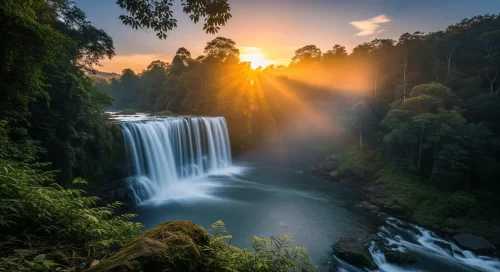
What Makes Arunachal Pradesh a Unique Travel Region
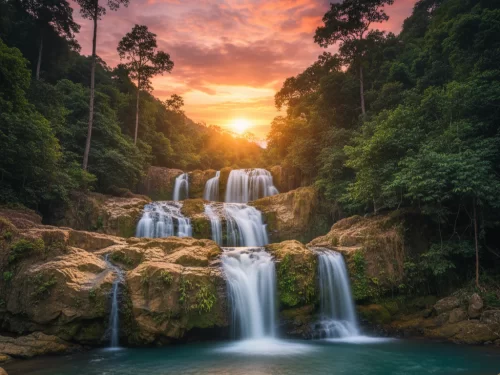
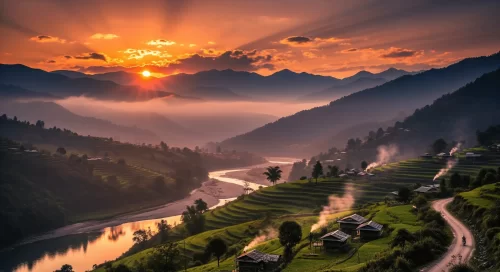
Arunachal Pradesh is one of India’s most remote and least densely populated Himalayan states, where thick forests, high mountain passes, and river valleys stretch across vast distances. Unlike more commercial hill destinations, travel here involves long road journeys, inner line permit regulations, and limited infrastructure in several districts. The region is home to diverse indigenous tribes, each with distinct languages, festivals, and architectural styles. Landscapes range from snow-bound peaks in the west to tropical forests in the east, making Arunachal a destination defined by raw terrain and cultural diversity rather than mass tourism.
- Geography: Eastern Himalayan mountains, dense forests, river basins, and high-altitude passes.
- Culture: Multiple indigenous tribal communities with unique traditions and festivals.
- Travel vibe: Remote, slow-paced, permit-regulated, and infrastructure-limited in parts.
- Distinct experience type: Long-distance mountain road journeys, monastery regions, and tribal cultural exploration.
Popular Tourist Circuits Across Arunachal Pradesh
Travel in Arunachal Pradesh is defined by vast distances, limited road networks, and significant altitude variation from foothill plains to high Himalayan passes above 4,000 meters. Journeys are time-consuming due to mountainous terrain, river crossings, and weather-sensitive roads. An Inner Line Permit is mandatory for most visitors, and certain border areas may have restricted access. Snow can close high passes in winter, while monsoon brings landslides and road disruptions. Travel should be planned region by region over 6 to 10 days or more, with realistic driving hours and gradual altitude gain where applicable.
| Circuit Type |
Areas Covered (generic descriptions only, no place names) |
Ideal Duration (realistic and safety based) |
Travel Style |
| Eastern Foothill and River Valley Circuit |
Low-altitude plains, river belts, forest reserves, tribal settlements |
4–5 days |
Road-based exploration with moderate travel hours |
| Western High Mountain Circuit |
High-altitude monasteries, snow-bound passes, alpine valleys, border regions |
5–7 days (with gradual ascent) |
Permit-based mountain travel with altitude management |
| Central Cultural and Nature Circuit |
Forest valleys, traditional villages, mountain towns, river landscapes |
4–6 days |
Scenic road journey with light exploration and cultural interaction |
| Remote Frontier Circuit |
Border highlands, sparsely populated plateaus, rugged mountain terrain |
6–8 days |
Expedition-style travel requiring permits, sturdy vehicles, and schedule flexibility |
| Extended Cross-Region Circuit |
Foothills, central valleys, and high mountain regions combined gradually |
10–14 days |
Phased long-distance journey with buffer days for weather and road conditions |
Best Time to Travel to Arunachal Pradesh
The best time to travel to Arunachal Pradesh depends on whether you prefer clear Himalayan views, cool mountain air, or lush green landscapes after seasonal rains.
| Season |
Months |
Weather Conditions |
Travel Suitability |
| Spring |
March to May |
Pleasant temperatures, blooming valleys, and clear mountain visibility |
Highly suitable for sightseeing, cultural exploration, and comfortable travel across varied elevations |
| Summer |
June to September |
Moderate temperatures with regular rainfall and dense greenery |
Ideal for travelers who appreciate vibrant landscapes and cooler hill weather with a quieter atmosphere |
| Autumn |
October to November |
Crisp air, stable weather, and excellent Himalayan views |
Well suited for scenic journeys, photography, and pleasant outdoor experiences |
| Winter |
December to February |
Cold weather with snowfall in higher altitudes and clear skies in lower regions |
Best for travelers prepared for chilly conditions who wish to experience peaceful mountain settings |
How Travelers Usually Explore Arunachal Pradesh
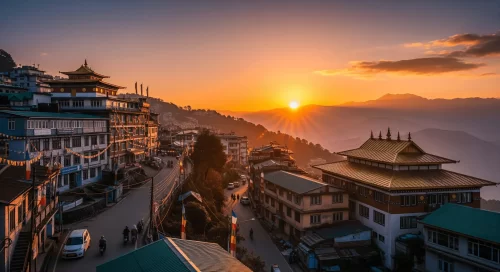
Travelers usually enter Arunachal Pradesh via Guwahati or Dibrugarh Airport in Assam, followed by long mountain drives to reach interior districts. Tezpur is another common road entry point for western routes. Tawang, Dirang, Ziro, and Pasighat serve as key bases depending on the chosen circuit. Travel pacing is slow due to high-altitude passes, forested terrain, and varying road conditions. Most itineraries are designed as region-specific circuits, as covering the entire state in a single trip is impractical.
- Road Travel: Primary mode of exploration; SUVs are recommended for routes crossing passes like Sela and remote valleys.
- Rail: No extensive rail network inside the state; Naharlagun near Itanagar has limited connectivity, while Guwahati remains the main railhead.
- Local Transport: Hired taxis and local jeeps operate in towns; public transport options are limited in remote districts.
- Day Trips vs Circuits: Tawang and Ziro require multi-day circuits, while short local sightseeing can be done around base towns.
Culture, Food & Everyday Life in Arunachal Pradesh
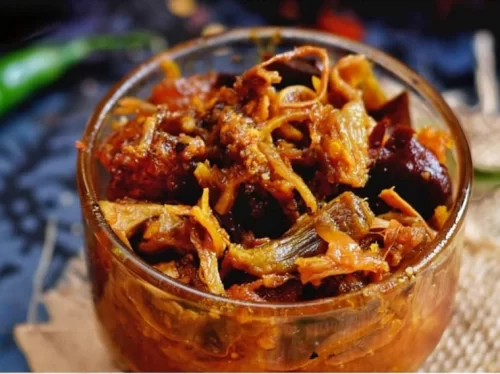
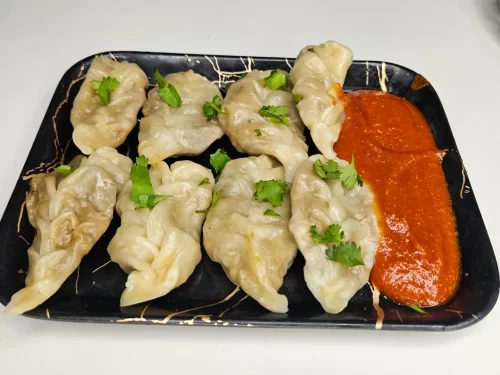
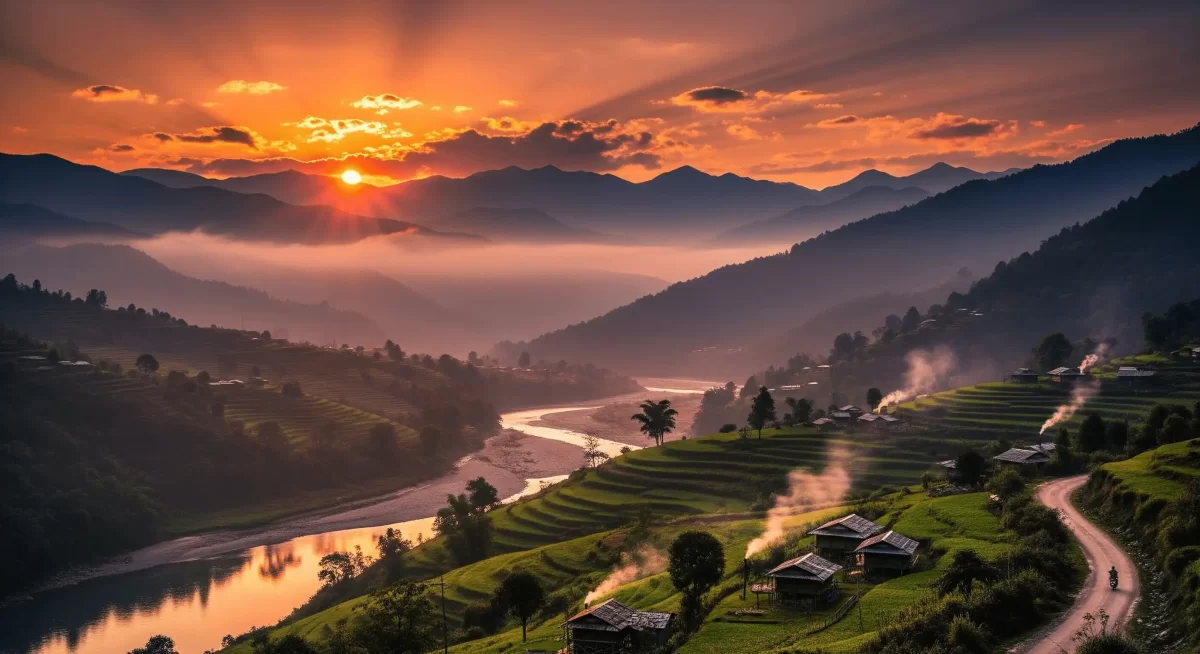
Life in Arunachal Pradesh is shaped by dense forests, high mountain ranges, and river valleys that often limit connectivity and encourage strong community bonds. Climate varies from humid subtropical zones to cold alpine regions, influencing housing styles, farming cycles, and clothing suited for heavy rainfall or winter cold. Many communities maintain tribal traditions where customary laws, clan identity, and collective decision-making remain central to social structure. Food habits are practical and closely tied to local ecology — rice is a staple, complemented by smoked meats, bamboo shoots, fermented preparations, and foraged produce that support nourishment in remote terrain. The pace of life feels deeply rooted in land and tradition; travelers often notice authenticity, cultural pride, and a rhythm guided more by nature than by external pressures.
- Forest and mountain-influenced lifestyle
- Tribal community governance and clan identity
- Rice-based, smoked and fermented food culture
- Nature-paced, tradition-centered daily rhythm





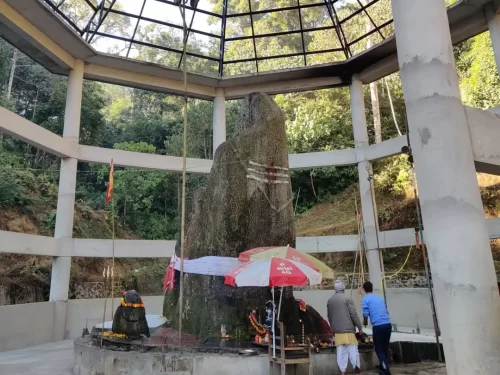
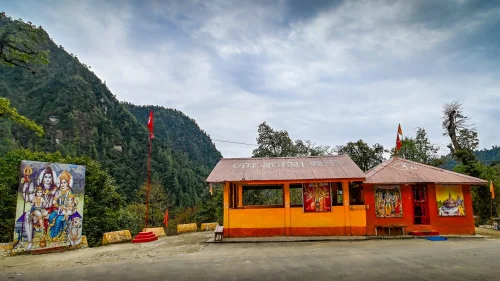 Temple
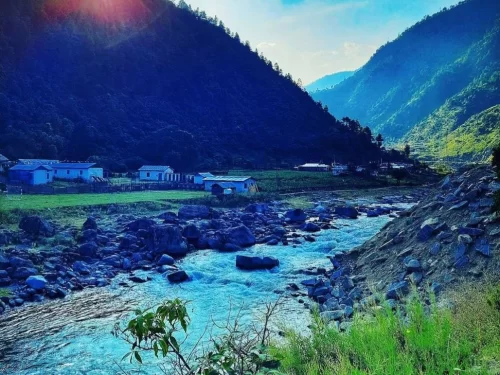 Valley
 Temple