+91 9910402252
admin@chalbanjare.com


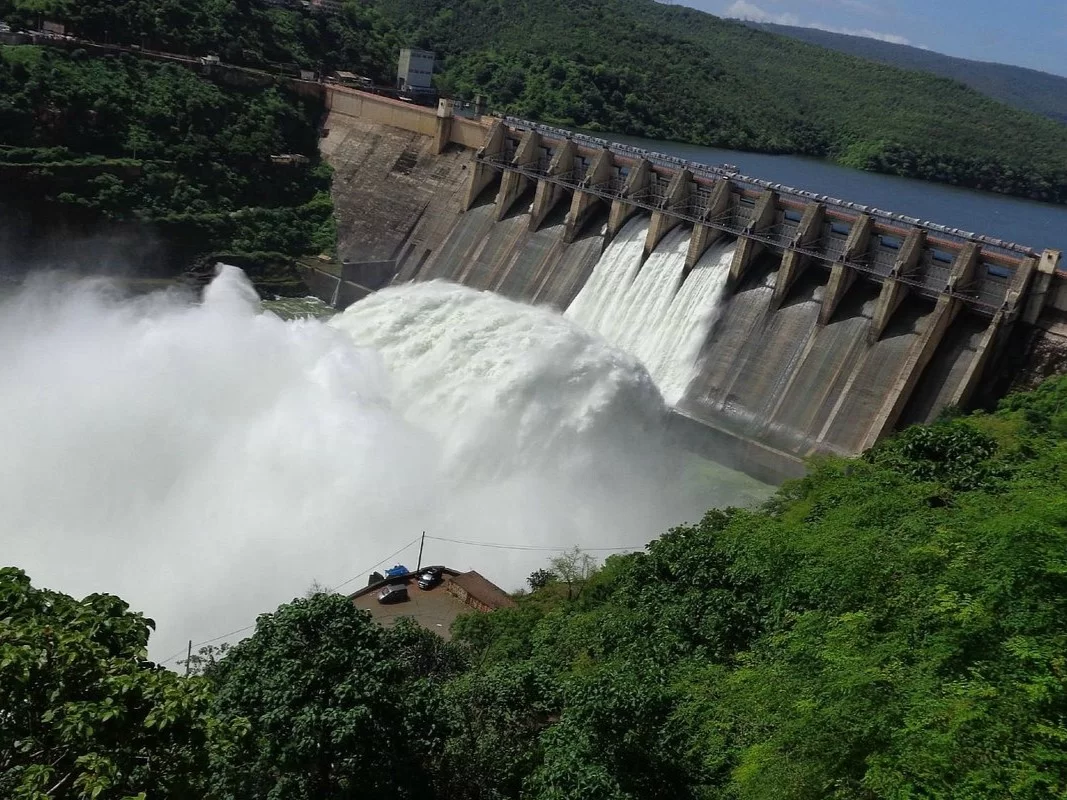
| Entry Fee | No general entry fee to view the dam from public viewpoints, separate charges may apply for boating activities in the reservoir area |
|---|---|
| Timings | Accessible throughout the day, best visited between 6 00 AM and 6 00 PM for clear views and safety |
| Altitude (m) | Located at approximately 295 meters above sea level across the Krishna River |
| Ideal Visit Duration | Forty five minutes to one and a half hours for sightseeing and photography |
| Best Time of Day | Morning hours for clear visibility or late afternoon for scenic reservoir views |
| Crowd Level | Moderate to high during monsoon season and weekends, moderate on regular weekdays |
| Distance from City Centre (km) | About 2 to 3 kilometers from Srisailam town center |
| Walking Difficulty | Low walking difficulty at designated viewpoints though some areas may involve steps |
| Parking Available | Yes parking available near main viewing points and dam access areas |
| Last Mile Access | Accessible by road via taxi bus and private vehicles directly to dam viewpoint areas |
| Suitable for Kids | Yes suitable for children with supervision near viewpoints |
| Suitable for Seniors | Yes generally suitable with easy access to main viewpoints |
| Wheelchair Friendly | Partially wheelchair accessible at main viewing platforms though some areas may have steps |
Atmosphere at Srisailam Dam is grand and scenic, where the vast reservoir of the Krishna River meets the rugged landscape of the Nallamala Hills. The panoramic views of the water stretching between forested slopes create a dramatic and refreshing setting. Cool breezes, open viewpoints, and the sheer scale of the dam structure provide visitors with an experience that feels both powerful and serene, especially during sunrise and sunset.
What makes Srisailam Dam special is its engineering significance combined with natural beauty. As one of India’s major hydroelectric and irrigation projects, the dam plays a crucial role in regional water management and power generation. Visitors can observe the impressive spillway gates, massive concrete structure, and expansive reservoir that highlight modern engineering excellence. During monsoon season, when water levels rise and gates are opened, the sight becomes particularly spectacular and draws large numbers of visitors.
Beyond its structural importance, Srisailam Dam offers opportunities for photography, sightseeing, and scenic drives through the surrounding forested hills. It attracts nature lovers, engineering enthusiasts, families, and pilgrims visiting nearby temples who wish to combine spiritual travel with natural exploration. A visit here provides a unique blend of infrastructure marvel and landscape beauty, making it one of the most impressive attractions in the Srisailam region.
Srisailam Dam, constructed across the Krishna River in Andhra Pradesh near Srisailam, is one of India’s largest and most significant multipurpose river valley projects. The foundation stone for the dam was laid in 1960, and the project was completed in stages over the following decades to serve irrigation, hydroelectric power generation, and flood control needs. It was developed as part of the broader Krishna River basin development plan to support agricultural growth and regional infrastructure.
The dam stands approximately 145 meters high and spans over 500 meters in length, creating the vast Srisailam Reservoir, one of the largest reservoirs in South India. The hydroelectric power station associated with the dam plays a crucial role in supplying electricity to both Andhra Pradesh and Telangana, contributing significantly to industrial and rural development in the region.
Beyond its engineering importance, Srisailam Dam has shaped the economic and environmental landscape of the surrounding areas. It has enhanced irrigation facilities across drought-prone districts while also becoming a prominent tourist attraction due to its scenic setting amid the Nallamala Hills. Today, it stands as a landmark of modern infrastructure and regional progress along the Krishna River.
The best time to visit Srisailam Dam depends on water levels, weather conditions, and overall travel comfort, as the site is an open outdoor destination surrounded by hills and reservoir views. Seasonal planning enhances both sightseeing and photography experiences.
October to February is considered the ideal period to visit. During these months, the weather remains cool and pleasant, making it comfortable to explore viewpoints, enjoy panoramic reservoir views, and spend time outdoors without exposure to intense heat.
March to May marks the summer season, which can be warm during the daytime. Early morning or evening visits are recommended during this period to avoid peak temperatures while still enjoying scenic landscapes and dam views.
Monsoon season from June to September brings heavy rainfall that significantly increases water levels, making the dam appear majestic and powerful. While the scenery is dramatic and lush, occasional road closures or safety restrictions may apply depending on weather conditions.
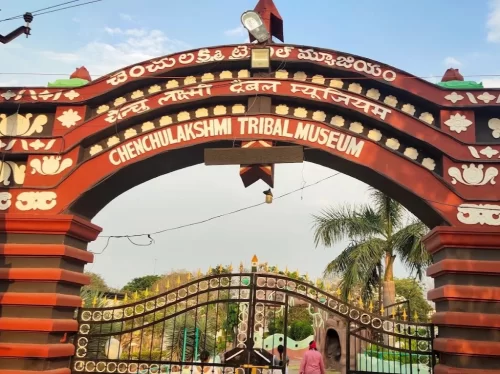 Museum
Chenchu Lakshmi Museum in Srisailam showcases the culture and lifestyle of the indigenous Chenchu tribe.
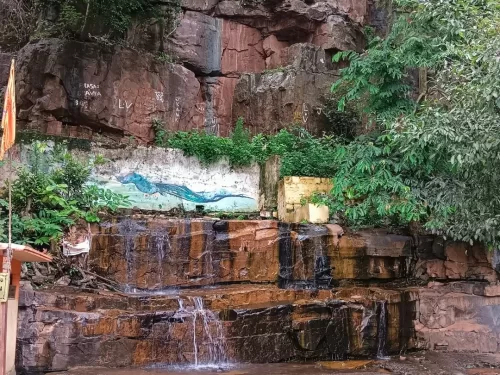 Pilgrimage Site
Phaladhara Panchadhara is a holy site in Srisailam known for its natural twin water streams.
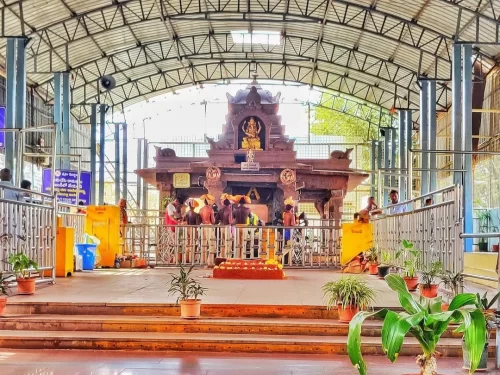 Temple
Sakshi Ganapathi Temple is a revered shrine dedicated to Lord Ganesha near Srisailam.
Get customized Andhra Pradesh tour planning designed around coastal weather patterns, temple visit flow, road travel distances, and realistic pacing across regions. Whether you are visiting for spiritual journeys, heritage sites, beach experiences, hill r
⚡ Quick Response | 💰 Free consultation | 🕒 24×7 expert support

