+91 9910402252
admin@chalbanjare.com


| Entry Fee | Free (donation box may be present) |
| Timings | 10:00 AM - 5:00 PM (closed days can vary; confirm locally) |
| Altitude (m) | Approx. 10 m |
| Ideal Visit Duration | 30-60 minutes |
| Best Time of Day | Late morning to afternoon (indoor museum visit) |
| Crowd Level | Low |
| Distance from City Centre (km) | Approx. 9 km from Rajamahendravaram city centre |
| Walking Difficulty | Easy |
| Parking Available | Limited (near museum and barrage area) |
| Last Mile Access | Accessible by car/auto; short walk from roadside parking |
| Suitable for Kids | Yes |
| Suitable for Seniors | Yes |
| Wheelchair Friendly | Partially (ground-level access likely; internal layout may have tight sections) |
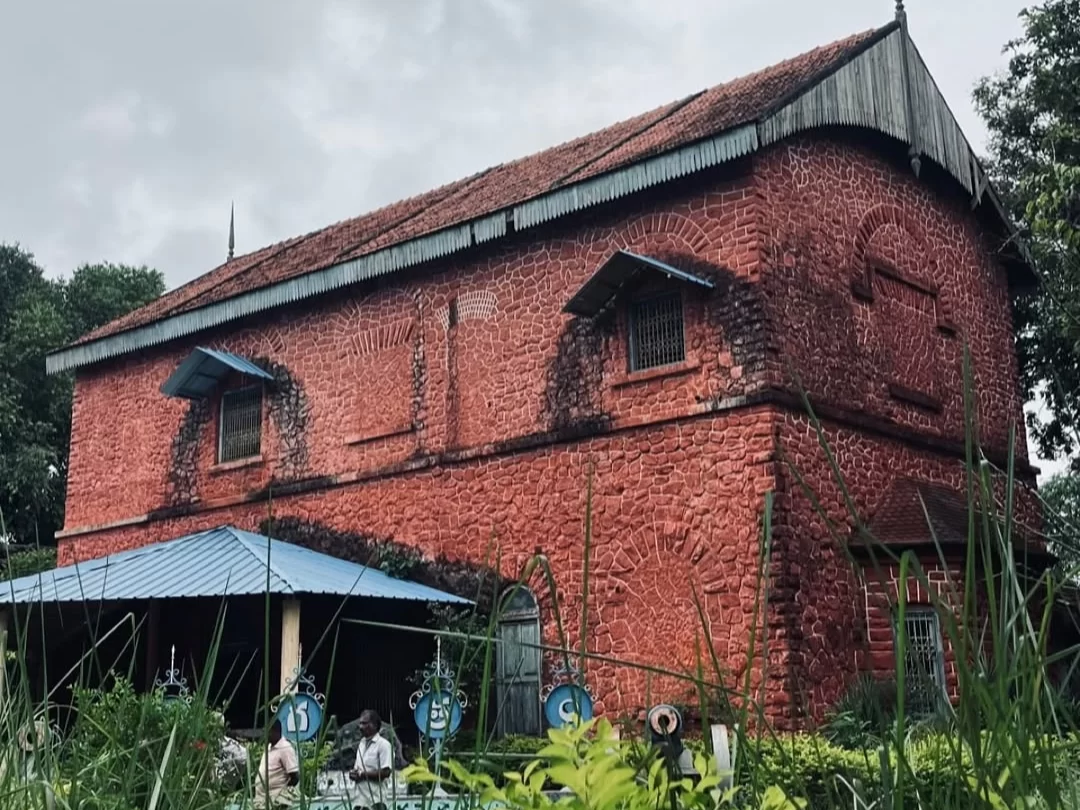
Visitors come to the Sir Arthur Cotton Museum at Dowleswaram near Rajamahendravaram to understand how the Godavari’s irrigation system was engineered and why the barrage became so important to the region. The museum focuses on the work associated with Sir Arthur Cotton and the development of canal and barrage infrastructure that transformed the delta. It’s a practical stop for travelers who want context beyond just viewing the river.
The on-ground atmosphere is quiet and informational, with galleries displaying maps, models, photographs, and engineering-related exhibits. The setting feels more like a small civic museum than a tourist attraction, so visits are usually unhurried and crowd-free. Many travelers combine it with a stop at the Dowleswaram Barrage for a fuller picture of the site.
What makes the Sir Arthur Cotton Museum distinct for travelers is its rare focus on irrigation engineering as a cultural story of the Godavari delta. Unlike museums built around art or royal collections, this one explains how water management shaped everyday life, agriculture, and settlement patterns. It adds depth to a trip through the Rajamahendravaram region by connecting the landscape to real infrastructure.
Sir Arthur Cotton Museum, located near the Dowleswaram Barrage in Rajamahendravaram, is dedicated to the life and engineering achievements of Sir Arthur Cotton, the British engineer who designed the original Godavari anicut in the mid-19th century. The museum was established to preserve the history of the irrigation project that transformed the Godavari delta into one of the most productive agricultural regions in India.
The exhibits document the planning and construction of the Dowleswaram anicut completed in 1852, along with models, historical photographs, maps, and engineering records related to the development of irrigation systems across the Godavari basin. The museum highlights how controlled river management significantly improved farming and reduced the impact of floods in the region.
Today, Sir Arthur Cotton Museum serves as an educational site for visitors interested in the engineering history of the Godavari River and the development of large-scale irrigation in colonial India. Its location adjacent to the modern Dowleswaram Barrage reinforces its connection to the region’s water management legacy.
The best time to visit the Sir Arthur Cotton Museum near Rajamahendravaram is from November to February, when cooler, less humid weather makes it comfortable to combine the museum visit with nearby riverfront stops like Dowleswaram Barrage without the fatigue of peak summer heat.
Sir Arthur Cotton Museum in Dowleswaram is a small heritage museum focused on the life and engineering work of Sir Arthur Cotton, closely connected to the Dowleswaram Barrage project on the Godavari. The visit is brief and informational, with exhibits that are simple rather than highly interactive.
The Sir Arthur Cotton Museum at Dowleswaram, near Rajamahendravaram, is dedicated to the life and engineering legacy of Sir Arthur Cotton and the construction of the Dowleswaram Barrage. The compact museum combines historical photographs, scale models, engineering drawings, and archival displays, making it more suitable for documentary-style photography than wide architectural compositions.
 Lake
Lake
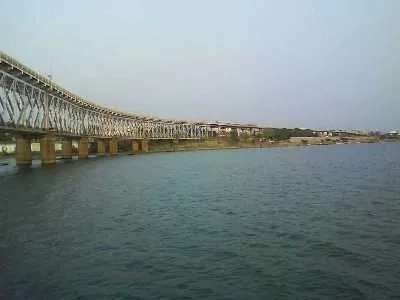
Pattiseema is a river island village on the Godavari, known for the Sri Veerabhadra Swamy Temple.
 Adventure Park
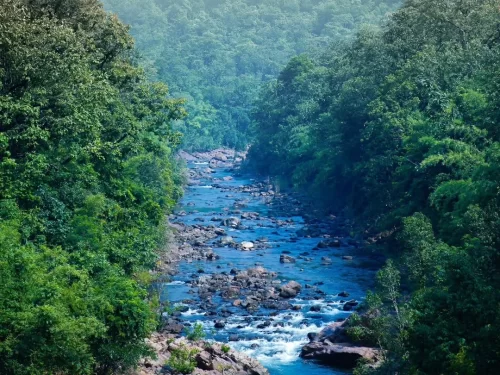
Maredumilli is a forested hill area in the Eastern Ghats commonly visited as a day trip or overnight trip from Rajamahendravaram.
 Adventure Park
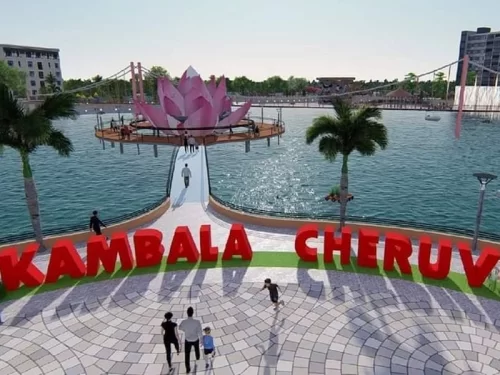
Kambala Cheruvu Park is an urban lakefront park developed around Kambala Cheruvu in the city center.
Get customized Andhra Pradesh tour planning designed around coastal weather patterns, temple visit flow, road travel distances, and realistic pacing across regions. Whether you are visiting for spiritual journeys, heritage sites, beach experiences, hill r
⚡ Quick Response | 💰 Free consultation | 🕒 24×7 expert support