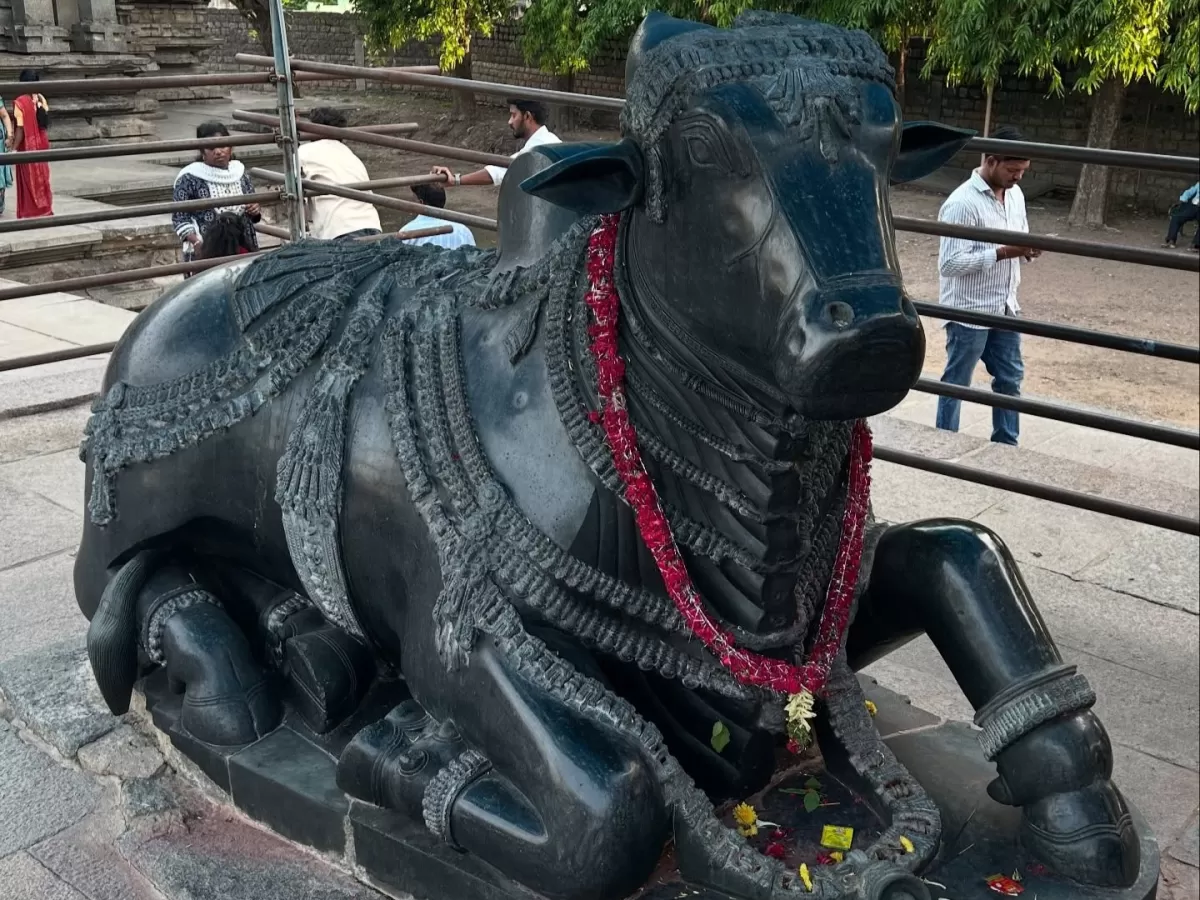
Monolithic Nandi, Lepakshi, Andhra Pradesh, India

Monolithic Nandi , Lepakshi
Visitors come to see the Monolithic Nandi for its size, craftsmanship, and detailed carvings. The statue is an iconic example of Vijayanagara-era sculpture and is situated within the temple precinct.

Quick Facts About Monolithic Nandi

Quick Facts: Monolithic Nandi, Lepakshi

Entry Fee No entry fee
Timings 06:00–19:00 daily
Altitude (m) Approx. 275 m above sea level
Ideal Visit Duration 20–40 minutes
Best Time of Day Morning for photography and cooler temperatures
Crowd Level Moderate; busier during weekends and festivals
Distance from City Centre (km) Approx. 120 km from Vijayawada city centre
Walking Difficulty Easy; short walk from temple complex parking
Parking Available Yes; near the Monolithic Nandi site
Last Mile Access Accessible by foot from temple complex; taxis and autos available
Suitable for Kids Yes; open and safe area
Suitable for Seniors Yes; short walk and mostly level ground
Wheelchair Friendly Partial; paved areas accessible, assistance may be required

Why Visit Monolithic Nandi, Lepakshi

Visitors come to Monolithic Nandi, Lepakshi to see the massive granite sculpture of Nandi, the bull vehicle of Lord Shiva. The site attracts devotees, art historians, and travelers fascinated by ancient craftsmanship and monumental sculpture.

On the ground, the atmosphere is calm and contemplative. The sculpture sits in an open courtyard, allowing visitors to walk around it, observe its detailed carvings, and appreciate the scale and artistry of the monolith.

Monolithic Nandi is distinct for travelers because of its enormous size and fine detailing, which are rare among similar sculptures. Unlike typical temple statues, it offers a unique opportunity to experience a single, massive piece of stone art in a historic setting.

Monolithic Nandi, Lepakshi – Context for Tourists

The Monolithic Nandi is a massive granite statue located in Lepakshi, Andhra Pradesh, near the Veerabhadra Swamy Temple. It represents Nandi, the sacred bull and vehicle of Lord Shiva.

Carved from a single granite rock, the statue measures approximately 4.5 meters in height and 8 meters in length, showcasing the craftsmanship of the Vijayanagara period.

Visitors can view the intricately sculpted Nandi, take photographs, and appreciate the scale and artistry of this monolithic structure, making it an essential stop for cultural and historical tourism in Lepakshi.

Best Time to Visit Monolithic Nandi, Lepakshi

Monolithic Nandi is best visited during the cooler, dry months when walking around the massive sculpture and exploring the Lepakshi temple complex is comfortable and safe.
  • Ideal months: October to February
  • Weather conditions during the best season: Daytime temperatures between 20°C and 28°C with low humidity, making it easier to appreciate the scale of the Nandi sculpture and capture photography
  • Periods to avoid: March to June due to high summer heat; July to September because monsoon rains can make surrounding areas slippery and affect accessibility

How to Reach Monolithic Nandi, Lepakshi

  • Nearest Airport: Bengaluru International Airport (BLR) is approximately 120 km from Lepakshi. Travel by taxi or app-based cab takes around 3–3.5 hours depending on traffic conditions.
  • Nearest Railway Station: Hindupur Railway Station is about 15 km away. Visitors can hire taxis or auto-rickshaws to reach the Monolithic Nandi.
  • Road Access and Last-Mile Connectivity: The Monolithic Nandi is located near the Veerabhadra Swamy Temple complex in Lepakshi, accessible via NH544 and local roads. Private vehicles, taxis, and local buses provide last-mile connectivity. Parking is available near the site, but it may be limited during peak tourist hours and festival days.

What to Expect When You Visit Monolithic Nandi, Lepakshi, Andhra Pradesh, India

  • Environment and Surroundings: The Monolithic Nandi is located in an open courtyard near the Veerabhadra Swamy Temple in Lepakshi. Expect a dry and sunny environment with minimal shade, and the large stone sculpture is set against traditional temple architecture.
  • Facilities and Amenities: Facilities include seating areas around the courtyard and drinking water nearby. Public restrooms are available within the temple complex. Informational signage provides details about the Nandi’s history and architectural significance.
  • Accessibility and Movement: The site is mostly flat and paved, making it accessible for walking. Wheelchair access is limited, and visitors should be cautious on the stone floors, which can be uneven in places.
  • Typical Visitor Behavior and Conditions: Visitors include pilgrims, tourists, and art enthusiasts. Crowds are moderate, with higher footfall during festivals and holidays. Visitors are expected to maintain silence and avoid touching or climbing the sculpture. Photography is allowed in the open courtyard.

Important Visitor Information for Monolithic Nandi, Lepakshi

  • Crowds and Weather: The site attracts moderate visitors, with increased footfall on weekends, public holidays, and during festival periods. Summers (March–June) are hot, monsoon months (July–September) may make surrounding grounds slippery, and winters (December–February) offer the most comfortable visiting conditions. Early morning visits provide a quieter experience.
  • Visiting Hours: Open from 6:00 AM to 6:00 PM. Peak hours are 9:00 AM to 2:00 PM; visiting early morning or late afternoon ensures a calmer and more relaxed visit.
  • Dress Code: Casual, modest clothing is recommended. Comfortable footwear is suggested for walking around the open grounds.
  • Safety and Practical Notes: Stay on designated paths and avoid climbing on the monument. Supervise children closely. Carry water during hot months and follow site guidelines to ensure a safe visit.

Photography and Viewpoints at Monolithic Nandi, Lepakshi

  • Full Statue Front View: Captures the entire monolithic Nandi in context with the temple courtyard. Early morning (6:30–8:00 AM) provides soft lighting and fewer visitors. Tripods are allowed outside; avoid entering restricted zones.
  • Side and Angled Perspectives: Highlights intricate carvings and posture details of the Nandi. Mid-morning (8:30–10:30 AM) ensures balanced illumination. Maintain a respectful distance from the sculpture.
  • Close-Up of Ornamentation: Ideal for detailed shots of carvings and inscriptions on the Nandi. Late afternoon (3:30–5:00 PM) enhances textures and shadow depth. Flash photography is prohibited to preserve stone details.
  • Temple Courtyard Context: Frames the Nandi along with surrounding architecture and devotees. Early morning or late afternoon light softens shadows and enriches colors. Weekends may have higher visitor traffic, affecting unobstructed shots.
  • Panoramic and Wide-Angle Views: Offers the Nandi in relation to Lepakshi temple and landscape. Sunrise or late afternoon provides warm directional lighting. Ensure stable footing on courtyard surfaces when setting up shots.

Near By Attraction

 Temple

Durga Temple

A small Hindu shrine dedicated to Goddess Durga located in Lepakshi village.

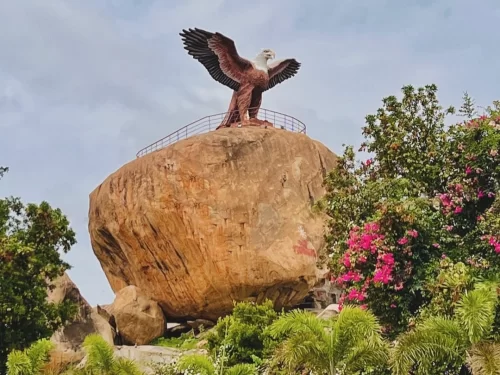
Jataayu Theme Park Lepakshi giant bird statue attraction in Andhra Pradesh tour packages. Tourist Attraction

Jataayu Theme Park

A park in Lepakshi featuring a large statue of Jatayu from the Ramayana.
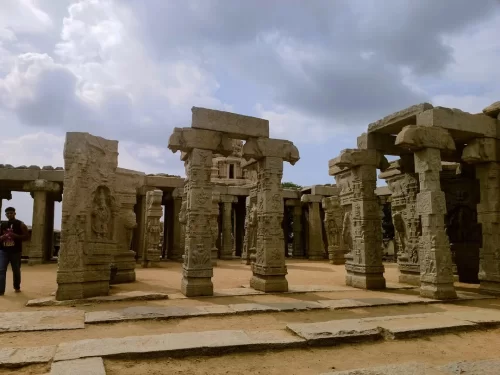
 Temple

Kalyana Mantapa

An unfinished ceremonial hall located within the Veerabhadra Swamy Temple complex in Lepakshi.
Frequently Asked Questions About Monolithic Nandi

Monolithic Nandi is located at Lepakshi in Anantapur district of Andhra Pradesh near Hindupur close to the Karnataka border.
Monolithic Nandi is one of the largest single stone Nandi statues in India, carved from a single granite block and facing the Veerabhadra Temple.
Monolithic Nandi can be reached from Bangalore by road in about 2 to 3 hours via NH44, covering roughly 120 kilometers toward Lepakshi in Andhra Pradesh.
Monolithic Nandi is open to visitors throughout the day, generally from sunrise to sunset as it is situated in an open area at Lepakshi.
There is no entry fee to visit Monolithic Nandi, though small parking charges may apply near the site in Lepakshi.
The best time to visit Monolithic Nandi is between October and March when the weather in Andhra Pradesh remains pleasant for outdoor sightseeing.
Visitors typically spend 30 minutes to 1 hour at Monolithic Nandi depending on photography and nearby exploration plans.
Parking facilities are available near Monolithic Nandi in the designated area close to the statue at Lepakshi.
Local guides may be available near Monolithic Nandi, especially those offering combined explanations for nearby temple attractions.
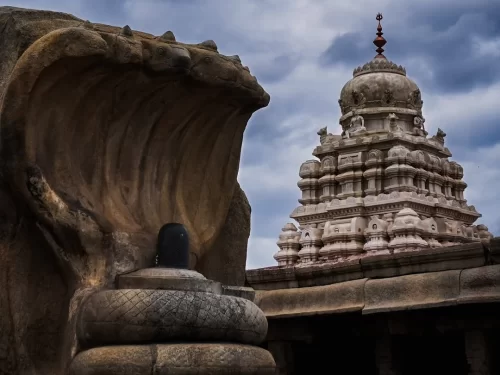
Nearby attractions from Monolithic Nandi include the Veerabhadra Temple, the Hanging Pillar, and other historical structures in Lepakshi.

Loved this place ? Let’s Plan Your Andhra Pradesh Trip

Get customized Andhra Pradesh tour planning designed around coastal weather patterns, temple visit flow, road travel distances, and realistic pacing across regions. Whether you are visiting for spiritual journeys, heritage sites, beach experiences, hill r

⚑ Quick Response | πŸ’° Free consultation | πŸ•’ 24Γ—7 expert support

×

Plan Your Trip