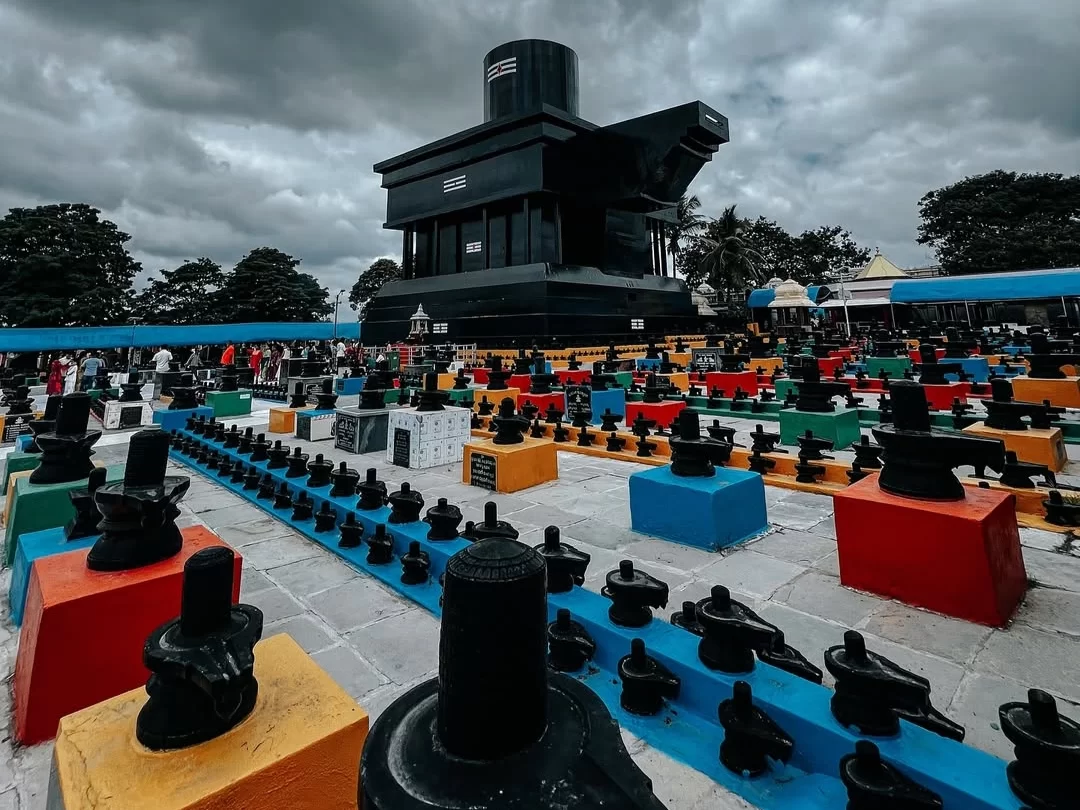
Kotilingeshwara Temple in Kotipalli (near Rajamahendravaram), Andhra Pradesh, India

Kotilingeshwara Temple , Rajamahendravaram
Tourists visit mainly for religious reasons, often as part of a Godavari–Konaseema day trip. The temple is associated with local Shiva worship traditions and the ferry-linked route across the Godavari.

Quick Facts About Kotilingeshwara Temple

Quick Facts for Kotilingeshwara Temple, Rajamahendravaram

Entry Fee Free
Timings 6:00 AM - 8:00 PM (can vary on Mondays and major Hindu festivals)
Altitude (m) Approx. 15 m
Ideal Visit Duration 45 minutes to 1.5 hours
Best Time of Day Morning (less crowded, cooler)
Crowd Level Moderate; high on Mondays and during Shivaratri
Distance from City Centre (km) Approx. 4 km from Rajamahendravaram city centre
Walking Difficulty Easy
Parking Available Yes (limited during peak hours)
Last Mile Access Car/auto accessible up to the temple entrance
Suitable for Kids Yes
Suitable for Seniors Yes
Wheelchair Friendly Partially (mostly level, but crowding can limit movement)

Why Visit Kotilingeshwara Temple Rajamahendravaram

Visitors come to Kotilingeshwara Temple Rajamahendravaram for its strong Shaivite focus and the distinctive sight of hundreds of Shiva lingams arranged across the temple grounds. The temple is a popular local place of worship, drawing devotees who visit for daily darshan, Rudrabhishekam, and Monday prayers dedicated to Lord Shiva.

The on-ground atmosphere is devotional and active, with priests guiding worshippers through offerings of water, milk, and bilva leaves while bells and chants echo through the complex. The layout encourages slow walking and pause points, as visitors move from one cluster of lingams to another. It feels more like a lived religious space than a sightseeing monument.

What makes Kotilingeshwara Temple distinct for travelers is the scale of lingam installations and the immersive ritual environment they create. Unlike temples where the experience centers only on the main sanctum, here the entire compound becomes part of the worship journey. It offers travelers a close, experience-based view of everyday Shiva devotion in the Godavari region.

History of Kotilingeshwara Temple Rajamahendravaram

Kotilingeshwara Temple in Rajamahendravaram is one of the oldest Shaivite temples in the Godavari region, dedicated to Lord Shiva in the form of Kotilingeshwara. The temple’s name reflects the tradition of worshipping multiple Shiva Lingas (“koti” meaning crore or multitude), symbolizing the infinite manifestations of Shiva.

The shrine has long been associated with the religious landscape of the Godavari riverbank, where Shaivite worship has been practiced for centuries. Historical references link the temple’s development to periods when Rajamahendravaram served as a significant political and cultural center under various South Indian dynasties, reinforcing its role as a regional place of devotion.

Today, Kotilingeshwara Temple remains an active place of worship, especially during Maha Shivaratri and other important Shaivite festivals. Its location near the Godavari adds to its ritual importance, making it a key spiritual stop for pilgrims and visitors exploring Rajamahendravaram’s historic riverfront.

Best Time to Visit Kotilingeshwara Temple, Rajamahendravaram

The best time to visit Kotilingeshwara Temple in Rajamahendravaram is from November to February, when the weather is cooler and more comfortable for darshan and spending time along the nearby Godavari riverbank without peak summer heat or heavy monsoon showers.

  • Ideal months: November to February, especially December and January for pleasant mornings and evening temple visits.
  • Weather conditions during the best season: Expect daytime temperatures typically between 20°C and 30°C with relatively lower humidity and clearer skies, making temple queues and outdoor movement more comfortable.
  • Periods to avoid: April to June due to high heat and humidity in coastal Andhra Pradesh, which can make daytime visits tiring; July to September during the monsoon, when heavy rainfall and higher river levels may affect easy access around the temple vicinity.

How to Reach Kotilingeshwara Temple Rajamahendravaram

  • Nearest Airport: Rajahmundry Airport (RJA) is the nearest airport, located approximately 18–22 km from Kotilingeshwara Temple. It has regular domestic flights to Hyderabad, Chennai, and Bengaluru. From the airport, taxis are available and the drive usually takes 40–55 minutes depending on traffic.
  • Nearest Railway Station: Rajahmundry Railway Station (RJY) is around 6–10 km from the temple and is a major stop on the Howrah–Chennai main line. It has frequent express and superfast trains from Visakhapatnam, Vijayawada, Hyderabad, Chennai, and Kolkata. Auto-rickshaws and taxis are easily available outside the station for direct access.
  • Road Access: Kotilingeshwara Temple is reachable by city roads from central Rajamahendravaram and nearby Godavari riverfront areas. Rajamahendravaram is well connected via NH 16, and local approach roads are generally paved, though traffic can slow movement during peak hours, especially near market zones.
  • Last-Mile Connectivity: Auto-rickshaws and taxis are the easiest last-mile options, as they can drop you close to the temple entrance. Parking is usually available nearby, but on Mondays, festival days, and during major puja timings, expect heavier crowds and slower access around the temple approach road.

What to Expect When You Visit Kotilingeshwara Temple Rajamahendravaram

Kotilingeshwara Temple in Rajamahendravaram is a Shiva temple known for its large number of lingams and a devotional atmosphere focused on worship rather than sightseeing. The experience is typically straightforward: darshan, prayer, and time spent walking through the lingam-filled sections of the temple grounds.

  • Environment and surroundings: The temple setting is calm and devotional, with the sound of bells, chanting, and ongoing rituals. The surroundings are urban, so the temple feels like a contained religious space within the city rather than a secluded pilgrimage destination. Expect open courtyards and temple walkways with limited shade in some areas, especially during midday.
  • Facilities and amenities: Facilities are basic but functional. You will typically find shoe storage, drinking water points, and washrooms, though cleanliness can vary depending on crowd levels. Small stalls selling flowers, coconuts, incense, and puja items are usually present near the entrance. There are no museum-style interpretation boards or tourist counters, as the site is run primarily for worship.
  • Accessibility and movement: The temple is accessible by road, and autos/taxis can reach close to the entrance. Inside, movement is generally easy, with flat walking paths around the temple structures. However, crowding near the main sanctum can slow movement during peak worship hours. Visitors with mobility concerns may still find the site manageable compared to hill temples, though some areas may have steps.
  • Typical visitor behavior and conditions: Visitors are mostly local devotees and families performing Shiva worship. Expect people carrying offerings and moving in a clockwise direction around the shrine areas. Footwear is removed before entering temple zones, and modest clothing is expected. Photography rules can vary, particularly near the sanctum. Crowds increase on Mondays, during Shivaratri, and on major Hindu festival days, when darshan queues may form.

Important Visitor Information for Kotilingeshwara Temple Rajamahendravaram

  • Crowd and Weather Notes: Kotilingeshwara Temple in Rajamahendravaram sees its highest footfall on Mondays, during Maha Shivaratri, and throughout the holy month of Karthika Masam when devotees visit for special Shiva prayers. The temple is located near the Godavari region, where the climate is warm and humid for most of the year. Summers can feel intense, while monsoon months bring heavy rain that may affect movement around the temple premises.
  • Peak and Quiet Visiting Hours: Early mornings are the busiest, especially on Mondays and festival days when devotees arrive for abhishekam and special poojas. Late morning to early afternoon on regular weekdays is generally quieter and more comfortable for darshan.
  • Dress Code: Modest traditional attire is recommended. Men typically wear full-length trousers or dhoti with a shirt, and women commonly wear saree or salwar kameez. Footwear must be removed before entering the main temple area.
  • Safety Notes and Practical Cautions: The temple premises can become crowded and compact during major Shiva festivals, so keep valuables secure and move carefully in queue lines. Floors near abhishekam areas may be wet and slippery. During monsoon season, watch your footing near outdoor sections and ensure children remain supervised at all times.

Photography and Viewpoints in Kotilingeshwara Temple Rajamahendravaram

Kotilingeshwara Temple in Rajamahendravaram is a well-known Shiva temple where rows of lingams and devotional sculptures create strong visual repetition. The temple’s open layout, detailed stonework, and active worship atmosphere make it a rewarding place for architectural and cultural photography, especially when visited during quieter hours.
  • Best Viewpoints for Photography: The most distinctive frames come from the lingam corridors or open sections where multiple lingams appear in a line, creating a natural perspective pattern. A slightly lower angle along the rows emphasizes repetition and depth. The main shrine entrance is best photographed from the central approach path to capture symmetry, while side angles within the courtyard highlight smaller shrines, bells, and sculptural details without crowding the frame.
  • Lighting Conditions and Time-of-Day Considerations: Morning light works best, as the temple spaces are brighter and shadows are softer across carved surfaces. Late afternoon can add warmth to exterior walls and courtyard areas. Midday sun can be harsh in open sections, while shaded corridors may appear too contrast-heavy if the courtyard is overexposed in the same frame.
  • Rules and Restrictions: Photography is generally permitted in outer areas, but photography inside the sanctum is often prohibited. Flash photography is inappropriate near worship areas and during puja. Some temple staff may request that you avoid photographing devotees up close, particularly during rituals. Always follow posted rules and on-site instructions.
  • Crowd and Access Factors: The temple becomes busiest during Mondays, Shivaratri, and major festival days, which makes clean symmetry shots difficult. For clearer compositions of the lingam rows and quieter courtyard frames, visit early in the morning on a weekday. During peak worship hours, movement may be guided, limiting where you can pause for photography.

Near By Attraction

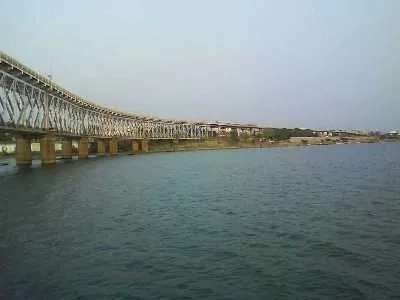
Pattiseema, Godavari River bridge and scenic water views near Pattiseema Temple in Andhra Pradesh. Lake

Pattiseema

Pattiseema is a river island village on the Godavari, known for the Sri Veerabhadra Swamy Temple.
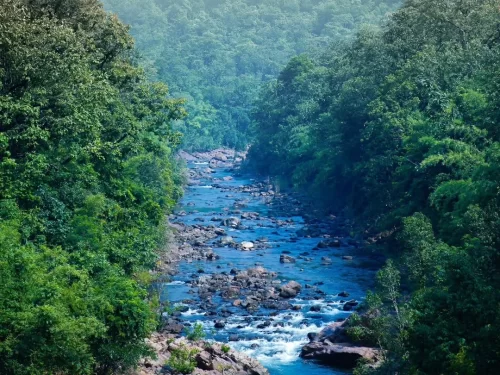
Maredumilli lush forest landscape with flowing river in Andhra Pradesh tour packages. Adventure Park

Maredumilli

Maredumilli is a forested hill area in the Eastern Ghats commonly visited as a day trip or overnight trip from Rajamahendravaram.

Kambala Cheruvu Park Rajahmundry scenic lake view and lotus structure in Andhra Pradesh tour packages. Adventure Park

Kambala Cheruvu Park

Kambala Cheruvu Park is an urban lakefront park developed around Kambala Cheruvu in the city center.

Frequently Asked Questions About Kotilingeshwara Temple

Kotilingeshwara Temple is located in Kammasandra village near Kolar in Karnataka. The temple complex lies about 6 kilometers from Kolar town and around 100 kilometers from Bengaluru, Karnataka.
Kotilingeshwara Temple can be reached by road from Kolar in about 15 to 20 minutes. Visitors from Bengaluru, Karnataka can travel by car or bus via the Bengaluru Kolar highway.
Kotilingeshwara Temple is generally open from early morning around 6 am until evening around 8 pm. Timings may vary slightly on festival days in Kolar district, Karnataka.
Kotilingeshwara Temple has a nominal entry fee for visitors. Separate charges may apply for special darshan, abhishekam, or parking as regulated by temple authorities in Karnataka.
The best time to visit Kotilingeshwara Temple is between October and March when the weather in Kolar, Karnataka is relatively pleasant. Early mornings and late afternoons are more comfortable during summer months.
Visitors typically need one to two hours to explore Kotilingeshwara Temple. This allows time to walk around the large complex and see the tall Shiva statue and numerous lingas in Kolar, Karnataka.
Kotilingeshwara Temple is suitable for families and senior citizens as most areas are open and accessible. However, walking distances inside the large campus in Kolar, Karnataka can be considerable.
Yes, parking facilities are available near the entrance of Kotilingeshwara Temple. Visitors driving from Kolar or Bengaluru, Karnataka can use the designated parking area.
Basic accommodation options are available in Kolar town near Kotilingeshwara Temple. Many visitors also choose to stay in Bengaluru, Karnataka and make a day trip to the temple.
Kotilingeshwara Temple provides basic facilities such as restrooms, drinking water, and small shops within the premises. Amenities in Kolar district, Karnataka are simple but adequate for short visits.

Loved this place ? Let’s Plan Your Andhra Pradesh Trip

Get customized Andhra Pradesh tour planning designed around coastal weather patterns, temple visit flow, road travel distances, and realistic pacing across regions. Whether you are visiting for spiritual journeys, heritage sites, beach experiences, hill r

⚡ Quick Response | 💰 Free consultation | 🕒 24×7 expert support

×

Plan Your Trip