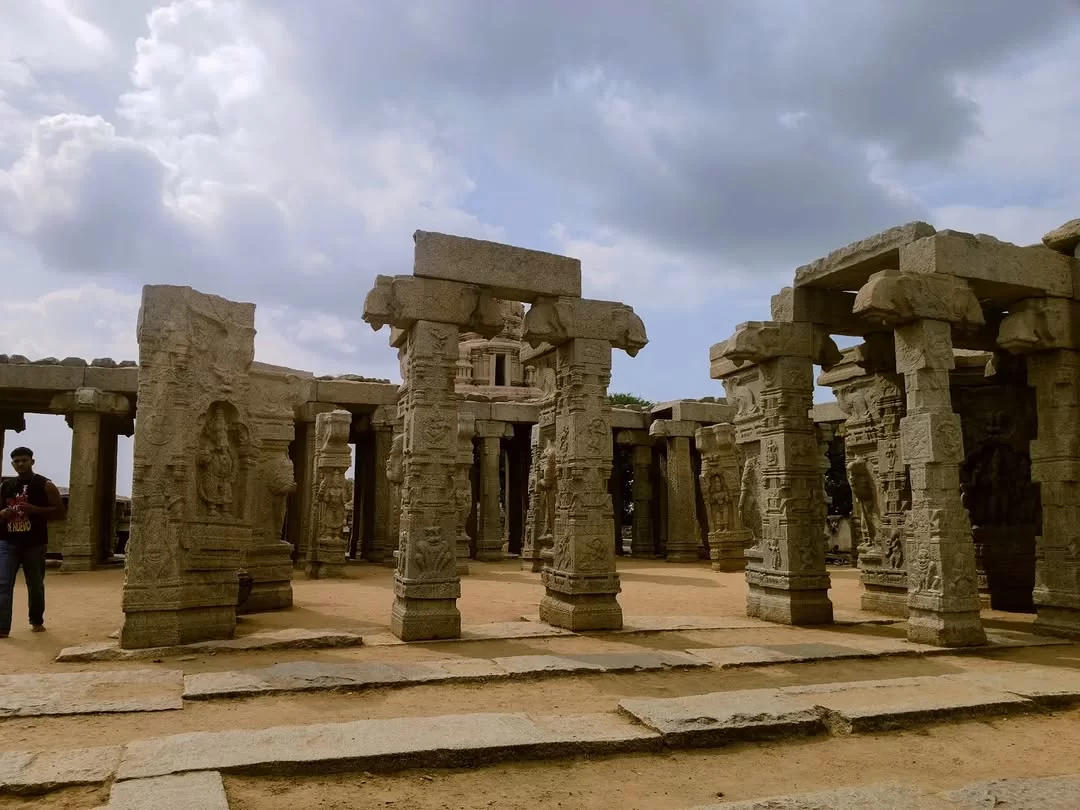
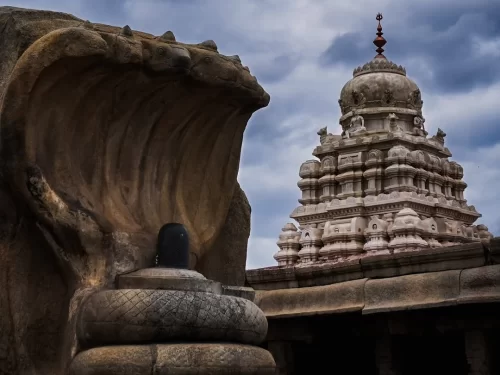
Hanging Pillar, Lepakshi, Andhra Pradesh, India

Hanging Pillar , Lepakshi
Visitors examine the Hanging Pillar to observe its partial suspension above the floor, a feature attributed to Vijayanagara-era engineering. The pillar is part of the temple’s ornate mandapa and is studied for its structural design and stone craftsmanship.

Quick Facts About Hanging Pillar

Quick Facts: Hanging Pillar, Lepakshi

Entry Fee No entry fee (inside temple premises)
Timings 06:00–19:00 daily
Altitude (m) Approx. 275 m above sea level
Ideal Visit Duration 20–30 minutes
Best Time of Day Morning for fewer crowds and better interior lighting
Crowd Level Moderate; higher during weekends and holidays
Distance from City Centre (km) Approx. 120 km from Vijayawada city centre
Walking Difficulty Easy; located within temple complex
Parking Available Yes; parking available near temple entrance
Last Mile Access Accessible by taxi, private vehicle, or local transport; short walk inside temple
Suitable for Kids Yes; safe temple premises
Suitable for Seniors Yes; minimal walking required
Wheelchair Friendly Partial; courtyard accessible, inner areas may require assistance

Why Visit Hanging Pillar, Lepakshi

Visitors come to Hanging Pillar, Lepakshi to witness one of the most intriguing architectural features of the Vijayanagara period. The pillar is famous for slightly not touching the ground, creating curiosity among travelers, devotees, and history enthusiasts.

On the ground, the atmosphere inside the temple complex feels historic and fascinating. Visitors often try passing a thin cloth or paper beneath the pillar to observe the small gap, while admiring the surrounding carved pillars and detailed ceiling paintings.

The Hanging Pillar is distinct for travelers because of its engineering mystery and precision stone craftsmanship. Unlike ordinary structural pillars, it stands as a remarkable example of ancient architectural skill that continues to amaze visitors today.

Hanging Pillar, Lepakshi – Context for Tourists

The Hanging Pillar is a unique architectural feature inside the Veerabhadra Swamy Temple in Lepakshi, Andhra Pradesh. It is famous for appearing to slightly float above the ground without full support.

Built during the Vijayanagara period, the pillar demonstrates advanced engineering skills, as a small gap can be observed between the base of the pillar and the floor.

Visitors often test the gap by passing a piece of cloth or paper underneath the pillar, making it one of the most intriguing and talked-about attractions within the temple complex.

Best Time to Visit Hanging Pillar, Lepakshi

The Hanging Pillar inside the Veerabhadra Temple complex is best explored during the cooler months when you can comfortably walk around, observe the architectural marvel closely, and spend time understanding its unique structure.
  • Ideal months: October to February
  • Weather conditions during the best season: Pleasant temperatures ranging between 20°C and 28°C with minimal humidity, making it ideal for sightseeing and photography inside the temple complex
  • Periods to avoid: March to June due to extreme summer heat; July to September because monsoon showers can make the temple premises damp and slightly slippery

How to Reach Hanging Pillar, Lepakshi

  • Nearest Airport: Kempegowda International Airport, Bengaluru (BLR) is approximately 120 km from Lepakshi. Travel by taxi or app-based cab takes around 3–3.5 hours depending on traffic conditions.
  • Nearest Railway Station: Hindupur Railway Station is about 15 km away. Visitors can hire taxis or auto-rickshaws to reach the temple complex where the Hanging Pillar is located.
  • Road Access and Last-Mile Connectivity: The Hanging Pillar is situated inside the Veerabhadra Swamy Temple complex in Lepakshi, accessible via NH44 and state highways. Private vehicles, taxis, and buses provide convenient connectivity. Parking is available near the temple premises, though it may be limited during weekends and festival seasons.

What to Expect When You Visit Hanging Pillar, Lepakshi, Andhra Pradesh, India

  • Environment and Surroundings: The Hanging Pillar is located inside the historic Veerabhadra Swamy Temple complex in Lepakshi. Expect a calm, shaded interior with intricately carved stone pillars and traditional temple architecture. The atmosphere is peaceful, with natural light filtering into the mandapa.
  • Facilities and Amenities: Basic facilities such as drinking water and restrooms are available within or near the temple premises. Small shops selling religious items and souvenirs are located outside the complex. Informational signage explains the architectural uniqueness of the pillar.
  • Accessibility and Movement: The temple floors are mostly flat stone surfaces, but some areas include steps and uneven patches. Wheelchair access is limited inside certain sections. Visitors should move carefully on the stone flooring, especially during crowded times.
  • Typical Visitor Behavior and Conditions: Visitors include devotees, architecture enthusiasts, and tourists curious about the engineering marvel. Crowds are moderate, increasing during weekends and festivals. Touching or testing the pillar by placing objects underneath is discouraged to preserve the structure. Photography is generally allowed in open areas but may be restricted in sanctum sections.

Important Visitor Information for Hanging Pillar, Lepakshi

  • Crowds and Weather: The Hanging Pillar inside the Veerabhadra Temple attracts steady visitors, especially on weekends, public holidays, and during festival days. Summers (March–June) are hot, while winters (December–February) offer the most comfortable conditions. Being inside the temple complex, the area remains relatively manageable even during warmer months.
  • Visiting Hours: Accessible during temple hours, generally from 6:00 AM to 8:00 PM. Peak hours are 9:00 AM to 1:00 PM and 5:00 PM to 7:00 PM; early morning visits provide a quieter experience.
  • Dress Code: Traditional and modest attire is recommended, as it is located within a temple. Footwear must be removed before entering the temple premises.
  • Safety and Practical Notes: Avoid touching or testing the pillar to preserve the structure. Follow temple guidelines and maintain decorum inside the premises. Supervise children closely and move carefully on stone floors.

Photography and Viewpoints at Hanging Pillar, Lepakshi

  • Full Pillar View: Captures the iconic hanging pillar slightly elevated above the ground. Early morning (6:00–7:30 AM) provides soft light and fewer visitors for clear shots. Tripods are allowed in open mandapa areas; avoid obstructing devotees.
  • Ground-Level Perspective: Ideal for highlighting the small gap beneath the pillar using low-angle photography. Mid-morning (8:30–10:30 AM) ensures balanced indoor lighting. Flash photography is prohibited inside temple halls.
  • Mandapa Wide-Angle Shot: Frames the hanging pillar within the intricately carved hall. Late morning light reduces harsh contrasts and enhances architectural depth. Maintain respectful distance from heritage structures.
  • Detail Close-Ups: Focuses on carvings and stone textures of the pillar. Late afternoon (3:30–5:00 PM) enhances shadows and fine details. Avoid touching or leaning on the structure.
  • Crowd-Free Compositions: Weekdays and early hours are best for unobstructed shots. Festivals and weekends see higher footfall, requiring patience for clear framing.

Near By Attraction

 Temple

Durga Temple

A small Hindu shrine dedicated to Goddess Durga located in Lepakshi village.

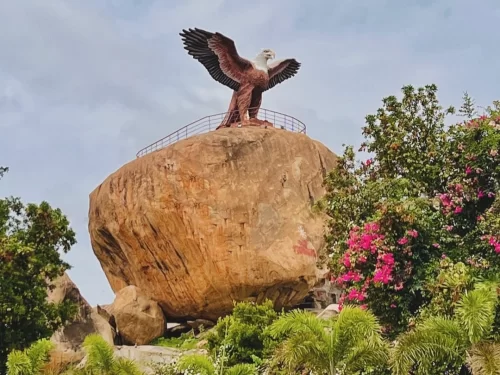
Jataayu Theme Park Lepakshi giant bird statue attraction in Andhra Pradesh tour packages. Tourist Attraction

Jataayu Theme Park

A park in Lepakshi featuring a large statue of Jatayu from the Ramayana.
 Temple

Kalyana Mantapa

An unfinished ceremonial hall located within the Veerabhadra Swamy Temple complex in Lepakshi.

Frequently Asked Questions About Hanging Pillar

Hanging Pillar is located inside the Veerabhadra Temple at Lepakshi in Anantapur district of Andhra Pradesh near Hindupur close to the Karnataka border.
Hanging Pillar is known for its unique architectural feature where one pillar slightly hangs above the ground without full contact, attracting visitors interested in temple engineering.
Hanging Pillar can be reached from Bangalore by road in about 2 to 3 hours via NH44, covering approximately 120 kilometers toward Lepakshi near Hindupur in Andhra Pradesh.
Hanging Pillar is generally open from early morning around 6 AM to evening around 6 PM, following temple timings at Lepakshi in Andhra Pradesh.
There is no major entry fee for Hanging Pillar, but small parking or camera charges may apply at the temple premises in Lepakshi.
The best time to visit Hanging Pillar is between October and March when the weather around Lepakshi in Andhra Pradesh remains comfortable for sightseeing.
Visitors usually need about 1 to 2 hours to explore Hanging Pillar along with the Veerabhadra Temple complex in Lepakshi.
Parking is available near Hanging Pillar within the designated parking area close to the temple complex at Lepakshi in Andhra Pradesh.
Local guides are sometimes available near Hanging Pillar who explain the temple architecture and demonstrate the gap beneath the pillar.
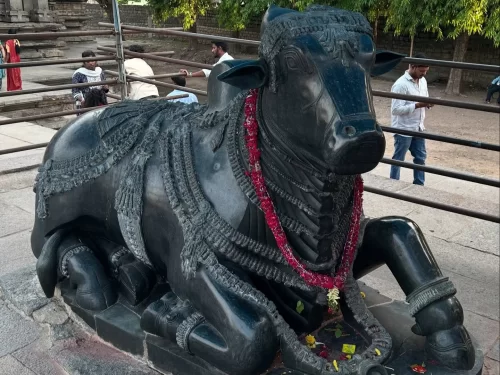
Nearby attractions from Hanging Pillar include the Lepakshi Nandi statue, Veerabhadra Temple murals, and short trips toward Hindupur or a day visit from Bangalore.

Loved this place ? Let’s Plan Your Andhra Pradesh Trip

Get customized Andhra Pradesh tour planning designed around coastal weather patterns, temple visit flow, road travel distances, and realistic pacing across regions. Whether you are visiting for spiritual journeys, heritage sites, beach experiences, hill r

⚡ Quick Response | 💰 Free consultation | 🕒 24×7 expert support

×

Plan Your Trip