+91 9910402252
admin@chalbanjare.com


| Entry Fee | Free |
| Timings | Open 24 hours |
| Altitude (m) | 200 m |
| Ideal Visit Duration | 30 minutes to 1 hour |
| Best Time of Day | Morning or evening |
| Crowd Level | Low to moderate |
| Distance from City Centre (km) | 1.5 km |
| Walking Difficulty | Easy |
| Parking Available | Yes |
| Last Mile Access | Accessible by foot from parking area |
| Suitable for Kids | Yes |
| Suitable for Seniors | Yes |
| Wheelchair Friendly | Yes |
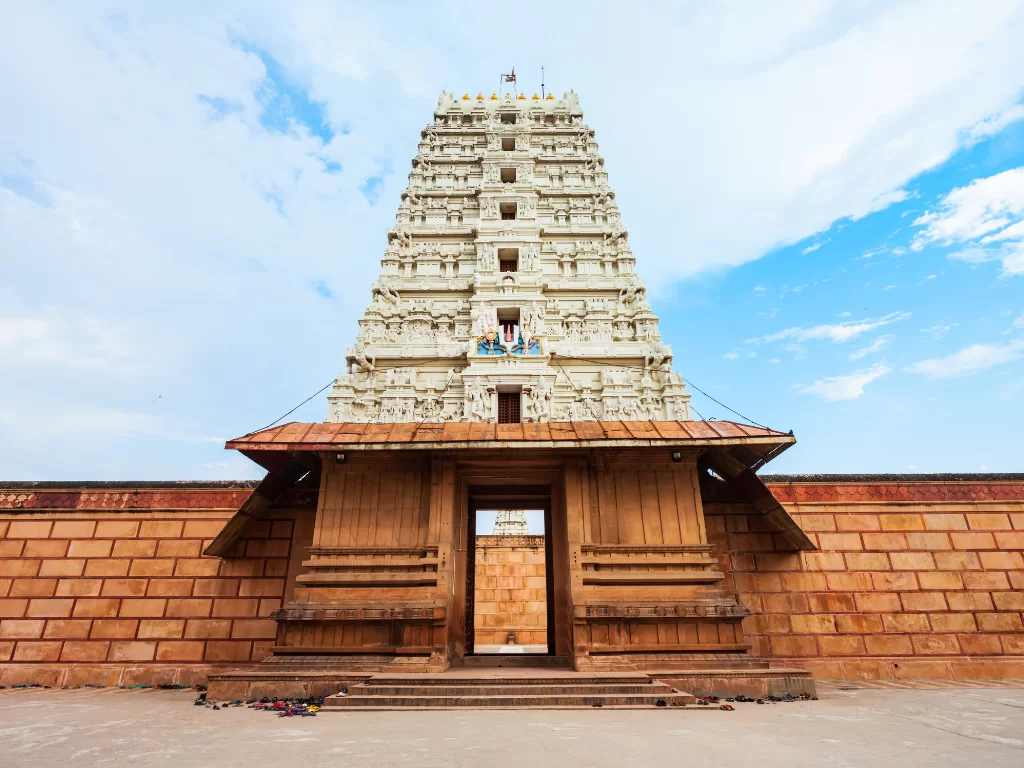
Visitors come to Gopuram in Puttaparthi for its architectural beauty and spiritual significance. This grand entrance gate, with its intricate carvings and majestic design, marks the entrance to the ashram of Sathya Sai Baba. It is an iconic symbol of the sacred grounds and serves as a welcoming point for devotees and tourists seeking to experience the spiritual energy of Puttaparthi.
The atmosphere at Gopuram is tranquil and awe-inspiring, with the sound of temple bells and the sight of devotees entering the ashram enhancing the sacred feel of the place. As you walk through the Gopuram, you are greeted by a peaceful energy that invites reflection and spiritual connection. The stunning craftsmanship and the quiet, serene environment offer a sense of reverence and peace.
What makes Gopuram distinct for travelers is its combination of architectural splendor and spiritual significance. The gate not only serves as a physical entryway but also symbolizes a deeper spiritual journey. It’s a must-visit for anyone seeking to immerse themselves in the tranquility and sacred atmosphere of Puttaparthi, offering a perfect blend of beauty, faith, and calm.
The Gopuram in Puttaparthi, located at the entrance of the Prasanthi Nilayam ashram, is a prominent and symbolic structure representing the spiritual significance of the place. The Gopuram, a traditional architectural feature of South Indian temples, serves as a gateway to the sacred ashram of Sri Sathya Sai Baba. Its design is a blend of intricate carvings and vibrant sculptures, showcasing the rich cultural and spiritual heritage of the region.
The Gopuram, with its towering presence, serves as a spiritual focal point for devotees and visitors. It stands as a symbolic representation of the journey one takes to enter the divine presence, marking the beginning of their spiritual quest. As a key feature of the Prasanthi Nilayam, the Gopuram is more than just an architectural element; it reflects the ideals of peace, devotion, and selfless service that Sri Sathya Sai Baba promoted.
Today, the Gopuram in Puttaparthi continues to attract visitors and devotees from all over the world. It is a landmark that signifies the path to spiritual awakening, guiding all who pass through it towards the teachings and philosophy of Sri Sathya Sai Baba. Its serene beauty and spiritual symbolism make it an integral part of the overall experience at the ashram.
The best time to visit Gopuram in Puttaparthi is from October to March. This period offers cooler and more comfortable weather, perfect for visiting the iconic Gopuram and exploring the spiritual surroundings of the area.
Gopuram in Puttaparthi is a stunning and spiritually significant architectural feature, commonly associated with temples in South India. This towering structure adds to the beauty of the holy town, serving as both a visual and spiritual gateway for visitors. Here’s what you can expect when visiting the Gopuram in Puttaparthi.
Gopuram in Puttaparthi is a striking architectural feature that marks the entrance to sacred spaces, with intricate designs and spiritual significance. As part of the divine town of Sri Sathya Sai Baba, it offers photographers the perfect opportunity to capture the essence of Puttaparthi's spirituality and architectural beauty.
 Adventure Park
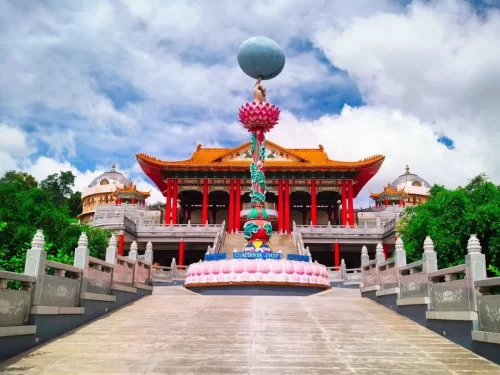
Chaitanya Jyoti Museum, located in Puttaparthi, Andhra Pradesh, India, is a museum dedicated to the life and teachings of Sathya Sai Baba.
Get customized Andhra Pradesh tour planning designed around coastal weather patterns, temple visit flow, road travel distances, and realistic pacing across regions. Whether you are visiting for spiritual journeys, heritage sites, beach experiences, hill r
⚡ Quick Response | 💰 Free consultation | 🕒 24×7 expert support

