+91 9910402252
admin@chalbanjare.com


| Entry Fee | No entry fee for general darshan, special darshan and seva tickets available at prescribed temple rates |
|---|---|
| Timings | Open daily generally from 4 30 AM to 10 00 PM with breaks between rituals and afternoon closure |
| Altitude (m) | Located at approximately 457 meters above sea level in Srisailam, Andhra Pradesh |
| Ideal Visit Duration | One to two hours including darshan and temple complex exploration |
| Best Time of Day | Early morning for peaceful darshan or evening during aarti for devotional atmosphere |
| Crowd Level | High during Navratri, Maha Shivaratri and major festivals, moderate to high on regular days |
| Distance from City Centre (km) | Located within the Srisailam temple complex about 215 kilometers from Hyderabad |
| Walking Difficulty | Low walking difficulty inside temple premises though queues may involve standing |
| Parking Available | Yes parking available in designated areas near the Srisailam temple complex |
| Last Mile Access | Accessible by road via taxi bus and private vehicles directly to Srisailam town |
| Suitable for Kids | Yes suitable for children with supervision especially during festival crowds |
| Suitable for Seniors | Yes generally suitable though waiting in queues may require assistance |
| Wheelchair Friendly | Partially wheelchair accessible in outer corridors though inner sanctum access may involve steps |
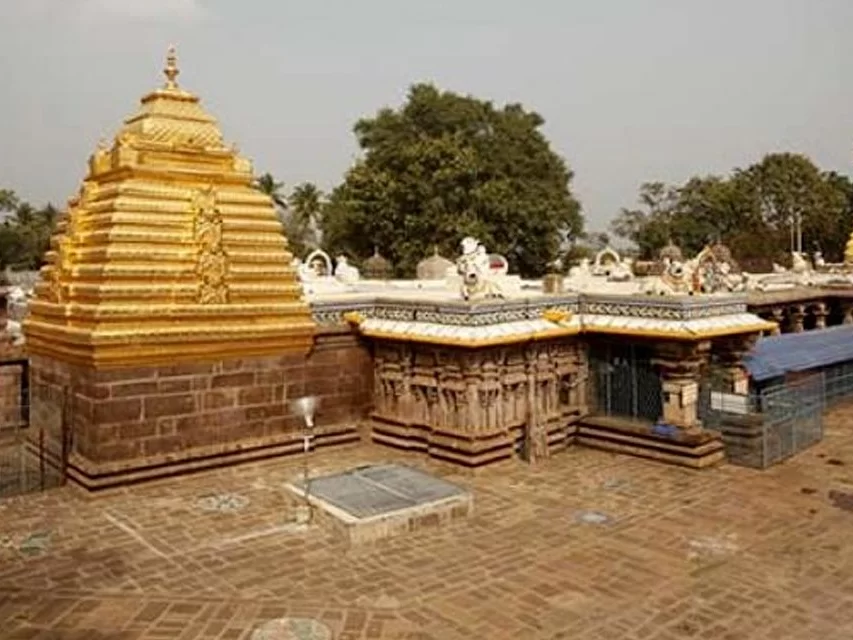
Atmosphere at Bhramaramba Devi Temple is deeply sacred and spiritually powerful, drawing devotees into an environment filled with devotion and reverence. The temple resonates with rhythmic chants, temple bells, and the fragrance of incense, creating an immersive spiritual experience. Set within a historic temple complex and surrounded by natural beauty, the ambiance feels both serene and energetically uplifting, encouraging reflection and prayer.
What makes Bhramaramba Devi Temple special is its status as one of the eighteen revered Shakti Peethas dedicated to Goddess Parvati in her form as Bhramaramba. According to Hindu tradition, the temple holds immense mythological significance, symbolizing divine feminine power and protection. The architecture reflects classical South Indian temple design, with detailed carvings, sacred sanctums, and traditional mandapas that preserve centuries-old craftsmanship. Major festivals such as Navaratri draw large gatherings of devotees, reinforcing the temple’s living religious heritage.
Beyond its architectural beauty and mythological importance, the temple forms part of an important pilgrimage circuit and represents a harmonious blend of Shaivite and Shakta traditions. It attracts pilgrims, spiritual seekers, historians, and cultural travelers seeking a meaningful devotional journey. A visit to Bhramaramba Devi Temple offers not only religious fulfillment but also deeper insight into India’s enduring spiritual traditions.
Bhramaramba Devi Temple is a revered shrine dedicated to Goddess Bhramaramba, an incarnation of Goddess Parvati. Located at Srisailam in Andhra Pradesh, the temple holds exceptional spiritual importance as one of the eighteen Maha Shakti Peethas in India. It is believed that the upper lip of Goddess Sati fell at this sacred site, making it a powerful center of Shakta worship and divine feminine energy.
The goddess is worshipped in the form of Bhramaramba, meaning “the Mother who took the form of a bee.” According to legend, she assumed this form to destroy a demon who could not be defeated by conventional means, symbolizing the triumph of divine power over evil. The temple stands adjacent to the Mallikarjuna Swamy shrine, reflecting the spiritual unity of Shiva and Shakti and making Srisailam a unique pilgrimage destination embodying both traditions.
Devotees visit the temple to seek blessings for protection, strength, and prosperity. Festivals such as Navaratri are celebrated with grandeur, featuring elaborate rituals, devotional music, and cultural programs. The temple continues to be a vibrant spiritual center, preserving ancient worship practices while drawing pilgrims from across India.
The best time to visit Bhramaramba Devi Temple depends on seasonal weather and festival schedules, as temple visits may involve waiting in queues and walking through open areas. Choosing the right time ensures a comfortable and spiritually enriching experience.
October to March is considered the most ideal period to visit. During these months, the weather remains cool and pleasant, making it comfortable for devotees to participate in rituals, attend aarti, and explore the temple surroundings without discomfort from intense heat.
Summer months from April to June can be warm, especially during midday hours. Early morning or evening visits are recommended during this season to avoid peak heat while enjoying a peaceful darshan.
Monsoon season from July to September brings occasional rainfall that enhances the greenery around the temple area. While humidity may increase, fewer crowds during this period offer a quieter and more reflective spiritual experience.
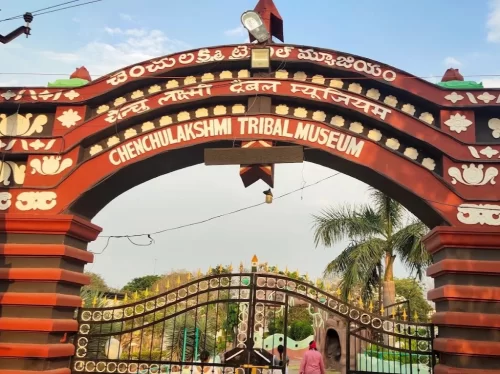 Museum
Chenchu Lakshmi Museum in Srisailam showcases the culture and lifestyle of the indigenous Chenchu tribe.
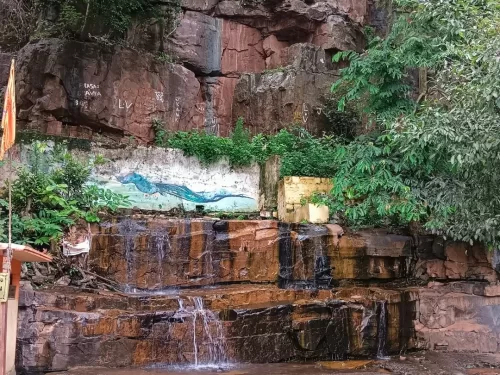 Pilgrimage Site
Phaladhara Panchadhara is a holy site in Srisailam known for its natural twin water streams.
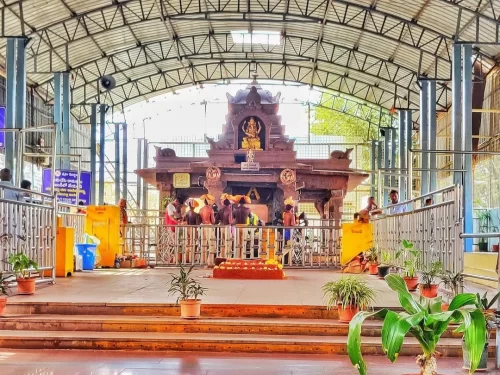 Temple
Sakshi Ganapathi Temple is a revered shrine dedicated to Lord Ganesha near Srisailam.
Get customized Andhra Pradesh tour planning designed around coastal weather patterns, temple visit flow, road travel distances, and realistic pacing across regions. Whether you are visiting for spiritual journeys, heritage sites, beach experiences, hill r
⚡ Quick Response | 💰 Free consultation | 🕒 24×7 expert support

