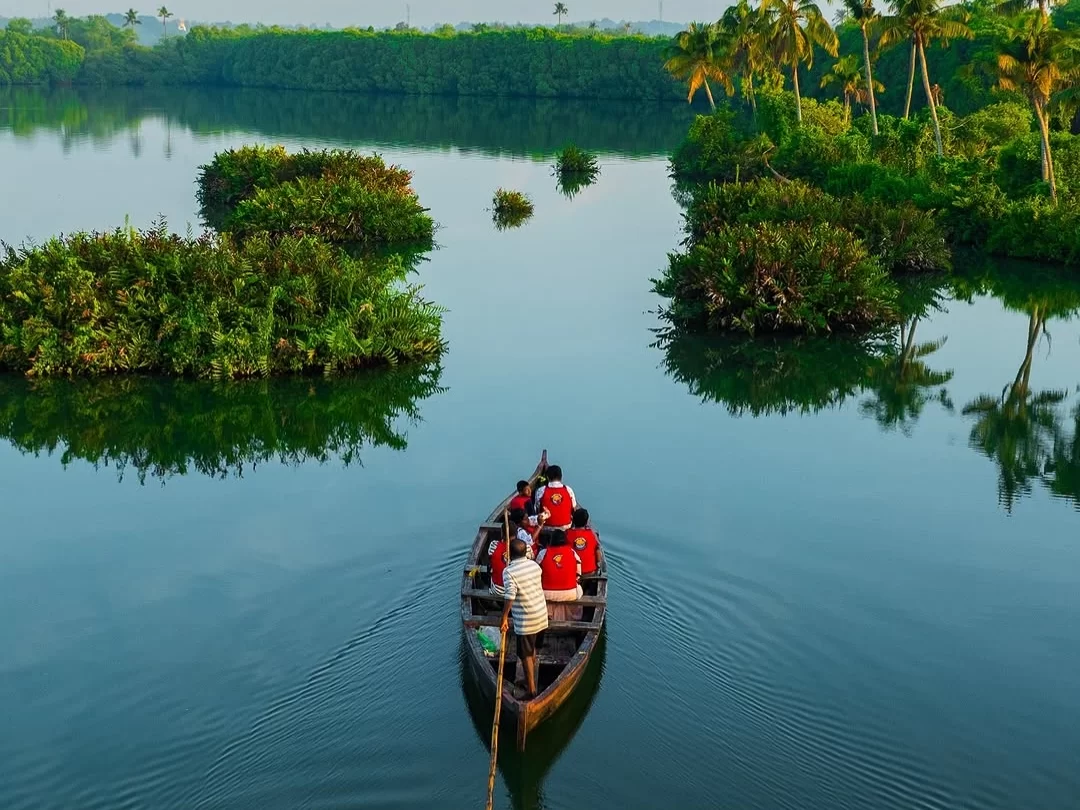
Mangrove Creeks Baratang – Scenic Boat Ride Through Andaman’s Mangrove Forests

Mangrove Creeks , Baratang
Located in the Baratang region of the Andaman and Nicobar Islands, the Mangrove Creeks are known for their narrow waterways surrounded by thick mangrove roots and lush greenery. Visitors travel by small boats through these calm creeks while heading toward attractions like the Limestone Caves. The peaceful environment, unique ecosystem, and scenic reflections on the water make it a memorable nature experience.

Quick Facts About Mangrove Creeks

Entry Fee 100
Timings 06:00 - 15:00
Altitude (m) 0
Ideal Visit Duration (hrs) 2
Best Time of Day Morning
Crowd Level Moderate
Distance from Port Blair (km) 100
Walking Difficulty Easy
Parking Available Yes
Last Mile Access Boat
Suitable for Kids Yes
Suitable for Seniors No
Wheelchair Friendly No

Why Visit Mangrove Creeks, Andaman Islands

Atmosphere at the Mangrove Creeks is tranquil, mysterious, and deeply immersive, offering visitors a rare opportunity to glide through narrow waterways surrounded by dense mangrove forests. The calm waters, filtered sunlight passing through intertwined roots, and the gentle sounds of nature create a serene environment that feels far removed from urban life. The slow boat ride through these creeks provides a peaceful yet captivating exploration of Andaman’s coastal ecosystems.

What makes the Mangrove Creeks special is their ecological importance and unique landscape. Mangroves serve as natural coastal protectors, preventing erosion and supporting diverse marine life. Visitors often spot small fish, crabs, birds, and occasionally reptiles within this rich habitat. The intricate root systems and lush green canopy offer exceptional photography opportunities while also showcasing the vital role these forests play in maintaining environmental balance. Guided boat tours enhance the experience by explaining the biodiversity and conservation significance of the region.

Beyond scenic beauty, the Mangrove Creeks provide educational and environmental value by demonstrating the importance of sustainable ecosystems in island regions. They attract nature lovers, photographers, researchers, and travelers seeking an offbeat, eco-friendly experience. The visit leaves guests with a deeper appreciation of Andaman’s fragile coastal biodiversity and the quiet power of its natural landscapes.

History of Mangrove Creeks, Andaman Islands

The mangrove creeks of the Andaman Islands are part of an ancient coastal ecosystem that evolved over thousands of years through sediment deposition, tidal movements, and tropical climatic conditions. These intertidal forests developed naturally along sheltered coastlines and estuaries, forming a crucial ecological barrier between land and sea long before formal settlement began in the islands.

During the British colonial period following the establishment of the penal settlement in 1858, mangrove-lined creeks were mapped for navigation, timber extraction, and coastal access. While certain forest areas were utilized for resource management, many mangrove zones remained difficult to penetrate, which inadvertently helped preserve their ecological structure.

In the post-independence era, the ecological importance of mangrove creeks became widely recognized for their role in shoreline protection, biodiversity conservation, and carbon sequestration. They proved especially vital during events such as the 2004 Indian Ocean tsunami, acting as natural buffers against coastal damage. Today, the mangrove creeks stand as living representatives of the islands’ environmental history and ongoing conservation efforts.

Best Time to Visit Mangrove Creeks

The best time to visit Mangrove Creeks in the Andaman Islands depends on tidal conditions, sea calmness, and overall weather comfort. Since mangrove experiences usually involve boat rides or kayaking through narrow waterways, choosing the right season ensures both safety and better wildlife observation.

October to April is considered the ideal period to explore mangrove creeks. During these months, the weather is relatively pleasant with calmer waters and clearer skies, making boat rides smooth and comfortable. This season also offers better visibility for spotting birds, crabs, and unique mangrove ecosystems.

Summer months from April to June can be warm and humid, but early morning or late afternoon visits are recommended for a more comfortable experience. These hours are also ideal for birdwatching and photography.

Monsoon season from May to September brings heavy rainfall and fluctuating water levels. While the mangroves appear lush and vibrant, strong currents or rough conditions may limit boating activities. Visitors should check tide timings and weather advisories before planning during this period.

  • October to April for calm waters and smooth boat or kayak experiences
  • Early mornings ideal for birdwatching and peaceful exploration
  • April to June for visits during cooler hours of the day
  • May to September for vibrant greenery, though water conditions may affect access
  • Always check tide timings for the best mangrove creek experience

How to Reach Mangrove Creeks, Baratang Island

  • By Air: The nearest airport is Veer Savarkar International Airport, Port Blair. From the airport, travelers must proceed to Baratang Island, approximately 100 km away, via a combination of road travel and vehicle ferry crossings. Taxis and pre-arranged transfers are commonly used for this route.
  • By Train: There is no railway connectivity to the Andaman Islands. Visitors must first reach Port Blair by air or sea and then continue by road towards Baratang Island.
  • By Road: Baratang is accessible from Port Blair through the Andaman Trunk Road (ATR). The journey includes convoy travel through the Jarawa Reserve area and ferry crossings at Middle Strait. Government buses, private vehicles, and taxis operate mainly in the early morning hours.
  • Local Transport: From Baratang Jetty, small motorboats take visitors through the narrow mangrove creeks. Boat rides are regulated by local authorities, and timings depend on tidal conditions and official schedules.

What to Expect When You Visit Mangrove Creeks

  • Immersive surroundings that reflect the true natural, cultural, or spiritual character of the destination, offering a peaceful and enriching travel experience.
  • Well-maintained visitor pathways and accessible viewing points designed to provide comfortable exploration while preserving the authenticity of the location.
  • Opportunities to engage with local traditions, regional architecture, or natural landscapes, allowing travelers to gain deeper cultural understanding.
  • Scenic photo spots and panoramic viewpoints that highlight the area’s unique beauty throughout different times of the day.
  • Informational boards, guides, or locally available assistance that help visitors learn the historical or environmental importance of the site.
  • Seasonal changes in atmosphere, crowd levels, and visual appeal, ensuring a different yet memorable experience depending on the time of visit.
  • Nearby amenities such as refreshment stalls, rest areas, or small markets offering local flavors and handicrafts.
  • A calm and respectful environment that allows visitors to fully absorb the significance and charm of the destination.

Important Visitor Information and Safety of Mangrove Creeks

  • Crowd & Peak Hours: Visitor movement depends on boat timings and tour schedules. Early morning trips are usually calmer and more suitable for nature observation.
  • Weather Notes: The tropical climate remains warm and humid throughout the year. Tides and monsoon conditions may affect boat access and water levels.
  • Dress Code: Wear light, breathable clothing and comfortable footwear suitable for boat rides and short walks. Carry sun protection such as hats and sunglasses.
  • Safety Tips: Wear life jackets during boat rides, avoid leaning over the boat edges, do not disturb wildlife, and follow guide instructions for a safe and responsible visit.

Photography and Viewpoints at Mangrove Creeks

  • The intricate network of mangrove roots rising above tidal waters creates striking natural patterns ideal for texture and abstract photography.
  • Calm creek waters often produce mirror-like reflections of dense green canopies, perfect for symmetrical landscape compositions.
  • Early morning light filtering through the mangrove forest adds soft highlights and layered depth to wide-angle shots.
  • Boat rides through narrow channels provide dynamic perspectives, capturing winding waterways framed by arching branches.
  • Wildlife such as kingfishers, herons, mudskippers, and crabs offer rewarding opportunities for close-up nature photography.
  • Changing tidal levels transform the scenery throughout the day, allowing varied photographic moods from exposed roots to fully submerged waterways.

Near By Attraction

Parrot Island, scenic island near Baratang in the Andaman known for spectacular sunset views and flocks of vibrant parrots. Island

Parrot Island

Parrot Island is a scenic island near Baratang famous for its evening parrot gatherings.
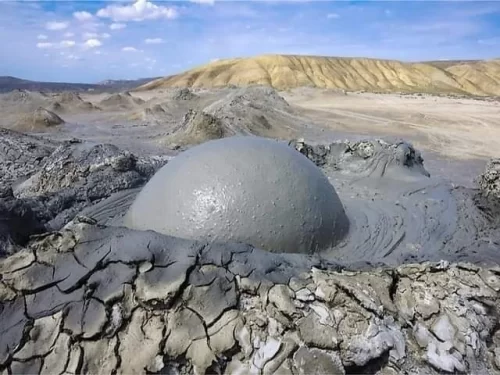
Mud Volcano, unique natural phenomenon in Baratang Island, Andaman known for bubbling mud craters and geothermal activity. Tourist Attraction

Mud Volcano

Mud Volcano in Baratang is a rare geological attraction where mud and gases erupt naturally from the earth.
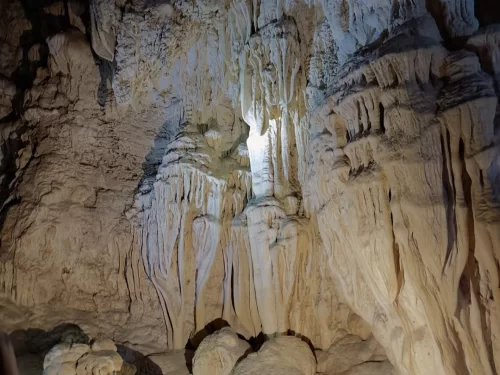
Limestone Caves, natural rock formations in Baratang Island, Andaman known for stunning stalactites and stalagmites inside scenic caverns. Cave

Limestone Cave

Limestone Cave in Baratang Island is famous for its stunning natural limestone formations.

Frequently Asked Questions About Mangrove Creeks

The best time to visit Mangrove Creeks is from October to April when weather conditions are pleasant and boat rides are smoother. Morning hours usually offer calm water and better wildlife spotting.
Mangrove Creeks can be explored by small boats or kayaks operated by authorized local guides. Visitors typically board from designated jetties near coastal villages.
Access to Mangrove Creeks usually requires a permit or boat ticket fee depending on the location. Charges may include boat hire and guide services.
Most travelers spend one to two hours exploring Mangrove Creeks. The duration depends on the route taken and tide conditions.
Mangrove Creeks feature dense mangrove forests narrow water channels and opportunities to spot birds crabs and small marine species. Guides often explain the ecological importance of the habitat.
Guided tours are commonly available for Mangrove Creeks as navigation through narrow channels requires local expertise. Guides provide safety instructions and environmental information.
Mangrove Creeks are suitable for families who are comfortable with short boat rides. Visitors should supervise children and follow safety instructions during the trip.
Mangrove Creeks can be visited during monsoon but heavy rain and fluctuating tides may affect accessibility. Visitors should check weather and tide updates before planning.
Visitors to Mangrove Creeks should carry water sun protection insect repellent and comfortable clothing. Life jackets are generally provided by boat operators.
Mangrove Creeks can be combined with nearby beaches islands and marine parks. These attractions are usually accessible within short travel distance.

Loved this place ? Let’s Plan Your Andaman and Nicobar Islands Trip

Get customized Andaman and Nicobar Islands tour planning designed around ferry schedules, island connectivity, seasonal sea conditions, and realistic travel flow between islands. Whether you are visiting for beach relaxation, water sports, snorkeling, scu

⚡ Quick Response | 💰 Free consultation | 🕒 24×7 expert support

×

Plan Your Trip