What Makes Andaman and Nicobar Islands a Unique Travel Region
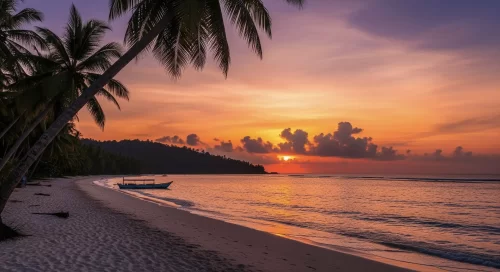
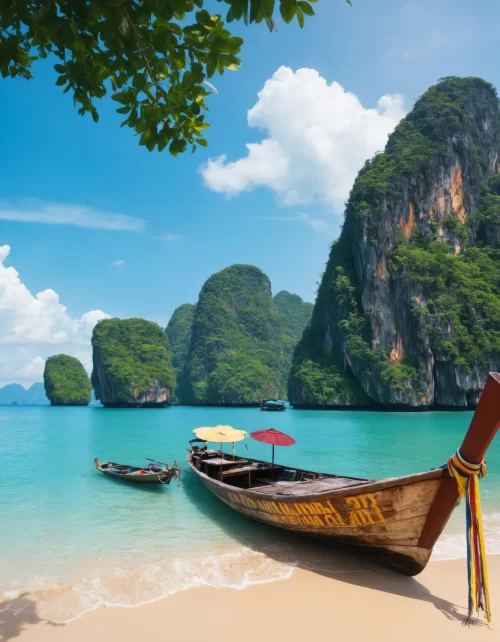
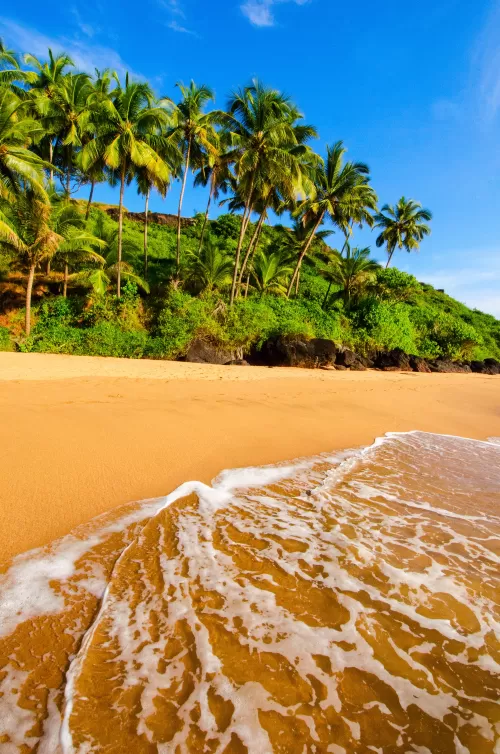
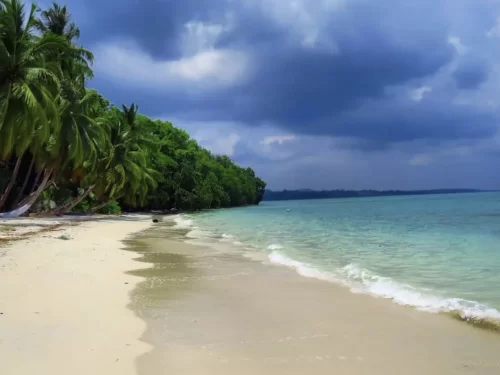
The Andaman and Nicobar Islands feel geographically and emotionally distant from mainland India, creating a travel experience shaped entirely by the sea. Movement here depends on ferries, tides, and island connectivity rather than highways, which naturally slows the pace of exploration. Dense tropical forests, coral-rich waters, and coastal settlements define everyday life. The cultural mix of indigenous heritage and maritime communities gives the region a distinct identity. Travel here is immersive, ocean-led, and deeply connected to nature rather than urban sightseeing.
- Geography: Tropical island chain with rainforests, coral reefs, and surrounding open sea
- Culture: Coastal communities influenced by indigenous traditions and maritime living
- Travel vibe: Slow-paced, ocean-centric, and nature-focused
- Distinct experience type: Island exploration centered on water, ecology, and natural immersion
Popular Tourist Circuits Across Andaman and Nicobar Islands
Travel across Andaman and Nicobar Islands is structured around island clusters rather than continuous road networks. Inter-island movement depends on ferries or short flights, and schedules are influenced by sea conditions and seasonal weather patterns. Distances appear small on maps, but transfers require buffer time and coordination. Most travellers begin with accessible coastal island zones and then extend toward more remote areas depending on permits and connectivity. A realistic plan allows at least five to seven days to accommodate marine activities, rest days, and flexible ferry timing.
| Circuit Type |
Areas Covered (generic descriptions only, no place names) |
Ideal Duration (realistic and safety based) |
Travel Style |
| Classic Island Leisure Circuit |
Primary island hub with nearby beach islands and coral reef zones |
5–7 days |
Relaxed coastal exploration with ferry transfers |
| Marine & Water Adventure Circuit |
Island clusters known for snorkeling, scuba diving, and clear-water lagoons |
6–8 days |
Activity-focused with scheduled marine excursions |
| Nature & Mangrove Exploration Circuit |
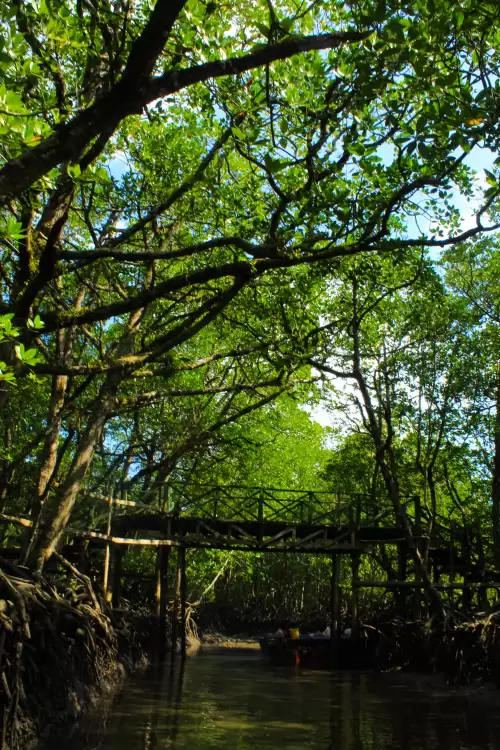
Forest islands, mangrove creeks, and protected ecological regions |
5–6 days |
Slow-paced exploration with guided boat rides |
| Extended Remote Island Circuit |
Farther island groups with limited connectivity and regulated access |
8–10 days |
Structured travel with advance permits and buffer days |
Best Time to Travel to Andaman and Nicobar Islands
Choose your travel season based on your comfort with humidity levels, sea conditions, and preferred outdoor experiences across the islands.
| Season |
Months |
Weather Conditions |
Travel Suitability |
| Winter |
November to March |
Pleasant temperatures, lower humidity, clear skies, and calmer sea conditions. |
Most comfortable period for beach time, marine activities, island transfers, and outdoor exploration. |
| Summer |
April to June |
Warm tropical climate with increased humidity and generally stable waters. |
Suitable for travelers comfortable with heat who plan early morning or late afternoon outdoor activities. |
| Monsoon |
July to October |
Regular rainfall, greener landscapes, and dynamic sea conditions. |
Ideal for those who enjoy a peaceful atmosphere, refreshed natural surroundings, and flexible travel pacing. |
How Travelers Usually Explore Andaman and Nicobar Islands
Travel to Andaman and Nicobar Islands usually begins with arrival at the primary airport gateway, followed by transfers to well-connected island bases. From these bases, travelers explore nearby beaches and activity zones before moving onward by ferry to other islands. The overall flow is island-to-island rather than long road journeys, and pacing is generally relaxed to align with ferry timings, sea conditions, and the immersive nature of coastal travel.
- Road travel is used within individual islands for beach access, local sightseeing, and short transfers.
- Rail connectivity is not available within the islands; access from mainland India is primarily by air or passenger ship.
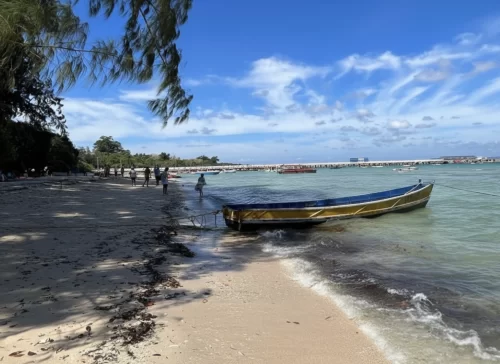
- Local transport includes government and private ferries, boats, taxis, and rented two-wheelers depending on island facilities.
- Travelers typically combine half-day activities and water experiences with multi-day island circuits for a well-paced journey.
Culture, Food & Everyday Life in Andaman and Nicobar Islands
Life in Andaman and Nicobar Islands is shaped by the surrounding sea, humid tropical climate, and geographic separation from the mainland. Daily routines often begin early to align with daylight and coastal weather patterns, with livelihoods connected to fishing, small businesses, public services, and tourism. The islands reflect a blend of indigenous roots and migrant communities, creating a socially respectful and culturally layered environment. Visitors may observe polite interactions, strong neighborhood bonds, and a shared awareness of environmental balance. Food habits are practical and climate-suited, centered around fresh ingredients that provide hydration and steady nourishment in humid conditions. Evenings tend to feel calm and community-focused, encouraging slower conversations and family time. Travelers often experience a grounded, unhurried rhythm where nature influences both lifestyle and emotional atmosphere.
- Sea-influenced daily rhythm and tropical lifestyle
- Multicultural yet closely connected communities
- Fresh, climate-aligned nourishment habits
- Relaxed pace with deep respect for natural surroundings



 Island
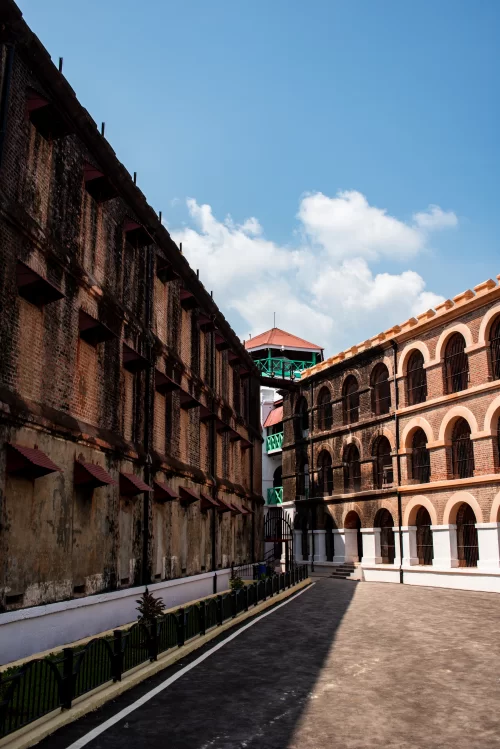
 Tourist Attraction
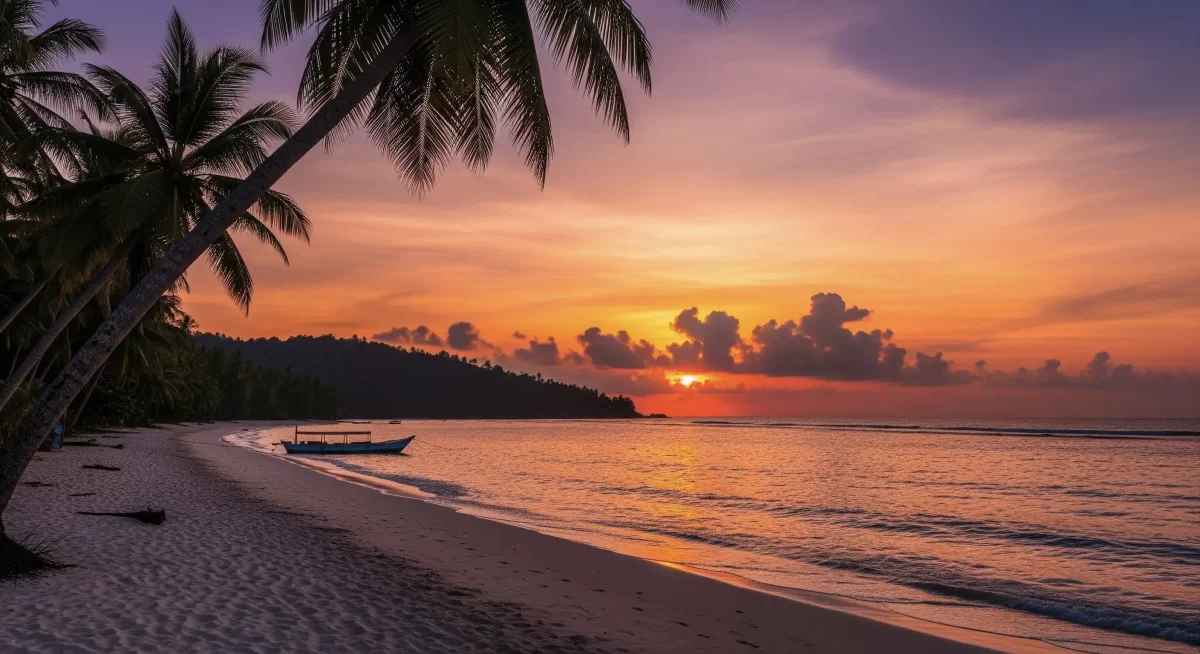
 Beach
Beach