Quick Facts About Wandoor Beach
| Entry Fee | Free |
| Timings | 06:00 - 18:00 |
| Altitude (m) | 0 |
| Ideal Visit Duration (hrs) | 2 |
| Best Time of Day | Evening |
| Crowd Level | Moderate |
| Distance from Port Blair (km) | 29 |
| Walking Difficulty | Easy |
| Parking Available | Yes |
| Last Mile Access | Road |
| Suitable for Kids | Yes |
| Suitable for Seniors | Yes |
| Wheelchair Friendly | No |
Why Visit Wandoor Beach, Andaman
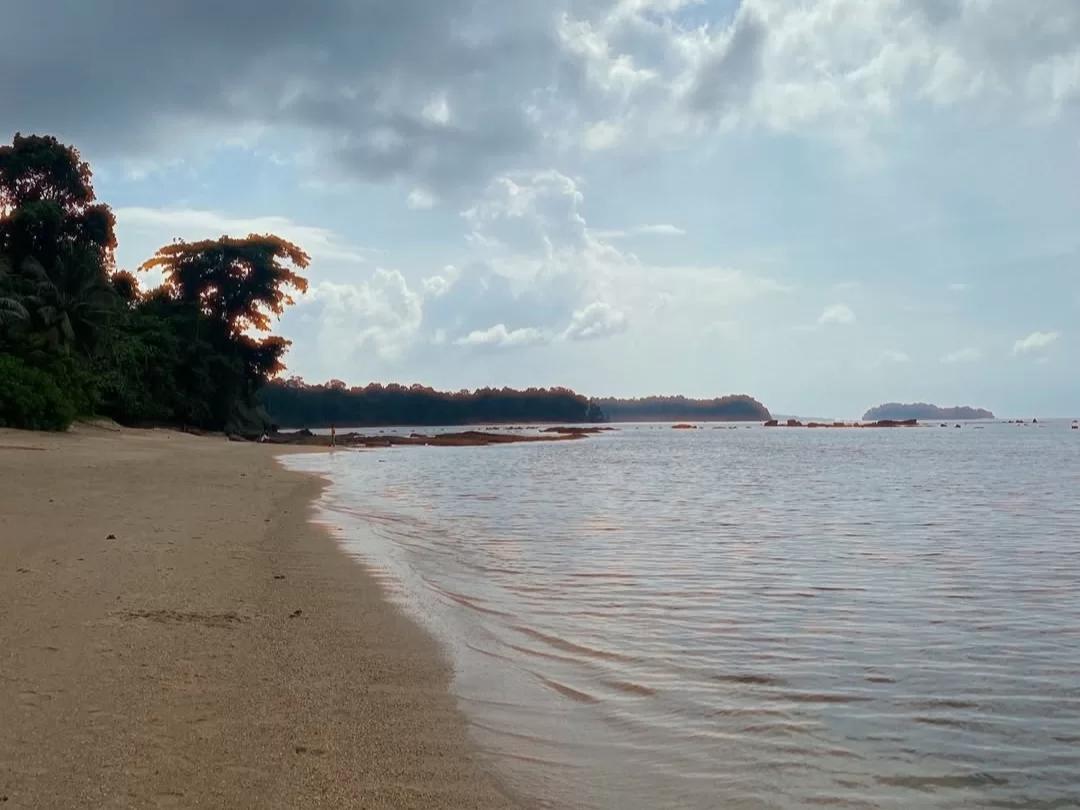
Atmosphere at Wandoor Beach is calm and expansive, offering visitors a peaceful coastal escape away from the busier stretches near Port Blair. The wide shoreline, gentle sea breeze, and scenic backdrop of distant islands create a relaxed environment ideal for quiet walks and reflective moments. The natural simplicity of the beach allows travelers to unwind while enjoying uninterrupted ocean views.
What makes Wandoor Beach special is its proximity to the Mahatma Gandhi Marine National Park and its relatively untouched character. The clear waters and soft sands provide a scenic setting for photography, sunset viewing, and leisurely relaxation. While swimming is often limited due to strong currents in certain seasons, the beach remains a beautiful vantage point to observe island landscapes and coastal ecosystems. Seasonal weather conditions, particularly during winter months, enhance the clarity and visual appeal of the surroundings.
Beyond its scenic charm, Wandoor Beach holds ecological importance as part of a protected marine region. It attracts nature lovers, families, and travelers seeking a quieter and more authentic Andaman experience. The visit offers a refreshing combination of coastal beauty, tranquility, and awareness of the fragile marine environment that defines the region.
History of Wandoor Beach
Wandoor Beach, located about 25 kilometers from Port Blair in the Andaman and Nicobar Islands, developed historically as part of the southern coastal settlements that expanded after the British established the penal colony in 1858. The surrounding Wandoor region was gradually integrated into colonial forestry and coastal resource management systems, contributing to the administrative and economic framework of Port Blair.
Although Wandoor Beach itself was not a major colonial headquarters, its coastline played a role in supporting fishing activities, timber transport, and small-scale settlement expansion. The area remained relatively less urbanized compared to Ross Island and central Port Blair, allowing much of its natural shoreline and mangrove ecosystem to remain intact.
In the post-independence era, Wandoor gained prominence as the gateway to Mahatma Gandhi Marine National Park, established in 1983 to protect the region’s coral reefs and marine biodiversity. Today, the beach reflects a transition from a modest coastal settlement zone to a protected and tourism-oriented landscape, closely tied to the environmental and settlement history of the Andaman Islands.
How to Reach Wandoor Beach, Port Blair
- By Air: The nearest airport is Veer Savarkar International Airport, Port Blair, approximately 30 km from Wandoor Beach. Regular flights connect Port Blair with major Indian cities such as Chennai, Kolkata, Delhi, and Bengaluru. Taxis and rental vehicles are available for a comfortable transfer.
- By Train: There is no railway connectivity to the Andaman Islands. Travelers must reach Port Blair by air or sea and then continue by road to Wandoor.
- By Road: Wandoor Beach is accessible via a well-maintained scenic coastal road from Port Blair, about 25–30 km away. Visitors can hire taxis, rent two-wheelers, or use local buses to reach the beach conveniently.
- Local Transport: Within Port Blair, taxis and rental scooters are the most convenient options for reaching Wandoor Beach. The drive offers beautiful coastal and forest views, making the journey smooth and enjoyable.
What to Expect When You Visit Wandoor Beach
- Immersive surroundings that reflect the true natural, cultural, or spiritual character of the destination, offering a peaceful and enriching travel experience.
- Well-maintained visitor pathways and accessible viewing points designed to provide comfortable exploration while preserving the authenticity of the location.
- Opportunities to engage with local traditions, regional architecture, or natural landscapes, allowing travelers to gain deeper cultural understanding.
- Scenic photo spots and panoramic viewpoints that highlight the area’s unique beauty throughout different times of the day.
- Informational boards, guides, or locally available assistance that help visitors learn the historical or environmental importance of the site.
- Seasonal changes in atmosphere, crowd levels, and visual appeal, ensuring a different yet memorable experience depending on the time of visit.
- Nearby amenities such as refreshment stalls, rest areas, or small markets offering local flavors and handicrafts.
- A calm and respectful environment that allows visitors to fully absorb the significance and charm of the destination.
Important Visitor Information and Safety of Wandoor Beach
- Crowd & Peak Hours: Moderate crowd during weekends and holiday seasons, especially in the late afternoon. Early mornings are quieter and ideal for a peaceful beach experience.
- Weather Notes: The tropical climate remains warm and humid throughout the year. Monsoon months may bring rough sea conditions and occasional rainfall.
- Dress Code: Wear light, breathable beachwear with sun protection such as hats and sunglasses. Comfortable footwear is recommended for sandy stretches.
- Safety Tips: Swim only in designated safe areas, follow local advisories regarding sea conditions, avoid venturing into deep waters, and keep personal belongings secure.
Photography and Viewpoints at Wandoor Beach
- The long stretch of soft sandy shoreline provides expansive seascape compositions with minimal visual obstruction, ideal for wide-angle photography.
- Golden hour at Wandoor Beach produces warm hues across the Andaman Sea, enhancing reflections and wave textures.
- Scattered driftwood and coastal vegetation create strong foreground elements for balanced landscape framing.
- Calm tidal conditions allow for long-exposure shots that capture smooth water effects against the shoreline.
- The surrounding tropical greenery offers natural framing and contrast between emerald foliage and deep blue waters.
- Clear horizon lines and open skies make the location suitable for dramatic cloudscape and sunset silhouette photography.