Quick Facts About Ramnagar Beach
| Entry Fee | Free |
| Timings | 06:00 - 18:00 |
| Altitude (m) | 0 |
| Ideal Visit Duration (hrs) | 2 |
| Best Time of Day | Morning |
| Crowd Level | Low |
| Distance from Diglipur (km) | 15 |
| Walking Difficulty | Easy |
| Parking Available | Yes |
| Last Mile Access | Road |
| Suitable for Kids | Yes |
| Suitable for Seniors | Yes |
| Wheelchair Friendly | No |
Why Visit Ramnagar Beach, Diglipur
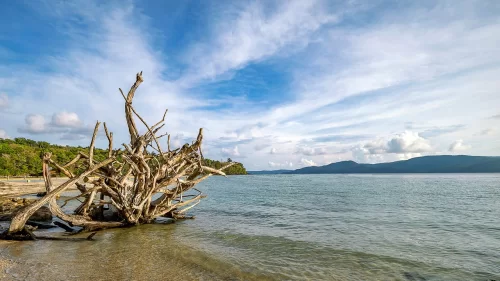
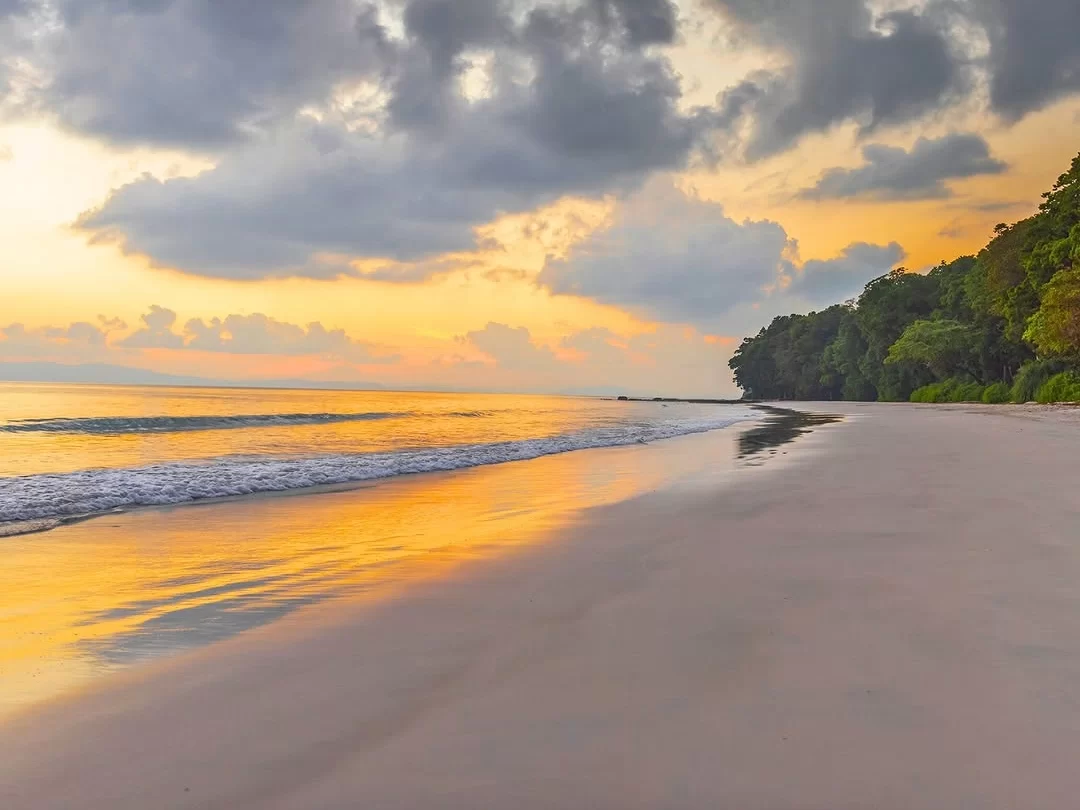
Atmosphere at Ramnagar Beach is peaceful and untouched, offering visitors a quiet coastal retreat in the northern part of the Andaman Islands. The long stretch of soft sand, lined with tropical trees and open sea views, creates a naturally calming environment. With limited commercialization and fewer crowds, the beach provides an authentic island experience away from busy tourist centers.
What makes Ramnagar Beach special is its unspoiled shoreline and ecological importance. The beach is known to be a nesting ground for sea turtles during specific seasons, highlighting its environmental value. Visitors can enjoy leisurely walks, photography, and serene sunset views while experiencing the raw beauty of Diglipur’s coastline. The clear waters and wide beachfront enhance the sense of openness and tranquility.
Beyond its scenic charm, Ramnagar Beach represents the quieter side of the Andaman archipelago, appealing to nature lovers and travelers seeking solitude. It offers an opportunity to connect with coastal ecosystems in a calm and responsible setting. The visit leaves guests with lasting impressions of untouched beauty and the serene rhythm of northern Andaman’s shores.
History of Ramnagar Beach
Ramnagar Beach, located in the Diglipur region of North Andaman Island, forms part of the broader settlement and resource history that followed the British establishment of the penal colony in 1858. While early colonial administration was concentrated around Port Blair and Ross Island, northern regions like Diglipur remained largely forested and sparsely inhabited for several decades.
Organized settlement in the Diglipur area expanded mainly during the post-independence period, when agricultural development and rehabilitation programs encouraged families to cultivate land in North Andaman. The Ramnagar region evolved primarily as a rural coastal settlement dependent on farming and fishing, with minimal large-scale infrastructural intervention along its shoreline.
In recent years, Ramnagar Beach has gained recognition for its turtle nesting sites and relatively untouched coastline. The beach reflects the gradual transformation of North Andaman from a remote forested zone into a modestly developed region that balances ecological preservation with sustainable tourism.
Best Time to Visit Ramnagar Beach
The best time to visit Ramnagar Beach in the Andaman Islands depends on sea conditions, weather comfort, and overall travel accessibility. Known for its peaceful shoreline and occasional turtle nesting activity, seasonal timing plays an important role in planning your visit.
October to April is considered the ideal period to visit. During these months, the weather is pleasant with lower humidity and relatively calm sea conditions, making it suitable for beach walks, photography, and relaxation. Clear skies enhance the natural beauty of the coastline.
Summer months from April to June can be warm and humid, especially during midday. Early morning and late afternoon visits are recommended for a more comfortable experience and to enjoy the serene surroundings.
Monsoon season from May to September brings heavy rainfall and occasionally rough sea conditions. While the landscape appears lush and vibrant, beach access and travel routes may be affected by rain. Visitors should check local weather conditions before planning during this period.
- October to April for pleasant weather and calm coastal conditions
- Early mornings ideal for peaceful walks and photography
- April to June for visits during cooler parts of the day
- May to September for fewer crowds, though rain may affect access
- Check local advisories during turtle nesting season if applicable
How to Reach Ramnagar Beach, Diglipur
- By Air: The nearest airport is Veer Savarkar International Airport, Port Blair. From the airport, travelers must reach Diglipur, approximately 300 km away, via road travel and ferry crossings. Private taxis and government buses operate between Port Blair and Diglipur, though the journey can take 10–12 hours depending on ferry schedules and road conditions.
- By Train: There is no railway connectivity to the Andaman Islands. Visitors must first reach Port Blair by air or sea and then continue by road toward Diglipur.
- By Road: Diglipur is accessible from Port Blair through the Andaman Trunk Road (ATR), which includes vehicle ferry crossings at Middle Strait. Government buses and private vehicles operate daily, mainly during early morning hours due to regulated convoy movement.
- Local Transport: From Diglipur town, Ramnagar Beach is approximately 20 km away. Visitors can hire local taxis, shared jeeps, or rent two-wheelers to reach the beach via well-maintained coastal roads.
What to Expect When You Visit Ramnagar Beach
- Immersive surroundings that reflect the true natural, cultural, or spiritual character of the destination, offering a peaceful and enriching travel experience.
- Well-maintained visitor pathways and accessible viewing points designed to provide comfortable exploration while preserving the authenticity of the location.
- Opportunities to engage with local traditions, regional architecture, or natural landscapes, allowing travelers to gain deeper cultural understanding.
- Scenic photo spots and panoramic viewpoints that highlight the area’s unique beauty throughout different times of the day.
- Informational boards, guides, or locally available assistance that help visitors learn the historical or environmental importance of the site.
- Seasonal changes in atmosphere, crowd levels, and visual appeal, ensuring a different yet memorable experience depending on the time of visit.
- Nearby amenities such as refreshment stalls, rest areas, or small markets offering local flavors and handicrafts.
- A calm and respectful environment that allows visitors to fully absorb the significance and charm of the destination.
Important Visitor Information and Safety of Ramnagar Beach
- Crowd & Peak Hours: Visitor numbers increase during weekends and peak tourist season, especially in the late afternoon. Early mornings are quieter and ideal for a relaxed beach walk.
- Weather Notes: The tropical climate is warm and humid year-round. Sea conditions may vary during monsoon months, and midday sun exposure can be intense.
- Dress Code: Wear light beachwear with sun protection such as hats, sunglasses, and sunscreen. Comfortable footwear is recommended for sandy and uneven stretches.
- Safety Tips: Swim only in designated safe areas, avoid venturing into deep waters during rough sea conditions, stay cautious of rocky patches, and keep personal belongings secure.
Photography and Viewpoints at Ramnagar Beach
- The long stretch of golden sand lined with dense casuarina and palm trees creates balanced tropical beach compositions.
- Sunrise photography is particularly rewarding, with soft morning light reflecting off the Bay of Bengal and enhancing coastal textures.
- Gentle waves and clean shoreline provide ideal conditions for wide-angle seascape and horizon-focused framing.
- Natural coastal vegetation offers strong foreground elements and layered depth in landscape photography.
- Minimal commercial development ensures uncluttered backgrounds suitable for serene and nature-centric imagery.
- Seasonal skies and shifting cloud patterns add dramatic atmosphere to sunrise and early morning shots.