Quick Facts About Parrot Island
| Entry Fee | 100 |
| Timings | 15:30 - 18:00 |
| Altitude (m) | 0 |
| Ideal Visit Duration (hrs) | 3 |
| Best Time of Day | Evening |
| Crowd Level | Moderate |
| Distance from Port Blair (km) | 100 |
| Walking Difficulty | Easy |
| Parking Available | Yes |
| Last Mile Access | Boat |
| Suitable for Kids | Yes |
| Suitable for Seniors | No |
| Wheelchair Friendly | No |
Why Visit Parrot Island, Baratang
Atmosphere at Parrot Island is magical and nature-focused, especially during the late afternoon when thousands of parrots return to roost. The quiet mangrove surroundings, calm tidal waters, and golden evening light create a serene yet captivating environment. As the sun begins to set, the sky fills with flocks of parrots, transforming the peaceful island into a vibrant natural spectacle.
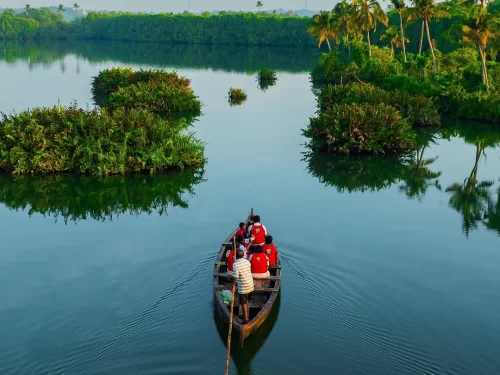
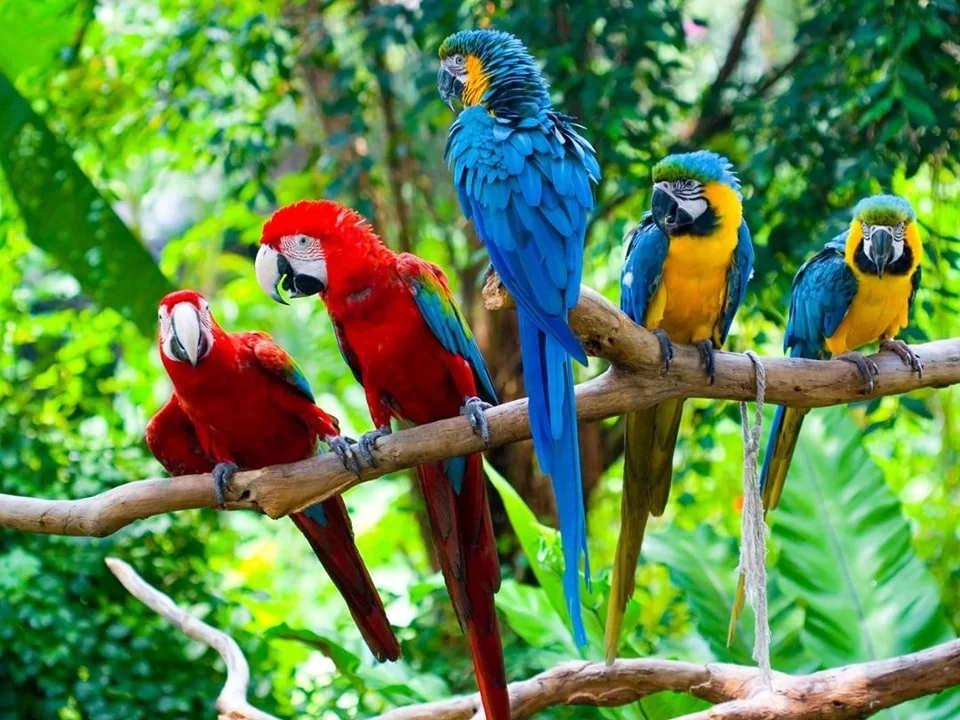
What makes Parrot Island special is the remarkable sight of large numbers of parrots gathering in one place at dusk. The island is accessible by boat through scenic mangrove creeks, adding an element of adventure to the experience. Visitors witness an extraordinary display of synchronized movement as the birds circle overhead before settling into the mangrove trees. This daily phenomenon offers exceptional photography opportunities and a rare glimpse into natural bird behavior.
Beyond its visual appeal, Parrot Island highlights the ecological richness of the Andaman region’s mangrove ecosystems. It attracts birdwatchers, photographers, and nature enthusiasts seeking an offbeat and peaceful wildlife encounter. The experience leaves visitors with lasting impressions of Andaman’s vibrant avian life and the tranquil beauty of its coastal landscapes.
History of Parrot Island
Parrot Island, located near Baratang in the Andaman and Nicobar Islands, has historically remained a natural habitat rather than a developed settlement. Unlike administrative centers such as Ross Island, Parrot Island was never established as a colonial base, allowing its ecological character to remain largely undisturbed over time.
During the British period after 1858, surrounding waterways were mapped for navigation and forest management, but the island itself continued to serve as a natural roosting ground for thousands of parrots and other bird species. Its isolation and lack of permanent habitation contributed to the preservation of its mangrove ecosystem and avian population.
In the post-independence era, Parrot Island gained recognition as an eco-tourism attraction, particularly for the spectacular sight of parrots returning to roost at sunset. Today, it represents the environmental continuity of the Andaman Islands, reflecting how certain landscapes remained untouched through colonial and modern transitions while becoming important for sustainable tourism.
Best Time to Visit Parrot Island
The best time to visit Parrot Island in the Andaman Islands depends on weather conditions, sea calmness, and bird activity. Since the island is primarily known for the spectacular evening return of thousands of parrots, planning your visit during the right season enhances visibility and overall experience.
October to April is considered the ideal period to visit. During these months, the weather is relatively pleasant with calmer sea conditions, making boat rides smoother and sunset views clearer. This season offers the best opportunity to witness large flocks of parrots returning to roost at dusk.
Summer months from April to June can be warm and humid, but evening visits remain suitable as the bird activity peaks during sunset hours. Carrying light clothing and staying hydrated is recommended.
Monsoon season from May to September brings heavy rainfall and rough sea conditions, which may affect boat transfers to the island. While the surrounding mangroves appear lush and vibrant, visitors should check weather forecasts and tide timings before planning during this period.
- October to April for calm seas and clear sunset birdwatching views
- Evening visits essential to witness parrots returning at dusk
- April to June for manageable sunset trips despite humidity
- May to September for fewer visitors, though boat access may be weather-dependent
- Always check local boat schedules and tide timings before planning
How to Reach Parrot Island, Baratang
- By Air: The nearest airport is Veer Savarkar International Airport, Port Blair. From the airport, travelers must proceed to Baratang Island, approximately 100 km away, via road travel combined with vehicle ferry crossings. Taxis and pre-arranged transfers are commonly used for this journey.
- By Train: There is no railway connectivity to the Andaman Islands. Visitors must first reach Port Blair by air or sea and then continue by road toward Baratang Island.
- By Road: Baratang is accessible from Port Blair through the Andaman Trunk Road (ATR). The journey includes regulated convoy travel through the Jarawa Reserve area and ferry crossings at Middle Strait. Government buses, private vehicles, and taxis operate mainly during early morning hours.
- Local Transport: From Baratang Jetty, small motorboats take visitors to Parrot Island during late afternoon hours. Boat rides are timed with sunset when flocks of parrots return to the island, and schedules depend on tidal and weather conditions.
What to Expect When You Visit Parrot Island
- Immersive surroundings that reflect the true natural, cultural, or spiritual character of the destination, offering a peaceful and enriching travel experience.
- Well-maintained visitor pathways and accessible viewing points designed to provide comfortable exploration while preserving the authenticity of the location.
- Opportunities to engage with local traditions, regional architecture, or natural landscapes, allowing travelers to gain deeper cultural understanding.
- Scenic photo spots and panoramic viewpoints that highlight the area’s unique beauty throughout different times of the day.
- Informational boards, guides, or locally available assistance that help visitors learn the historical or environmental importance of the site.
- Seasonal changes in atmosphere, crowd levels, and visual appeal, ensuring a different yet memorable experience depending on the time of visit.
- Nearby amenities such as refreshment stalls, rest areas, or small markets offering local flavors and handicrafts.
- A calm and respectful environment that allows visitors to fully absorb the significance and charm of the destination.
Important Visitor Information and Safety of Parrot Island
- Crowd & Peak Hours: Visitor activity peaks during late afternoons and sunset hours when parrots return to the island. Weekends and peak tourist season may see higher footfall.
- Weather Notes: The tropical climate is warm and humid throughout the year. Boat access may be affected during monsoon or rough sea conditions.
- Dress Code: Wear light, breathable clothing suitable for boat rides and outdoor viewing. Carry sun protection such as hats and sunglasses.
- Safety Tips: Follow boat crew instructions, wear life jackets during transfers, avoid making loud noises that may disturb birds, and keep personal belongings secure for a safe visit.
Photography and Viewpoints at Parrot Island
- The island is renowned for its spectacular sunset spectacle when thousands of parrots return to roost, creating dynamic and rare wildlife photography moments.
- Silhouettes of flying parrots against the orange and crimson evening sky offer dramatic high-contrast compositions.
- Mangrove-lined shores and calm tidal waters provide reflective foreground elements for layered sunset frames.
- Boat-based vantage points allow wide-angle shots capturing the island, sky gradients, and flock movement in a single composition.
- Low-light conditions during dusk enable atmospheric photography with rich tonal transitions across the horizon.
- The surrounding mangrove ecosystem offers additional opportunities to photograph coastal textures, tidal patterns, and birdlife in natural habitat.