Quick Facts About North Bay Island
| Entry Fee | No |
| Timings | 08:00 - 16:00 |
| Altitude (m) | 48 |
| Ideal Visit Duration (hrs) | 4 |
| Best Time of Day | Morning |
| Crowd Level | High |
| Distance from Port Blair (km) | 4 |
| Walking Difficulty | Moderate |
| Parking Available | Yes |
| Last Mile Access | Boat |
| Suitable for Kids | Yes |
| Suitable for Seniors | No |
| Wheelchair Friendly | No |
Why Visit North Bay Island, Andaman
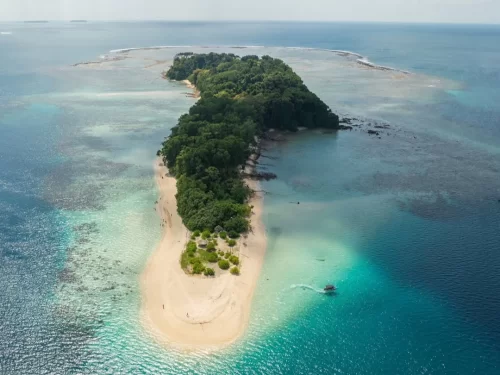
Atmosphere at North Bay Island is vibrant and adventure-filled, offering visitors a lively coastal experience surrounded by clear blue waters and coral-rich seabeds. The island’s open shoreline, tropical surroundings, and panoramic views of the Andaman Sea create an energetic yet scenic environment. The sound of waves combined with the excitement of water activities makes the visit both refreshing and engaging.
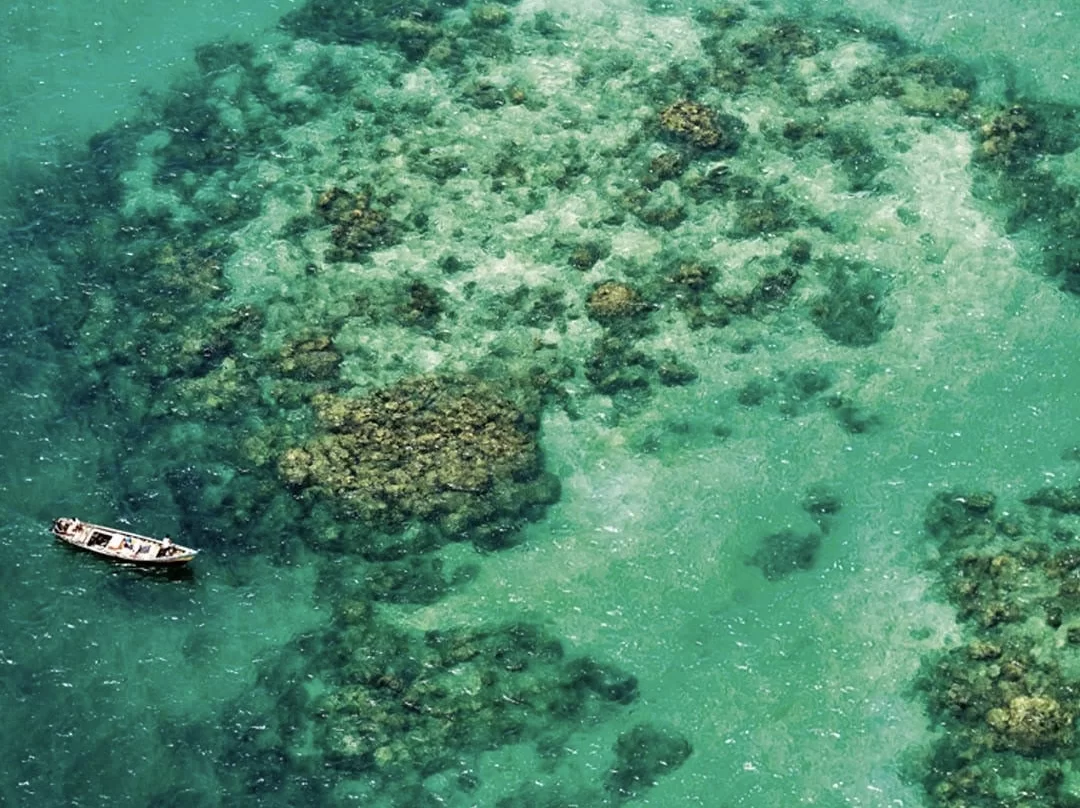
What makes North Bay Island special is its reputation as one of the best destinations in the Andaman Islands for water sports and coral viewing. Visitors can experience snorkeling, sea walking, scuba diving, and glass-bottom boat rides, allowing them to observe colorful coral reefs and diverse marine life up close. The iconic lighthouse, featured on the Indian ?20 currency note, adds a recognizable landmark and enhances the island’s visual appeal. Clear water conditions during the main tourist season further elevate the underwater visibility and overall experience.
Beyond adventure, North Bay Island offers ecological value by showcasing the fragile beauty of coral reef ecosystems. It attracts thrill-seekers, marine enthusiasts, photographers, and families looking for a blend of excitement and natural beauty. The overall experience leaves visitors with lasting memories of underwater exploration and the vibrant marine life that defines the Andaman coastline.
History of North Bay Island
North Bay Island, located near Port Blair in the Andaman and Nicobar Islands, forms part of the cluster of islands that came under British control after the establishment of the penal settlement in 1858. While the island itself was not developed as a major administrative center like Ross Island, it was included within the broader colonial maritime network that supported navigation, resource management, and coastal surveillance in the region.
The surrounding waters were historically important for safe anchorage and sea route mapping, particularly as Port Blair grew into a strategic colonial outpost. Over time, North Bay remained largely undeveloped, preserving its coral reefs and marine biodiversity even as nearby islands underwent administrative expansion.
In the post-independence period, North Bay Island transitioned into a regulated tourism destination known for snorkeling, scuba diving, and glass-bottom boat rides. Today, while primarily recognized for its marine attractions, the island remains part of the historical and maritime framework that shaped the Andaman Islands during and after colonial rule.
Best Time to Visit North Bay Island
The best time to visit North Bay Island depends on sea conditions, underwater visibility, and overall weather comfort. Located near Port Blair in the Andaman Islands, the island is popular for water sports, coral reefs, and lighthouse views, making seasonal planning important for a smooth experience.
October to April is considered the ideal period to visit. During these months, the weather is relatively pleasant with calmer seas and clearer water visibility, making it perfect for snorkeling, scuba diving, sea walking, and glass-bottom boat rides. Boat transfers operate more reliably in this season.
Summer months from April to June can be warm and humid, but morning visits remain comfortable for water activities. Clear skies during this period often provide good underwater visibility and vibrant coral views.
Monsoon season from May to September brings frequent rainfall and rough sea conditions, which may lead to temporary suspension of boat services and water sports activities. While the island remains scenic, travelers should check weather conditions and local advisories before planning a visit.
- October to April for calm seas and ideal water sports conditions
- Best season for snorkeling, scuba diving, and sea walking
- April to June for morning visits with good underwater visibility
- May to September for fewer crowds, though sea conditions may restrict activities
- Early mornings recommended for smooth boat rides and clearer waters
How to Reach North Bay Island, Port Blair
- By Air: The nearest airport is Veer Savarkar International Airport, Port Blair, approximately 5 km from Aberdeen Jetty, which serves as the departure point for North Bay Island. Regular flights connect Port Blair with major Indian cities such as Chennai, Kolkata, Delhi, and Bengaluru. Taxis and app-based cabs are easily available for transfer to the jetty.
- By Train: There is no railway connectivity to the Andaman Islands. Travelers must first reach Port Blair by air or passenger ship and then proceed to the ferry terminal to access North Bay Island.
- By Road: North Bay Island is not directly accessible by road. Visitors must reach Aberdeen Jetty or Water Sports Complex in Port Blair via taxi, auto-rickshaw, or local bus.
- Local Transport: From Aberdeen Jetty, government-operated and private boats run at regular intervals to North Bay Island. Ferry timings depend on sea conditions and weather, and tickets can be purchased at the jetty counter or through authorized tour operators.
What to Expect When You Visit North Bay Island
- Immersive surroundings that reflect the true natural, cultural, or spiritual character of the destination, offering a peaceful and enriching travel experience.
- Well-maintained visitor pathways and accessible viewing points designed to provide comfortable exploration while preserving the authenticity of the location.
- Opportunities to engage with local traditions, regional architecture, or natural landscapes, allowing travelers to gain deeper cultural understanding.
- Scenic photo spots and panoramic viewpoints that highlight the area’s unique beauty throughout different times of the day.
- Informational boards, guides, or locally available assistance that help visitors learn the historical or environmental importance of the site.
- Seasonal changes in atmosphere, crowd levels, and visual appeal, ensuring a different yet memorable experience depending on the time of visit.
- Nearby amenities such as refreshment stalls, rest areas, or small markets offering local flavors and handicrafts.
- A calm and respectful environment that allows visitors to fully absorb the significance and charm of the destination.
Important Visitor Information and Safety of North Bay Island
- Crowd & Peak Hours: Visitor numbers increase during late mornings, weekends, and peak tourist season. Early boat departures are usually less crowded and more comfortable.
- Weather Notes: The island has a warm and humid tropical climate. Sea conditions may vary, especially during monsoon months, affecting water activities.
- Dress Code: Wear light beachwear with sun protection such as hats and sunglasses. Comfortable footwear is recommended for sandy and rocky areas.
- Safety Tips: Follow instructions during water sports, wear safety gear provided by operators, avoid swimming beyond designated areas, and keep personal belongings secure.
Photography and Viewpoints at North Bay Island
- The island’s iconic lighthouse, featured on the Indian ?20 currency note, provides a recognizable and striking subject for architectural and coastal photography.
- Crystal-clear waters and vibrant coral reefs offer excellent opportunities for underwater and snorkeling photography.
- Elevated viewpoints near the lighthouse allow panoramic shots of turquoise seas, nearby islands, and the Port Blair coastline.
- Golden hour lighting enhances the contrast between white sandy stretches, lush greenery, and deep blue waters.
- Water activities such as scuba diving, sea walking, and glass-bottom boat rides create dynamic action photography moments.
- Calm sea conditions during peak season allow for mirror-like reflections and sharp horizon compositions ideal for wide-angle seascapes.