Quick Facts About Naval Marine Museum Samudrika
| Entry Fee | 50 |
| Timings | 09:00 - 17:00 |
| Altitude (m) | 15 |
| Ideal Visit Duration (hrs) | 2 |
| Best Time of Day | Morning |
| Crowd Level | Moderate |
| Distance from Port Blair (km) | 2 |
| Walking Difficulty | Easy |
| Parking Available | Yes |
| Last Mile Access | Road |
| Suitable for Kids | Yes |
| Suitable for Seniors | Yes |
| Wheelchair Friendly | No |
Why Visit Naval Marine Museum Samudrika, Port Blair
Atmosphere at Naval Marine Museum Samudrika is informative and engaging, offering visitors a structured yet immersive introduction to the marine life, tribal culture, and geography of the Andaman and Nicobar Islands. Managed by the Indian Navy, the museum maintains a disciplined and well-organized environment, making it both educational and easy to explore. The clean layout, labeled exhibits, and thematic galleries create a focused learning experience for visitors of all ages.
What makes Naval Marine Museum Samudrika special is its comprehensive display of marine biodiversity, coral species, shells, and preserved aquatic life found in the Andaman Sea. The museum also highlights the islands’ indigenous communities, geological formation, and historical background, offering a well-rounded understanding of the region. Detailed information panels and curated exhibits provide reliable insights, making it an important knowledge center for students, researchers, and curious travelers.
Beyond its educational value, the museum promotes awareness about marine conservation and environmental protection. It attracts families, students, history enthusiasts, and travelers seeking deeper context about the Andaman Islands beyond beaches and water sports. The visit leaves guests with a stronger appreciation for the ecological richness and cultural diversity of this unique island region.
History of Naval Marine Museum Samudrika
Naval Marine Museum Samudrika, located in Port Blair in the Andaman and Nicobar Islands, was established and is maintained by the Indian Navy with the objective of creating awareness about the region’s marine life, tribal heritage, and ecological significance. The museum was developed as part of the Navy’s civic outreach and educational initiatives, highlighting the strategic and environmental importance of the islands.
The museum presents curated galleries covering marine biodiversity, coral ecosystems, shell collections, and the cultural history of the indigenous tribes of the Andaman and Nicobar Islands. It also documents the geological formation of the islands and their role in India’s maritime defense framework, reflecting the close connection between the Navy and the archipelago.
Over the years, Naval Marine Museum Samudrika has become an important educational landmark for students, researchers, and tourists. It serves as a bridge between environmental conservation, maritime history, and national security awareness, reinforcing the broader historical narrative of the Andaman Islands as both a natural treasure and a strategic maritime zone.
Best Time to Visit Naval Marine Museum Samudrika
The best time to visit Naval Marine Museum Samudrika depends mainly on overall travel comfort in Port Blair, as the museum is an indoor attraction showcasing marine biodiversity, tribal history, and naval heritage of the Andaman Islands. Seasonal planning ensures a comfortable and relaxed visit.
October to April is considered the ideal period to visit. During these months, the weather in Port Blair is relatively pleasant with lower humidity, making it comfortable to explore both the museum and nearby attractions without weather-related inconvenience.
Summer months from April to June can be warm and humid, but the museum remains a good option for indoor sightseeing during hotter parts of the day. Visiting in the morning or late afternoon is recommended for overall comfort.
Monsoon season from May to September brings frequent rainfall to the region. While the museum remains open and accessible, outdoor travel may be affected by showers. This season typically sees fewer visitors, offering a quieter and more leisurely museum experience.
- October to April for comfortable weather and easy sightseeing
- Ideal indoor attraction during warmer summer afternoons
- May to September for fewer crowds, though rainfall may affect travel plans
- Morning or late afternoon visits recommended for overall comfort
- Weekdays generally provide a more relaxed museum experience
How to Reach Naval Marine Museum Samudrika, Port Blair
- By Air: The nearest airport is Veer Savarkar International Airport, Port Blair, located approximately 3 km from the Naval Marine Museum Samudrika. Regular flights connect Port Blair with major Indian cities such as Chennai, Kolkata, Delhi, and Bengaluru. Taxis and app-based cabs are readily available for a quick transfer.
- By Train: There is no railway connectivity to the Andaman Islands. Travelers must first reach Port Blair by air or sea and then use local road transport to visit the museum.
- By Road: The museum is situated in Delanipur, Port Blair, and is easily accessible via well-maintained city roads. Visitors can reach the site by private vehicles, taxis, auto-rickshaws, or local buses.
- Local Transport: Within Port Blair, taxis, auto-rickshaws, and rental two-wheelers provide convenient last-mile access. Clear road signage and central location make it easy for visitors to reach the museum.
What to Expect When You Visit Naval Marine Museum Samudrika
- Immersive surroundings that reflect the true natural, cultural, or spiritual character of the destination, offering a peaceful and enriching travel experience.
- Well-maintained visitor pathways and accessible viewing points designed to provide comfortable exploration while preserving the authenticity of the location.
- Opportunities to engage with local traditions, regional architecture, or natural landscapes, allowing travelers to gain deeper cultural understanding.
- Scenic photo spots and panoramic viewpoints that highlight the area’s unique beauty throughout different times of the day.
- Informational boards, guides, or locally available assistance that help visitors learn the historical or environmental importance of the site.
- Seasonal changes in atmosphere, crowd levels, and visual appeal, ensuring a different yet memorable experience depending on the time of visit.
- Nearby amenities such as refreshment stalls, rest areas, or small markets offering local flavors and handicrafts.
- A calm and respectful environment that allows visitors to fully absorb the significance and charm of the destination.
Important Visitor Information and Safety of Naval Marine Museum Samudrika
- Crowd & Peak Hours: Visitor numbers increase during late mornings, weekends, and holiday periods. Early hours are generally quieter for exploring exhibits comfortably.
- Weather Notes: The tropical climate is warm and humid year-round. Indoor galleries remain comfortable, but outdoor sections may feel hot during midday.
- Dress Code: Wear light, comfortable clothing and suitable footwear for walking through exhibition halls and open areas.
- Safety Tips: Follow museum guidelines, avoid touching exhibits unless permitted, supervise children closely, and keep personal belongings secure for a safe visit.
Photography and Viewpoints at Naval Marine Museum Samudrika
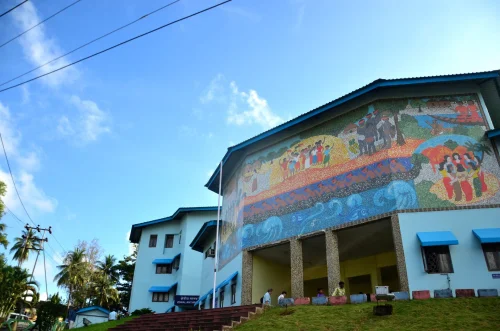
- The museum’s marine-themed architecture and naval insignia provide distinctive subjects for exterior architectural photography.
- Indoor galleries featuring coral specimens, marine life displays, and tribal artifacts allow detailed close-up photography of textures and forms.
- Natural and controlled lighting within exhibit halls enhances clarity and color accuracy for documentation-style images.
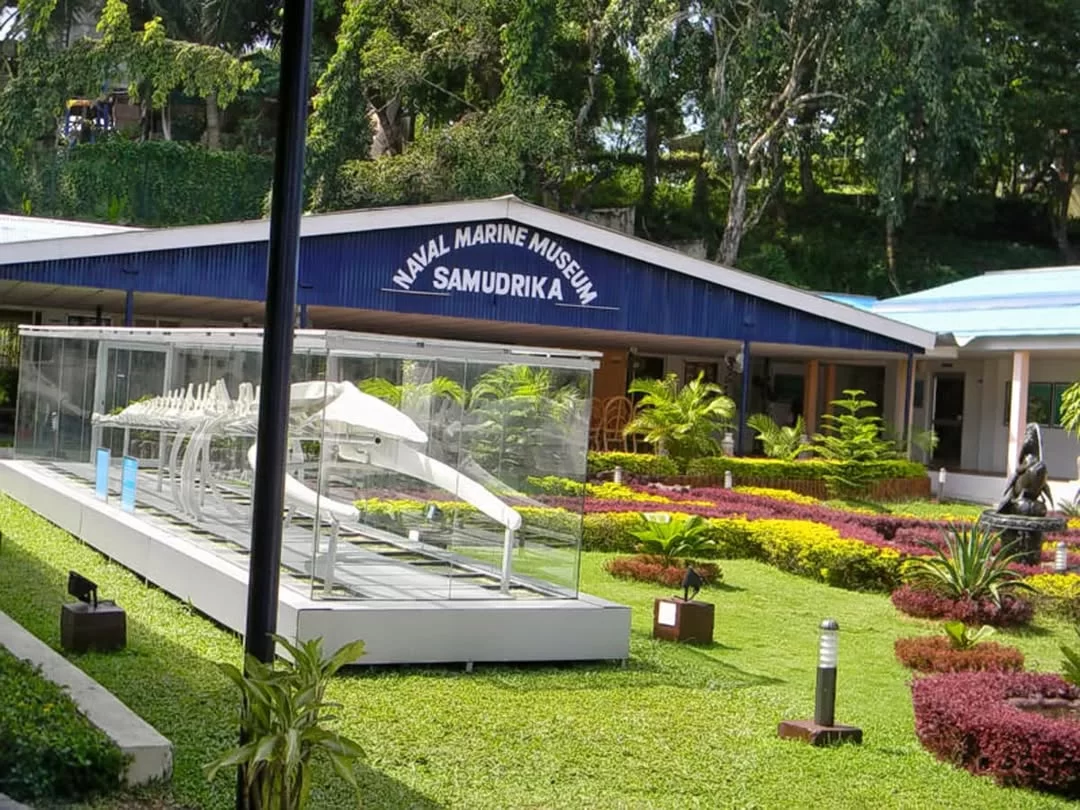
- The skeletal remains of marine creatures and preserved specimens create compelling focal points for educational and interpretative photography.
- Outdoor display areas and landscaped surroundings offer balanced compositions combining structure and greenery.
- Wide-angle shots of exhibit sections help capture the scale and thematic layout of the museum for storytelling visuals.