Quick Facts About Munda Pahad Beach
| Entry Fee | 20 |
| Timings | 06:00 - 17:00 |
| Altitude (m) | 0 |
| Ideal Visit Duration (hrs) | 3 |
| Best Time of Day | Evening |
| Crowd Level | Moderate |
| Distance from Port Blair (km) | 30 |
| Walking Difficulty | Moderate |
| Parking Available | Yes |
| Last Mile Access | Trek |
| Suitable for Kids | No |
| Suitable for Seniors | No |
| Wheelchair Friendly | No |
Why Visit Munda Pahad Beach, Chidiya Tapu
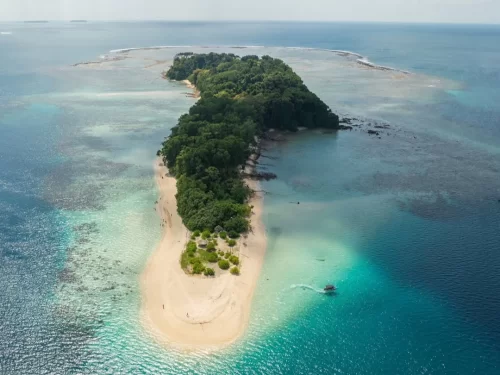
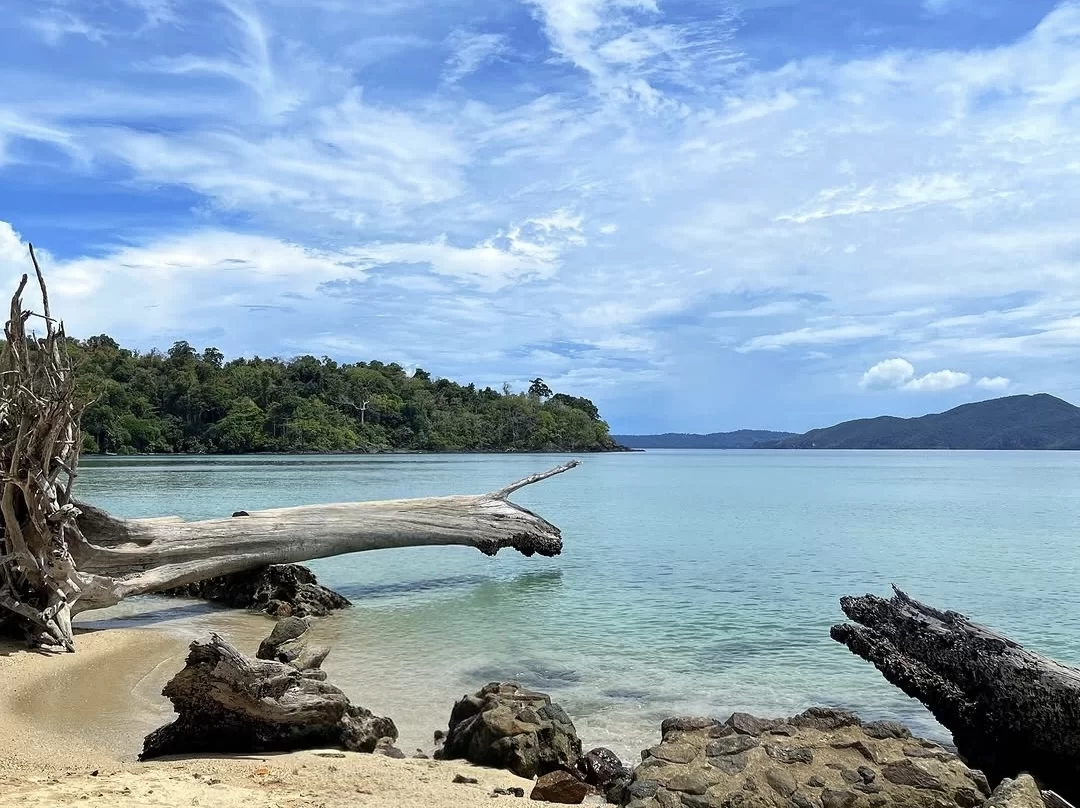
Atmosphere at Munda Pahad Beach is secluded, raw, and naturally captivating, offering visitors an escape into untouched coastal beauty. Surrounded by dense forests and rocky cliffs, the beach provides a quiet and immersive environment where the sound of waves and rustling trees dominate the landscape. The sense of isolation and minimal commercial presence make it ideal for travelers seeking solitude and a deeper connection with nature.
What makes Munda Pahad Beach special is its dramatic landscape and breathtaking sunset views. The short forest trail leading to the beach adds an element of adventure, while the rocky shoreline and expansive ocean horizon create excellent opportunities for photography. The area is also known for birdwatching and scenic viewpoints overlooking the Andaman Sea. Seasonal weather variations enhance its beauty, especially during clear winter evenings when the sunsets are particularly vibrant.
Beyond its scenic charm, Munda Pahad Beach offers a peaceful retreat for nature lovers, trekkers, and photographers looking for an offbeat destination in the Andaman Islands. It provides a refreshing contrast to more crowded beaches, allowing visitors to experience the islands’ natural landscape in a calm and authentic setting. The visit leaves lasting impressions of rugged coastal beauty and tranquil seclusion.
History of Munda Pahad Beach
Munda Pahad Beach, located at the southern tip of Chidiya Tapu in the Andaman and Nicobar Islands, forms part of a region historically associated with early settlement activities and coastal navigation during the British colonial period. While the beach itself was not developed as a formal colonial establishment, the surrounding Chidiya Tapu area served as a forest outpost and natural resource zone under British administration in the late 19th and early 20th centuries.
The name “Munda Pahad” translates to “Bald Hill,” referring to the rocky hilltop that offers panoramic views of the Bay of Bengal. Historically, the area remained largely untouched due to its dense forests and rugged coastline, preserving its ecological character even during phases of settlement expansion in Port Blair.
In the post-independence era, Munda Pahad gradually emerged as a scenic trekking and sunset destination rather than a site of major historical events. Today, it stands as a tranquil coastal landmark connected to the broader colonial and environmental history of the Andaman Islands, reflecting the region’s blend of natural preservation and historical transition.
Best Time to Visit Munda Pahad Beach
The best time to visit Munda Pahad Beach depends on weather conditions, sea clarity, and trekking comfort, as the beach is accessed via a forest trail inside the Mahatma Gandhi Marine National Park near Wandoor. Seasonal planning ensures a safe and enjoyable experience.
October to April is considered the ideal period to visit. During these months, the weather is relatively pleasant with lower humidity and calm sea conditions, making it perfect for trekking, beach relaxation, and photography. Clear skies enhance sunset views and the scenic beauty of the coastline.
Summer months from April to June can be warm and humid, especially during midday. Early morning visits are recommended for a comfortable trek and to enjoy the peaceful surroundings before temperatures rise.
Monsoon season from May to September brings heavy rainfall and slippery forest trails, which may affect accessibility and safety. Sea conditions can also become rough during this period. Visitors planning a trip during monsoon should check local advisories and weather updates in advance.
- October to April for pleasant weather, safe trekking, and calm sea views
- Early mornings ideal for trekking and comfortable exploration
- April to June for visits during cooler hours of the day
- May to September for lush greenery, though trails may be slippery and sea conditions rough
- Weekdays offer a quieter and more peaceful beach experience
How to Reach Munda Pahad Beach, Chidiya Tapu
- By Air: The nearest airport is Veer Savarkar International Airport, Port Blair, approximately 30 km from Munda Pahad Beach. Regular flights connect Port Blair with major Indian cities such as Chennai, Kolkata, Delhi, and Bengaluru. Taxis and rental vehicles are available from the airport for a comfortable transfer to Chidiya Tapu.
- By Train: There is no railway connectivity to the Andaman Islands. Travelers must first reach Port Blair by air or sea and then proceed by road to Chidiya Tapu.
- By Road: Munda Pahad Beach is accessible via a scenic coastal road from Port Blair to Chidiya Tapu, approximately 25–30 km away. Visitors can hire taxis, rent two-wheelers, or drive private vehicles to reach the designated parking area.
- Local Transport: From the parking area at Chidiya Tapu, a short forest trail and walk lead to Munda Pahad Beach. Comfortable footwear is recommended, and visitors should check weather conditions before visiting.
What to Expect When You Visit Munda Pahad Beach
- Immersive surroundings that reflect the true natural, cultural, or spiritual character of the destination, offering a peaceful and enriching travel experience.
- Well-maintained visitor pathways and accessible viewing points designed to provide comfortable exploration while preserving the authenticity of the location.
- Opportunities to engage with local traditions, regional architecture, or natural landscapes, allowing travelers to gain deeper cultural understanding.
- Scenic photo spots and panoramic viewpoints that highlight the area’s unique beauty throughout different times of the day.
- Informational boards, guides, or locally available assistance that help visitors learn the historical or environmental importance of the site.
- Seasonal changes in atmosphere, crowd levels, and visual appeal, ensuring a different yet memorable experience depending on the time of visit.
- Nearby amenities such as refreshment stalls, rest areas, or small markets offering local flavors and handicrafts.
- A calm and respectful environment that allows visitors to fully absorb the significance and charm of the destination.
Important Visitor Information and Safety of Munda Pahad Beach
- Crowd & Peak Hours: Generally less crowded compared to popular beaches, but visitor numbers increase during weekends and sunset hours. Early mornings are quieter and ideal for nature walks.
- Weather Notes: The tropical climate is warm and humid throughout the year. Monsoon months may bring slippery trails and rough sea conditions.
- Dress Code: Wear light, breathable clothing and sturdy footwear suitable for trekking trails and sandy areas. Carry sun protection such as hats and sunscreen.
- Safety Tips: Be cautious while trekking on forested paths, avoid swimming in rough waters, stay within safe zones, and keep personal belongings secure during your visit.
Photography and Viewpoints at Munda Pahad Beach
- The beach’s untouched shoreline and dense tropical forest backdrop create pristine compositions ideal for landscape photography.
- Elevated viewpoints from Munda Pahad hill offer sweeping panoramic views of the Andaman Sea and surrounding coastline.
- Sunset photography is particularly striking here, with the sun dipping into the horizon and casting warm hues across the water.
- Rock formations along the shore provide strong foreground elements for wide-angle and long-exposure seascape shots.
- Clear waters and minimal human interference allow for clean, natural frames capturing the raw beauty of the region.
- The forest trail leading to the beach offers opportunities for nature photography, including tropical flora and coastal landscapes.