

Quick Facts About Chidiya Tapu
| Entry Fee | 20 |
| Timings | 06:00 - 17:30 |
| Altitude (m) | 0 |
| Ideal Visit Duration (hrs) | 3 |
| Best Time of Day | Evening |
| Crowd Level | Moderate |
| Distance from Port Blair (km) | 25 |
| Walking Difficulty | Moderate |
| Parking Available | Yes |
| Last Mile Access | Road |
| Suitable for Kids | Yes |
| Suitable for Seniors | Yes |
| Wheelchair Friendly | No |
Why Visit Chidiya Tapu, Port Blair
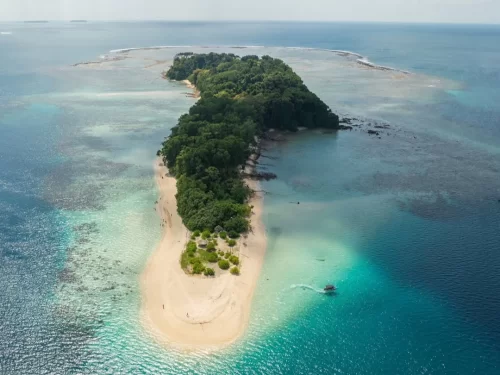
Atmosphere at Chidiya Tapu is tranquil and nature-centric, offering visitors a refreshing retreat surrounded by dense forests, mangroves, and open sea views. Located at the southern tip of South Andaman Island, the area is known for its peaceful ambiance and minimal urban disturbance. The combination of greenery, coastal breeze, and natural silence creates an immersive experience ideal for relaxation and quiet exploration.
What makes Chidiya Tapu special is its reputation as a birdwatcher’s paradise and one of the best sunset points near Port Blair. The region hosts a variety of native and migratory bird species, making it a rewarding destination for wildlife enthusiasts and photographers. The scenic coastline, forest trails, and panoramic ocean viewpoints provide diverse experiences within a compact area. Seasonal changes, particularly during winter months, enhance bird activity and visibility, enriching the visit.
Beyond its scenic beauty, Chidiya Tapu offers ecological and educational value by showcasing the biodiversity of the Andaman Islands. It attracts nature lovers, families, trekkers, and travelers seeking a quieter alternative to commercial beach destinations. The overall experience leaves visitors with lasting impressions of serene landscapes, vibrant birdlife, and the untouched charm of the Andaman coastline.
History of Chidiya Tapu
Chidiya Tapu, located about 25 kilometers from Port Blair in the Andaman and Nicobar Islands, was historically part of the forested southern region developed during the British colonial period. Following the establishment of the penal settlement in 1858, the British administration began utilizing surrounding areas for timber extraction and forest management, and Chidiya Tapu became associated with these early resource activities.
The region’s dense mangroves and tropical forests were valuable for wood supply and settlement expansion, forming part of the broader colonial infrastructure that supported Port Blair. Over time, limited habitation and controlled development helped preserve its ecological richness, distinguishing it from heavily built-up administrative zones like Ross Island.
After independence, Chidiya Tapu transitioned from a utilitarian colonial outpost to a protected natural area known for its biodiversity, birdlife, and scenic coastline. Today, while primarily recognized for its environmental appeal, it remains connected to the layered colonial and settlement history of the Andaman Islands.
Best Time to Visit Chidiya Tapu
The best time to visit Chidiya Tapu depends on weather conditions, sunset visibility, and birdwatching opportunities. Located about 25 km from Port Blair, this scenic coastal destination is known for its rich biodiversity and panoramic sunset views over the Andaman Sea.
October to April is considered the ideal period to visit. During these months, the weather is relatively pleasant with lower humidity and clearer skies, making it perfect for nature walks, birdwatching, photography, and enjoying the famous sunset viewpoint. Sea conditions are also calmer during this season.
Summer months from April to June can be warm and humid, but late afternoon visits are highly recommended to witness stunning sunsets and avoid peak daytime heat. The surrounding forests remain vibrant, offering excellent opportunities for photography.
Monsoon season from May to September brings frequent rainfall and strong winds, which may affect travel plans and outdoor activities. While the landscape appears lush and dramatic, visitors should check weather conditions before planning a trip during this period.
- October to April for pleasant weather, birdwatching, and clear sunset views
- Late afternoons ideal for enjoying the famous Chidiya Tapu sunset
- April to June for visits during cooler evening hours
- May to September for lush greenery, though rain and winds may affect travel
- Weekdays generally offer a quieter and more peaceful experience
How to Reach Chidiya Tapu, Port Blair
- By Air: The nearest airport is Veer Savarkar International Airport, Port Blair, approximately 25 km from Chidiya Tapu. Regular flights connect Port Blair with major Indian cities such as Chennai, Kolkata, Delhi, and Bengaluru. Taxis and rental vehicles are available for a comfortable transfer.
- By Train: There is no railway connectivity to the Andaman Islands. Travelers must reach Port Blair by air or sea and then continue by road to Chidiya Tapu.
- By Road: Chidiya Tapu is accessible via a well-maintained scenic coastal road from Port Blair, about 25 km away. Visitors can hire taxis, rent two-wheelers, or use private vehicles to reach the destination conveniently.
- Local Transport: Within Port Blair, taxis and rental scooters are the most convenient options for reaching Chidiya Tapu. The drive offers beautiful coastal and forest views, making the journey enjoyable and smooth.
What to Expect When You Visit Chidiya Tapu
- Immersive surroundings that reflect the true natural, cultural, or spiritual character of the destination, offering a peaceful and enriching travel experience.
- Well-maintained visitor pathways and accessible viewing points designed to provide comfortable exploration while preserving the authenticity of the location.
- Opportunities to engage with local traditions, regional architecture, or natural landscapes, allowing travelers to gain deeper cultural understanding.
- Scenic photo spots and panoramic viewpoints that highlight the area’s unique beauty throughout different times of the day.
- Informational boards, guides, or locally available assistance that help visitors learn the historical or environmental importance of the site.
- Seasonal changes in atmosphere, crowd levels, and visual appeal, ensuring a different yet memorable experience depending on the time of visit.
- Nearby amenities such as refreshment stalls, rest areas, or small markets offering local flavors and handicrafts.
- A calm and respectful environment that allows visitors to fully absorb the significance and charm of the destination.
Important Visitor Information and Safety of Chidiya Tapu
- Crowd & Peak Hours: Visitor numbers rise during sunset hours, weekends, and holidays. Early mornings are quieter and ideal for birdwatching and peaceful walks.
- Weather Notes: The tropical climate is warm and humid year-round. Sudden rain showers may occur during monsoon months, and coastal humidity can be high.
- Dress Code: Wear light, breathable clothing and comfortable footwear suitable for beach walks and nature trails. Carry sun protection such as hats and sunglasses.
- Safety Tips: Stay on designated trails, avoid venturing into isolated forest areas alone, be cautious near rocky shorelines, and follow local guidelines for a safe visit.
Photography and Viewpoints at Chidiya Tapu
- Renowned for its dramatic sunsets, Chidiya Tapu offers stunning horizon views where the sun sinks into the Andaman Sea, creating vibrant orange and crimson skies.
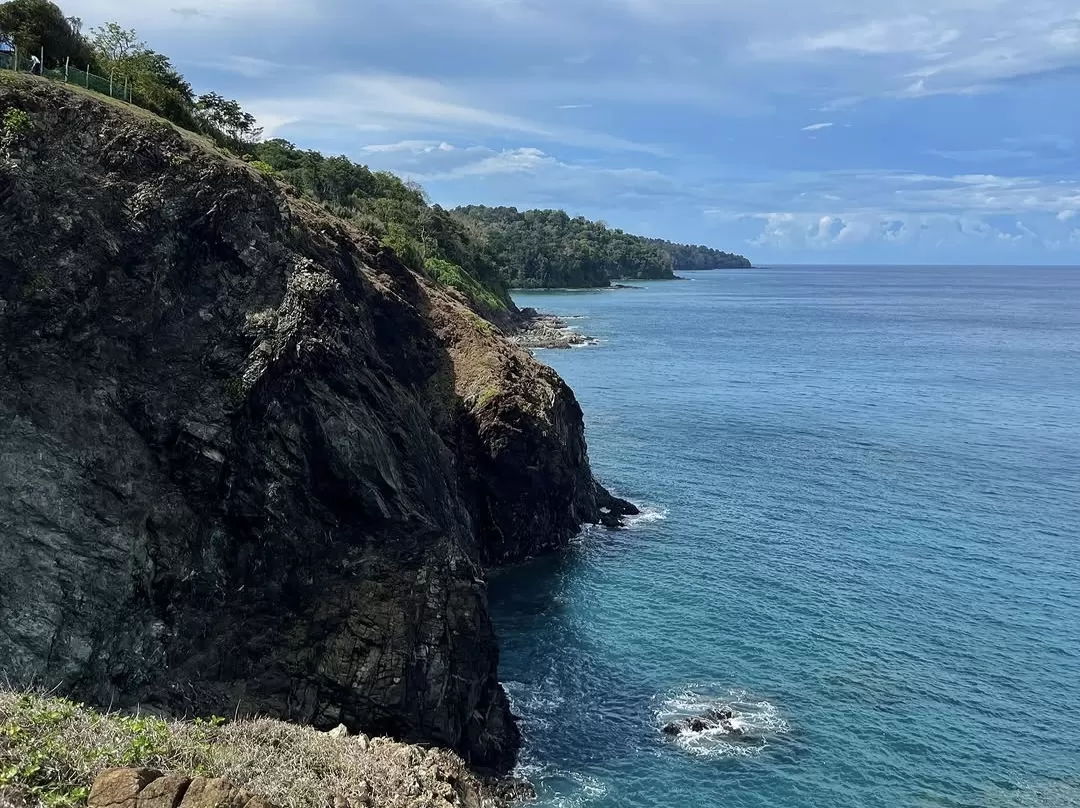
- The rocky shoreline and mangrove-lined coast provide strong foreground elements for wide-angle and long-exposure seascape photography.
- Elevated viewpoints along the forested trails allow panoramic shots of the coastline, dense tropical greenery, and open waters.
- The area is a birdwatcher’s haven, offering opportunities to photograph native and migratory bird species in natural habitats.
- Golden hour lighting enhances textures of driftwood, rock formations, and gentle waves, producing balanced and visually rich compositions.
- Silhouettes of trees and coastal vegetation against the evening sky create dramatic and artistic frames ideal for storytelling photography.