What Makes West Bengal a Unique Travel Region
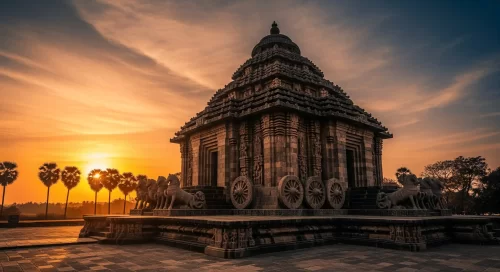
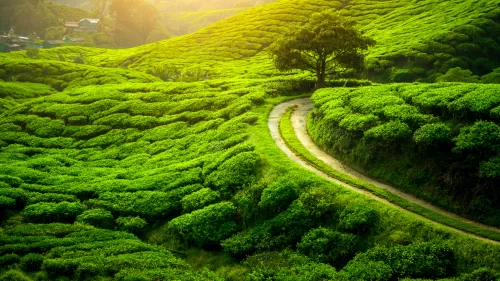
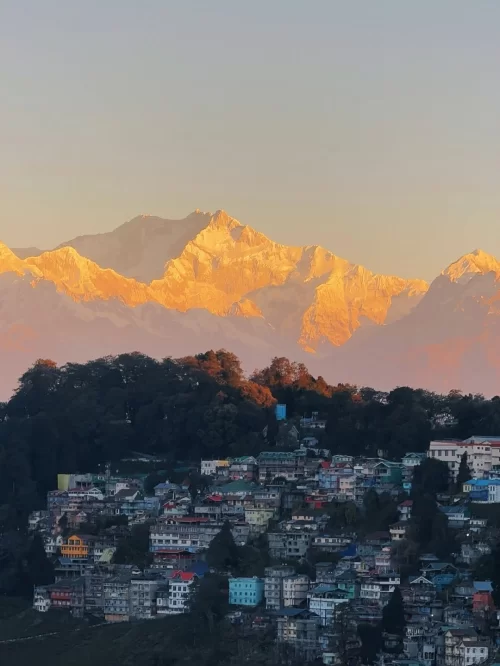
West Bengal is defined by remarkable geographic contrast, stretching from Himalayan foothills to fertile river plains and coastal delta landscapes. This diversity shapes agriculture, language, literature, food culture, and artistic expression in powerful ways. Intellectual tradition and creative identity remain central to daily life, influencing social conversations, festivals, and community gatherings. Travel here feels emotionally rich and culturally expressive, offering depth beyond sightseeing through literature, music, spirituality, and strong regional pride woven into everyday rhythm.
- Geography: Mountain foothills, river plains, and coastal delta ecosystems
- Culture: Literary, artistic, and spiritually expressive traditions
- Travel vibe: Thoughtful, vibrant, and culturally immersive
- Distinct experience type: Emotion-driven journeys blending nature, intellect, and heritage
Popular Tourist Circuits Across West Bengal
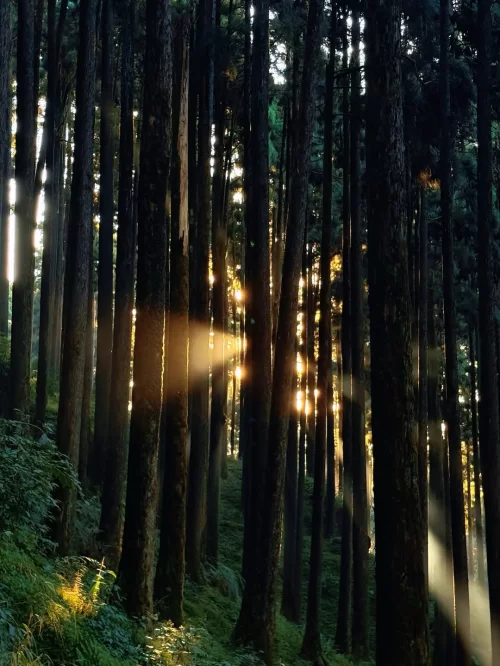
Travel across West Bengal is structured around distinct geographic belts including Himalayan foothills, forested plains, river deltas, and coastal stretches. The state covers diverse terrain within moderate distances, but realistic planning requires clustering nearby regions rather than attempting cross-state transfers in limited time. Hill areas involve winding roads and altitude changes, while delta and mangrove zones depend on boat-based exploration and tidal schedules. Seasonal weather significantly influences comfort, especially during monsoon and peak summer. A balanced journey of six to nine days allows meaningful exploration without rushed movement.
| Circuit Type |
Areas Covered (generic descriptions only, no place names) |
Ideal Duration (realistic and safety based) |
Travel Style |
| Himalayan & Hill Circuit |
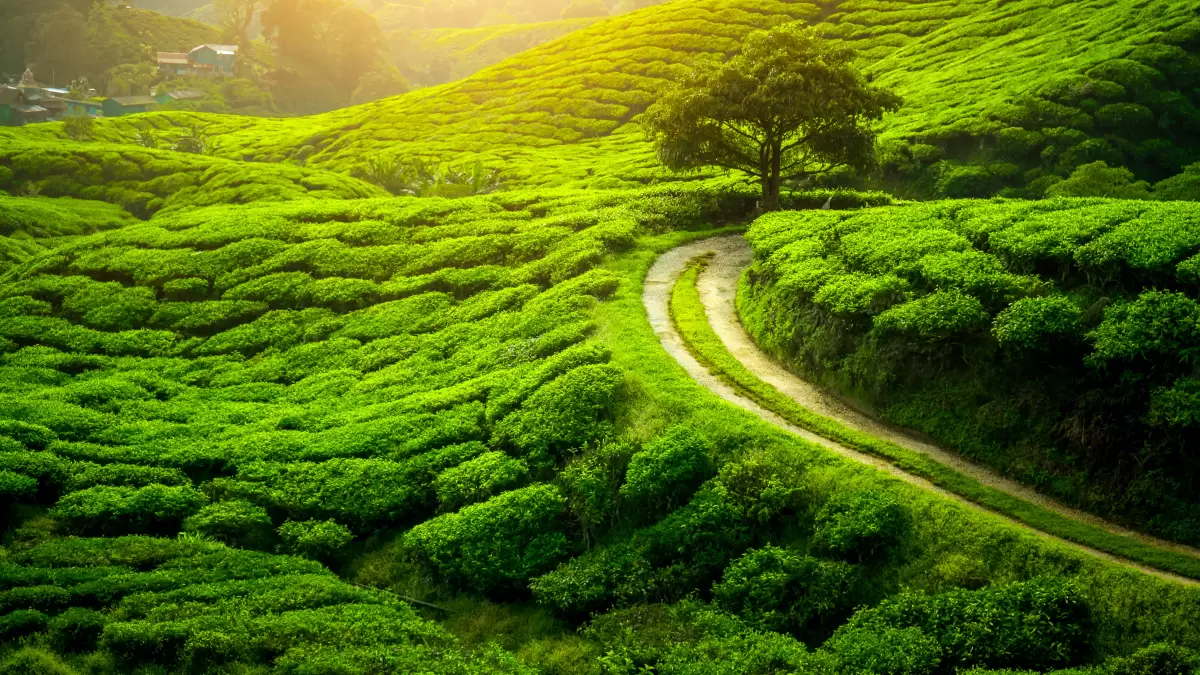
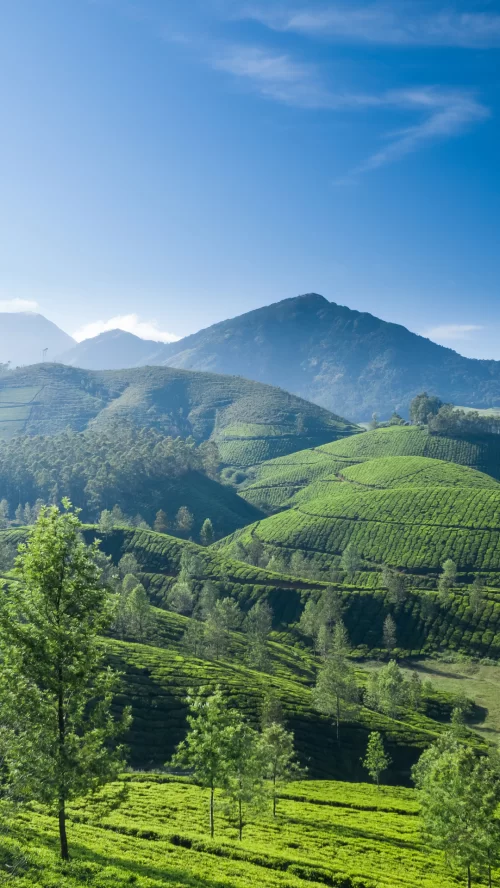
Mountain towns, tea garden slopes, forest reserves, and scenic valleys |
4–6 days |
Scenic road journeys with slower pacing due to elevation changes |
| Heritage & Cultural Circuit |
Colonial-era districts, art centers, riverfront heritage zones, and traditional neighborhoods |
3–5 days |
City-based cultural exploration with guided visits |
| Mangrove & Delta Circuit |
Tidal river networks, mangrove forests, and wildlife habitats |
3–4 days |
Boat-based exploration with nature-focused travel |
| Coastal & Rural Circuit |
Beach stretches, fishing villages, and countryside landscapes |
3–5 days |
Relaxed coastal travel combined with rural experiences |
Best Time to Travel to West Bengal
Plan your West Bengal trip based on your comfort with humidity, temperature shifts between plains and hills, and the type of cultural or nature experiences you wish to enjoy.
| Season |
Months |
Weather Conditions |
Travel Suitability |
| Winter |
October to February |
Pleasant days in the plains with cooler temperatures in higher elevations and clear skies. |
Most comfortable period for heritage exploration, wildlife visits, hill travel, and cultural experiences. |
| Summer |
March to June |
Warm and humid conditions in the plains with milder weather in elevated regions. |
Suitable for travelers comfortable with heat in lowland areas or those planning cooler hill retreats. |
| Monsoon |
July to September |
Regular rainfall, lush landscapes, and higher humidity across most regions. |
Ideal for those who appreciate refreshed greenery, scenic surroundings, and a relaxed travel pace. |
How Travelers Usually Explore West Bengal
Travel across West Bengal typically begins through its primary airport gateway or major railway stations, after which visitors select a base depending on whether their focus is cultural heritage, hills, forests, or coastal areas. From these bases, journeys unfold region-wise, as the state stretches from plains and riverine landscapes to mountain terrain. Travel pacing is generally planned with practical road and rail transfers, allowing comfortable exploration across varied geography.
- Road travel is commonly used for connecting hill regions, forest zones, and coastal stretches.
- Rail connectivity is strong and links major cities and district centers across the state.
- Local transport includes taxis, auto-rickshaws, app-based cabs, ferries in river areas, and regional buses.
- Travelers often combine stay-based day explorations with structured multi-day regional circuits.
Culture, Food & Everyday Life in West Bengal
Life in West Bengal is shaped by fertile river plains, coastal humidity, forested tracts, and a climate that shifts between warm summers, monsoon rains, and mild winters. Agriculture, trade, arts, education, and small businesses influence daily routines, with mornings often beginning early and evenings centered around conversation and community life. Social behavior reflects intellectual curiosity, respect for cultural expression, and strong family bonds. Visitors may notice thoughtful discussions, artistic inclination, and hospitality offered with understated warmth. Food habits are guided by seasonal availability and climatic comfort, focusing on grains, lentils, vegetables, and river or coastal produce that provide balanced nourishment in humid conditions. Meals are often structured and mindful rather than hurried. Emotionally, travelers experience a culturally expressive region where creativity, tradition, and everyday simplicity blend into a steady and reflective pace of life.
- River-plain and coastal-influenced daily rhythm
- Strong artistic and intellectual cultural identity
- Seasonal, balanced nourishment practices
- Reflective yet community-centered lifestyle


 Wildlife Sanctuary
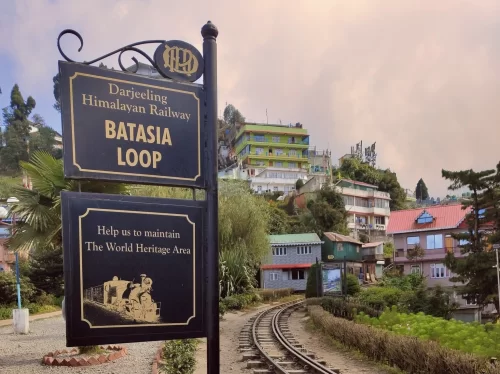 Scenic Drive
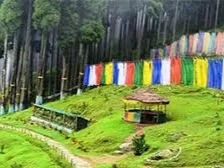 Tourist Attraction