All you need to know about Tamil Nadu

Tamil Nadu offers travelers a vibrant mix of culture, tradition, and diverse landscapes, from coastal plains to rolling hills. Daily life is shaped by rich customs, temple-centered communities, and a strong connection to art, music, and local festivals. Food habits reflect both nourishment and heritage, featuring rice-based meals, aromatic spices, and regional flavors that are integral to daily routines.

Visitors experience a rhythmic lifestyle through bustling markets, serene temple precincts, traditional performances, and everyday community interactions. Tamil Nadu invites travelers to explore its living traditions while enjoying landscapes and cultural depth that remain active parts of daily life.

What Makes Tamil Nadu a Unique Travel Region

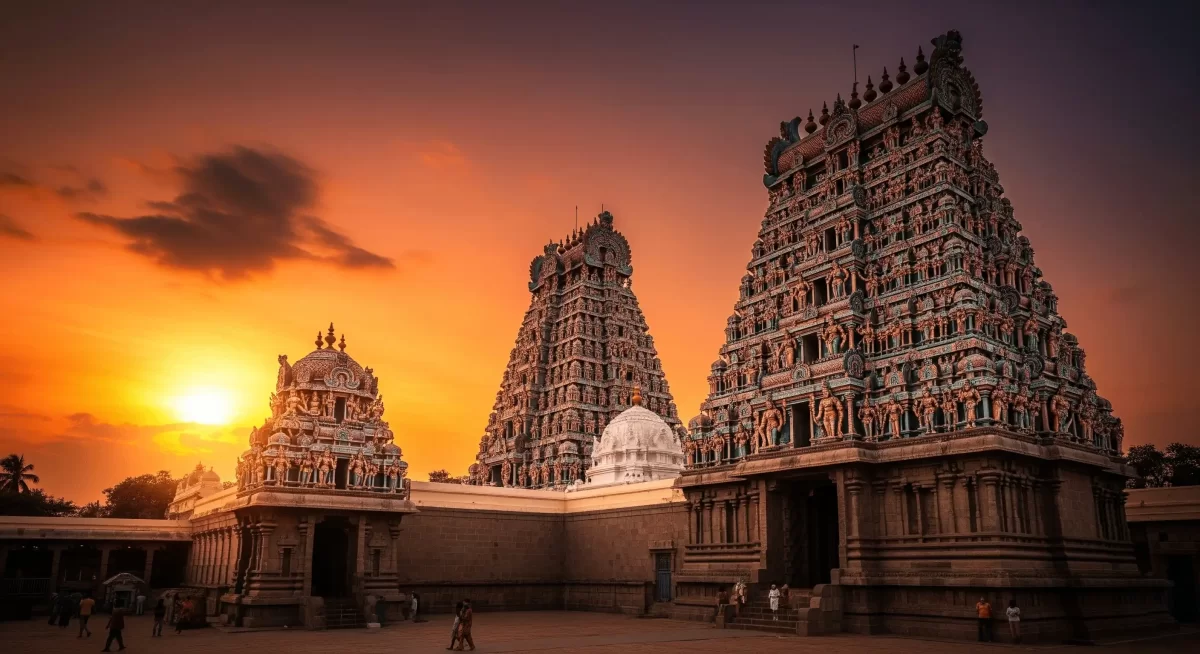
Tamil Nadu stands apart as a region where language, temple architecture, classical arts, and everyday life remain deeply interconnected. Its geography ranges from long coastlines to fertile plains and hill landscapes, shaping agriculture, trade, and settlement patterns over centuries. Cultural continuity is strong here; traditions are not preserved as museum pieces but practiced daily through music, rituals, craftsmanship, and cuisine. Travel across the state feels structured yet immersive, offering spiritual depth, architectural grandeur, and a rhythm of life that is disciplined, expressive, and culturally confident.

  • Geography: Coastal stretches, river plains, and elevated landscapes influencing lifestyle and economy
  • Culture: Ancient linguistic heritage with active temple traditions and classical arts
  • Travel vibe: Structured, culturally immersive, and heritage-driven
  • Distinct experience type: Architecture-led and spiritually rooted journeys shaped by continuity of tradition

Types of Destinations You’ll Find in Tamil Nadu

  • Temple architecture and sacred pilgrimage regions
  • Coastal beaches and seaside stretches
  • Hill stations and plantation landscapes
  • Classical heritage towns and cultural centers
  • Wildlife reserves and forested hill ranges

Popular Tourist Circuits Across Tamil Nadu

Travel across Tamil Nadu is structured around distinct cultural, coastal, and hill regions connected by strong road and rail networks. The state covers significant distances, so realistic planning involves clustering nearby heritage and nature belts rather than attempting long cross-state drives in short timeframes. Coastal humidity, summer heat, and cooler hill climates influence pacing and comfort. Many travellers structure their journey around temple architecture corridors, scenic highland escapes, and coastal stretches. A well-balanced trip of six to nine days allows meaningful exploration without rushed transfers.

Circuit Type Areas Covered (generic descriptions only, no place names) Ideal Duration (realistic and safety based) Travel Style
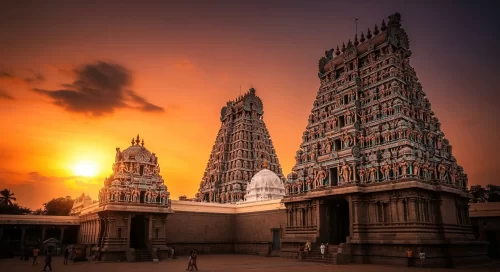
Temple Architecture Circuit Historic temple towns, sacred corridors, and traditional urban centers 4–6 days Structured cultural exploration with guided visits
Coastal & Heritage Circuit Seaside settlements, colonial-era districts, and maritime landscapes 3–5 days Relaxed coastal travel with heritage walks
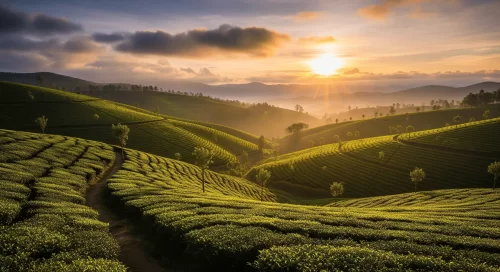
Hill & Plantation Circuit High-altitude hill regions, tea estates, forest reserves, and cool-climate retreats 4–5 days Scenic road journeys with slower pacing due to elevation changes
Culture & Craft Circuit Traditional artisan regions, classical art centers, and rural cultural belts 3–5 days Immersive cultural travel with moderate intercity transfers

Best Time to Travel to Tamil Nadu

Plan your Tamil Nadu trip based on your comfort with coastal humidity, inland temperatures, and the type of temple, heritage, or nature experiences you want to enjoy.

Season Months Weather Conditions Travel Suitability
Winter November to February Pleasant days, relatively lower humidity, and comfortable evenings across most regions. Most comfortable period for temple visits, cultural exploration, coastal sightseeing, and full day outdoor travel.
Summer March to June High daytime temperatures, especially inland, with humid coastal conditions. Suitable for travelers comfortable with warmer weather who prefer early morning exploration and indoor rest during peak heat.
Monsoon July to October Seasonal rainfall with greener surroundings and moderate humidity. Ideal for those who enjoy scenic landscapes, cultural visits, and a relaxed travel atmosphere.

How Many Days Do You Need to Explore Tamil Nadu

Trip Duration What You Can Experience Best For
5 to 6 Days A focused cultural journey covering one primary travel circuit with time for temple architecture, heritage zones, and local cuisine. Travel remains comfortable without long daily transfers across regions. Spiritual travelers, short heritage trips, and first-time visitors.
7 to 9 Days A balanced exploration across temple corridors, coastal stretches, and hill landscapes. Provides time for scenic drives, cultural immersion, and relaxed evenings without rushing between districts. Families, culture enthusiasts, and leisure travelers seeking variety.
10 to 12 Days A comprehensive journey covering architecture, classical arts, spiritual circuits, and nature-based experiences. Longer distances are better managed with well-paced travel and rest days. History lovers, photographers, and immersive explorers.
12+ Days An in-depth exploration allowing engagement with regional traditions, festivals, rural experiences, and extended coastal relaxation. Ideal for slow travel and deeper cultural understanding. Long-stay travelers, experiential visitors, and cultural researchers.

How Travelers Usually Explore Tamil Nadu

Travel across Tamil Nadu typically begins through its major airports or extensive railway network, after which visitors select a cultural, coastal, or hill-based location as their primary base. From there, exploration usually unfolds region by region, as the state spans temple towns, heritage corridors, scenic hills, and long coastal stretches. Travel pacing is generally steady, with planned road journeys and comfortable overnight halts to ensure meaningful sightseeing without rushing between distant regions.

  • Road travel is commonly used for connecting heritage circuits, coastal belts, and hill regions.
  • Rail connectivity is extensive and provides convenient intercity travel across the state.
  • Local transport includes taxis, auto-rickshaws, app-based cabs, and city buses.
  • Travelers often combine stay-based day explorations with structured multi-day regional circuits.

Festivals & Seasonal Travel Experiences in Tamil Nadu

Season Festival / Experience Type Travel Atmosphere
Winter (Nov – Feb) Temple festivals, classical music season, heritage celebrations Comfortable climate with high cultural activity and ideal conditions for temple and heritage exploration
Spring (Mar – Apr) Regional New Year celebrations, chariot festivals, devotional gatherings Festive energy across towns with warm yet manageable weather and strong spiritual participation
Summer (May – Jun) Hill retreats, early morning temple visits, cultural events Warm temperatures with travel focused during cooler hours and relaxed regional movement
Monsoon (Jul – Sep) Rain-influenced temple rituals, nature experiences, coastal drives Greener landscapes, refreshed surroundings, and a calmer travel rhythm
Autumn (Oct) Major regional festivals, traditional markets, cultural performances High festive spirit with balanced weather and vibrant public celebrations

Travel Conditions, Weather & Practical Tips

  • Tamil Nadu experiences warm temperatures for most of the year, with coastal humidity and relatively pleasant winter months that are comfortable for sightseeing.
  • Summer afternoons can feel intense in inland regions, so planning outdoor visits during early mornings or evenings enhances comfort.
  • The state receives monsoon rainfall in phases, bringing refreshing greenery; carrying a light rain layer supports uninterrupted travel plans.
  • Humidity levels along the coastline can be noticeable, so breathable fabrics and regular hydration help maintain ease.
  • Mobile connectivity and digital payment facilities are widely accessible across cities and towns.
  • Comfortable walking footwear is essential, as temple complexes and heritage zones often involve extended walking.
  • Modest attire is recommended when visiting religious and culturally significant sites to ensure respectful and smooth entry.

Is Tamil Nadu Right for Your Travel Style?

  • Families interested in temple architecture, coastal experiences, and culturally rich journeys
  • Couples seeking heritage towns, serene hill retreats, and meaningful spiritual visits
  • Seniors preferring structured temple circuits with comfortable travel connectivity
  • Spiritual travellers drawn to ancient shrines, devotional traditions, and sacred festivals
  • Solo travellers who enjoy history, classical art forms, and immersive regional culture

Explore - Place to Visit, Activity to do & Food to try

Guna Cave in Kodaikanal featuring deep vertical rock crevices and twisted tree roots amidst misty pine forest greenery. Cave

Guna Cave

Guna Cave is a fenced natural cave area near Kodaikanal, known for its deep rock formations and dense pine forest surroundings along the Pillar Rocks route.

Upward perspective of vibrantly sculpted five-tiered Rajagopuram Arulmigu Koodal Azhagar Temple Madurai Tamil Nadu with intricate Dravidian stucco deities detailed stone base against clear blue sky, ideal for Madurai temple architecture photography Temple

Arulmigu Koodal Azhagar Temple

Arulmigu Koodal Azhagar Temple is a prominent Vishnu temple in central Madurai dedicated to Lord Koodal Azhagar.

Thanjavur Maratha Palace, historic royal palace complex in Thanjavur showcasing Maratha architecture and heritage museum Palace

Thanjavur Maratha Palace

Thanjavur Maratha Palace is a historic palace complex built by the Maratha rulers in the 16th century, showcasing royal architecture and cultural heritage.

Snorkling experience with two people swimming underwater wearing snorkel masks and fins, exploring clear blue sea filled with tropical fish.
Price: ₹1,000 – ₹3,000 PP
Chennai
Snorkeling
Hot Air Baloon ride over a city at sunrise with a colorful balloon floating above mountains and landscape.
Price: ₹8,000 – ₹15,000 PP
Coimbatore
Hot Air Baloon Ride
Stand-up paddleboarding activity with a person wearing a life jacket paddling on a calm river, surrounded by lush greenery and dramatic clouds reflecting on the water during sunset.
Price: ₹1,000 – ₹3,000 PP
Rameswaram
Stand-Up Paddleboarding
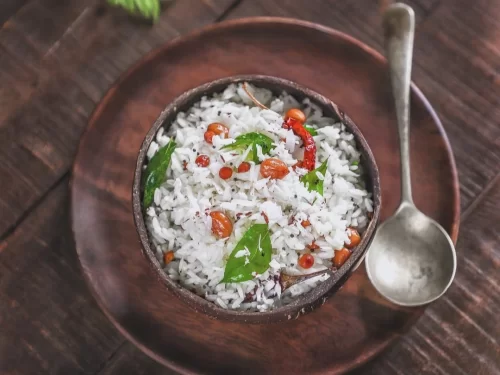
Coconut Rice in aromatic coconut milk gravy with peanut and curry leaf garnish, authentic Indian South Indian pulao rice, steaming hot delight.
Coconut Rice
Coconut Rice, known locally as Thengai Sadam, is a fragrant, comforting South Indian dish made by mixing precooked rice with freshly grated coconut and a nutty, aromatic tempering of mustard seeds, lentils, and curry leaves.
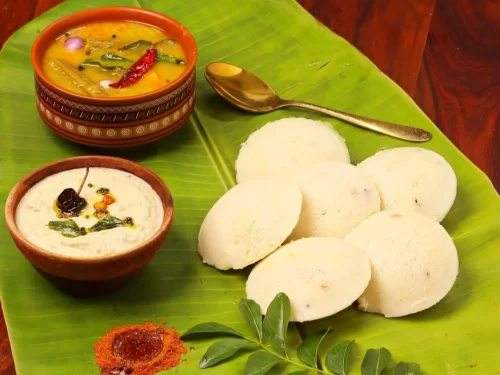
Idli sambar features soft steamed rice cakes with spicy lentil vegetable stew, coconut chutney and red chili powder on banana leaf, authentic South Indian breakfast delight.
Idli
Idli Sambar is the definitive breakfast of Tamil Nadu. It consists of soft, fluffy, steamed cakes made from a fermented batter of rice and black gram (Idli), served with a flavorful, vegetable-laden lentil stew (Sambar) and a variety of chutneys.
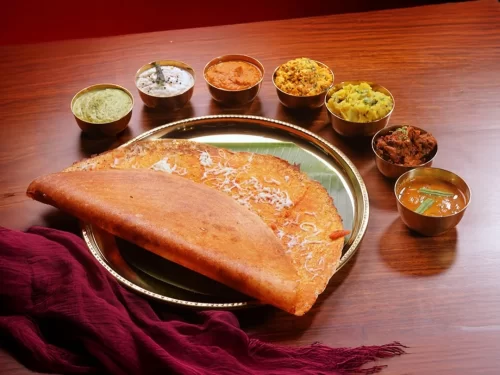
Dosa, a crispy fermented rice-lentil crepe served with coconut chutney, sambar and assorted sides, iconic South Indian breakfast staple.
Dosa
Dosa (specifically Dosai in Tamil) is a thin, fermented crepe made from a batter of rice and black gram (Urad Dal). While found across South India, the Tamil Nadu style is celebrated for its distinctive "golden-brown" crispness and its central role in the state's daily "Tiffin" culture.

Frequently Asked Questions

Tamil Nadu is known for its ancient temples, classical culture, long coastline, rich history, and one of the oldest living civilizations in India.
Tamil Nadu offers a culture- and heritage-driven travel experience focused on temples, traditions, history, spirituality, and regional diversity.
Tamil Nadu includes temple regions, cultural heartlands, coastal belts, hill zones, river plains, and historically significant landscapes.
Signature travel themes include temple tourism, classical culture, spiritual journeys, heritage exploration, and coastal travel.
Yes, Tamil Nadu is one of India?s strongest states for cultural and heritage tourism, known for ancient architecture, traditions, and classical arts.
Tamil Nadu has deep spiritual importance with ancient temples, pilgrimage traditions, and long-established religious practices.
The cultural identity of Tamil Nadu is shaped by classical music and dance, temple traditions, literature, festivals, and strong regional heritage.
Tamil Nadu celebrates traditional festivals linked to temples, harvest cycles, and classical cultural practices.
The best time to visit Tamil Nadu is from October to March when the weather is pleasant for sightseeing and travel.
An ideal Tamil Nadu trip usually requires 8 to 14 days to explore cultural, spiritual, and regional diversity comfortably.
Tamil Nadu has strong road, rail, and air connectivity, making multi-city and multi-zone travel efficient.
Tamil Nadu is suitable for family travel, offering educational heritage sites, spiritual experiences, and safe travel environments.
Tamil Nadu suits travelers interested in culture, history, spirituality, architecture, and meaningful travel experiences.
Yes, Tamil Nadu is one of India?s most important states for temple-focused travel due to its concentration of ancient temples.
Tamil Nadu offers accommodations including heritage hotels, city hotels, temple lodges, beach resorts, hill stays, and budget options.
Tamil Nadu is generally safe for tourists, with good infrastructure, organized tourism, and welcoming communities.
Yes, Tamil Nadu is ideal for slow travel, allowing visitors to deeply engage with culture, history, and local traditions.
Tamil Nadu is often combined with nearby southern states for extended cultural and scenic journeys.
Tamil Nadu can be busy in major pilgrimage and cultural hubs, while many regions remain calm and less crowded.
Travelers choose Tamil Nadu for its ancient civilization, temple heritage, classical culture, coastal diversity, and authentic South Indian experience.

Loved this place ? Let’s Plan Your Tamil Nadu Trip

⚡ Quick Response | 💰 Free consultation | 🕒 24×7 expert support

×

Plan Your Trip